Cookware for Ge Induction Cooktop
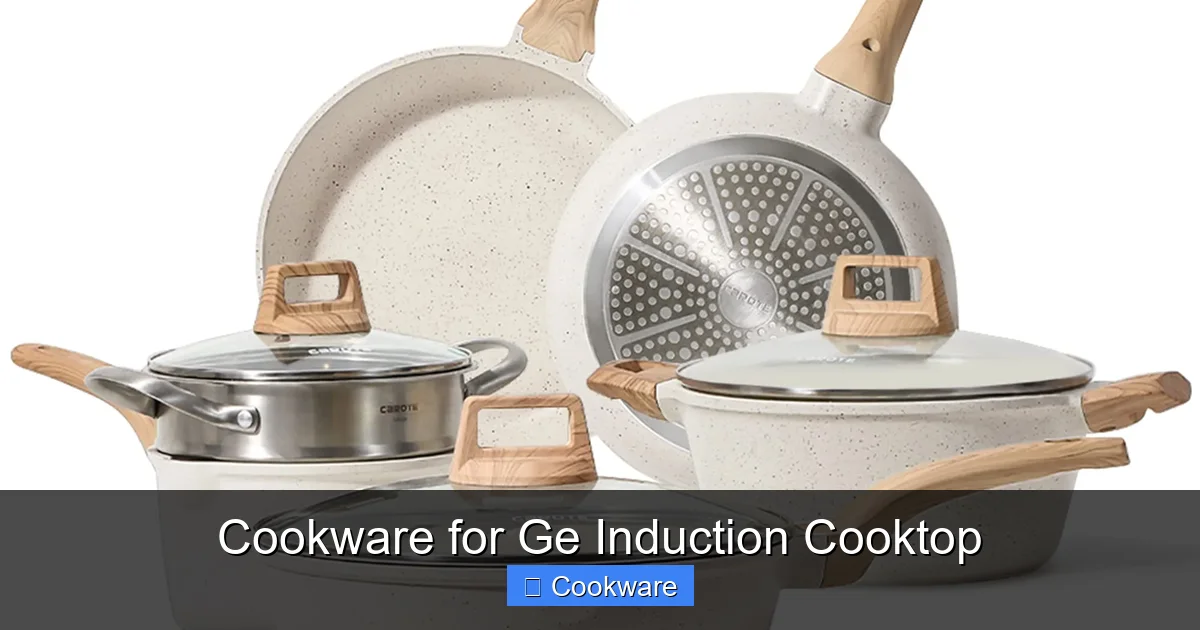
Choosing the right cookware for a GE induction cooktop can transform your kitchen experience. From magnetic stainless steel to durable cast iron, this guide covers compatibility, performance, and care tips to help you cook like a pro.
Key Takeaways
- Compatibility: Only magnetic materials work on GE induction cooktops.
- Material Matters: Stainless steel, cast iron, and aluminum each offer unique benefits.
- Size & Shape: Match pan diameter to burner size for efficient heating.
- Maintenance: Regular cleaning and seasoning keep cookware in top shape.
- Budgeting: Quality induction‑compatible cookware can be affordable with smart choices.
📑 Table of Contents
- Why GE Induction Cooktops Need Specialized Cookware
- Top Materials for GE Induction Cooktops
- Choosing the Right Size and Shape
- Top Picks for GE Induction Cooktops
- Maintenance and Care Tips
- Budgeting for Induction‑Ready Cookware
- Frequently Asked Questions About GE Induction Cooktop Cookware
- Conclusion: Mastering Your GE Induction Kitchen
Why GE Induction Cooktops Need Specialized Cookware
Induction cooking is all about electromagnetic energy. The cooktop’s magnetic field heats the pan directly, not the air. That means the cookware itself must be ferromagnetic to work. If you throw a regular glass or ceramic pot on a GE induction surface, nothing will happen. Understanding this basic principle is the first step to picking the right pots and pans.
Magnetic vs. Non‑Magnetic
Only pans made from materials that create a magnetic field—like cast iron or certain stainless steels—will respond. You can test most pans with a simple magnet: if it sticks, it’s induction‑ready. This quick test saves you the frustration of a pan that refuses to heat.
Why GE’s Design Matters
GE induction cooktops have a flat, glass‑ceramic surface and a precise 4‑zone setup. The burners are spaced to fit standard 8‑inch to 10‑inch pans. Choosing cookware that matches these dimensions ensures even heat distribution and reduces energy waste.
Top Materials for GE Induction Cooktops
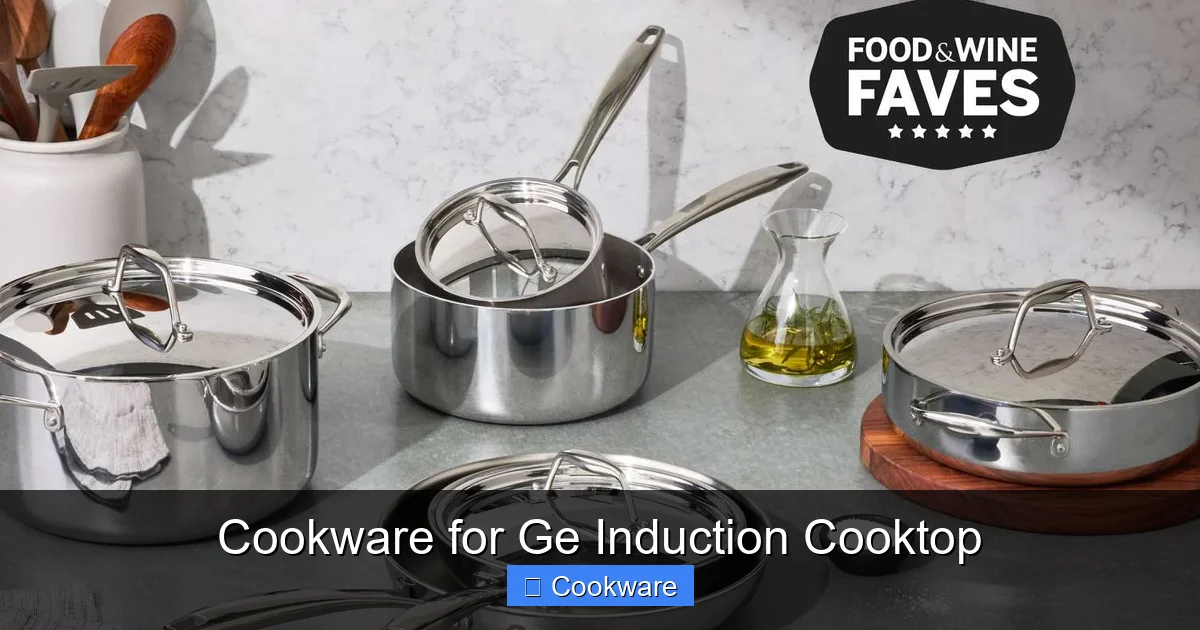
When shopping for cookware, you’ll mostly see three material categories: stainless steel, cast iron, and aluminum. Each has pros and cons for induction use.
Visual guide about Cookware for Ge Induction Cooktop
Image source: foodandwine.com
Stainless Steel
Stainless steel is a favorite because it’s durable, non‑reactive, and easy to clean. Look for “magnetic” stainless steel, often labeled as “18/10” or “304.”
- Pros: Dishwasher safe, rust‑resistant, neutral flavor.
- Cons: Poor heat conductivity unless bonded with aluminum or copper cores.
Cast Iron
Cast iron retains heat like a champ. It’s great for searing, slow cooking, and baking.
- Pros: Excellent heat retention, naturally non‑stick when seasoned.
- Cons: Heavy, requires seasoning, can rust if not cared for.
Aluminum (with a Magnetic Base)
Aluminum pans heat quickly but are not magnetic. However, many manufacturers line the base with a magnetic stainless steel layer, making them induction‑compatible.
- Pros: Lightweight, fast heating, often budget‑friendly.
- Cons: Can warp if overheated, may react with acidic foods if not anodized.
For a balanced kitchen, many chefs blend these materials: a stainless steel stockpot for soups, a cast iron skillet for searing, and an aluminum sauté pan for quick stir‑fries.
Choosing the Right Size and Shape
GE induction cooktops have four burners: two 4‑inch and two 6‑inch zones. The “6‑inch” burners are actually 10‑inch in diameter, while the “4‑inch” zones are about 8‑inch. Matching the pan size to the burner is crucial.
Visual guide about Cookware for Ge Induction Cooktop
Image source: kitchenbap.com
Why Size Matters
A pan that’s too small won’t cover the burner area, leading to uneven heating and wasted energy. A pan that’s too large can’t fit and may spill.
Best Pan Sizes for Each Burner
- 8‑inch pans: Perfect for the 4‑inch burner – ideal for eggs, small sauces, or pancakes.
- 10‑inch pans: Designed for the 6‑inch burner – great for larger sauces, stews, or a family dinner.
Specialty Shapes
Flat‑bottomed pans are essential for induction. Curved or uneven bottoms create air gaps, reducing efficiency. If you love a round grill pan or a wavy skillet, make sure the bottom is flat and the material is magnetic.
Top Picks for GE Induction Cooktops
Here are some of the best cookware options that perform wonderfully on GE induction surfaces. These picks include a mix of stainless steel, cast iron, and aluminum, giving you a full toolkit.
Visual guide about Cookware for Ge Induction Cooktop
Image source: thekitcheneye.com
Stainless Steel Collection
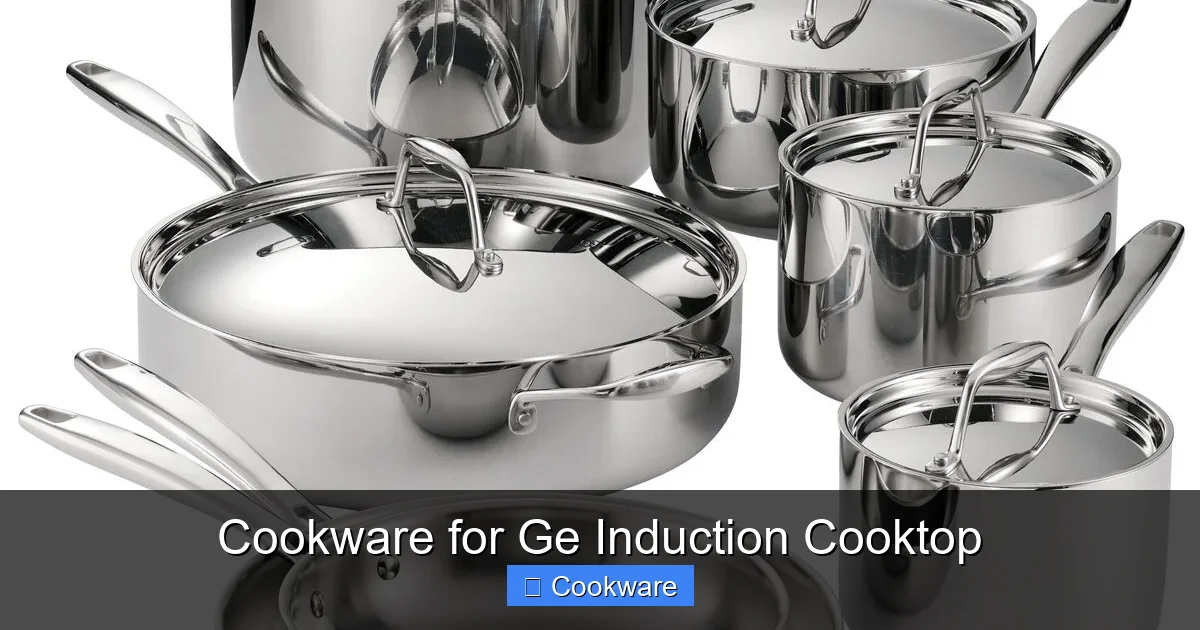
For those who want a versatile, long‑lasting set, check out the Best Stainless Steel Cookware For Induction Cooktop. This set boasts magnetic bases and a triple‑layer core for even heating.
Cast Iron Skillet
Hearty meals call for a cast iron skillet. The Best Cast Iron Skillet For Induction Cooktop is renowned for its pre‑seasoned finish and durable construction.
Non‑Stick Fry Pan
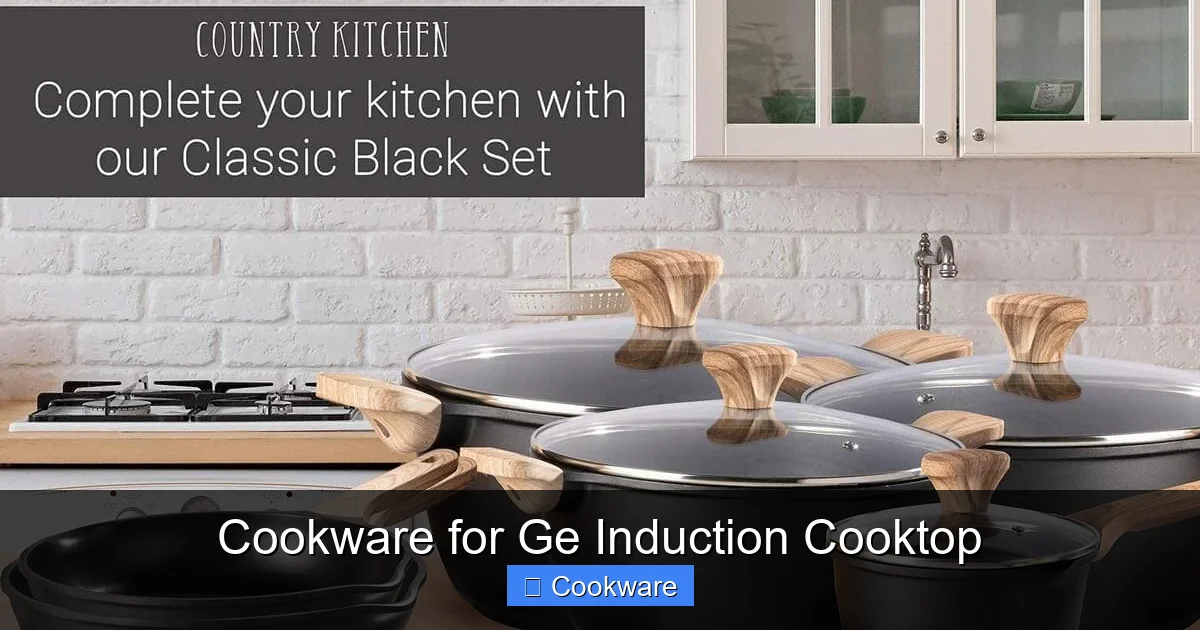
If you prefer low‑oil cooking, a non‑stick pan is a lifesaver. The Best Non Stick Pans For Induction Cooktop offers a magnetic base and a slick surface that’s easy to clean.
Maintenance and Care Tips
Keeping your GE induction cookware in top shape means following a few simple habits.
Cleaning
- Use warm, soapy water and a soft sponge. Avoid harsh abrasives that can scratch the surface.
- For stubborn stains, let the pan sit in a mixture of water and baking soda overnight.
- Never soak cast iron overnight – dry immediately.
Seasoning Cast Iron
Seasoning creates a natural non‑stick layer. Apply a thin coat of oil, heat at 350°F for 30 minutes, then cool. Repeat if needed.
Preventing Rust
Store cast iron in a dry place and lightly oil the surface. Stainless steel doesn’t rust, but it can tarnish; polish with a stainless steel cleaner if necessary.
Avoiding Thermal Shock
Don’t plunge a hot pan into cold water. Let it cool gradually before washing to avoid warping, especially with aluminum.
Budgeting for Induction‑Ready Cookware
Quality induction cookware can fit many budgets. Here’s a quick guide.
Entry‑Level
Basic 3‑piece sets (saucepan, sauté pan, skillet) start around $70. Look for “magnetic” labels.
Mid‑Range
All‑in‑one sets with stainless steel and aluminum layers cost $150–$250. These often include a range of sizes.
High‑End
Premium sets with triple‑layer cores or seasoned cast iron can go $300+. The investment pays off in durability and performance.
Where to Save
Shop sales, use coupons, or buy refurbished sets from reputable vendors. Some brands offer a price‑match guarantee for induction cookware.
Frequently Asked Questions About GE Induction Cooktop Cookware
Let’s answer the most common questions that pop up when you’re choosing cookware for your GE induction surface.
Can I use a regular stainless steel pot on a GE induction cooktop?
Only if it’s magnetic. Test with a magnet; if it sticks, it will work. Non‑magnetic stainless steel won’t heat.
Why does my pan wobble on the induction burner?
Make sure the pan is flat and the bottom is thick. A wobbly pan will lose contact with the magnetic field, causing uneven heating.
Is a cast iron skillet too heavy for an induction cooktop?
No, induction can handle heavy pans. Just lift carefully and avoid sudden drops.
Can I use a glass or ceramic pot on my GE induction cooktop?
No, those materials are not magnetic. They’ll sit on the surface without heating.
How do I know if my cookware is induction‑compatible?
Look for a magnet test or a label that says “induction ready.” Many manufacturers now include this information on packaging.
What’s the best way to clean a cast iron skillet after cooking on induction?
Rinse with warm water, use a soft sponge, dry immediately, and apply a light oil coat to protect the seasoning.
Conclusion: Mastering Your GE Induction Kitchen
Choosing the right cookware for your GE induction cooktop is a game‑changer. By understanding magnetic compatibility, selecting the right materials, matching pan sizes to burner zones, and maintaining your pans properly, you’ll enjoy faster cooking, cleaner cleanup, and more delicious meals. Start with a few essential pieces—stainless steel, cast iron, and a lightweight aluminum pan—and build your collection over time. Happy cooking!
Frequently Asked Questions
Is it safe to use a non‑stick pan on a GE induction cooktop?
Yes, as long as it has a magnetic base. Non‑stick surfaces are fine; just avoid overheating to preserve the coating.
Can I use a regular stainless steel pot on my GE induction cooktop?
Only if it’s magnetic. Run a magnet over the bottom; if it sticks, the pot will heat.
What size pan should I use on the 6‑inch burner?
A 10‑inch diameter pan fits best on the 6‑inch (10‑inch) burner for even heat distribution.
How do I season a cast iron skillet for induction use?
Apply a thin coat of oil, bake at 350°F for 30 minutes, let it cool, then wipe off excess oil.
Do I need a special cleaning agent for induction cookware?
No special agent is required. Warm soapy water, a soft sponge, and gentle scrubbing are usually enough.
Can I use a ceramic cookware set on my GE induction cooktop?
No. Ceramic does not contain magnetic materials, so it won’t heat on induction.