How Long to Roast Lamb Shoulder in Oven
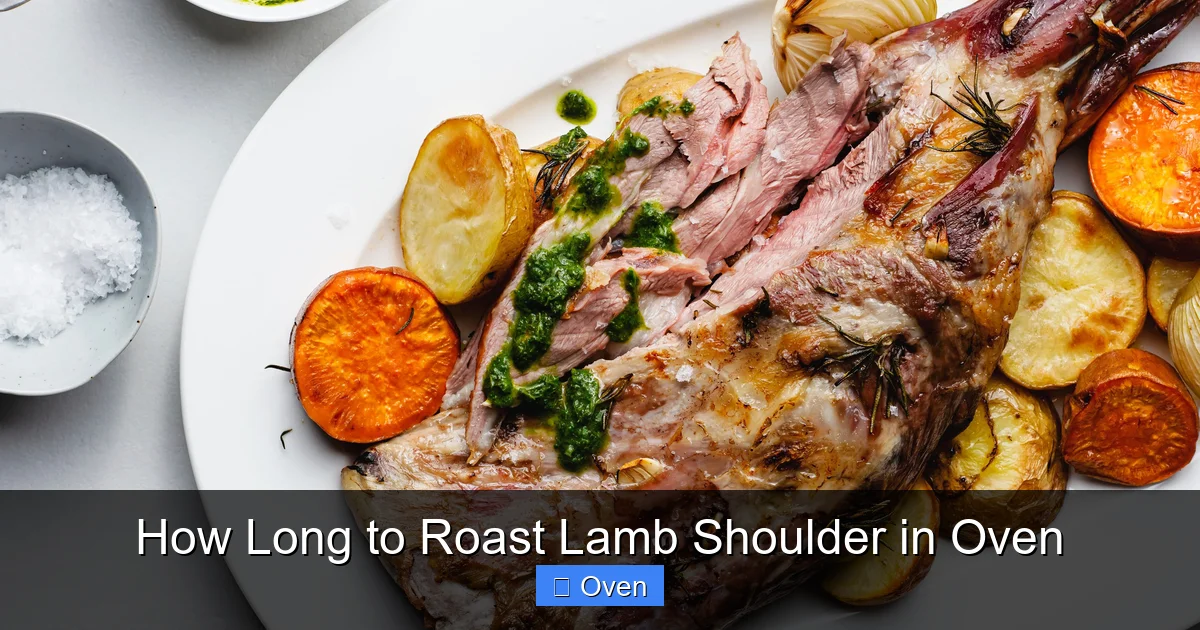
Roasting a lamb shoulder to perfection is easier than you think. By following the right temperature, cooking time, and a few simple tricks, you’ll get a succulent, fall‑apart roast every time. Read on for a step‑by‑step guide on how long to roast lamb shoulder in oven and how to customize the flavor.
Key Takeaways
- Ideal temperature: Start high (450°F/230°C) then finish low (300°F/150°C) for the best crust and tenderness.
- Cooking time range: Expect 3‑4 hours total for a 4‑lb shoulder, depending on desired doneness.
- Resting matters: Let the roast rest 20‑30 minutes before carving to lock in juices.
- Flavor boosters: Marinate, rub, or baste with herbs, garlic, and citrus for extra depth.
- Check doneness: Use a meat thermometer – 145°F (63°C) for medium‑rare, 160°F (71°C) for medium.
- Side dish pairing: Roast root vegetables alongside the lamb for a complete meal.
- Leftover ideas: Shred leftover lamb for tacos, salads, or hearty sandwiches.
📑 Table of Contents
- Introduction: Why Lamb Shoulder Is a Star Player
- 1. Picking the Perfect Lamb Shoulder
- 2. Preparing the Lamb Shoulder for the Oven
- 3. The Oven Temperature Playbook
- 4. Monitoring Doneness Without Guesswork
- 5. Turning the Roast Into a Complete Meal
- 6. Troubleshooting Common Issues
- Conclusion: Your Go‑To Guide for Perfect Lamb Shoulder
Introduction: Why Lamb Shoulder Is a Star Player
When you think of holiday feasts or cozy weekend dinners, lamb often takes a back seat to beef or chicken. Yet the shoulder cut is a hidden gem. It’s marbled with just enough fat to stay moist, and the connective tissue breaks down beautifully when cooked low and slow. The result? A roast that’s juicy, flavorful, and easy to pull apart with a fork.
But the biggest question that pops up in every kitchen is the same: how long to roast lamb shoulder in oven without ending up dry or undercooked? The answer depends on size, temperature, and whether you like a pink center or fully cooked meat. Below, we’ll walk through every step—from choosing the right shoulder to plating the final slice—so you can roast with confidence.
1. Picking the Perfect Lamb Shoulder
Bone‑in vs. boneless
A bone‑in shoulder usually yields more flavor because the marrow seeps into the meat as it cooks. If you prefer easier carving, go boneless. Both will work; just add 15‑20 minutes extra cooking time for a bone‑in cut.
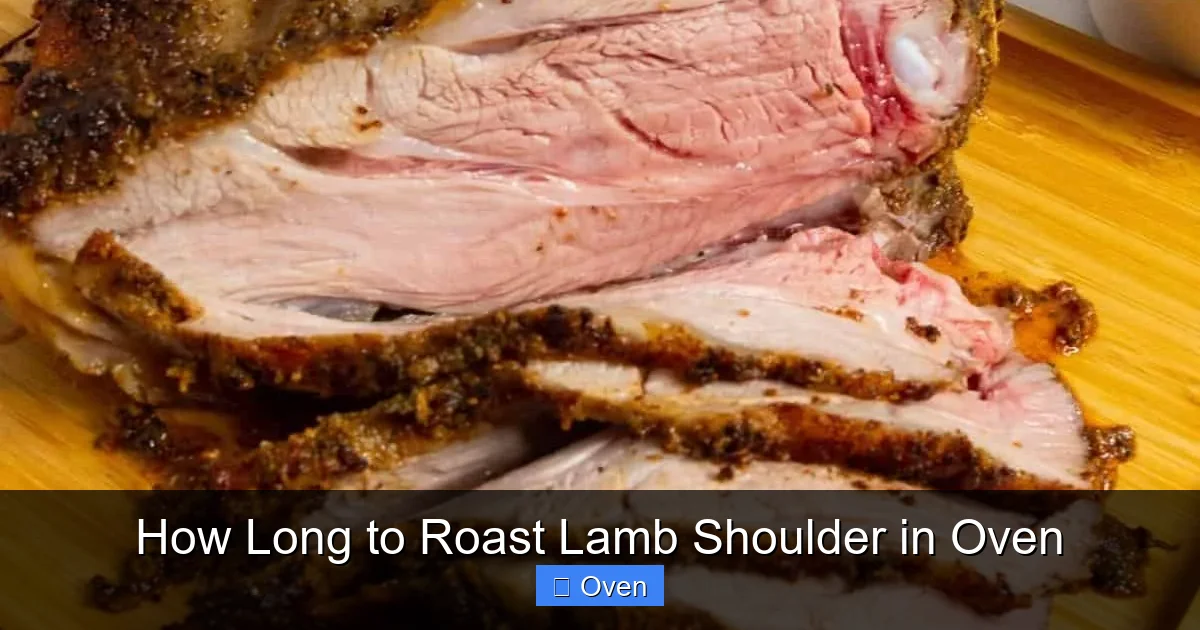
Visual guide about How Long to Roast Lamb Shoulder in Oven
Image source: veenaazmanov.com
Size matters
Most grocery stores sell shoulders ranging from 3 to 5 pounds. For a typical family dinner, a 4‑pound shoulder is ideal. The larger the roast, the longer it will need in the oven. As a rule of thumb, plan on 45‑50 minutes per pound at 300°F (150°C) after the initial high‑heat sear.
Quality check
- Look for a pink‑red color with a thin layer of white fat.
- Feel the meat; it should be firm but slightly yielding.
- Ask the butcher for a “shoulder roast” that’s trimmed but still has a good fat cap.
2. Preparing the Lamb Shoulder for the Oven
Seasoning basics
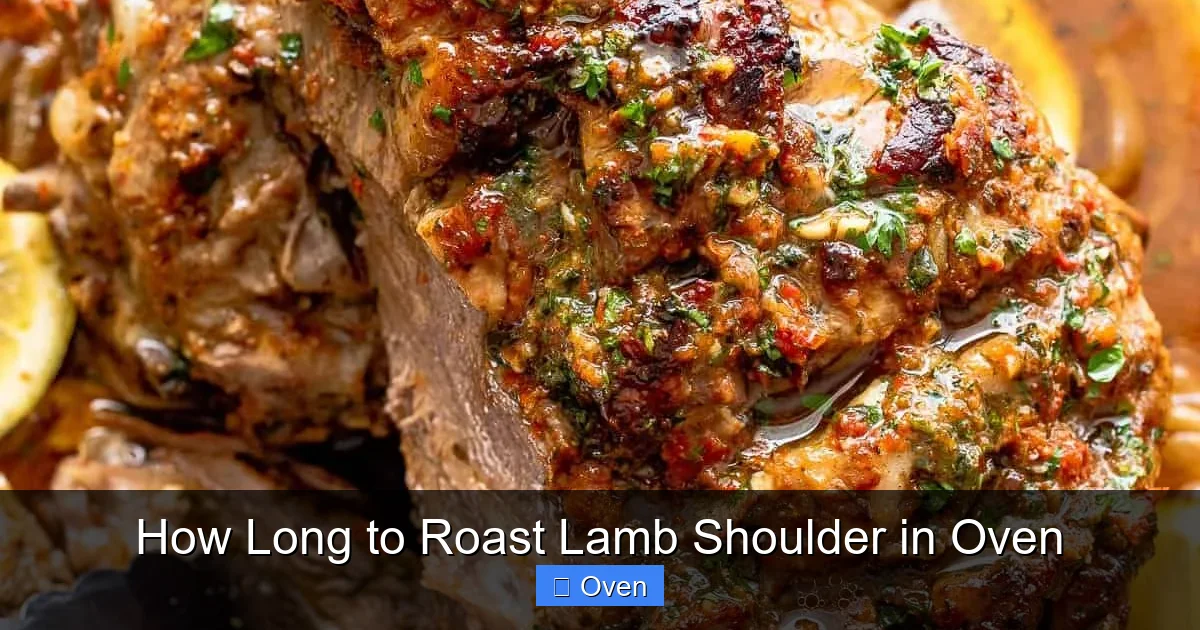
Simple is often best. A classic mix of salt, black pepper, minced garlic, rosemary, and lemon zest creates a fragrant crust. For a deeper flavor, rub the shoulder with olive oil, then coat it with the spice blend and let it rest uncovered in the fridge for at least 2 hours or overnight.
Visual guide about How Long to Roast Lamb Shoulder in Oven
Image source: diethood.com
Marinade ideas
If you have extra time, try a Mediterranean‑style marinade: red wine, olive oil, crushed garlic, oregano, and a splash of balsamic vinegar. Place the shoulder in a zip‑top bag, pour the marinade over, seal, and refrigerate for 12‑24 hours. The acid helps tenderize while the herbs infuse the meat.
Preparing the roasting pan
Use a heavy‑bottomed roasting pan with a rack. The rack lifts the meat, allowing hot air to circulate and fat to drip away, preventing soggy bottoms. Add a cup of water, broth, or wine to the pan to keep the environment moist—this also creates a tasty base for gravy later.
3. The Oven Temperature Playbook
High‑heat start
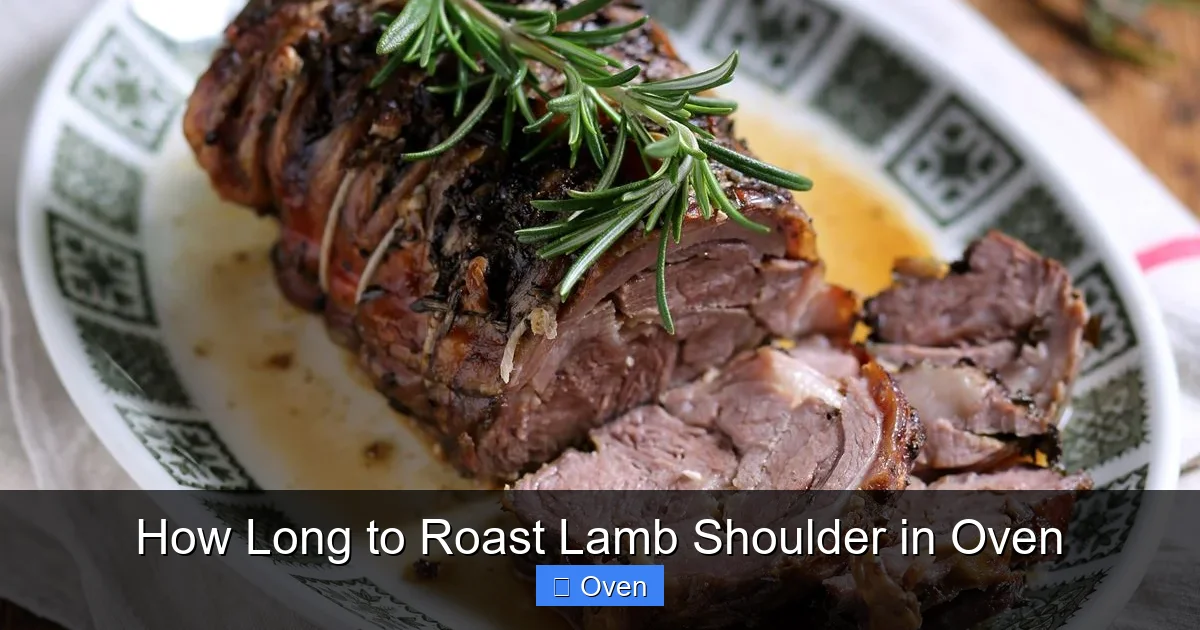
Preheat your oven to 450°F (230°C). Roast the shoulder uncovered for 20‑30 minutes. This blast creates a caramelized crust that locks in juices.
Visual guide about How Long to Roast Lamb Shoulder in Oven
Image source: abelandcole.co.uk
Lower the heat
After the initial sear, reduce the oven temperature to 300°F (150°C). This is where the magic happens: the meat slowly breaks down, becoming tender without drying out. At this stage, cover the shoulder loosely with foil if the crust is darkening too quickly.
How long to roast lamb shoulder in oven – the timeline
| Weight | Uncovered High‑Heat (min) | Low‑Heat (hrs) | Total Time |
|---|---|---|---|
| 3 lb | 20 | 2.0‑2.5 | 2.5‑3 hrs |
| 4 lb | 25 | 2.5‑3.0 | 3‑3.5 hrs |
| 5 lb | 30 | 3.0‑3.5 | 3.5‑4 hrs |
These times assume you’re aiming for medium‑rare (145°F/63°C). Add 15‑20 minutes for medium (160°F/71°C) or 30 minutes more for well‑done.
4. Monitoring Doneness Without Guesswork
Thermometer tips
Invest in an instant‑read meat thermometer. Insert it into the thickest part of the shoulder, avoiding the bone. When the internal temperature reaches 145°F (63°C), the roast is medium‑rare; 160°F (71°C) is medium; 170°F (77°C) is well done.
Visual cues
- The meat should pull away from the bone easily.
- The juices run clear, not pink.
- The surface is deeply browned but not burnt.
Resting is non‑negotiable
Once the thermometer hits your target, remove the shoulder and tent it with foil. Let it rest for 20‑30 minutes. The heat continues to redistribute, raising the internal temp by about 5°F and keeping the juices locked in.
5. Turning the Roast Into a Complete Meal
Roasted vegetables
While the lamb cooks, toss carrots, parsnips, and potatoes with olive oil, salt, and rosemary. Add them to the pan during the low‑heat phase; they’ll absorb the lamb’s juices and become sweet, caramelized sides.
Gravy made easy
After removing the meat, place the roasting pan on the stovetop over medium heat. Whisk in a tablespoon of flour, then slowly pour in the pan juices plus a cup of stock. Simmer until thickened, season to taste, and drizzle over sliced lamb.
Leftover inspiration
Shred any extra shoulder and use it in tacos, shepherd’s pie, or a Mediterranean salad with feta and olives. The tender meat stays moist even when reheated.
6. Troubleshooting Common Issues
Dry or tough meat
If the roast looks dry, it likely stayed too long at a high temperature. Next time, shorten the initial 450°F blast to 15 minutes and ensure the low‑heat phase stays at 300°F.
Undercooked center
Check the thermometer placement. If the tip is near the bone, it may read lower than the meat’s true temperature. Move the probe to the thickest muscle area for an accurate reading.
Flavor fatigue
Switch up herbs—swap rosemary for thyme, mint, or even a dash of cumin. Adding a splash of orange juice or pomegranate molasses can brighten the flavor profile.
Conclusion: Your Go‑To Guide for Perfect Lamb Shoulder
Now you know exactly how long to roast lamb shoulder in oven for every size, temperature, and level of doneness. By starting with a high‑heat sear, finishing low and slow, and respecting the resting period, you’ll consistently produce a roast that’s tender, juicy, and full of flavor. Pair it with roasted veggies, a simple gravy, and perhaps a glass of red wine, and you have a meal worth celebrating.
Ready to try it tonight? Grab that shoulder, set your oven, and enjoy the aroma filling your kitchen. Happy roasting!
Frequently Asked Questions
What temperature should I set my oven to for the initial sear?
Preheat the oven to 450°F (230°C) and roast the lamb shoulder uncovered for 20‑30 minutes to develop a flavorful crust.
How can I tell when the lamb shoulder is done without a thermometer?
Look for a deep brown crust, clear juices, and meat that pulls away from the bone easily. However, a thermometer is the most reliable method.
Can I use the same method for a boneless lamb shoulder?
Yes—just add about 15‑20 minutes to the total cooking time because boneless meat tends to cook a little faster.
Is it okay to add vegetables to the roasting pan?
Absolutely. Add carrots, potatoes, and onions during the low‑heat phase; they will soak up the lamb’s juices and become perfect side dishes.
Should I cover the lamb with foil the whole time?
No. Keep it uncovered for the first 20‑30 minutes for a crust, then you may loosely tent with foil if the surface darkens too quickly.
How long should I let the roast rest before carving?
Rest the lamb shoulder for 20‑30 minutes, tented with foil. This lets the juices redistribute and makes carving easier.
—
For more cooking tips, check out our guide on how to roast in an air fryer, learn how long to cook beef taquitos in an air fryer, and discover how long to cook yellow potatoes in an air fryer for side‑dish inspiration.