How to Make Turkey Jerky in the Oven
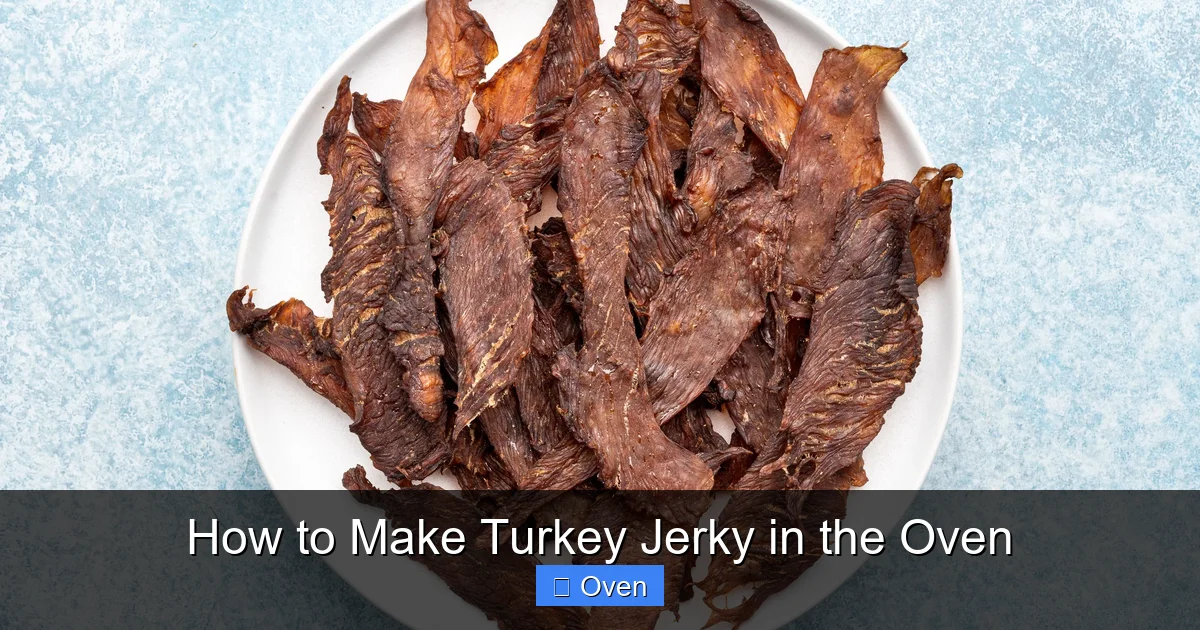
Making turkey jerky in the oven is easier than you think! This lean, protein-packed snack requires just a few ingredients and basic kitchen tools. With our simple method, you’ll have delicious homemade turkey jerky ready in just a few hours.
Key Takeaways
- Choose lean turkey: Use turkey breast or thigh meat with minimal fat for best results
- Proper slicing technique: Freeze turkey partially before slicing against the grain for tender jerky
- Marinade matters: A simple marinade of soy sauce, spices, and liquid smoke creates amazing flavor
- Low oven temperature: Set oven to 170°F for slow, even drying without cooking the meat
- Patience is key: Allow 4-6 hours for proper dehydration and safe storage
- Storage tips: Keep jerky in airtight containers at room temperature for up to 2 weeks
- Safety first: Ensure jerky reaches proper dryness to prevent bacterial growth
📑 Table of Contents
Introduction to Homemade Turkey Jerky
Making turkey jerky in the oven might sound intimidating, but trust me, it’s one of the easiest and most rewarding kitchen projects you can tackle. There’s something incredibly satisfying about creating your own protein-packed snacks at home. Store-bought jerky often contains preservatives and mysterious ingredients, but homemade turkey jerky lets you control exactly what goes into your food.
I remember the first time I tried making turkey jerky in the oven. I was skeptical about whether it would actually work without a dehydrator. But after a few batches, I became hooked on the process. Not only is it cost-effective, but you can customize flavors to match your taste buds perfectly. Whether you prefer spicy, sweet, or savory, homemade turkey jerky gives you complete creative freedom.
The beauty of this method lies in its simplicity. You don’t need fancy equipment or hard-to-find ingredients. Just basic kitchen tools and some patience will reward you with delicious, healthy snacks that store beautifully. Plus, knowing how to make turkey jerky in the oven opens up endless possibilities for portable protein options.
Choosing the Right Turkey for Perfect Jerky
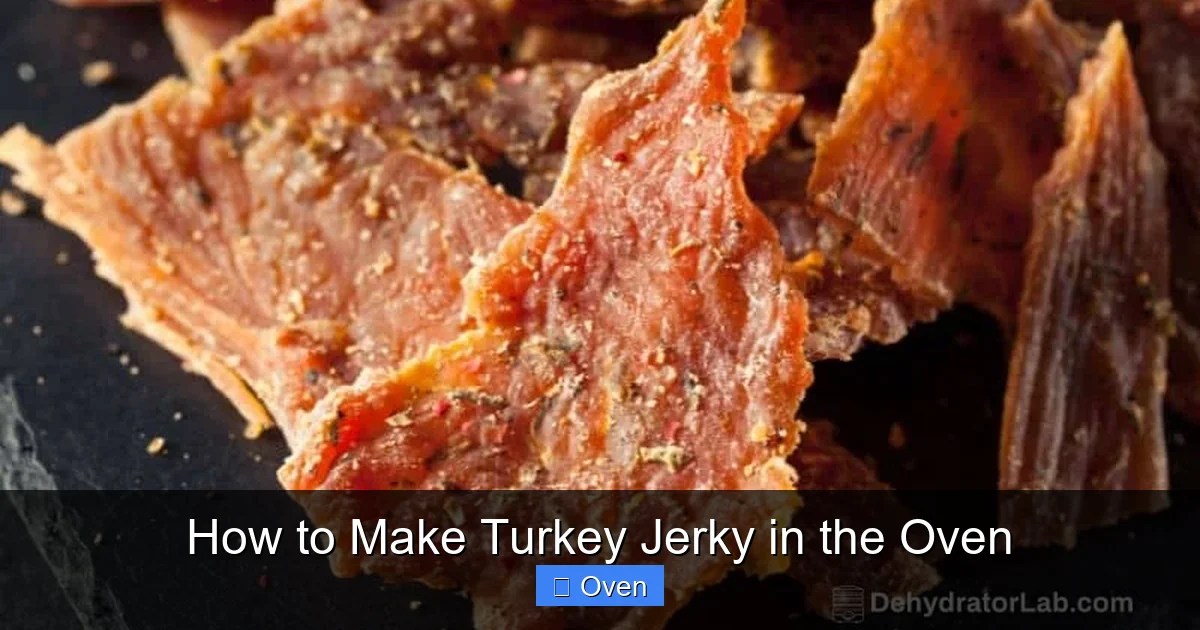
Visual guide about How to Make Turkey Jerky in the Oven
Image source: dehydratorlab.com
Selecting Lean Turkey Cuts
The foundation of great turkey jerky starts with choosing the right cut of meat. Lean turkey breast is your best option for making turkey jerky in the oven. Look for meat that has minimal visible fat marbling. Fat doesn’t dehydrate well and can cause spoilage issues.
Turkey thigh meat can also work, but it’s slightly fattier than breast meat. If using thighs, trim away any excess fat before preparation. Ground turkey isn’t recommended for traditional jerky making since it lacks the proper texture.
When shopping, choose fresh, high-quality turkey from reputable sources. Organic or free-range options are excellent choices if available. The meat should have a pinkish color and firm texture. Avoid any meat that looks discolored or has an off smell.
Understanding Turkey Quality
Fresh turkey will always produce better results than frozen and thawed meat. However, if you’re working with frozen turkey, that’s perfectly fine too. Many experienced jerky makers actually prefer partially frozen meat for easier slicing.
Check the use-by date and try to prepare your turkey jerky within a day or two of purchase. Older meat may not absorb marinades as effectively. When learning how to make turkey jerky in the oven, starting with quality ingredients makes everything else much simpler.
Preparing Your Turkey for Jerky
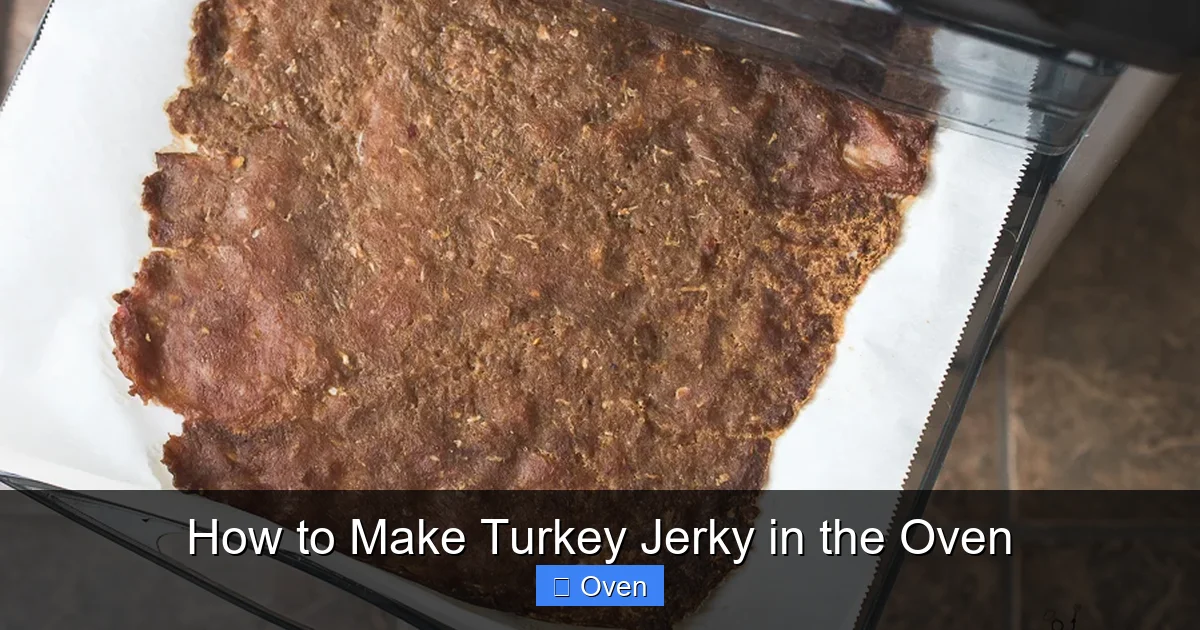
Visual guide about How to Make Turkey Jerky in the Oven
Image source: 1.bp.blogspot.com
Slicing Techniques for Tender Jerky
Proper slicing is crucial for making turkey jerky in the oven. The key is cutting against the grain. Look at your turkey and identify the muscle fibers running through the meat. Cut perpendicular to these fibers for the most tender final product.
Slice your turkey approximately 1/4 inch thick. Consistency matters here. If some pieces are too thick, they won’t dry properly. Too thin, and they’ll become overly brittle. A sharp knife makes this process much easier and safer.
If you’re struggling with slicing, partially freeze your turkey for 1-2 hours before cutting. This firms up the meat and makes clean cuts much more manageable. Many people find this technique helpful when learning how to make turkey jerky in the oven.
Safety and Cleanliness
Always wash your hands before and after handling raw turkey. Clean all surfaces and utensils thoroughly with hot, soapy water. Raw turkey can carry bacteria that you definitely want to avoid spreading around your kitchen.
Work on clean cutting boards and use separate knives for raw meat and other ingredients. These simple precautions ensure your homemade turkey jerky is not only delicious but safe to eat.
Crafting the Perfect Marinade
Essential Marinade Components
A great marinade transforms simple turkey into incredible jerky. For turkey jerky in the oven, you’ll want a balance of salt, sweetness, and umami flavors. Soy sauce or tamari forms the base, providing saltiness and helping preserve the meat.
Liquid smoke adds that classic jerky flavor without needing an actual smoker. Just a few drops go a long way. You can find liquid smoke in most grocery stores near barbecue sauces and seasonings.
Flavor Variations to Try
Sweet and spicy combinations work wonderfully for turkey jerky. Add a bit of honey or maple syrup with red pepper flakes for complexity. Teriyaki-style marinades incorporate ginger and garlic for Asian-inspired flavors.
For something different, try adding Worcestershire sauce, black pepper, or even a touch of hot sauce. The possibilities are endless when you know how to make turkey jerky in the oven. Experiment with small batches until you find your perfect combination.
The Marinating Process
Timing Your Marinade
Marinating time significantly impacts flavor intensity when making turkey jerky in the oven. For most recipes, 4-12 hours works well. Overnight marinating (8-12 hours) produces the deepest flavor penetration.
If you’re short on time, even 2-4 hours will give you decent flavor. The turkey won’t be quite as intense, but it will still be delicious. Don’t marinate for more than 24 hours, as the salt can begin to cure the meat too much.
Proper Marinating Technique
Place your turkey slices in a shallow dish or resealable bag. Pour marinade over the meat, ensuring every piece gets coated evenly. Gently massage the marinade into thicker sections.
Refrigerate during marinating to keep everything safe and cold. This slow process allows flavors to penetrate deeply without rushing. When you understand how to make turkey jerky in the oven, timing becomes second nature.
Drying Turkey Jerky in Your Oven
Preparing Your Oven
Setting up your oven correctly is essential for successful turkey jerky. Most ovens won’t go below 170°F, which is perfect for this process. Preheat your oven to this lowest temperature setting.
Line baking sheets with parchment paper or silicone mats. This prevents sticking and makes cleanup easier. Arrange oven racks so you have maximum space for multiple trays.
Proper Arrangement and Spacing
Lay turkey strips in a single layer without overlapping. Crowding prevents proper air circulation, leading to uneven drying. Leave about 1/4 inch between pieces for optimal results.
Place baking sheets in the oven, keeping them away from direct heat sources. Rotate trays halfway through the drying process. This ensures even drying on all sides when making turkey jerky in the oven.
Drying Time and Temperature
Plan for 4-6 hours of drying time depending on your oven and slice thickness. The jerky should be dry to the touch but still pliable. When bent, it shouldn’t snap easily.
Start checking after 3 hours. Remove pieces that feel done and let others continue drying. Oven temperatures can vary, so visual cues are more reliable than timers alone.
Testing Doneness and Storage
How to Tell When Jerky is Ready
Properly dried turkey jerky has specific characteristics. It should feel dry but not rock hard. When bent, it cracks slightly but doesn’t break completely. There should be no moist spots when you tear a piece apart.
The color should be deep golden to brown, depending on your marinade. If pieces feel sticky or tacky, they need more time. Under-dried jerky can spoil quickly, so err on the side of caution.
Cooling and Storing Your Creation
Let your turkey jerky cool completely before storing. This prevents condensation, which can make jerky soggy. Room temperature cooling takes about 30 minutes.
Store in airtight containers at room temperature for up to two weeks. For longer storage, refrigerate for up to a month. Vacuum-sealed bags work excellently for maximizing shelf life.
Tips for Success and Common Mistakes
Avoiding Typical Errors
One common mistake is slicing turkey too thick. Pieces thicker than 1/4 inch often remain too moist inside. Another error involves overcrowding baking sheets, preventing proper air circulation.
Not marinating long enough leads to bland jerky. On the flip side, over-marinating can make meat too salty. Finding that sweet spot takes practice when learning how to make turkey jerky in the oven.
Enhancing Your Jerky Game
Try different spice blends to keep things interesting. Smoked paprika, cumin, or curry powder can create unique flavor profiles. Adding citrus zest brightens up heavier marinades beautifully.
Keep detailed notes of successful batches. Write down marinade ratios, timing, and any adjustments you make. This reference helps recreate perfect batches consistently.
Making turkey jerky in the oven connects you to traditional food preservation methods while creating modern, healthy snacks. Once you master this skill, you’ll wonder why you ever bought store-bought jerky. The satisfaction of homemade, customized protein snacks is well worth the effort.
Frequently Asked Questions
What temperature should I use to make turkey jerky in the oven?
Set your oven to 170°F, which is typically the lowest temperature setting. This allows for slow, even drying without actually cooking the turkey. Higher temperatures can cook the exterior while leaving the interior moist.
How long does it take to make turkey jerky in the oven?
Drying time usually ranges from 4-6 hours depending on slice thickness and your specific oven. Start checking after 3 hours and remove pieces as they reach proper dryness. Thinner slices dry faster than thicker ones.
Can I use ground turkey to make jerky in the oven?
Ground turkey isn’t ideal for traditional jerky making because it lacks the proper texture. Stick with sliced turkey breast or thigh meat for best results. The slicing method creates the characteristic jerky chew and appearance.
How do I know when turkey jerky is properly dried?
Properly dried jerky should be dry to the touch but still pliable. When you bend a piece, it should crack slightly but not snap completely. There should be no moist spots visible when you tear it open.
What’s the best way to store homemade turkey jerky?
Store cooled turkey jerky in airtight containers at room temperature for up to two weeks. For longer storage, refrigerate for up to a month. Make sure jerky is completely cooled before storing to prevent condensation buildup.
Can I use different marinades for turkey jerky?
Absolutely! Experiment with teriyaki, spicy sriracha, or honey mustard marinades. Just maintain the basic ratio of salty, sweet, and umami components. Different flavors keep homemade jerky exciting and varied.