How to Properly Dispose of a Toaster Oven

Disposing of a toaster oven can be tricky, but with the right steps you can recycle, donate, or safely discard it. This guide walks you through checking local regulations, preparing the appliance, and choosing the best disposal method.
When a kitchen appliance like a toaster oven reaches the end of its life, it can be easy to simply toss it into the trash. However, that action can have lasting negative effects on the environment and may even be illegal in your area. Taking a moment to understand how to properly dispose of a toaster oven can make a big difference.
This guide will walk you through each step, from preparing the unit to finding recycling centers, donating it, or using manufacturer programs. By following these instructions, you will help keep harmful materials out of landfills and give useful components a second chance.
Key Takeaways
- Unplug and let the toaster oven cool completely before you start. This prevents burns and electrical hazards.
- Remove detachable parts such as crumb trays and racks. These can often be washed and reused or recycled separately.
- Check your city or county e‑waste program for drop‑off locations. Many have special collection days for appliances.
- If the unit still works, consider donating it to a local charity or community center. Giving it a second life reduces waste.
- Look for manufacturer take‑back or retailer recycling options. Some brands offer free shipping for recycling.
- Dispose of any non‑recyclable components like plastic casings in the regular trash. Follow local guidelines for hazardous materials.
📑 Table of Contents
Why Proper Disposal of a Toaster Oven Matters
Many people do not realize that a toaster oven contains a mix of metals, plastics, and electronic circuitry. When these items are thrown into a standard trash bin, they can leach chemicals into the soil or release harmful gases when burned. Proper disposal ensures that these materials are either recycled or handled in a safe way.
In addition, recycling programs can recover valuable metals like copper and aluminum, which can be used to manufacture new products. This reduces the need for mining and lowers the overall carbon footprint. For a step‑by‑step overview, see our article on how to get rid of a toaster oven.
Local regulations often classify appliances as e‑waste, requiring special handling. Ignoring these rules can result in fines or the appliance being rejected at the landfill, leaving you with an unwanted item in your home. Moreover, improper disposal can pose health risks to sanitation workers who come into contact with sharp edges or toxic substances.
By taking responsibility for the end‑of‑life of your toaster oven, you contribute to a circular economy where materials are reused rather than discarded. This not only protects the environment but also supports community recycling initiatives. The economic benefits of recycling also include job creation in the waste management sector and reduced costs for raw material extraction.
Furthermore, many jurisdictions have strict e‑waste laws that can impose penalties on residents who illegally dump appliances. Familiarizing yourself with these regulations helps avoid legal trouble and promotes a cleaner neighborhood. Every appliance recycled helps protect ecosystems.
How to Prepare Your Toaster Oven for Disposal
Unplug and Let It Cool
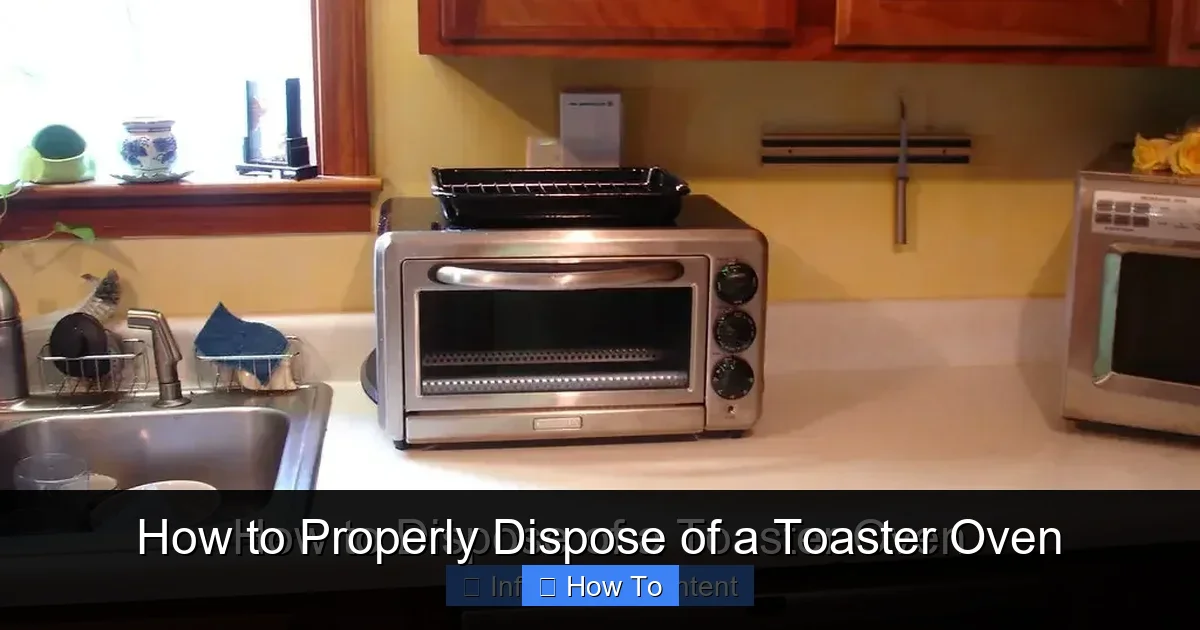
Before doing anything else, locate the power cord and pull it from the wall outlet. Allow the toaster oven to sit for at least one hour. The exterior and interior can stay hot for a long time, so touching it prematurely could cause burns. If you need to move the unit quickly, use oven mitts and handle it with care. Wearing heat‑resistant gloves can provide extra protection.
Visual guide about How to Properly Dispose of a Toaster Oven
Image source: ovensense.com
Remove Detachable Components
Most models have racks, crumb trays, and sometimes a glass door that can be taken out. Place these parts in a safe spot. They can often be washed and reused, or they may be accepted separately by recycling centers. If you need guidance on cleaning these pieces, check out our tutorial on how to clean a ninja toaster oven. Remember to separate metal parts from plastic ones, as they may be recycled in different streams.
Clean the Interior
Even if the appliance is no longer working, it is a good idea to wipe away any crumbs or grease. A simple mixture of warm water and mild dish soap works well. Avoid using abrasive pads that could scratch the surface. Cleaning not only makes handling safer but also prevents odors during transport. For stubborn residue, let the soapy water sit for a few minutes before wiping. You can also use a soft brush to dislodge stuck‑on debris.
Check for Manufacturer Labels
Look for a label on the back or bottom that lists the model number and any recycling symbols. Some brands include a QR code that leads to a recycling portal. Write down the model number; it may be needed when you contact the manufacturer. If the label is missing, you can often find the information in the user manual or on the brand’s website. Having the model number handy can speed up the recycling process.
In some cases, the label may also indicate whether the appliance contains any hazardous materials that require special handling. Pay attention to any warnings and follow them closely to ensure safety.
Recycling and E‑Waste Options
Communities often provide drop‑off locations for electronic waste. These sites accept appliances like toaster ovens and ensure they are processed correctly. You can search online for “e‑waste recycling near me” or call your local waste management department. Many programs also offer a schedule of collection events throughout the year. Some cities even have a dedicated e‑waste center that operates daily.
Visual guide about How to Properly Dispose of a Toaster Oven
Image source: kitchenfact.com
Some cities have permanent e‑waste centers where you can bring your toaster oven any time during business hours. Others rely on periodic collection days, so it is important to check the calendar. In addition, some retailers offer mail‑in recycling programs. When you buy a new appliance, ask if the store will take your old one for recycling. Mail‑in programs often provide a prepaid shipping label, making the process hassle‑free.
For more ideas on what to do with an old unit, explore our guide on what to do with a toaster oven. This article covers donation, selling, and creative reuse options that might suit your situation. You might be surprised at how many ways an old toaster oven can find a new home.
Manufacturer Take‑Back Programs
Some manufacturers run take‑back initiatives where they will pick up your old toaster oven for a fee or sometimes for free. Visit the brand’s website and look for a “Recycling” or “Take‑Back” section. You may need to fill out a form and wait for a shipping label. Once you receive the label, pack the appliance securely and drop it off at the nearest shipping center. These programs often ensure that the appliance is dismantled and its components are recycled responsibly.
Retailer Recycling
Large appliance stores often accept old units when you purchase a new one. This service is typically free and ensures the appliance is recycled properly. Ask the salesperson about their policy before you buy. Some stores even offer a discount on your new purchase when you bring in an old appliance. Retailer recycling programs are convenient because they handle the logistics for you.
Recycling through a retailer can also reduce the carbon footprint associated with transportation, as the store often has a centralized collection point. This makes it an eco‑friendly choice for many consumers.
Donating, Selling, or Giving Away a Working Toaster Oven
If your toaster oven still heats and the timer functions, consider giving it a second life. Local charities, schools, and community centers often accept working appliances. You can also list it on online marketplaces at a low price. Before donating, clean the unit thoroughly and include any accessories like racks or trays. A well‑presented appliance is more likely to find a new owner quickly.
Visual guide about How to Properly Dispose of a Toaster Oven
Image source: kitchenfact.com
Where to Donate
Check with local food banks, shelters, or thrift stores. Many organizations have a list of needed items and will schedule a pickup. Some even offer a tax deduction for donated appliances. When you donate, be sure to provide proof of the appliance’s value for tax purposes. Keeping a receipt can also protect you if the organization loses the item.
Selling Online
Platforms such as Craigslist, Facebook Marketplace, and eBay allow you to post photos and a brief description. Be honest about the condition and include any known issues. Pricing it reasonably will increase the chances of a quick sale. If you are not comfortable meeting strangers, consider using a local buy‑nothing group where neighbors exchange items for free. These groups often have a friendly atmosphere and can be a great way to give away an appliance without the hassle of shipping.
When selling online, be sure to include clear photos from multiple angles and disclose any wear or damage. Transparency builds trust with potential buyers and can lead to a faster transaction.
Manufacturer Take‑Back and Retailer Recycling
As mentioned earlier, some manufacturers run take‑back programs. These programs often provide a prepaid shipping label. After you print the label and pack the toaster oven, you can drop it off at a nearby UPS or FedEx location. The process is straightforward and ensures the appliance is recycled in an environmentally friendly way. Some manufacturers also offer a small rebate for participating in their recycling program.
Retailers may also offer in‑store recycling. When you purchase a new toaster oven, ask if the store will accept your old unit. This option is convenient and ensures the appliance is processed correctly. Some retailers even provide a small incentive, such as a discount on your next purchase, for recycling an old appliance. In‑store recycling reduces the need for transportation and handling by the consumer.
Participating in manufacturer or retailer recycling can also help you stay compliant with local e‑waste regulations, as these programs often handle the necessary paperwork and disposal on your behalf.
Final Disposal and Safety Considerations
If none of the recycling or donation options work, you may need to dispose of the toaster oven in the regular trash. However, this should be a last resort. Before throwing it away, remove any batteries or electronic components that could be hazardous. Some components, such as the heating element, may be accepted by a scrap metal dealer. Contact local scrap yards to see if they accept toaster oven parts. Scrap yards often pay by weight, so you might even earn a small amount of money.
Always follow local guidelines for disposing of e‑waste. Some areas require that appliances be placed at the curb on a specific day, while others need to be taken to a designated facility. Ignoring these rules can result in fines or the appliance being rejected at the landfill. When you place the toaster oven at the curb, ensure it is not blocking the sidewalk or driveway. If you are unsure, call your waste management department for clarification.
Environmental Impact
Properly disposing of a toaster oven reduces the amount of waste sent to landfills and conserves natural resources. By recycling metals and plastics, we decrease the demand for raw materials and lower greenhouse gas emissions. Each small action contributes to a healthier planet. Additionally, recycling programs create jobs in the waste management and manufacturing sectors. The reduction in landfill waste also lessens the risk of soil and water contamination.
Choosing to recycle rather than landfill not only helps the environment but also supports the development of a circular economy where materials are continuously reused. This shift towards sustainability is essential for future generations.
Conclusion
Taking the time to dispose of a toaster oven correctly is a simple yet impactful way to protect the environment and comply with local laws. By following the steps outlined—unplugging, cleaning, exploring recycling options, considering donation, and using manufacturer or retailer programs—you can ensure your appliance is handled responsibly. Remember to check your community’s e‑waste guidelines and take advantage of any available take‑back services. With a little effort, you can dispose of your toaster oven safely and sustainably. Your actions today help create a cleaner tomorrow for everyone. By making responsible choices, you contribute to a more sustainable future for generations to come. Each decision you make, no matter how small, adds up to a larger positive impact on our planet. Together, we can reduce electronic waste and preserve our natural resources.
Frequently Asked Questions
Can I throw a toaster oven in the regular trash?
In many places, throwing a toaster oven in the regular trash is not allowed because it is considered e‑waste. Check your local regulations to see if a special drop‑off or collection day is required.
How do I find a recycling center near me?
You can search online for “e‑waste recycling near me” or contact your city’s waste management department. Many municipalities list drop‑off locations and hours on their websites.
Is it safe to donate a toaster oven that still works?
Yes, as long as the unit is clean and in good working condition. Before donating, remove any food residue and ensure all accessories are included. Many charities accept working appliances.
What should I do if my toaster oven has a broken heating element?
If the heating element is broken, the appliance is likely not safe to use. You can still recycle it through an e‑waste program; the broken part will be handled separately.
Are there any fees for manufacturer take‑back programs?
Some manufacturers charge a fee for take‑back, while others offer it for free. Visit the brand’s website to see the specific terms and any applicable costs.
How can I prepare my toaster oven for recycling?
Unplug the unit, let it cool, and remove detachable parts like racks and crumb trays. Clean the interior and check for any labels that provide recycling instructions.