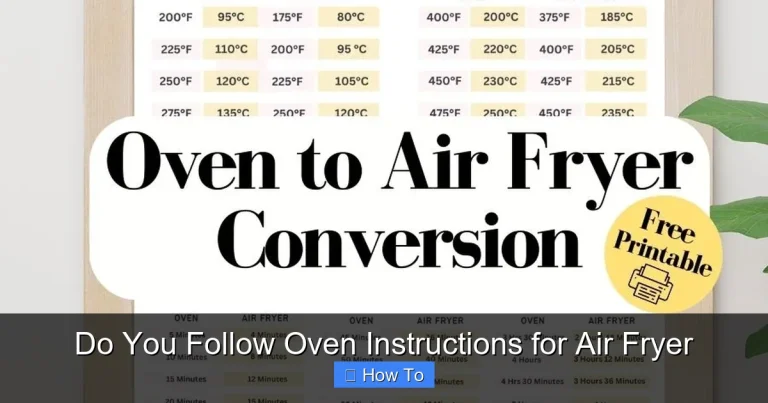
How to Work Toaster Oven
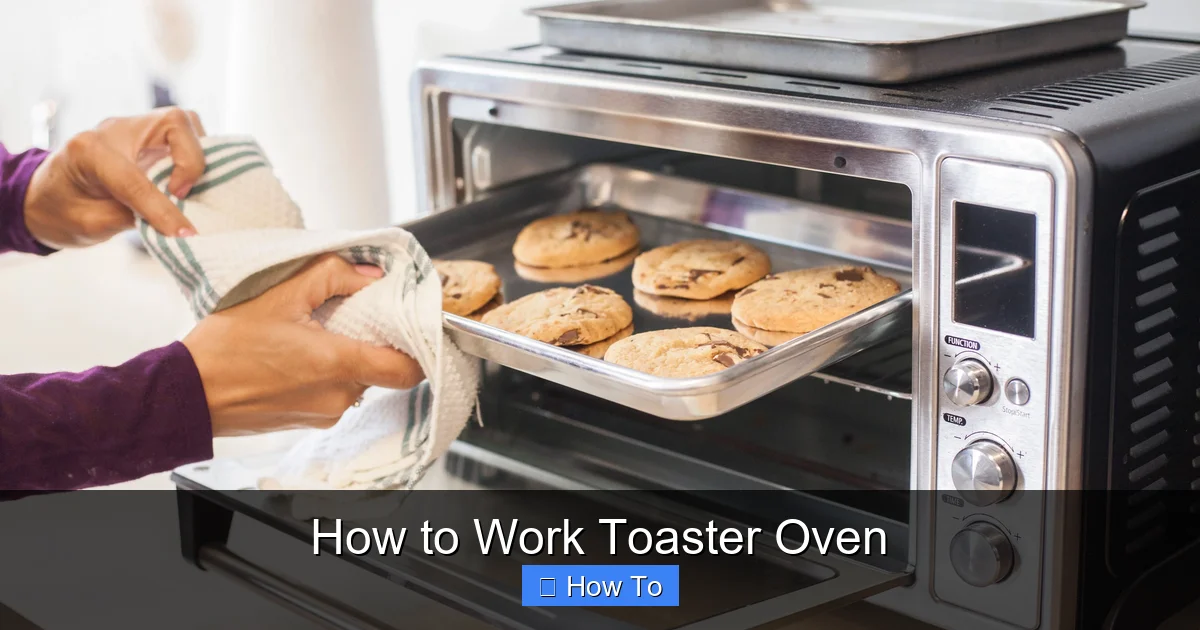
Discover how to master your toaster oven with simple settings, handy tips, and tasty recipes. This guide walks you through every function, from toasting to baking, so you can get perfect results every time.
Key Takeaways
- Understand the modes: Learn toast, bake, broil, and air fry settings.
- Set temperature correctly: Use the dial or digital display for accurate heat.
- Use proper rack placement: Adjust the rack for even cooking.
- Preheat when needed: Some recipes benefit from preheating.
- Experiment with recipes: Try quick snacks, meals, and desserts.
- Clean regularly: Keep the crumb tray and interior free of residue.
📑 Table of Contents
Introduction
Are you ready to unlock the full potential of your toaster oven? This compact appliance can do much more than toast bread. It can bake, broil, and even air fry, making it a versatile addition to any kitchen.
In this guide, we will walk you through each function, share handy tips, and provide tasty recipes. By the end, you will feel confident using your toaster oven for everyday meals and special occasions.
Understanding Your Toaster Oven
What Is a Toaster Oven?
A toaster oven is a small electric oven that sits on your countertop. It combines the functions of a traditional toaster with those of a conventional oven. The heating elements are located at the top and bottom, allowing it to toast, bake, and broil.
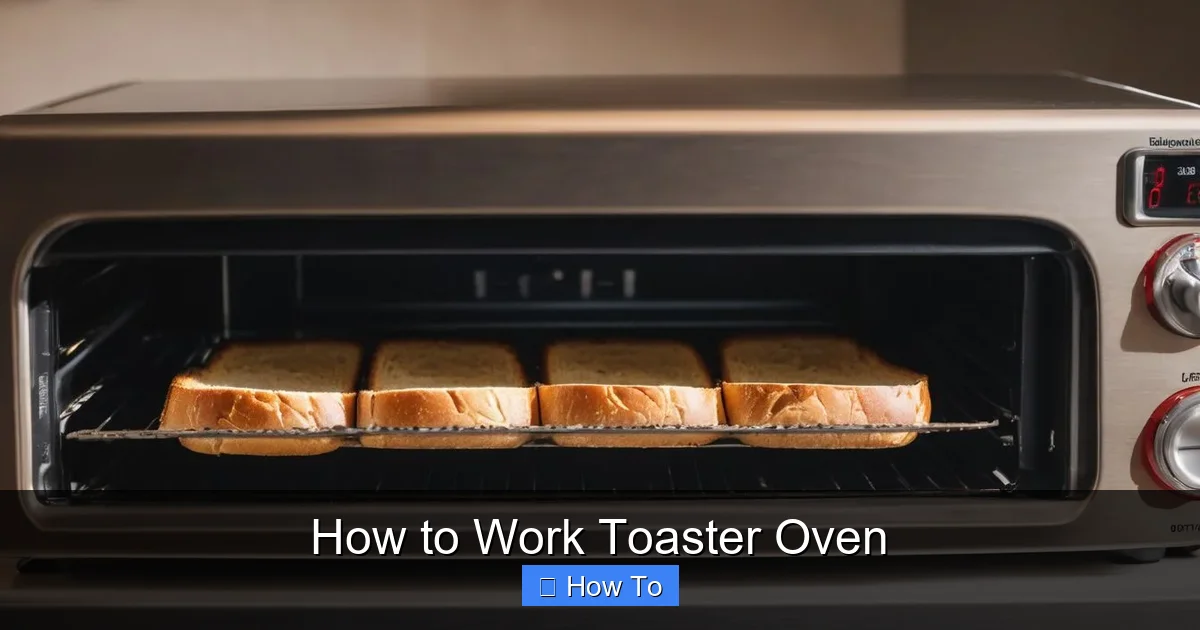
Visual guide about How to Work Toaster Oven
Image source: amazingfoodanddrink.com
Main Parts
The key components include the heating elements, the rack, the crumb tray, and the control panel. The door seals in heat, while the interior light lets you check on your food. Knowing these parts helps you use the oven safely and effectively.
Always unplug the oven before cleaning and avoid touching the heating elements while they are hot. Keep the oven away from flammable objects and never cover the vents during operation.
The size of the interior determines how much food you can cook at once. Most models can fit a 12‑inch pizza or a small casserole dish, but check the dimensions before buying.
Using a toaster oven can be more energy‑efficient than heating a full‑size oven for small meals, which can help reduce your electricity bill.
To learn more about how a toaster oven works, you can explore detailed diagrams and explanations.
Getting Started with Controls
Choosing the Right Mode
Most toaster ovens offer several modes such as Toast, Bake, Broil, and Air Fry. Each mode adjusts the heating elements to suit different foods. For example, Toast uses both elements to brown bread, while Bake relies on the bottom element for even cooking.
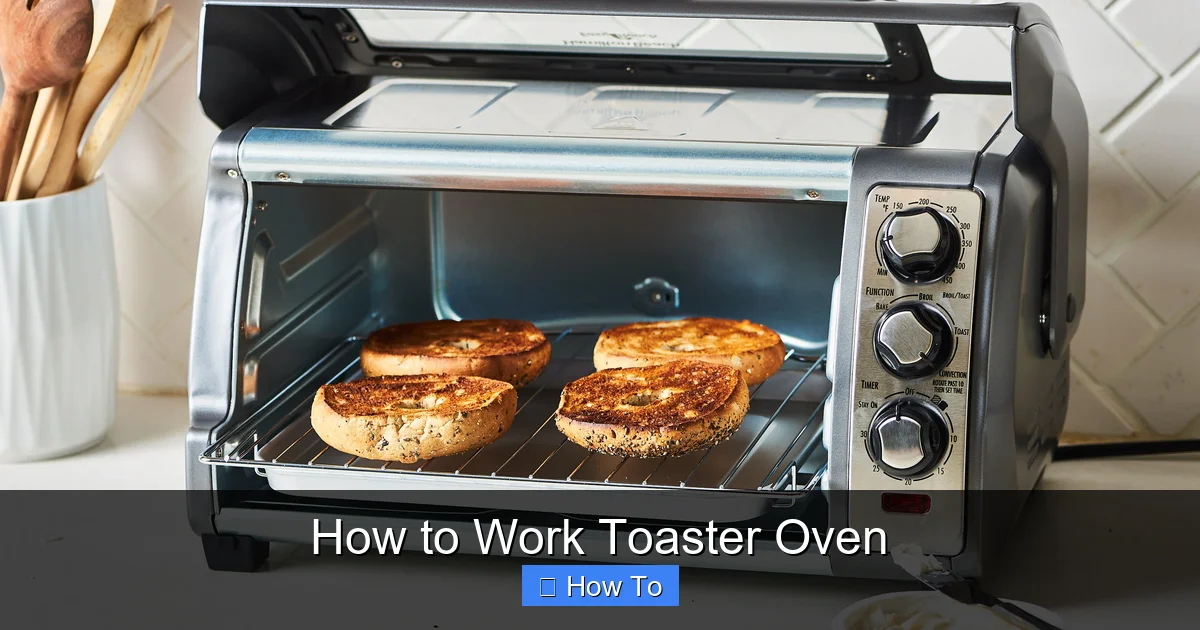
Visual guide about How to Work Toaster Oven
Image source: storage.googleapis.com
Setting Temperature and Timer
Temperature is usually set in degrees Fahrenheit, ranging from 150°F to 450°F. The timer can be a dial or digital display. Always start with the recommended temperature for your recipe, then adjust if needed.
Tip: Use an oven thermometer if you want to verify the actual temperature inside.
Many ovens include preset functions like “Pizza” or “Cookies” that automatically set the temperature and time. You can use these as a starting point and tweak them to your taste.
If your oven has a digital display, you may be able to calibrate it for more accurate readings. Refer to the manual for instructions on how to adjust the temperature offset.
The timer often has a “keep warm” feature that maintains a low temperature after cooking, which is useful if you need to hold food before serving.
Cooking Basics
Toasting Bread
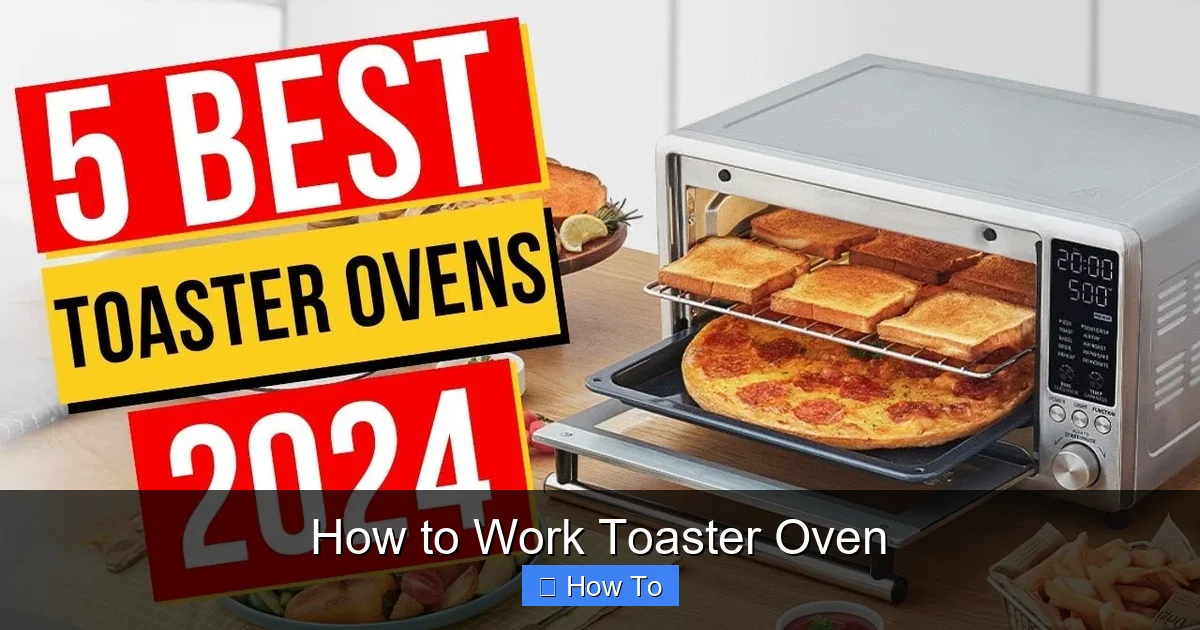
To toast bread, place the slice on the rack and select the Toast mode. Set the darkness level from light to dark. The oven will automatically stop when the timer ends. For bagels, use the Bagel setting if available, which toasts the cut side longer.
Visual guide about How to Work Toaster Oven
Image source: i.ytimg.com
You can also toast English muffins, sliced fruit like pineapple, or even open‑faced sandwiches. Adjust the darkness setting to achieve the desired browning.
Baking Small Dishes
When baking casseroles or small cakes, use the Bake mode. Preheat the oven for a few minutes if the recipe calls for it. Position the rack in the middle for even heat distribution.
For delicate desserts such as cheesecake, place a shallow dish of water on the rack below to create a water bath. This helps prevent cracking and keeps the texture smooth.
Broiling for Crispy Tops
Broil mode turns on the top element, ideal for melting cheese or browning the top of a dish. Keep an eye on the food, as broil can burn quickly. Use a shallow pan and place the food about 4 inches from the element.
Broil can quickly burn food, so it’s best to use a timer and check every minute after the first two minutes. Rotate the pan for even browning if needed.
Avoid using plastic containers under the broiler; only oven‑safe glass or metal should be used.
Advanced Features
Using Air Fry Mode
Air fry mode circulates hot air around the food, creating a crispy exterior without deep frying. It works well for fries, chicken wings, and even vegetables. For a step‑by‑step guide, see how to air fry in your toaster oven.
Tip: Do not overcrowd the basket; leave space for air to flow.
Many toaster ovens come with a crisper pan or mesh basket that improves air circulation. Using the right accessory can make your air‑fried foods even crispier.
When using air fry mode, avoid using foil liners that block airflow; instead, use the provided tray or a light spray of oil.
Convection Baking
Some models include a convection fan that moves air during baking. This helps produce a golden crust on pastries and cookies. When using convection, you can often reduce the temperature by 25°F compared to a standard bake.
When converting a standard recipe to convection, reduce the temperature by 25°F or decrease the cooking time by about 10 percent. This ensures even cooking without over‑browning.
Convection ovens may also require a slightly longer preheat time, but they typically reach temperature faster than conventional ovens.
Recipes and Tips
Quick Breakfast Ideas
Try toasting a slice of whole‑grain bread, then top with avocado and a fried egg. The egg can be cooked in a small oven‑safe dish using the Bake mode at 350°F for about 5 minutes.
Snacks and Sides
For a simple snack, spread hummus on a tortilla, add sliced veggies, and roll it up. You can warm the roll in the oven on the Toast setting for 30 seconds. Another option is to bake sweet potato wedges at 400°F for 20 minutes.
Experiment with spices and herbs to find your favorite flavors.
You can also use the toaster oven to reheat leftovers quickly, giving them a crispy texture without microwaving. Try a slice of pizza on the Toast mode for a few minutes.
Prepare a batch of roasted vegetables or a small batch of cookies on Sunday for easy weekday snacks. Store them in airtight containers to maintain freshness.
For a quick dessert, melt chocolate chips in a small oven‑safe bowl using the Broil mode, then dip fruit for a simple treat.
Care and Maintenance
Daily Cleaning
After each use, let the oven cool, then wipe the interior with a damp cloth. Remove the crumb tray and shake out crumbs. This prevents buildup and keeps your food tasting fresh.
Do not use steel wool or harsh chemicals, as they can scratch the interior surface and damage the non‑stick coating.
Deep Cleaning
For a thorough clean, remove the racks and soak them in warm, soapy water. Use a non‑abrasive sponge on the interior. For stubborn stains, make a paste of baking soda and water, apply it, let it sit, then rinse. More tips on cleaning toaster oven trays can help you maintain your appliance.
Inspect the heating elements for any signs of wear or buildup, and gently clean them with a soft brush if needed. This ensures even heating and prolongs the oven’s life.
Check the door seal regularly and replace it if it becomes cracked or loose to maintain proper insulation.
Conclusion
With a little practice, your toaster oven can become a kitchen workhorse. From quick toast to elaborate meals, the possibilities are endless. Remember to follow the settings, keep the oven clean, and enjoy the convenience it offers.
Now you know how to work a toaster oven like a pro. Happy cooking!
Frequently Asked Questions
How do I preheat my toaster oven?
Preheating is not always required, but for some recipes it helps. Turn the oven to the desired temperature and let it run for 3‑5 minutes before adding food. You can use the oven light to check when the interior is hot.
Can I use metal pans in a toaster oven?
Yes, most metal pans are safe as long as they fit inside. Avoid pans with plastic handles that could melt. Make sure the pan does not touch the heating elements to prevent burning.
What is the difference between toast and bake modes?
Toast mode uses both top and bottom elements to brown bread quickly. Bake mode primarily uses the bottom element, providing even heat for cakes and casseroles. Choose the mode that matches your food’s needs.
How long does it take to cook a pizza in a toaster oven?
A small pizza typically cooks in 8‑12 minutes at 425°F. The exact time depends on thickness and toppings. Check the crust for a golden color and the cheese for bubbling.
Is it safe to put foil in a toaster oven?
Aluminum foil can be used, but only on the rack or in a foil‑lined pan. Do not line the crumb tray or cover the heating elements, as this can cause overheating. Use foil sparingly and avoid wrapping food tightly.
How often should I clean the crumb tray?
It is best to empty the crumb tray after each use to prevent crumbs from burning. A quick shake or wipe keeps the oven functioning properly. Deep clean the tray weekly with warm soapy water.