Is a Toaster Oven More Energy Efficient
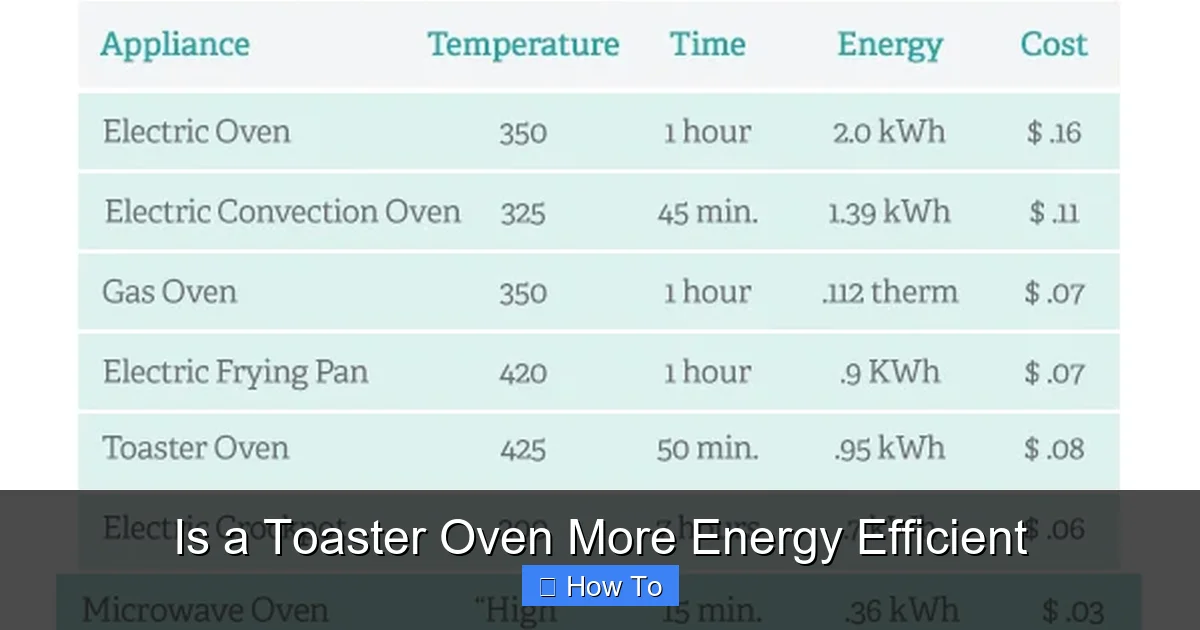
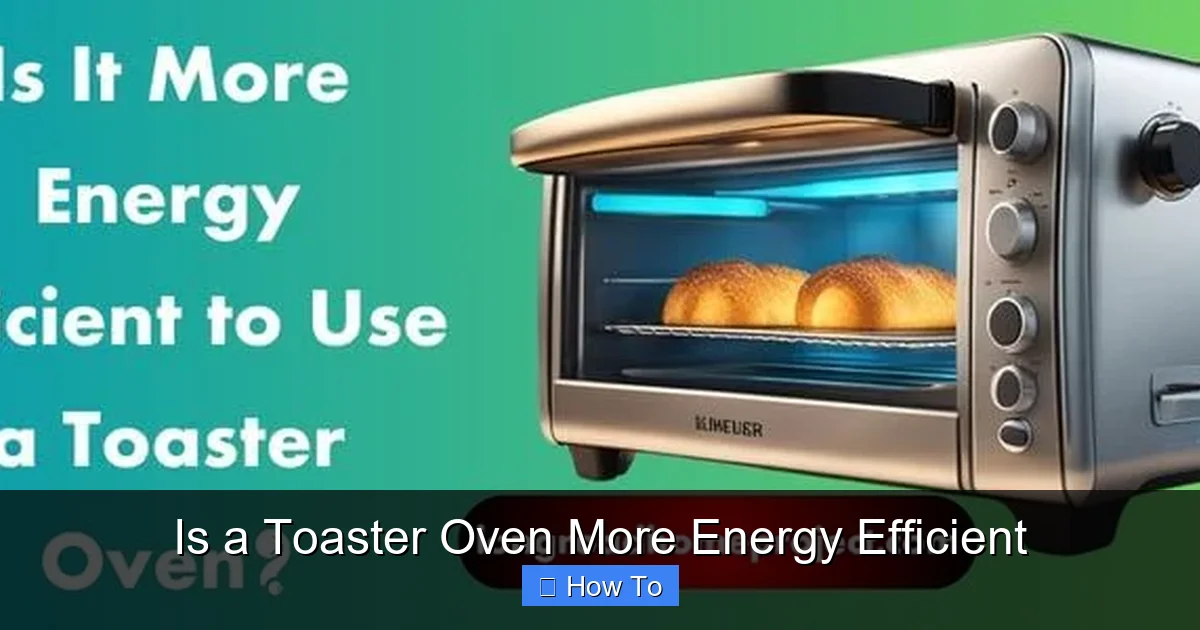
Yes, a toaster oven is generally more energy efficient than a full-size oven for small meals. It heats up faster, uses less electricity, and can lower your utility bills. Smart usage habits maximize these savings even further.
You stare at your kitchen counter. The big oven looms, but you only need to bake a few sweet potatoes. You wonder, is a toaster oven more energy efficient for this job? The short answer is yes. For small to medium tasks, a toaster oven almost always wins on electricity use. But the full story has nuance. Let’s break it down so you can cook smarter and save money.
Energy bills creep up every year. Every appliance choice adds up. A toaster oven draws between 1,200 and 1,800 watts. A standard electric oven pulls 2,500 to 5,000 watts. That gap looks huge. Yet wattage alone doesn’t tell the whole tale. Cook time, insulation, and how often you open the door all matter. We’ll explore each factor so you know exactly when to reach for the compact unit.
Key Takeaways
- Smaller cavity means less energy: A toaster oven heats a tiny space, so it reaches temperature quickly and uses fewer watts overall.
- Faster preheat saves power: Most models preheat in 3–5 minutes versus 10–15 minutes for a big oven.
- Ideal for small portions: Cooking a single chicken breast or a tray of cookies in a toaster oven avoids wasting energy heating a large empty cavity.
- Convection models boost efficiency: A fan circulates hot air, reducing cook time and temperature by about 25°F.
- Summer cooking stays cooler: Less waste heat means your AC doesn’t work as hard, adding indirect energy savings.
- Right-sizing matters: Using a toaster oven for a Thanksgiving turkey defeats the purpose; match the appliance to the meal size.
- Maintenance keeps it efficient: Clean heating elements and tight door seals prevent heat loss and maintain performance.
📑 Table of Contents
- Understanding Energy Efficiency in Kitchen Appliances
- How a Toaster Oven Works vs. a Full-Size Oven
- Comparing Energy Consumption: Toaster Oven vs. Conventional Oven
- Factors That Affect Energy Efficiency
- Real-World Examples and Cost Savings
- Tips to Maximize Your Toaster Oven’s Efficiency
- When to Use a Toaster Oven vs. a Regular Oven
- Environmental Impact Beyond the Meter
- Common Myths Debunked
- Conclusion
Understanding Energy Efficiency in Kitchen Appliances
What Does Energy Efficiency Mean?
Energy efficiency is simple: it’s getting the most cooking done per unit of electricity. Think of it like miles per gallon for your car. An appliance that bakes a pizza using 0.5 kWh beats one that needs 1.2 kWh for the same result. The Energy Star label helps, but many toaster ovens don’t carry it. So we compare real-world numbers.
Why Appliance Size Matters
Physics dictates that heating a larger volume takes more energy. A full-size oven cavity can be 5 cubic feet. A toaster oven might be 0.5 cubic feet. That’s 10 times the air to heat. The big oven also has more surface area losing heat through the door and walls. Every time you open the door, a rush of hot air escapes. The small unit loses far less.
The Role of Insulation and Seals
Good insulation traps heat. High-end toaster ovens often have double-wall construction and tight gaskets. Cheap models leak heat like a sieve. A well-sealed door keeps the temperature steady, so the elements cycle on less often. That directly lowers kWh per meal.
How a Toaster Oven Works vs. a Full-Size Oven
Heating Elements and Wattage
Most toaster ovens use quartz or nichrome elements on top and bottom. They glow red fast. A typical 1,500-watt unit hits 350°F in about four minutes. A 3,000-watt regular oven takes 12–15 minutes. Even though the big oven has double the wattage, it runs three times longer just to preheat. That preheat penalty adds up every single use.
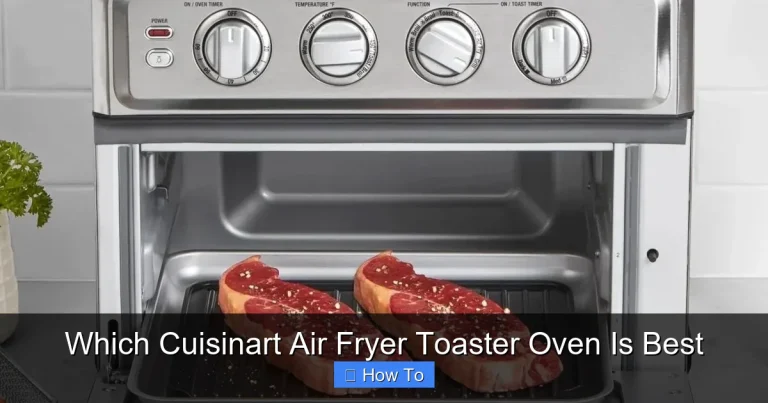
Visual guide about Is a Toaster Oven More Energy Efficient
Image source: longroadhomeproject.com
Convection Fans Make a Difference
Many modern toaster ovens include a convection fan. It blows hot air around the food, eliminating cold spots. You can drop the set temperature by 25°F and cut cook time by 20%. That’s a double win: lower peak draw and shorter run time. If you want the most efficient model, convection is a must-have feature.
Cooking Modes and Versatility
Toaster ovens now offer bake, broil, toast, air fry, and even dehydrate. Air fry mode is essentially super-charged convection. It crisps fries or wings with a fraction of the oil and energy of a deep fryer. That versatility means you leave the big oven off for dozens of meals each month.
Comparing Energy Consumption: Toaster Oven vs. Conventional Oven
Real-World kWh Numbers
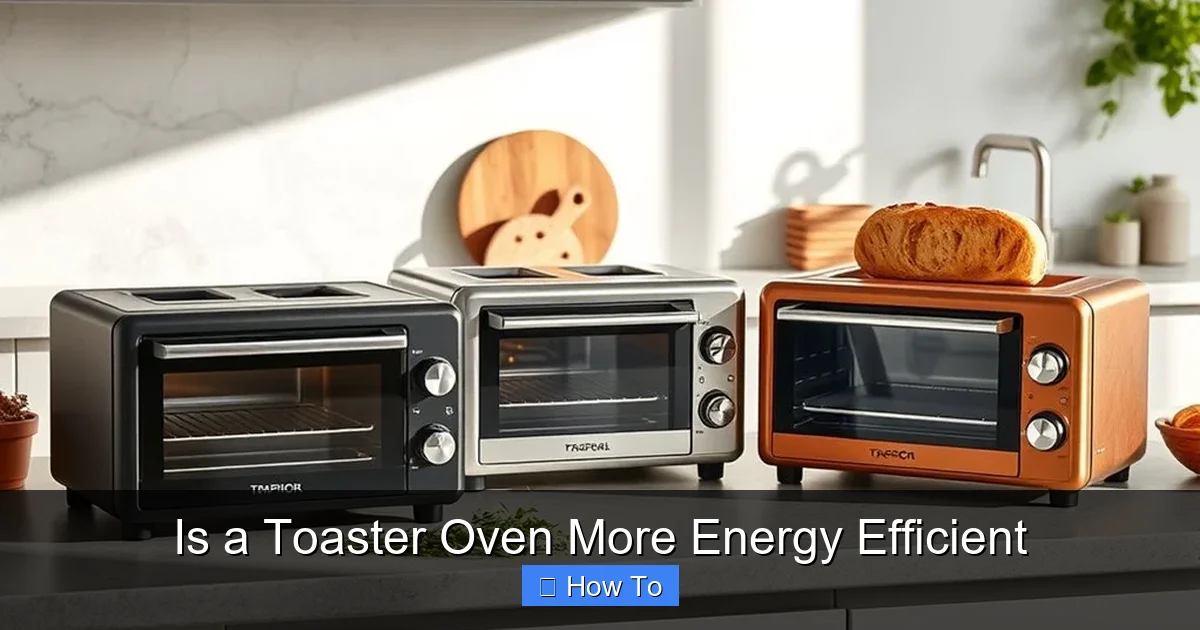
Let’s run a scenario. You bake a 12-inch frozen pizza. Toaster oven: 1,500 W × 0.25 h (15 min cook + short preheat) = 0.375 kWh. Regular oven: 3,000 W × 0.5 h (long preheat + 15 min cook) = 1.5 kWh. The big oven uses four times the electricity for the exact same dinner. At $0.15/kWh, that’s $0.06 vs. $0.23. Pennies per meal, but over a year it’s real money.
Visual guide about Is a Toaster Oven More Energy Efficient
Image source: selbyleisurecentre.org
Annual Cost Projection
Assume you cook small meals 200 times a year. Toaster oven: 200 × 0.375 kWh = 75 kWh → $11.25. Regular oven: 200 × 1.5 kWh = 300 kWh → $45. You save $33.75 annually just by switching. If you also avoid running the AC to remove that extra heat, savings climb higher.
When the Big Oven Wins
Roasting a 20-lb turkey? Baking four sheet pans of cookies at once? The toaster oven can’t handle the volume. You’d run multiple batches, erasing the efficiency edge. For large, single-batch jobs, the regular oven is actually more efficient per pound of food. Right-sizing the tool is key.
Factors That Affect Energy Efficiency
Preheat Time and Temperature
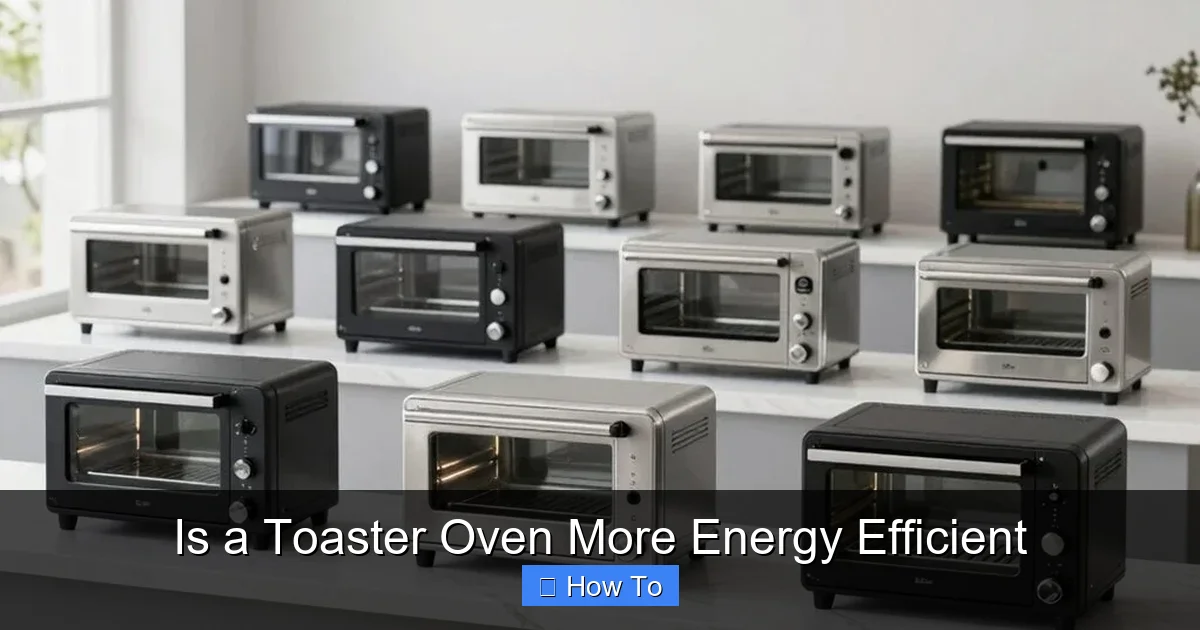
Preheating is pure overhead—energy spent before food enters. A toaster oven’s tiny cavity slashes this overhead. Skip preheat entirely for foods that don’t need a hot start (casseroles, reheating). Even when a recipe says “preheat,” you can often put food in early and add a minute or two.
Visual guide about Is a Toaster Oven More Energy Efficient
Image source: ecohomegenius.com
Cook Duration and Temperature Settings
Lower temps for longer can sometimes use less total energy than high heat for a short burst, because elements cycle less aggressively. Experiment with your specific model. Use an oven thermometer to verify actual cavity temperature; many toaster ovens run 25°F hot or cold.
Door Opening Frequency
Every peek costs you. A toaster oven door is small, but opening it still drops cavity temp 50°F instantly. The elements must fire hard to recover. Use the window and interior light instead. If you must flip food, do it fast and close the door gently.
Food Quantity and Placement
Center food on the rack for even airflow. Crowding blocks circulation, forcing longer cook times. If you’re cooking two trays, rotate them halfway. Better yet, cook sequentially—the residual heat from the first batch gives the second a head start.
Appliance Age and Condition
Old elements lose efficiency. Crusted food on the floor absorbs heat. A worn door gasket leaks. Clean the interior monthly. Replace the gasket if you feel heat escaping. A well-maintained 10-year-old unit can still outperform a neglected new one.
Real-World Examples and Cost Savings
Breakfast: Toast and Eggs
Two slices of toast + two fried eggs. Toaster oven: 1,400 W × 0.1 h = 0.14 kWh. Stovetop + pop-up toaster: 1,200 W (toaster) × 0.03 h + 1,500 W (burner) × 0.1 h = 0.186 kWh. The toaster oven wins slightly and uses one appliance instead of two.
Lunch: Personal Pizza
Frozen personal pizza. Toaster oven: 1,500 W × 0.2 h = 0.3 kWh. Microwave: 1,000 W × 0.05 h = 0.05 kWh but soggy crust. Regular oven: 3,000 W × 0.4 h = 1.2 kWh. Toaster oven gives best texture per kWh.
Dinner: Salmon and Asparagus
Sheet-pan dinner for two. Toaster oven: 1,600 W × 0.25 h = 0.4 kWh. Regular oven: 3,200 W × 0.4 h = 1.28 kWh. You save 0.88 kWh—about $0.13. Do this three nights a week, save $20/year.
Batch Cooking: Meal Prep Sunday
You need four trays of roasted veggies. Toaster oven holds one tray. Four batches × 0.35 kWh = 1.4 kWh. Regular oven holds all four at once: 3,500 W × 0.5 h = 1.75 kWh. Surprisingly close! But the big oven wins on time. If you value time over pennies, use the big oven.
Summer vs. Winter Impact
In July, every kWh from the oven becomes heat your AC must remove. That’s a 1:3 penalty (AC COP ~3). So 1 kWh oven heat = 1.33 kWh total grid draw. In January, that heat offsets your furnace. A toaster oven’s smaller heat dump helps summer bills disproportionately.
Tips to Maximize Your Toaster Oven’s Efficiency
Use the Right Cookware
Light-colored aluminum pans reflect heat, cooking faster. Dark pans absorb, good for browning but can burn edges. Glass holds heat well but takes longer to warm up. Match pan to task. For reheating, a silicone mat on the rack beats a pan—direct air contact heats food faster.
Leverage Residual Heat
Turn the unit off 2–3 minutes before the timer ends. The stored heat in the elements and walls finishes cooking. Works great for cookies, toast, and roasted nuts. Saves 5–10% per cycle.
Keep It Clean
Carbon buildup on elements acts as insulation, slowing heat transfer. Scrub the crumb tray weekly. Wipe the interior with vinegar water monthly. A clean oven is an efficient oven.
Batch Similar Items
If you’re making toast now and baking a potato in an hour, do them back-to-back. The oven stays warm, skipping a full preheat cycle. Plan your cooking flow.
Use the Convection Setting
Default to convection bake unless a recipe specifically forbids it. The fan reduces hot spots, so you don’t overcook edges waiting for centers. Lower temp + shorter time = less energy.
Invest in a Smart Plug
A $15 smart plug with energy monitoring shows exact kWh per cook. You’ll spot waste patterns—maybe you’re preheating too long or cooking at too high a temp. Data drives better habits.
When to Use a Toaster Oven vs. a Regular Oven
Best Tasks for Toaster Oven
- Toasting bread, bagels, English muffins
- Reheating leftovers (pizza, fries, fried chicken)
- Baking cookies (1–2 dozen)
- Roasting vegetables for 1–2 people
- Broiling fish fillets or thin steaks
- Air frying frozen snacks
- Melting cheese on open-faced sandwiches
Best Tasks for Regular Oven
- Large roasts (turkey, prime rib, pork shoulder)
- Multiple sheet pans (party appetizers, meal prep)
- Bread loaves that need oven spring
- Casseroles in 9×13 pans
- Anything requiring steady 300°F+ for 2+ hours
The Gray Zone
A 9×13 lasagna fits in many large toaster ovens. It’ll cook fine but takes longer because the cavity is tighter, restricting airflow. If you have time, go for it. If hungry now, use the big oven. For more on what fits, see what a toaster oven can cook.
Hybrid Strategy
Start a roast in the toaster oven at high heat for sear (15 min), then move to a low-temp big oven (275°F) for slow finish. You get the crust without heating the big cavity for the sear phase. Advanced, but effective.
Environmental Impact Beyond the Meter
Manufacturing Footprint
A toaster oven uses far less steel, glass, and electronics than a range. Its embodied carbon is lower. If buying a toaster oven lets you downsize your range (e.g., induction cooktop + toaster oven vs. full range), the lifetime carbon savings are massive.
E-Waste Considerations
Small appliances break and get tossed more often. Choose a repairable brand with available parts. Brands like Breville, Cuisinart, and Panasonic support repairs. A 15-year lifespan beats replacing a cheap unit every three years. For disposal info, read is a toaster oven e-waste.
Grid Demand Peaks
Evening cooking coincides with peak grid load. A toaster oven’s lower instantaneous draw (1.5 kW vs. 4 kW) reduces your contribution to peak demand. If your utility has time-of-use rates, cooking with the small unit during peak hours saves even more.
Common Myths Debunked
Myth: “Toaster Ovens Are Just for Toast”
Modern units are countertop convection ovens. They bake, roast, broil, air fry, dehydrate, and proof dough. Treating them as single-purpose wastes their potential.
Myth: “They Can’t Cook Raw Meat Safely”
They hit 450°F easily. A probe thermometer ensures safety. Chicken breasts cook in 18 minutes at 400°F convection. Perfectly safe, perfectly juicy.
Myth: “Glass Bakeware Will Shatter”
Most toaster ovens allow oven-safe glass. Check your manual. Avoid sudden temp changes (frozen glass into hot oven). For details, see is Pyrex safe in a toaster oven.
Myth: “They Use More Energy Because They Run Longer”
False for small loads. The regular oven’s preheat and larger mass dominate. Only for large loads does the math flip.
Conclusion
So, is a toaster oven more energy efficient? For the vast majority of daily cooking tasks—yes, decisively. Its smaller cavity, faster preheat, and lower wattage translate to real kilowatt-hour savings on every meal. Over a year, those savings add up to tens of dollars and a lighter carbon footprint. The key is matching the appliance to the job. Use the toaster oven for 1–4 servings. Fire up the big oven for holiday feasts and batch cooking. Keep your unit clean, use convection, and leverage residual heat. You’ll cook faster, keep the kitchen cooler, and watch the meter spin slower. That’s a win any way you slice it.
Frequently Asked Questions
Does a toaster oven use less electricity than a regular oven?
Yes, a toaster oven typically uses 1,200–1,800 watts versus 2,500–5,000 watts for a full-size oven. For small meals, it consumes significantly fewer kilowatt-hours because it heats a much smaller space and preheats faster.
Can a toaster oven replace a regular oven completely?
For singles, couples, or small families, a toaster oven can handle 80–90% of cooking tasks. Large roasts, multiple sheet pans, and big holiday meals still require a full-size oven or careful batch planning.
Is convection worth the extra cost in a toaster oven?
Absolutely. Convection reduces cook time by ~20% and lets you lower the temperature by 25°F. That cuts energy use per meal and improves results. It’s the single best efficiency upgrade.
How much money can I save per year using a toaster oven?
If you shift 200 small meals a year from a regular oven to a toaster oven, you’ll save roughly 225 kWh. At the U.S. average rate of $0.15/kWh, that’s about $34 annually—plus reduced AC load in summer.
What size toaster oven is most energy efficient?
Choose the smallest model that fits your typical cookware. A 0.5 cu. ft. unit heating a single chicken breast wastes less energy than a 1.0 cu. ft. unit doing the same job. Right-size the cavity to your needs.
Are there any foods I should never cook in a toaster oven?
Avoid foods that release lots of fat or steam in a sealed cavity (whole chickens, large fatty roasts) unless your model has a dedicated rotisserie or excellent ventilation. They can smoke, splatter, and create fire risk.