Is a Toaster Oven Safer Than a Microwave
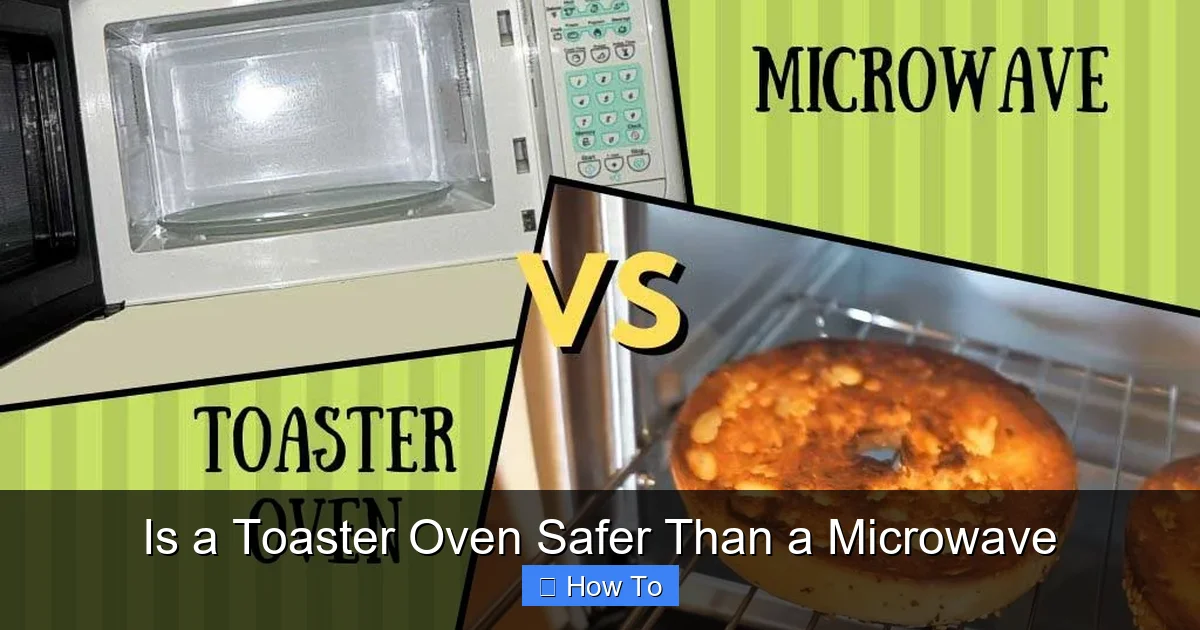
Is a toaster oven safer than a microwave? Many people wonder this when trying to upgrade their kitchen setup. While both appliances have their pros and cons, toaster ovens generally offer a safer cooking experience due to how they heat food and the materials they use. Microwaves use electromagnetic radiation to heat water molecules, which can lead to uneven heating and potential hot spots, while toaster ovens use heating elements similar to conventional ovens. This means more predictable cooking and fewer risks of burns or fire hazards when used correctly. Understanding the differences in safety features, heat distribution, and material compatibility is key to making the best choice for your household.
Key Takeaways
- Heating Mechanism: Toaster ovens use radiant heat from heating elements, while microwaves use electromagnetic radiation to vibrate water molecules.
- Fire Safety: Toaster ovens generally have lower fire risks compared to microwaves when proper cooking containers are used and food is monitored.
- Material Compatibility: Toaster ovens can safely use glass, ceramic, and metal, whereas microwaves require microwave-safe materials to avoid arcing or chemical leaching.
- Even Heating: Toaster ovens provide more even browning and crisping, reducing the risk of cold spots or overheated food that can cause burns.
- Radiation Concerns: Microwaves use non-ionizing radiation, but the risk is minimal if the door seals are intact; toaster ovens use no radiation at all.
- Energy Efficiency: While microwaves are faster and use less energy for small tasks, toaster ovens are more versatile and safer for a wider range of foods.
📑 Table of Contents
Is a Toaster Oven Safer Than a Microwave?
Welcome to the great kitchen debate that many of us face every day. When you walk into your kitchen, do you reach for the microwave or the toaster oven? It is a simple question, but safety is a major factor in how we choose. Many people worry about radiation, fire hazards, or burnt fingers when cooking. So, is a toaster oven safer than a microwave? The answer depends on how you use them, but toaster ovens often have the edge in overall safety. Let us break down the science, risks, and practical tips so you can make the best choice for your home.
Toaster ovens are incredibly versatile. They can bake, broil, toast, and even air fry, making them a great alternative to microwaves. If you want to see what a toaster oven can actually cook, you can check out what can a toaster oven cook to discover its full range of capabilities. This versatility means you can replace multiple appliances with just one compact unit, simplifying your kitchen workflow and reducing the number of electrical devices you need to manage.
How Heating Mechanisms Affect Safety
The first big difference between these two appliances lies in how they heat your food. Understanding this helps you see why one might be safer than the other. Let us look closely at the science behind each method.
Visual guide about Is a Toaster Oven Safer Than a Microwave
Image source: i.ytimg.com
The Science of Microwave Heating
Microwaves heat food using electromagnetic radiation. This radiation targets water molecules inside your food. When these molecules vibrate rapidly, they create heat. This process is fast, but it has a major drawback: it does not heat food evenly. The radiation can penetrate only a few centimeters into the food, leaving the center cold or creating hot spots. These hot spots can scald your mouth or cause unexpected burns when you stir the food. Additionally, because the heat is generated inside the food, the container itself does not get very hot, which can be misleading. You might think the food is cool when it is actually boiling hot inside.
How Toaster Ovens Use Radiant Heat
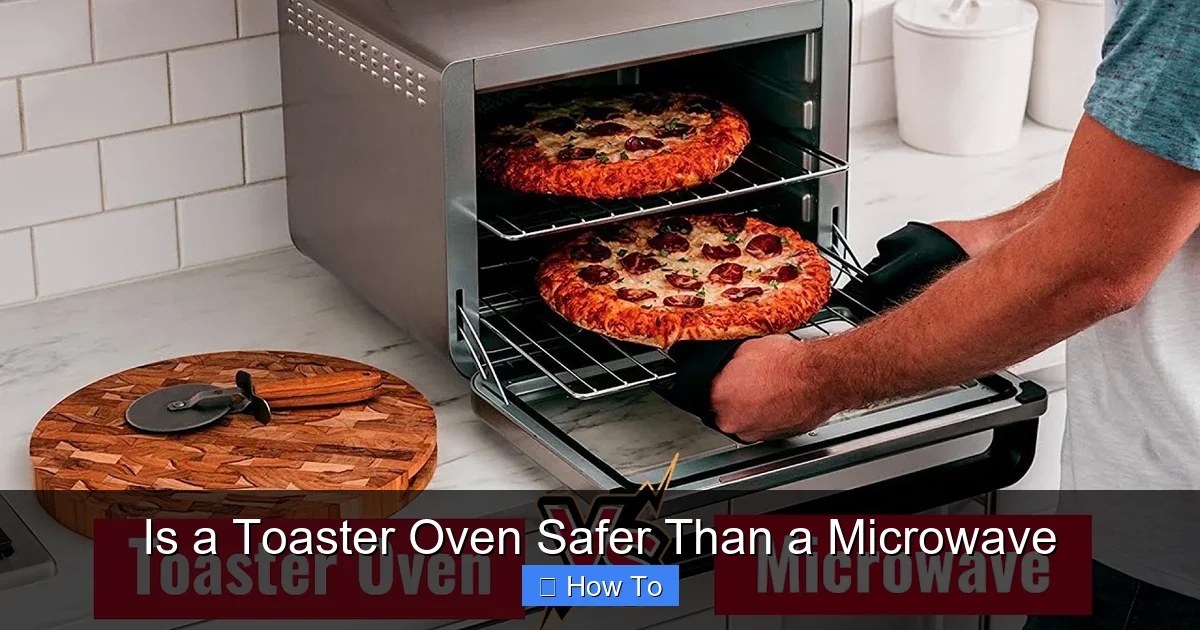
Toaster ovens, on the other hand, work just like a regular full-sized oven. They use heating elements that glow red-hot or emit infrared radiation. This radiant heat cooks the food from the outside in. It browns the top, crisps the edges, and heats the center evenly. Because the heat comes from the outside, you get predictable results. There are fewer surprises with a toaster oven. You can watch your food cook through the glass door, which gives you much better control over the process. This direct heat method is similar to traditional cooking, which has been trusted for generations. It mimics the natural heat of the sun, providing a gentle and consistent cooking experience.
Fire Risks and Electrical Safety
Fire safety is a top concern for any kitchen appliance. Both microwaves and toaster ovens carry some risk, but the nature of that risk is different. Knowing how to prevent fires in each appliance is crucial for keeping your home safe.
Visual guide about Is a Toaster Oven Safer Than a Microwave
Image source: ovenspot.com
Understanding Microwave Fire Hazards
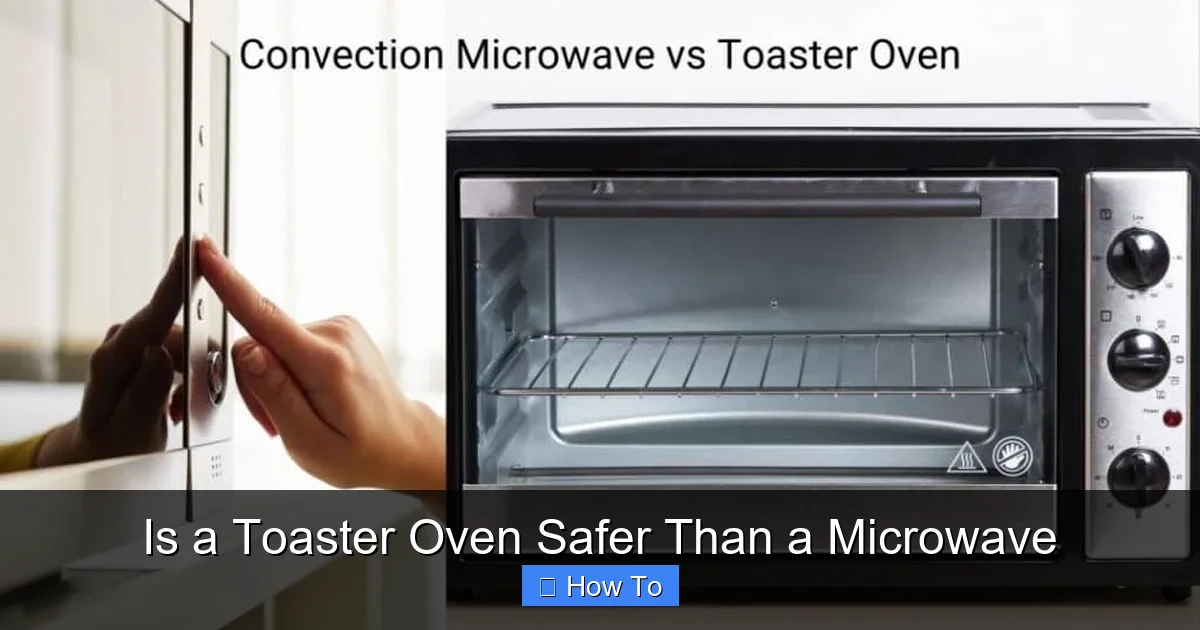
Microwaves can start fires if you put the wrong items inside them. Metal, such as aluminum foil or gold-rimmed plates, causes arcing. This is when electricity jumps between the metal and the microwave walls, creating sparks. These sparks can quickly ignite paper, plastic, or food. Another common fire hazard in microwaves is overheating. If you microwave food for too long, it can burn and smoke, eventually catching fire inside the turntable. However, because microwave cavities are enclosed and made of fire-resistant materials, the fire usually stays contained until you open the door. Always avoid putting sugary foods or sealed containers in the microwave, as they can explode and create a mess or a hazard.
Toaster Oven Fire Prevention
Toaster ovens also have fire risks, but they are easier to spot early. Since the cooking chamber is open or has a glass door, smoke or small flames are immediately visible. The main risk with toaster ovens comes from dripping grease or food particles falling onto the heating elements. This can cause smoke or small grease fires. To prevent this, it is highly recommended to use a baking sheet or foil liners. Always keep the toaster oven door closed during cooking to prevent oxygen from feeding a potential fire. Regular cleaning of crumbs and grease is the best way to keep your toaster oven safe. If you want to learn more about safe cooking practices, you can check out how do i use a toaster oven for some handy tips on maintenance and safe operation. Keeping the exterior vents clear of obstacles is also essential for proper airflow and heat dissipation.
Cookware and Material Safety
What you put inside your appliance is just as important as the appliance itself. Using the wrong containers can ruin your food or make you sick. Let us explore the best materials for each device.
Visual guide about Is a Toaster Oven Safer Than a Microwave
Image source: toasteroven.info
What Can You Put in a Microwave?
Microwaves are picky about containers. Only microwave-safe glass, ceramic, and plastics should be used. If you put regular plastic in a microwave, chemicals like BPA can leach into your food. Metal is a complete no-go because of the arcing risk. Even some dark-colored ceramics can contain metal glazes that spark. This means you have to be very careful and often look for the microwave-safe symbol on your dishes. It is easy to make a mistake, especially in a hurry. Always avoid using single-use plastic containers, as they are not designed for high heat and can warp or melt, releasing harmful chemicals into your meal.
Safe Materials for Toaster Ovens
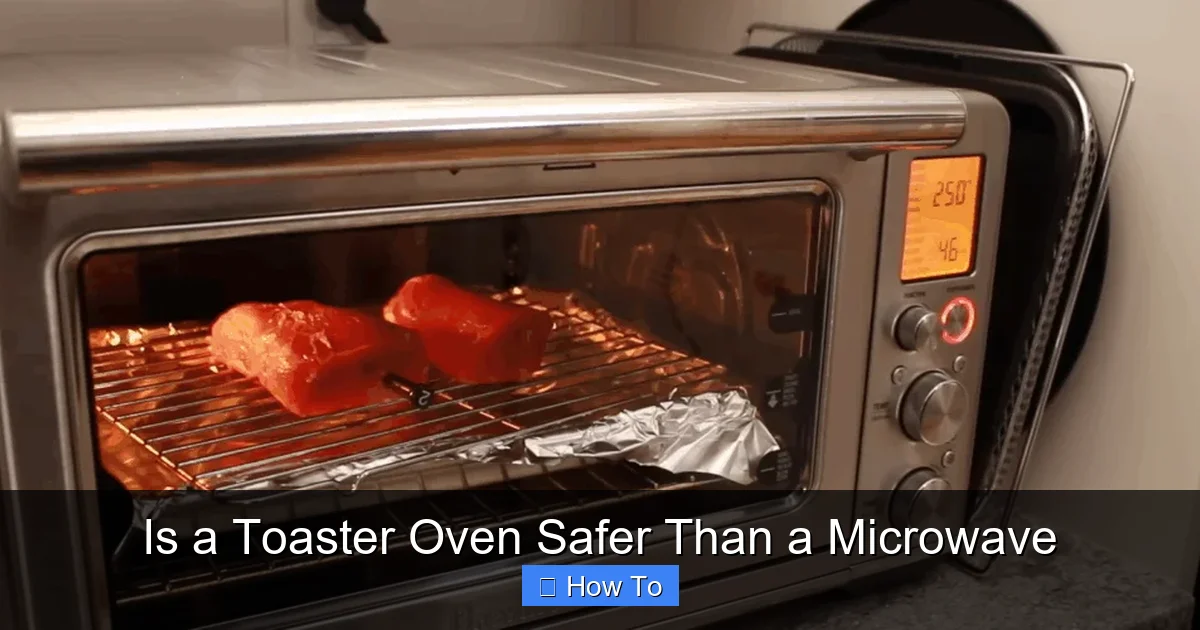
Toaster ovens are much more forgiving when it comes to cookware. You can use glass, ceramic, stainless steel, and cast iron. This versatility means you can transfer dishes directly from the fridge to the toaster oven. However, you still need to be careful with plastic and wood, as they can melt or burn near the heating elements. If you are wondering whether your favorite glass baking dish is safe, you can find out more about can you put glass into a toaster oven. Generally, borosilicate glass and tempered glass are perfectly safe, while ordinary glass might crack under high heat. Knowing your materials keeps your food safe and your appliances running smoothly. Always check the manufacturer’s guidelines for your specific cookware to ensure it can handle the high temperatures of a toaster oven.
Radiation and Health Concerns
The word “radiation” often scares people when it comes to microwaves. Let us clear up the facts so you can relax and make an informed decision about your kitchen appliances.
Are Microwaves Really Dangerous?
The radiation used in microwaves is called non-ionizing radiation. This is the same type of low-energy radiation used in radio waves and Wi-Fi. It is not the dangerous, ionizing radiation associated with nuclear accidents or X-rays. The radiation in a microwave is confined to the metal chamber inside the appliance. As long as the door seals are intact and the appliance is not damaged, the radiation does not leak into your kitchen. Government regulations ensure that new microwaves meet strict safety standards. However, some people still prefer to avoid using them out of an abundance of caution. If you are one of those people, you can rest assured that the risk is extremely low when the appliance is in good condition.
Zero Radiation with Toaster Ovens
Toaster ovens do not use any radiation to cook your food. They rely purely on electrical resistance to heat up metal coils. This produces infrared light and heat, which is completely safe. There is no electromagnetic field, no waves, and no radiation exposure for you or your family. If radiation is your main concern, a toaster oven is the clear winner. It cooks your food the same way the sun heats the earth, without any invisible waves passing through your body. This makes toaster ovens an excellent choice for households with children, pregnant women, or anyone looking to minimize their exposure to electromagnetic fields.
Ease of Use and Burn Prevention
Burns from hot food or hot appliances are a common kitchen injury. How do microwaves and toaster ovens compare when it comes to keeping your hands safe? Let us look at the practical side of using these appliances daily.
Hot Spots and Uneven Microwaving
Because microwaves heat unevenly, they often create hot spots in your food. When you take a bowl out of the microwave, the handle might be cool, but a bite from the center could scald your tongue. To prevent this, you must stir your food halfway through cooking and let it stand for a minute. This standing time allows the heat to distribute, but it also means your food is extremely hot. Furthermore, the steam from microwaved food is trapped inside the bowl, making it very hot when you open it. Always use oven mitts or a thick towel when handling microwaved dishes, even if the outside feels cool to the touch.
Predictable Results with Toaster Ovens
Toaster ovens offer much more predictable cooking. You can see the food browning through the glass. You know exactly when it is ready without guessing. The heat is surface-level, so the inside of a baked potato or a slice of pizza heats up evenly. You do not have to worry about hidden hot spots in the center. Of course, the exterior of the toaster oven and the rack can get very hot, so you still need to use oven mitts. But overall, you have much better visual control. To get the most out of your toaster oven and ensure safe handling, it helps to know how to use a toaster oven properly. You can check out our guide on how do i use a toaster oven for some handy tips on safe handling and cooking times. Using the right rack position and avoiding overcrowding the oven will also help you achieve the best results safely.
Energy Efficiency and Environmental Impact
Safety is not just about burns and fires. It is also about how much energy your kitchen uses and how it affects the planet. Choosing an energy-efficient appliance is a safe choice for both your wallet and the environment.
Which Appliance Uses Less Power?
Microwaves are incredibly energy-efficient for small tasks. They use about 600 to 1200 watts of power, but they only run for a few minutes. Toaster ovens typically use between 1200 and 1800 watts. However, because toaster ovens take longer to heat up and cook, they can use more energy overall for a single task. For example, reheating a cup of coffee is much faster and greener in a microwave. But for cooking a whole meal or a large pizza, a toaster oven can be more efficient than turning on a full-sized oven. The key is to match the appliance to the job to minimize energy waste and ensure safe, efficient operation.
Toaster Ovens as Eco-Friendly Alternatives
If you are looking to save on your electricity bill while cooking safely, you might want to see if a toaster oven is more efficient. We break down the details on is a toaster oven more efficient. Many modern toaster ovens have convection fans that circulate heat, making them cook faster and use less energy than conventional ovens. They also have a smaller thermal mass, meaning they heat up quickly and cool down fast. This makes them a fantastic green alternative for daily cooking. By choosing the right appliance for the job, you can reduce your carbon footprint and keep your kitchen safe. Some modern toaster ovens even double as air fryers, combining the best of both worlds. You can read about can an air fryer oven replace a microwave to see how they compare in terms of safety, versatility, and convenience.
Which One Should You Choose?
So, is a toaster oven safer than a microwave? The answer is yes, in many key areas. Toaster ovens offer more predictable heating, no radiation, and greater material versatility. They allow you to use a wider variety of safe cookware, reducing the risk of chemical leaching or accidental arcing. Microwaves are fantastic for speed and convenience, but they require more caution to avoid hot spots, chemical containers, and metal accidents. For most households, having both appliances is the ultimate solution. Use the microwave for quick reheating and the toaster oven for cooking, baking, and crispy results. Whichever you choose, following safety guidelines and using the right containers will keep your kitchen safe and happy. Remember, the safest appliance is the one you use with knowledge, care, and attention to detail.
Frequently Asked Questions
Can a toaster oven cause radiation exposure?
No, toaster ovens do not use any radiation to cook food. They rely on electrical heating elements that produce infrared heat, which is completely safe and similar to the heat from the sun or a conventional oven.
Is it safe to put glass in a toaster oven?
Yes, most glass dishes are safe in a toaster oven, but you must use tempered or borosilicate glass. Avoid sudden temperature changes, such as taking a cold glass dish directly from the fridge to a hot toaster oven, to prevent cracking.
Do microwaves leak radiation into the kitchen?
Modern microwaves are designed with strict safety standards and sealed metal chambers. As long as the door seals are undamaged and the appliance is not modified, radiation leakage is virtually non-existent and safe for household use.
Which appliance is better for preventing food burns?
Toaster ovens are generally better at preventing food burns because they heat food evenly from the outside. You can visually monitor the cooking process through the glass door, reducing the risk of overheating or creating hot spots.
Can I use metal cookware in a toaster oven?
Yes, toaster ovens are highly compatible with metal cookware like stainless steel, aluminum, and cast iron. However, you should never put metal in a microwave, as it causes sparking and can start a fire.
Are toaster ovens more energy-efficient than microwaves?
Microwaves use less power and are faster for small tasks like reheating leftovers. However, toaster ovens are more efficient than conventional ovens for larger meals and offer greater versatility, making them a great eco-friendly choice for daily cooking.