Is Air Fryer the Same as Oven
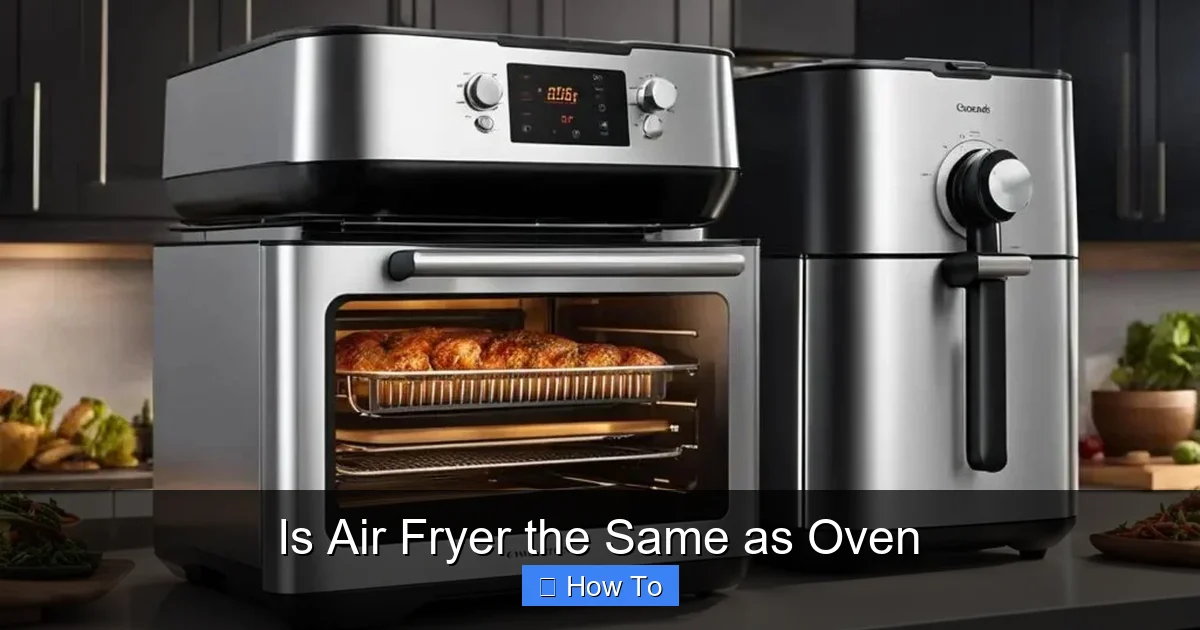
Air fryers and ovens share some similarities but are not identical. An air fryer uses rapid hot air circulation to cook food quickly with less oil, while a conventional oven bakes larger items and offers more versatility. Choose the right tool based on recipe size, desired texture, and cooking speed.
If you’ve ever stood in front of your kitchen appliances wondering whether an air fryer is simply a smaller version of a regular oven, you’re not alone. Many home cooks chase the promise of crispy fries without the guilt of deep frying, while also wanting the convenience of a preheated oven for family dinners. The truth is, air fryers and ovens share a common ancestor—convection heating—but they diverge in size, speed, and intended use. This guide will walk you through the mechanics, performance, and practical scenarios where each appliance shines. We’ll also sprinkle in a few handy tips and link to deeper resources so you can make confident choices for every meal.
Key Takeaways
- Point 1: Air fryers circulate hot air at high speed for quick, crispy results with minimal oil.
- Point 2: Conventional ovens provide even heat over larger spaces, ideal for baking, roasting, and reheating.
- Point 3: Energy use differs; air fryers typically consume less power for small portions.
- Point 4: Cooking times vary; air fryers often finish faster than ovens for similar foods.
- Point 5: Both appliances can achieve similar textures, but techniques and accessories differ.
- Point 6: Choosing between them depends on batch size, desired crispness, and recipe complexity.
- Point 7: Understanding the core mechanics helps you maximize each appliance’s strengths.
📑 Table of Contents
What Is an Air Fryer?
Core Design and Function
An air fryer is a compact countertop device that mimics convection cooking. At its heart is a heating element located above a fan. The fan blasts hot air around the cooking chamber at high speed, typically 180‑200 °C (350‑390 °F). This rapid circulation creates a crispy exterior while cooking the interior quickly. Most units include a basket that sits above the heating element, allowing fats to drip away.
Common Sizes and Features
Air fryers range from 2‑liter models perfect for a single serving to 6‑liter units that can handle a family’s dinner. Many include adjustable temperature controls, preset programs for fries, pizza, or dehydrating, and even digital displays. Some newer designs integrate a convection oven function, blurring the line between the two appliances.
Why People Choose Air Fryers
Health enthusiasts love the reduced oil requirement—some recipes call for just a mist of spray. The quick cooking time also means less nutrient loss compared to long oven roasts. For busy families, the ability to prep a batch of crispy chicken wings in 15‑20 minutes is a game‑changer. If you’re looking for a gadget that delivers that “restaurant‑style” crunch with minimal cleanup, an air fryer is often the first stop.
What Is a Conventional Oven?
Basic Oven Mechanics
A conventional oven uses one or more heating elements—often located at the top and bottom—to heat the interior air. Natural convection relies on the heat rising and circulating, but many modern ovens add a fan to create forced convection. This fan distributes heat more evenly, making baking more consistent.

Visual guide about Is Air Fryer the Same as Oven
Image source: lianaskitchen.co.uk
Oven Sizes and Capabilities
Home ovens typically come in 30‑40 L capacities, large enough for whole chickens, multiple trays of cookies, or roasted vegetables. They also feature accessories like racks, rotisseries, and broilers. Convection ovens add an extra fan and sometimes a third heating element, enhancing browning and reducing cooking time by roughly 25 %.
When an Oven Shines
When you need to bake a cake that rises evenly, roast a large cut of meat, or reheat leftovers without drying them out, a conventional oven is the go‑to. Its larger cavity also allows you to cook multiple dishes at once—great for meal prep or entertaining. The ability to use multiple racks means you can bake, grill, and broil in the same session.
How They Work: Similarities and Differences
Shared Convection Principle
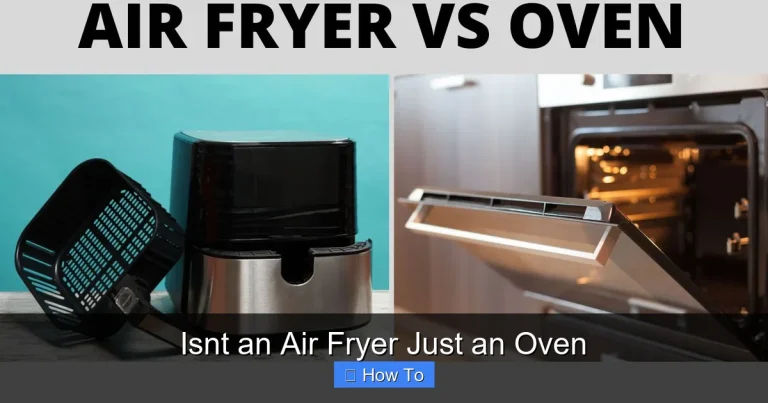
Both air fryers and convection ovens rely on circulating hot air. This means food cooks from all sides simultaneously, producing a uniform texture. The key difference lies in the intensity of that circulation. Air fryers push air at higher speeds, creating a “jet‑stream” effect that crisps surfaces faster.

Visual guide about Is Air Fryer the Same as Oven
Image source: askanydifference.com
Heat Source Variations
In an air fryer, the heating element is usually positioned above the food, so heat comes from above. Conventional ovens have elements on the top and bottom, allowing heat to rise and descend. This dual‑element setup can lead to different browning patterns—top‑heavy in ovens versus more even in air fryers.
Energy Consumption
Air fryers draw between 800‑1500 W, while a typical oven uses 2000‑2500 W. For small portions, the air fryer’s lower wattage translates to less electricity and faster preheating. However, larger ovens can batch‑cook many items at once, potentially offsetting the energy difference.
Control Precision
Modern air fryers often feature digital temperature knobs that lock in a set degree within a narrow range. Ovens, especially older models, may fluctuate a few degrees. This precision makes air fryers ideal for tasks like dehydrating fruit or achieving a specific crispness level.
Cooking Performance: Speed, Texture, and Energy
Speed Comparison
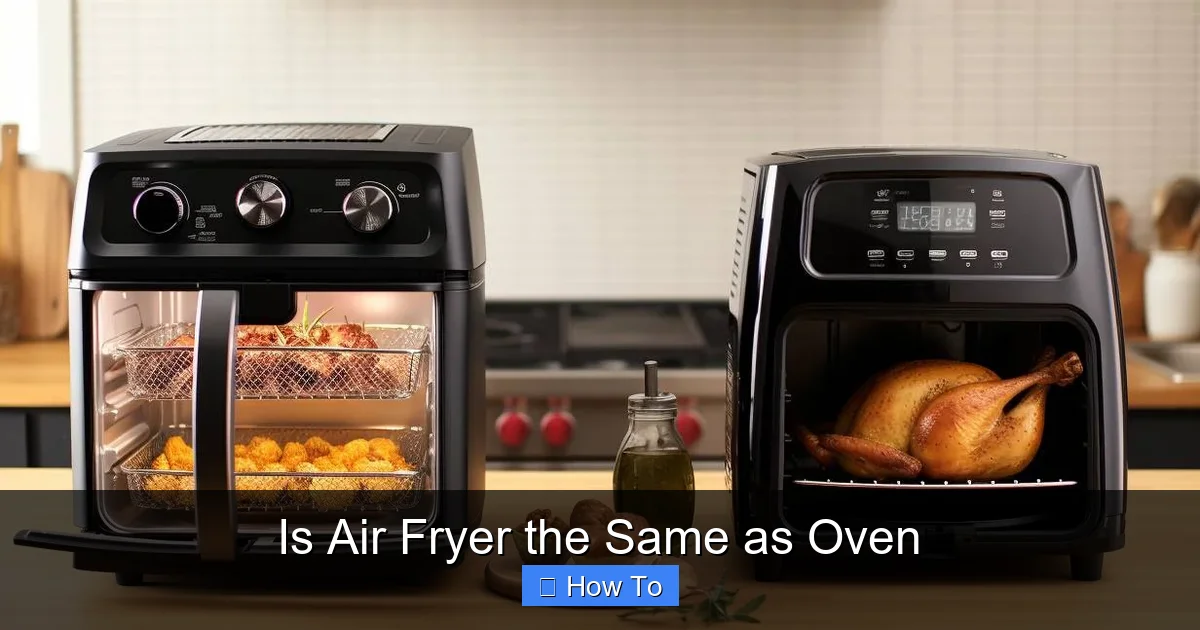
Speed is one of the most touted advantages of an air fryer. A chicken breast that might take 30‑35 minutes in a conventional oven can finish in 15‑20 minutes in an air fryer at 190 °C (375 °F). The rapid air flow reduces moisture loss, keeping the meat juicy while the exterior crisps. For fries, the difference is even more dramatic—air fryer fries can be ready in 12‑15 minutes versus 25‑30 minutes in an oven.
Visual guide about Is Air Fryer the Same as Oven
Image source: storage.googleapis.com
Texture Outcomes
Air fryers excel at creating a crunchy, almost fried texture with little to no oil. The intense airflow dries the surface, then the heat creates Maillard reactions that brown the food. Conventional ovens, especially convection models, also brown well but may require longer exposure to achieve the same level of crispness. Some chefs note that oven‑roasted vegetables can become caramelized after 45 minutes, while air‑fried versions reach that point in 20‑25 minutes.
Energy Efficiency in Practice
While an air fryer uses less power, the total energy cost per cooked item can vary. Cooking a single serving of fish in an air fryer might use about 0.1 kWh, whereas an oven heating to 180 °C for a full tray of fish could consume 0.3‑0.4 kWh. However, if you fill the oven with multiple dishes, the per‑item energy drops dramatically. Many home cooks find that the convenience of batch cooking outweighs the modest energy savings of an air fryer.
When to Prioritize One Over the Other
If you’re preparing a quick snack, a small batch of appetizers, or want to reduce oil intake, the air fryer is the clear winner. If you’re planning a family dinner with a large roast, multiple side dishes, or need to bake several trays of cookies simultaneously, the conventional oven’s capacity and consistent heat distribution are hard to beat. Some households even keep both, using the air fryer for everyday quick meals and the oven for special occasions.
When to Choose an Air Fryer vs. Oven
Portion Size and Batch Cooking
Air fryers work best for 1‑4 servings. Their small baskets limit how much food you can fit at once. For a family of four looking to cook a single chicken breast, a few cups of vegetables, and a side of air‑fried fish, an air fryer is perfect. In contrast, a conventional oven can hold multiple trays, making it ideal for larger gatherings or meal prep.
Desired Texture and Cooking Method
If you crave that deep‑fried crunch without the oil, reach for the air fryer. It’s also superior for achieving a perfectly crispy pizza crust in under 10 minutes. For baking bread, cakes, or pastries, the oven’s steady heat and ability to control humidity give more reliable results. The oven’s broiler function can also create a charred top that an air fryer cannot replicate.
Cooking Time Constraints
Busy professionals and students love the speed of an air fryer. A quick 15‑minute pork chop or veggie medley can be ready while you finish a work email. Ovens, while faster for large items like roasts, often require longer preheating and cooking times. If you’re juggling multiple tasks, the air fryer’s rapid turnaround reduces overall kitchen time.
Energy and Cost Considerations
Air fryers typically cost less to operate per use, especially for small meals. They also have a smaller carbon footprint when used sparingly. Ovens, though more power‑hungry, spread that energy across many dishes, which can be cost‑effective if you’re cooking in bulk. Some households find that buying a quality air fryer and a decent oven gives the best of both worlds without over‑paying for a combo unit.
Internal Link Integration Example
For a deeper dive into the technical differences, check out our comprehensive guide at Is Air Fryer the Same as Oven. If you’re curious about the best combo units that merge both technologies, see What Is the Best Air Fryer Oven Combo 2. And for insights on convection vs. standard ovens, visit What Is Difference Air Fryer vs Convection Oven.
Practical Tips and Recipes
Tips for Air Fryer Success
- Preheat briefly. Most air fryers need 3‑5 minutes to reach temperature. This ensures immediate cooking and better crispness.
- Use a single layer. Overcrowding blocks airflow. Cook in batches for even results.
- Oil sparingly. A light mist of high‑smoke‑point oil is enough. Too much oil can cause smoking.
- Shake or turn halfway. For foods like fries, shaking the basket or flipping pieces ensures uniform browning.
- Ventilation matters. Place the air fryer on a stable, heat‑resistant surface away from flammable materials.
Tips for Oven Excellence
- Use the middle rack. This provides the most even heat distribution for most dishes.
- Rotate trays. If baking multiple items, switch positions halfway through for consistent color.
- Enable convection fan. For faster cooking and better browning, turn on the convection setting.
- Monitor doneness. Use an internal temperature probe for meats to avoid over‑cooking.
- Keep the oven clean. Grease buildup can affect heat flow and cause off‑flavors.
Simple Air Fryer Recipe: Crispy Chicken Wings
1. Pat 8 chicken wings dry. 2. Toss with 1 tsp paprika, ½ tsp salt, and a drizzle of oil. 3. Preheat the air fryer to 200 °C (390 °F). 4. Place wings in a single layer in the basket. 5. Cook for 18‑20 minutes, shaking halfway, until golden and crisp. 6. Serve with your favorite dipping sauce.
Simple Oven Recipe: Roasted Root Vegetables
1. Cut 2 lb of carrots, parsnips, and potatoes into 1‑inch pieces. 2. Toss with 2 tbsp olive oil, 1 tsp rosemary, salt, and pepper. 3. Spread on a baking sheet. 4. Preheat the oven to 220 °C (425 °F) with convection on. 5. Roast for 35‑45 minutes, turning once, until caramelized. 6. Finish with a squeeze of fresh lemon juice.
Conclusion
Air fryers and ovens are not the same, but they complement each other beautifully. An air fryer shines when you need speed, a crunchy texture, and reduced oil. A conventional oven excels at larger batches, consistent baking, and versatile cooking methods like broiling and rotisserie. Understanding their core mechanics, performance traits, and ideal use cases helps you choose the right tool for each recipe. Many households find joy in owning both, using the air fryer for quick meals and the oven for family feasts. By mastering each appliance, you can enjoy healthier, faster, and more flavorful dishes without sacrificing convenience. For more detailed comparisons and product recommendations, explore our related guides linked throughout this article.
Frequently Asked Questions
What is the main difference between an air fryer and a conventional oven?
The main difference lies in how they circulate heat. An air fryer uses a powerful fan to blast hot air at high speed around a small basket, cooking food quickly with a crispy exterior. A conventional oven heats a larger space with one or more elements and may or may not have a fan (convection). This makes ovens better for larger items and batch cooking, while air fryers excel at small, quick, crisp tasks.
Can I bake a cake in an air fryer?
Technically yes, but it’s challenging. The small cavity limits batter spread, and the high airflow can dry out the cake. Most bakers prefer a conventional oven for consistent temperature and humidity control. If you do attempt it, use a smaller pan, reduce baking time, and monitor closely.
Do air fryers use less electricity than ovens?
Generally, an air fryer draws 800‑1500 W, while a typical oven uses 2000‑2500 W. For small portions, the air fryer’s lower wattage translates to less energy consumption. However, if you fill the oven with multiple dishes, the per‑item energy can be comparable or even lower.
Is an air fryer healthier than an oven?
Air fryers often require little or no oil, reducing overall fat content. They also cook faster, preserving more nutrients. Ovens can also be healthy, especially when used with minimal oil and proper ventilation. The healthiest choice depends on the recipe, portion size, and cooking method.
When should I choose an oven over an air fryer?
Choose an oven when you need to cook larger items (whole chickens, roasts), bake multiple trays of cookies or pastries, or use functions like broiling, rotisserie, or convection baking. Ovens also excel at maintaining steady heat for longer cooking times, making them ideal for holiday meals and batch cooking.