Is an Air Fryer an Oven
Is an air fryer an oven? Both use hot air to cook, but they differ in size, capacity, and how they circulate heat. This article breaks down the similarities and differences so you can pick the best appliance for your kitchen.
Have you ever stood in the kitchen, staring at a countertop appliance and wondering if it can replace your big oven? You are not alone. Many home cooks ask whether an air fryer is actually an oven or just a fancy toaster. The confusion is understandable because both gadgets use hot air to transform raw ingredients into tasty meals, but they do so in different ways.
The answer isn’t as simple as a yes or no. Both appliances rely on convection to cook, yet their size, design, and performance vary significantly. In this guide, we’ll examine what each device does, break down the key differences, and help you decide which one belongs in your kitchen. By the end, you’ll have a clear picture of when to reach for an air fryer and when to use a traditional oven.
Key Takeaways
- Point 1: An air fryer is a compact appliance that uses a fan to circulate hot air.
- Point 2: A traditional oven is larger and can bake multiple dishes at once.
- Point 3: Air fryers produce crispier textures with less oil.
- Point 4: Ovens are better suited for roasts, casseroles, and large batches.
- Point 5: Air fryers generally use less energy and cook faster for small portions.
- Point 6: Some air fryer models can function like a mini convection oven.
📑 Table of Contents
What Is an Air Fryer?
An air fryer is a compact, countertop appliance that uses a powerful fan to circulate hot air around food. It’s engineered to replicate the texture of deep‑fried items while using only a small amount of oil, or sometimes none at all. The cooking chamber is usually between two and four quarts, which makes it perfect for single servings or small family meals.
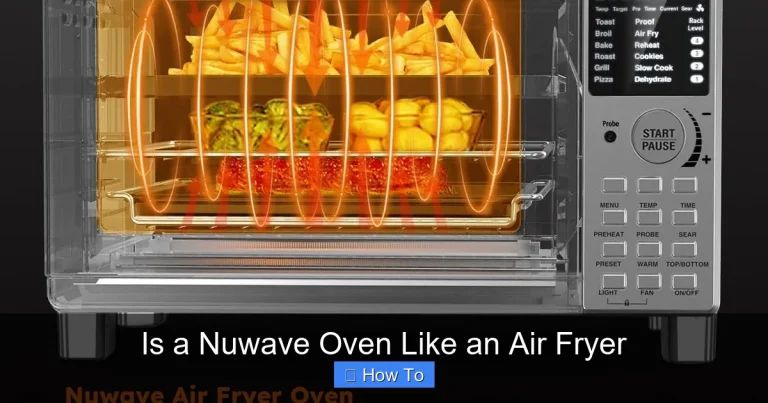
Most models feature a removable basket or tray that you slide into the unit. A heating element sits above the basket, and a fan blows air downward, creating a high‑speed vortex. This rapid airflow strips moisture from the surface of the food, resulting in a crispy exterior and juicy interior. Because the air moves so quickly, cooking times are often cut in half compared to a conventional oven.
Typical Uses
- Preparing frozen snacks such as fries, onion rings, and chicken nuggets
- Roasting small portions of salmon, chicken breasts, or tofu
- Reheating pizza or leftovers to restore a crunchy crust
- Quickly dehydrating vegetables for a healthy snack
How Does an Oven Work?
A traditional oven is a large, built‑in or freestanding appliance that heats food by radiating warmth from one or more elements. In a basic model, the element at the bottom and the one at the top generate heat that rises naturally, filling the cavity. Many modern ovens include a convection fan to distribute hot air more evenly, which reduces hot spots and speeds up cooking.
The interior space of a standard oven ranges from about five cubic feet to six and a half cubic feet, allowing you to roast a whole chicken, bake several loaves of bread, or prepare a multi‑course meal on multiple racks. Temperature control is precise, and most ovens can maintain a set point within a few degrees, which is crucial for delicate pastries and soufflés.
Types of Ovens
- Conventional ovens that rely on natural convection
- Convection ovens with a fan for improved air circulation
- Electric ovens with digital thermostats
- Gas ovens that provide a moist heat environment
Key Differences Between Air Fryer and Oven
Although both appliances use hot air, several factors distinguish them in everyday use.
Size and Capacity
An air fryer is roughly the size of a toaster oven, occupying a footprint of about 12 by 12 inches and standing 12 to 15 inches tall. It can comfortably hold a single plate of food. In contrast, a standard oven measures about 30 inches wide, 30 inches deep, and 30 inches high, providing ample room for large roasts, multiple baking sheets, or a full Thanksgiving turkey.
Think of it as a small oven that fits on your countertop, but with a much more powerful fan.
Energy Consumption
Because an air fryer heats a smaller volume, it typically consumes between 1,200 and 1,500 watts, while a full‑size oven can draw 2,000 to 3,000 watts. This difference can translate into lower electricity bills when you use the air fryer for quick meals instead of preheating a large oven.
Cooking Speed
Many users notice that an air fryer is faster than an oven for small portions, thanks to rapid air circulation. For example, a batch of frozen French fries can be ready in 12 minutes, whereas the same fries might take 20 minutes in a conventional oven. However, when cooking larger items, the oven’s larger cavity can be more efficient because it maintains a steady temperature without the need for constant airflow.
Texture and Browning
The intense airflow in an air fryer creates a crispier exterior on foods like chicken wings, onion rings, and even apple slices. The fan removes surface moisture quickly, producing a texture similar to deep frying. Ovens can also brown food, but they often require higher temperatures or longer cooking times to achieve the same level of crispiness.
Flexibility and Features
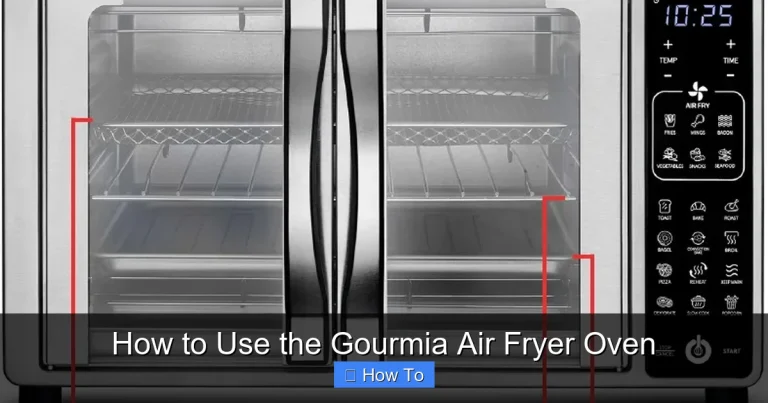
Many air fryers come with multiple presets for frying, roasting, baking, and dehydrating. Some models include a “keep warm” function or a timer with automatic shut‑off. Ovens may offer similar features, but they are typically designed for broader tasks such as baking, broiling, and self‑cleaning.
Performance and Cooking Results
The choice between an air fryer and an oven often depends on the type of food you plan to prepare and the texture you desire.
Crispy Foods
If you love French fries, chicken nuggets, or tempura, an air fryer delivers a satisfying crunch with minimal oil. The high‑speed fan removes moisture quickly, producing a texture similar to deep frying. For best results, shake the basket halfway through cooking to ensure even browning.
Baking and Roasting
For cakes, bread, or a whole roast, an oven provides the space and steady heat needed for even rising and browning. A convection oven can speed up the process, but it still requires more time than an air fryer for the same volume. When baking, place a sheet of aluminum foil on the lower rack to catch any drips and make cleanup easier.
Meal Prep and Large Batches
When feeding a family or prepping meals for the week, an oven’s multiple racks are a big advantage. You can bake a sheet of cookies while roasting vegetables on another level, something an air fryer cannot match. For batch cooking, consider using the oven’s “bake” and “broil” settings to finish dishes with a caramelized top.
Reheating Leftovers
An air fryer excels at reheating pizza, fries, or fried chicken, restoring a crisp crust that microwaves cannot achieve. Preheat the air fryer for 3 minutes, then cook the leftovers at 350°F for 3–5 minutes, depending on the portion size.
Which One Should You Choose?
Your decision may depend on how much you value speed, capacity, and crispiness, as well as the space you have in your kitchen.
Consider Your Cooking Habits
- If you often cook single servings or small snacks, an air fryer saves time and energy.
- If you frequently bake or roast large meals, an oven is more practical.
Space and Budget
Countertop space is limited in many kitchens. An air fryer takes up less room and usually costs less than a full‑size oven. However, if you already own a reliable oven, adding an air fryer might be a budget‑friendly upgrade for quick crisping tasks. Look for models with a large basket if you plan to cook for more than one person.
Hybrid Options
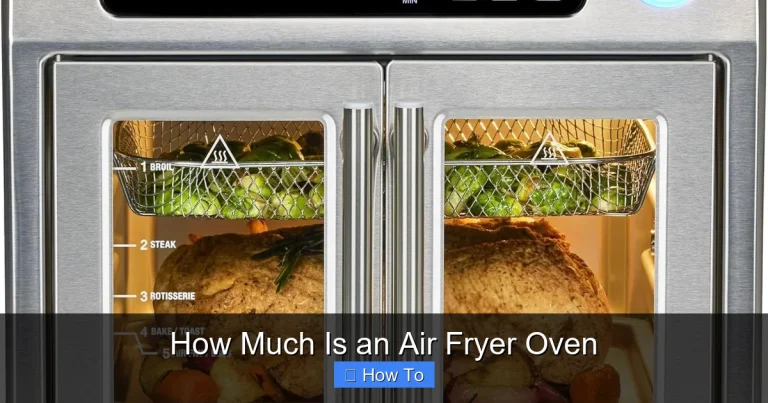
Some manufacturers combine both functions in a single unit. These mini convection oven models can act as a toaster oven, convection oven, and air fryer, offering versatility in a compact footprint. They often include a rotisserie and a warming tray, making them a multi‑purpose addition to a small kitchen.
Conclusion
In short, an air fryer is not exactly an oven, but it shares the basic principle of using hot air to cook. It excels at quick, crispy tasks, while an oven remains the workhorse for larger meals and baking. By matching the appliance to your cooking style, you can enjoy the best of both worlds. Whether you’re whipping up a single serving of fries or roasting a whole chicken, choosing the right tool will make your time in the kitchen more efficient and enjoyable.
Frequently Asked Questions
Is an air fryer the same as a regular oven?
No, an air fryer is a compact appliance that uses a fan to circulate hot air, while a regular oven is a larger cavity that heats food with elements and optional convection.
Can an air fryer replace a conventional oven?
It can replace an oven for small portions and quick, crispy foods, but it cannot match the capacity or baking performance needed for large meals or delicate pastries.
Does an air fryer use less energy than an oven?
Yes, because of its smaller size and lower wattage, an air fryer typically consumes less electricity per hour than a full‑size oven.
What types of food are best cooked in an air fryer?
Air fryers excel at frozen snacks, chicken wings, fries, and any food that benefits from a crispy exterior with minimal oil.
Can you bake in an air fryer?
Some air fryers have a bake function and can handle small cakes or cookies, but they are not a substitute for a full‑size oven when baking larger quantities.
How do you clean an air fryer?
Remove the basket and wash it with warm, soapy water. Wipe the interior with a damp cloth; avoid submerging the heating element or fan assembly.