Is an Air Fryer Just an Oven
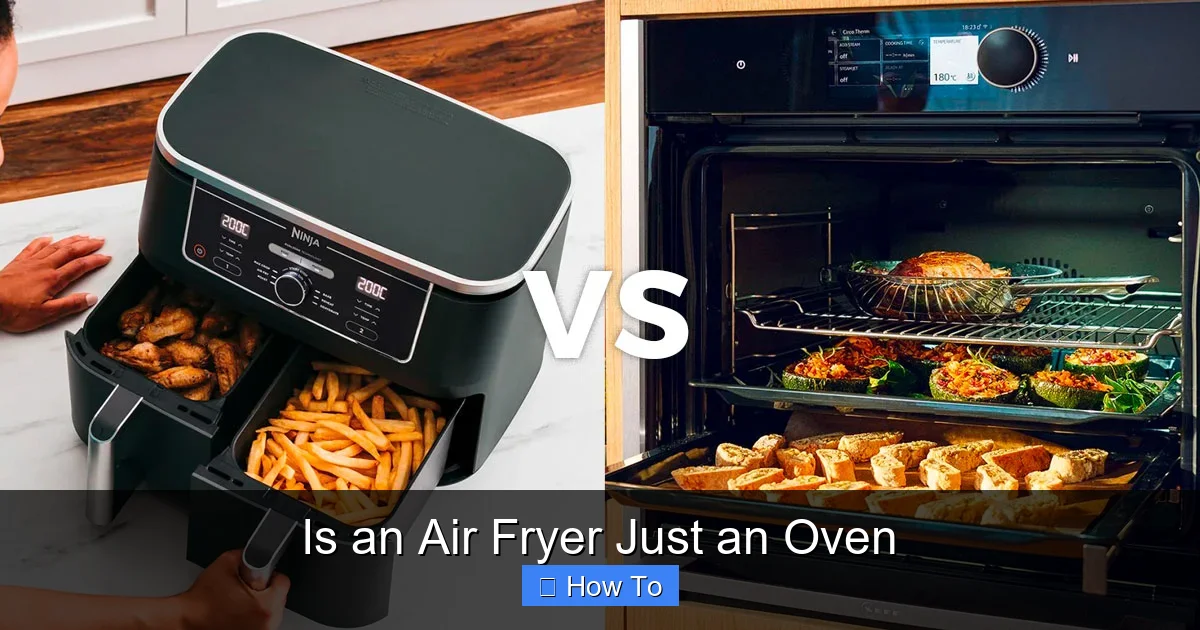
An air fryer uses rapid hot air circulation to mimic deep‑frying results with little oil, while a traditional oven relies on radiant heat and, in many models, a convection fan. Though both appliances move hot air, the air fryer’s compact basket and higher fan speed create a crispier exterior faster than most ovens can achieve. Understanding these nuances helps you decide when each tool shines in the kitchen.
Key Takeaways
- Air fryers are mini convection ovens: They use a high‑speed fan and a heating element to circulate hot air around food, similar to a convection oven but in a much smaller chamber.
- Ovens provide more even baking: Larger cavity and multiple rack positions allow for uniform heat distribution, making them better for cakes, breads, and roasting large cuts of meat.
- Air fryers excel at crispiness: The rapid airflow and close proximity of the heating element produce a crunchy exterior with far less oil than deep‑frying.
- Ovens are more versatile for large batches: With greater capacity, you can cook multiple trays of cookies, a whole turkey, or a lasagna without needing to work in batches.
- Energy use differs: Air fryers typically preheat faster and consume less electricity for small meals, while ovens may be more efficient for big‑volume cooking.
- Choose based on your needs: If you want quick, crispy snacks or small‑portion meals, reach for the air fryer; for baking, roasting large items, or meal‑prep for a crowd, the oven is the better choice.
📑 Table of Contents
Understanding How an Air Fryer Works
When you ask Is an Air Fryer Just an Oven, the first place to look is the mechanics inside the appliance. An air fryer contains a heating element located above a food basket and a powerful fan that pulls air through the element, heating it rapidly before forcing it down onto the food. This creates a vortex of hot air that surrounds the food from all sides, similar to the way a convection oven circulates heat, but the chamber is much smaller.
The compact design means the distance between the heating element and the food is only a few inches, which intensifies the heat transfer. Because the fan spins at speeds often exceeding 3,000 RPM, the air moves quickly, removing moisture from the surface of the food and promoting Maillard browning—the chemical reaction that gives fried foods their golden crunch.
Most air fryers also include a perforated basket or tray that allows air to flow underneath the food, preventing soggy bottoms. Some models even have a rotating paddle or a dual‑zone system that lets you cook two different items at once. All of these features combine to give the air fryer its reputation for delivering “fried‑like” results with just a tablespoon of oil or less.
Why the Fan Speed Matters
The fan speed is a key differentiator when considering Is an Air Fryer Just an Oven. In a standard convection oven, the fan typically runs at around 1,000 to 1,500 RPM, which is sufficient for even baking but not intense enough to produce a rapid crust on small items. The air fryer’s higher RPM creates a stronger jet of hot air that can crisp the exterior of fries, chicken wings, or breaded fish in a fraction of the time.
Because the air moves so quickly, the surface temperature of the food can rise above 200 °C (392 °F) while the interior stays moist. This contrast is harder to achieve in a larger oven where the air velocity is lower and the heat is more diffuse.
Temperature Control and Preheat Times
Air fryers usually reach their set temperature in under three minutes, thanks to the small volume of air that needs heating. A conventional oven, especially a large one, can take 10‑15 minutes to preheat to the same temperature. This rapid heat‑up is another reason many users find the air fryer more convenient for quick snacks or weeknight meals.
How a Traditional Oven Works
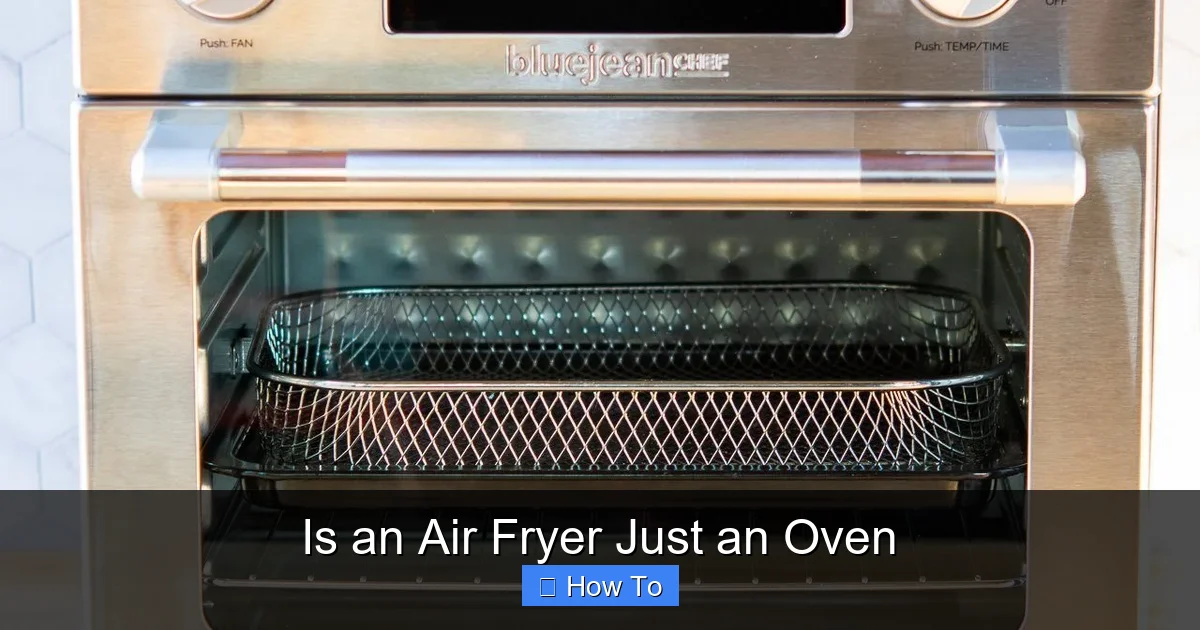
To answer Is an Air Fryer Just an Oven fully, we must examine the oven’s heating methods. Most home ovens use either radiant heat from top and bottom heating elements or a combination of radiant heat and a convection fan. In a conventional (non‑convection) oven, heat radiates from the elements and gradually warms the air inside the cavity. Food cooks primarily by absorbing this radiant energy and by conduction from the hot air that surrounds it.
Visual guide about Is an Air Fryer Just an Oven
Image source: bluejeanchef.com
Convection ovens add a fan that circulates the hot air, reducing hot spots and promoting more even cooking. However, even with a fan, the airflow speed is generally lower than that of a dedicated air fryer, and the larger cavity means the air has more space to lose velocity before it reaches the food.
Ovens also offer multiple rack positions, broilers, and sometimes steam or pizza‑stone functions. These additional features expand the range of dishes you can prepare, from delicate soufflés to large roasts.
Radiant vs. Convective Heat
When you bake a cake, the radiant heat from the top and bottom elements creates a gentle, uniform rise. The convection fan, if present, helps move the hot air around the pan, preventing one side from browning too quickly. In contrast, an air fryer’s design focuses the hot air directly onto the food, which is excellent for crisping but can cause delicate baked goods to dry out if not monitored.
Because the oven’s heating elements are often located at the top and bottom, you can also use the broiler function to deliver intense top‑down heat for finishing dishes like gratins or melting cheese—a capability most air fryers lack.
Capacity and Flexibility
A standard oven can accommodate multiple trays, a large roasting pan, or even a turkey that weighs over 20 lb. This capacity makes ovens indispensable for holiday meals, batch baking, or preparing food for a crowd. Air fryers, by contrast, usually hold between 2 and 6 quarts of food, which limits you to smaller portions or requires you to cook in batches.
If you frequently entertain or enjoy meal‑prepping large quantities, the oven’s size advantage often outweighs the air fryer’s speed benefits.
Key Differences Between Air Fryers and Ovens
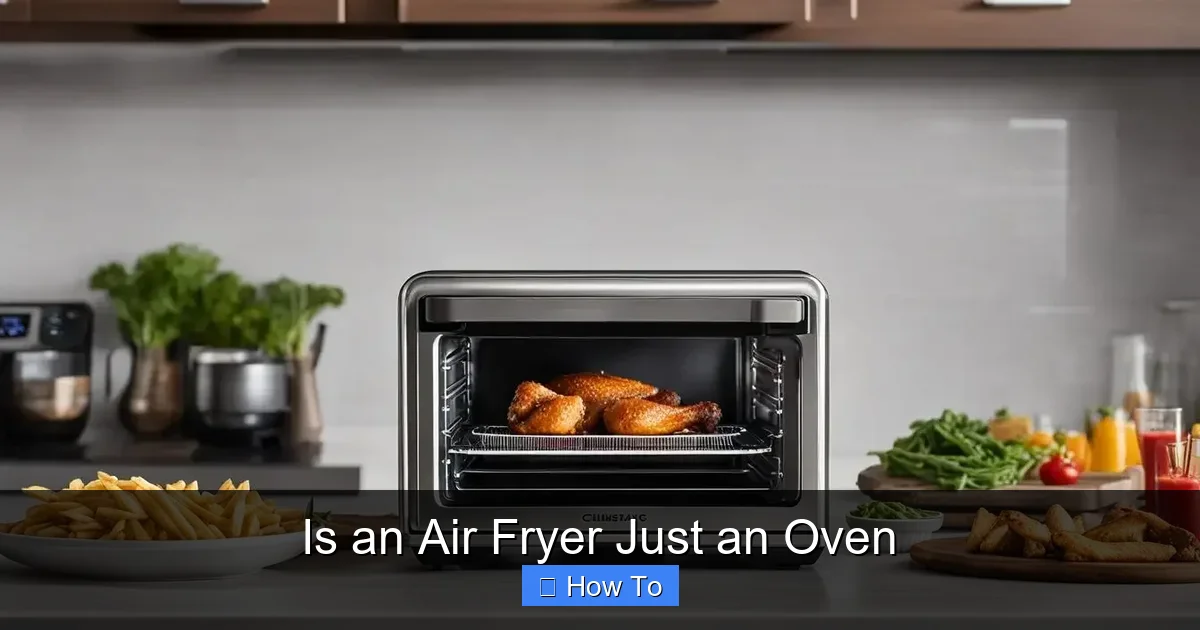
Now that we’ve covered how each appliance works, let’s directly compare them to answer Is an Air Fryer Just an Oven with concrete points.
Visual guide about Is an Air Fryer Just an Oven
Image source: airfryeraid.com
Cooking Speed
Air fryers typically cook frozen fries, chicken nuggets, or small vegetable batches 20‑30% faster than a preheated convection oven. The high‑velocity air removes surface moisture quickly, leading to faster browning. For larger items like a whole chicken, the oven may still be faster because the air fryer’s basket cannot accommodate the bird without cutting it up.
Oil Usage
One of the biggest selling points of air fryers is the ability to achieve a fried texture with little to no oil. A light spray or toss of oil is often enough. In an oven, achieving a similar crispness usually requires more oil or a finishing step under the broiler.
Texture and Flavor
Because the air fryer’s hot air surrounds the food on all sides, the crust tends to be more uniform. Ovens can produce excellent results, but you may need to flip or rotate the food to avoid uneven browning, especially when using a single rack.
Energy Consumption
For small meals, an air fryer uses less electricity because it heats a smaller space and reaches temperature quickly. For large‑volume cooking, an oven can be more efficient per pound of food since you can cook more at once.
Cleanup and Maintenance
Air fryer baskets and trays are usually dishwasher safe and have non‑stick coatings, making cleanup quick. Ovens may require scrubbing of racks, walls, and glass doors, especially after roasting or baking with sugary glazes.
When to Choose an Air Fryer Over an Oven
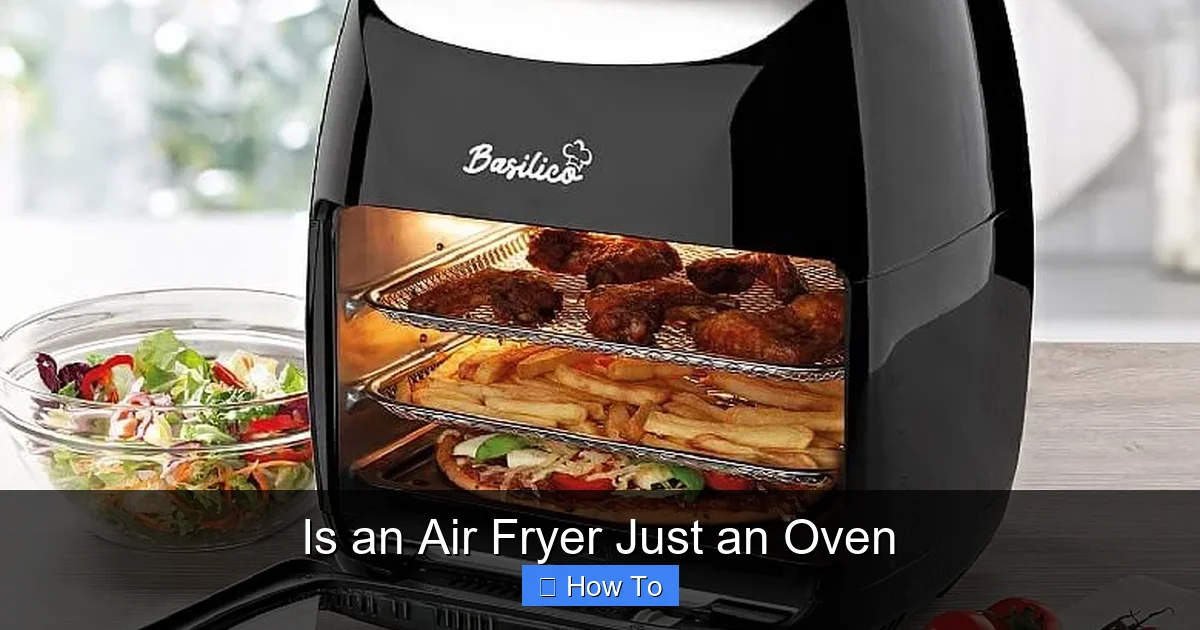
Understanding the scenarios where an air fryer outperforms an oven helps clarify Is an Air Fryer Just an Oven in practical terms.
Visual guide about Is an Air Fryer Just an Oven
Image source: coopersofstortford.co.uk
Snacks and Appetizers
If you’re making mozzarella sticks, onion rings, or homemade potato chips, the air fryer delivers a crisp exterior in under 15 minutes with minimal oil. The oven would need a higher temperature and longer time to achieve the same crunch.
Reheating Leftovers
Reheating pizza, fried chicken, or French fries in an air fryer restores the original texture far better than a microwave and often quicker than an oven, which can dry out the edges.
Small‑Portion Meals
For a single serving of salmon, a small steak, or a handful of roasted vegetables, the air fryer’s rapid heat‑up and compact basket mean you spend less time waiting and less energy heating a large cavity.
Health‑Focused Cooking
When you want to cut down on added fats, the air fryer’s ability to crisp with a teaspoon of oil makes it a go‑to for healthier versions of traditionally fried foods.
Quick Breakfast Items
Items like bacon, hash browns, or frozen breakfast sandwiches cook quickly and evenly in an air fryer, freeing up your oven for other morning tasks.
When an Oven Might Be the Better Choice
Even though the air fryer offers many advantages, there are clear cases where answering Is an Air Fryer Just an Oven with “yes” would be misleading.
Baking and Pastry
Cakes, cookies, breads, and pastries rely on even, gentle heat to rise properly. An oven’s larger cavity and ability to place racks at different heights provide the uniform environment needed for these delicate items. An air fryer’s intense, focused airflow can cause the tops to brown too fast while the centers remain undercooked.
Roasting Large Cuts of Meat
A whole turkey, a large prime rib, or a pork shoulder benefits from the oven’s ability to surround the meat with hot air from all sides while maintaining a stable temperature over several hours. Trying to fit such a large piece in an air fryer basket would require cutting it into smaller parts, which changes the cooking dynamics.
Multi‑Dish Meals
When you need to cook a starch, a vegetable, and a protein simultaneously, an oven’s multiple racks let you do everything at once. An air fryer would require you to cook each component in batches, extending total preparation time.
Broiling and Finishing
The broiler element in an oven provides intense top‑down heat perfect for melting cheese on a casserole, browning the top of a lasagna, or giving a steak a quick sear. Most air fryers lack a dedicated broiler function.
Long, Slow Cooking
Recipes that call for low‑and‑slow cooking, such as braised short ribs or dried fruit, rely on the oven’s ability to maintain a low temperature for hours without drying out the food. Air fryers are generally not designed for such extended low‑heat periods.
Practical Tips for Getting the Best Results from Both Appliances
Regardless of which side of the Is an Air Fryer Just an Oven debate you lean on, a few best practices can help you maximize performance.
Don’t Overcrowd the Basket
Air fryers rely on unimpeded airflow. If you pile food too high, the hot air cannot circulate effectively, resulting in uneven cooking. Cook in a single layer, shaking the basket halfway through for items like fries or vegetables.
Use a Light Oil Spray
Even though you can cook with little to no oil, a fine mist of oil helps conduct heat and promotes browning. An oil sprayer or a pastry brush works well.
Preheat When Needed
While many air fryer recipes say preheating isn’t necessary, preheating for 2‑3 minutes can improve results for breaded items or when you’re aiming for a extra‑crispy crust.
Leverage the Oven’s Convection Setting
If your oven has a convection fan, use it for cookies, roasted vegetables, or pizza to mimic some of the air fryer’s airflow benefits while still enjoying the larger capacity.
Monitor Temperature with a Probe
For meats, an instant‑read thermometer ensures you don’t overcook in either appliance. Air fryers can cook thin cuts quickly, so checking early prevents dryness.
Clean After Each Use
Residue buildup can affect airflow and heating efficiency. Wash the basket, tray, and any accessories after each use, and wipe down the oven interior regularly to prevent smoke or off‑flavors.
Conclusion: Is an Air Fryer Just an Oven?
After exploring the mechanics, differences, and ideal use cases, we can answer the question Is an Air Fryer Just an Oven with a nuanced “yes, but…”. Both appliances rely on moving hot air to cook food, and an air fryer is essentially a mini, high‑speed convection oven. However, the differences in size, fan speed, heating element placement, and overall versatility mean they are not interchangeable for every task.
If your primary goal is quick, crispy snacks, small‑portion meals, or healthier fried‑style foods, the air fryer shines. For baking, roasting large items, preparing multiple dishes simultaneously, or utilizing functions like broiling and slow cooking, the traditional oven remains indispensable.
Ultimately, having both tools in your kitchen gives you the flexibility to choose the right appliance for the job, saving time, energy, and ensuring your food turns out exactly as you like it.
Frequently Asked Questions
Can I bake a cake in an air fryer?
You can bake small cakes or muffins in an air fryer, but the results may differ from oven‑baked versions due to the intense airflow and smaller space. It’s best to use recipes specifically designed for air fryer baking and to monitor the cake closely to avoid over‑browning on the top.
Do air fryers use more electricity than ovens?
For small meals, air fryers typically use less electricity because they heat a smaller volume and reach temperature faster. For large‑volume cooking, an oven can be more efficient per pound of food since you can cook more at once.
Is it safe to put aluminum foil in an air fryer?
Yes, you can use aluminum foil in an air fryer as long as it does not block the airflow. Place the foil on the bottom of the basket or wrap food loosely, ensuring the hot air can still circulate around the items.
Why does my food come out soggy in the air fryer?
Soggy results usually happen when the basket is overcrowded, the food is too wet, or the temperature is set too low. Pat food dry, cook in a single layer, and increase the temperature or cooking time slightly to achieve crispiness.
Can I use an air fryer to dehydrate foods?
Many air fryer models include a dehydrate function or run at low temperatures (around 50‑60 °C) with the fan on, which works well for making dried fruits, jerky, or herb chips. Check your manual for the specific dehydration settings.
What’s the best way to clean the heating element of an air fryer?
Unplug the unit and let it cool completely. Use a soft, damp cloth to wipe the element gently; avoid abrasive scrubbers or submerging the element in water. Refer to the manufacturer’s guide for any model‑specific cleaning advice.