Is an Air Fryer Toaster Oven Worth It
An air fryer toaster oven combines air frying and toasting in one compact unit, offering a space‑saving solution for small kitchens. It cooks quickly, uses convection for crispiness, and can replace both a traditional oven and a toaster, potentially lowering energy costs.
Walking through the kitchen aisle, you might have noticed a new category of appliances that promise to do more with less. The air fryer toaster oven is one such device that claims to combine the crispiness of an air fryer with the even toasting of a conventional oven. For many home cooks, the question is simple: is this hybrid gadget worth the counter space and the price tag?
In this guide, we will break down exactly what an air fryer toaster oven is, how it works, the benefits you can expect, the drawbacks you should know, and how its price compares to standalone units. By the end, you will have a clear picture of whether this appliance belongs in your kitchen routine.
Key Takeaways
- Point 1: It merges air fryer and toaster oven functions into a single appliance.
- Point 2: The compact design saves valuable counter space.
- Point 3: It typically cooks faster than a conventional oven.
- Point 4: Using convection heating can reduce energy consumption.
- Point 5: Multiple cooking modes allow for baking, roasting, and dehydrating.
- Point 6: Capacity may be limited compared to a full‑size oven.
📑 Table of Contents
What Is an Air Fryer Toaster Oven?
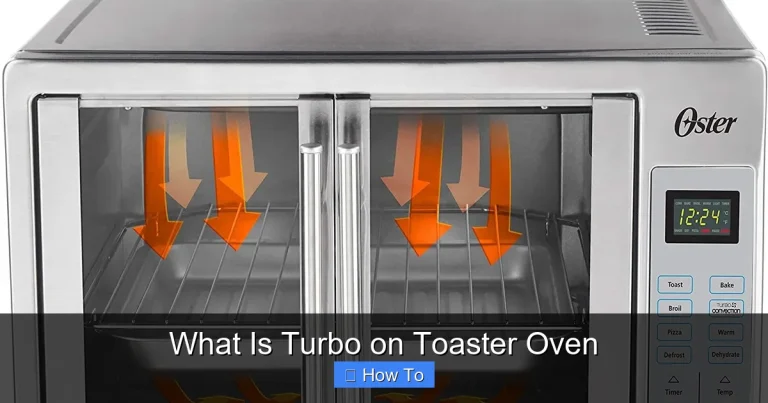
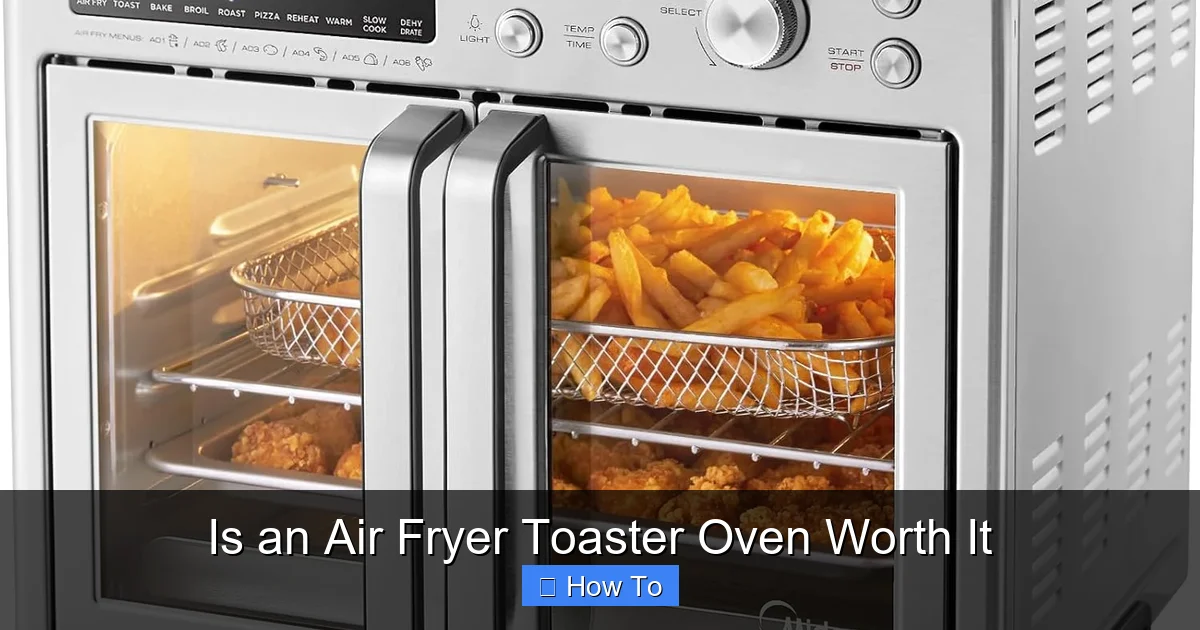
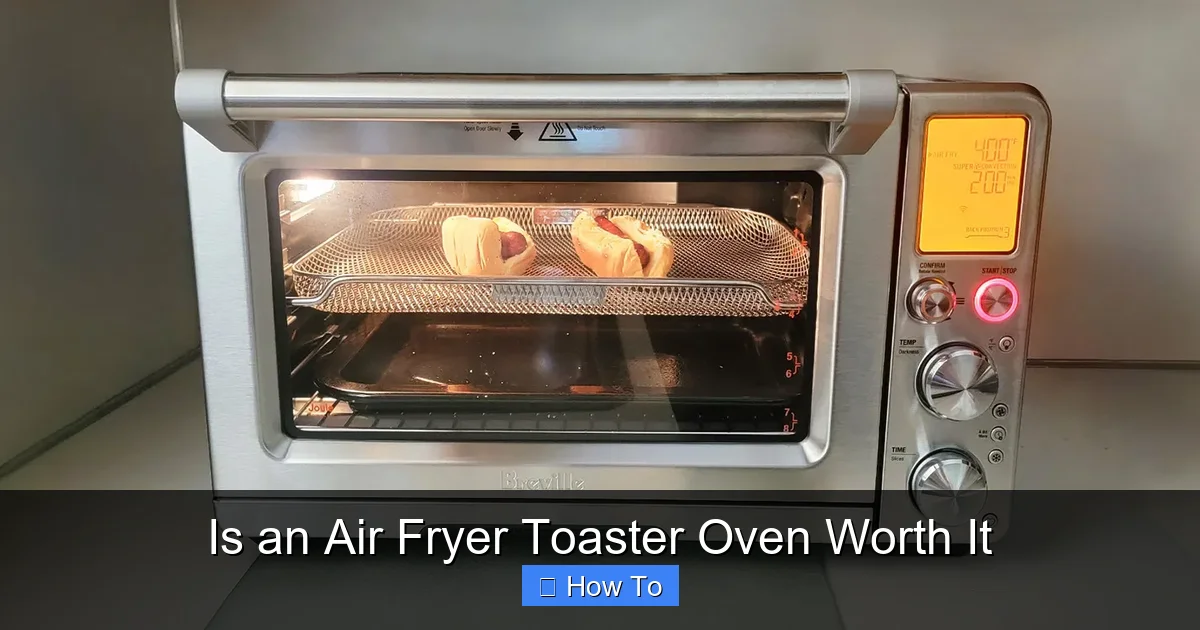
An air fryer toaster oven is a countertop appliance that merges the functionality of a traditional toaster oven with the high‑speed convection heating found in an air fryer. It typically features a heating element on the top and bottom, a powerful fan, and a removable basket or tray that allows hot air to circulate around the food.
Unlike a standard oven that relies primarily on radiant heat, this device uses a fan to create a vortex of hot air. That vortex is what gives fried foods their characteristic crunch without the need for deep frying. The result is a crispy exterior and a tender interior, all in a fraction of the time.
If you want to understand exactly what an air fryer toaster oven is, our detailed guide on what is an air fryer toaster oven explains the basics in plain language, covering everything from wattage to basket size.
Design and Build
Most models are constructed from stainless steel or painted metal, with a glass door that lets you monitor cooking without opening the unit. The interior is usually coated with a non‑stick material, which makes cleanup easier and prevents food from sticking. The size of the appliance varies, but many units can accommodate a 12‑inch pizza or a small chicken, making them ideal for apartments, dorm rooms, or small families.
Control Panel
The control panel often includes a digital display, a timer, and buttons for different modes such as bake, broil, roast, and of course, air fry. Some higher‑end models add a dehydrate function, which is handy for making beef jerky or dried fruit. A few units even offer a “keep warm” setting, allowing you to hold food at a safe temperature until serving.
Comparison with a Regular Toaster
To understand how it differs from a regular toaster, see our comparison is air fryer the same as toaster oven. This article explores the subtle differences in heating elements, air circulation, and the types of foods each appliance handles best.
How Does It Work?
The core of the air fryer toaster oven is its convection system. When you set a temperature, the heating elements glow, and the fan blows the hot air around the chamber. This rapid movement removes moisture from the surface of the food, creating a crispy exterior while keeping the inside tender.
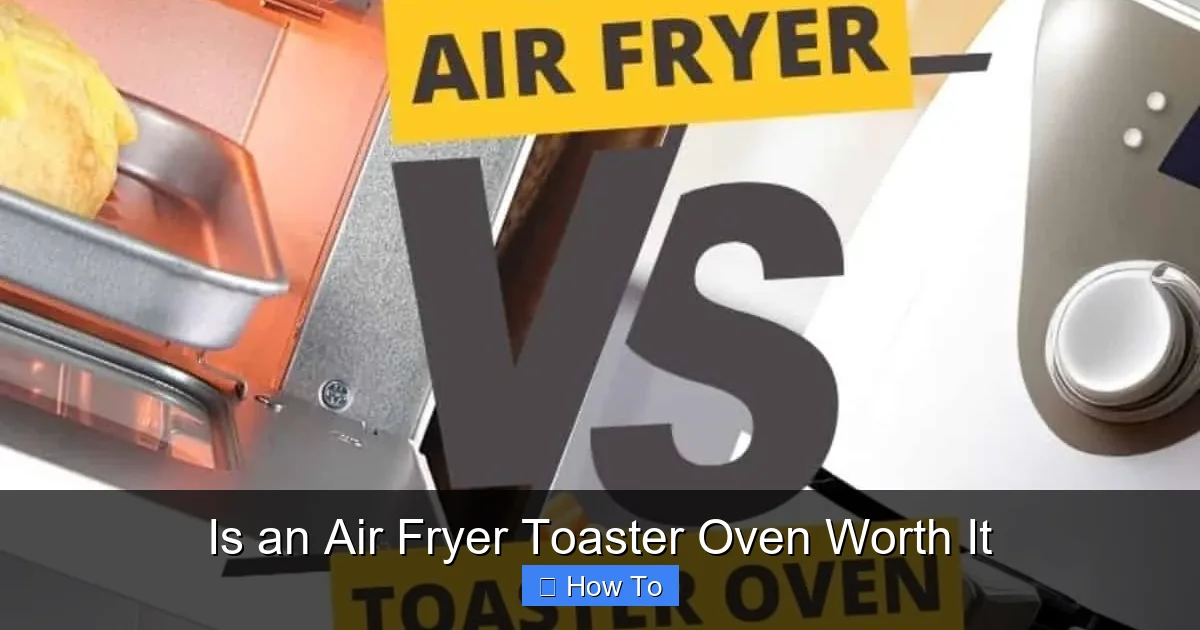
Visual guide about Is an Air Fryer Toaster Oven Worth It
Image source: alsothecrumbsplease.com
Because the air circulates so efficiently, the appliance can reach cooking temperatures faster than a conventional oven. For example, a chicken breast that would take 30‑40 minutes in a traditional oven can be ready in about 20 minutes in the air fryer toaster oven. This speed not only saves time but also reduces energy consumption.
Temperature and Time Settings
Most units allow you to adjust the temperature from 150°F to 450°F. The timer typically goes up to 60 minutes, but some models offer longer cycles for slow cooking. A useful tip is to preheat the oven for 3‑5 minutes; this short preheat helps achieve an even crust on foods like French fries or onion rings.
Using the Basket
The removable basket is designed to let air flow around each piece of food. For best results, avoid overcrowding the basket; a single layer allows the hot air to touch every surface. If you need to cook a larger batch, shake the basket halfway through to promote even browning. This simple technique can make the difference between soggy and crispy results.
Cleaning and Maintenance
While many models have non‑stick coatings, the fan and heating element can accumulate grease over time. Regular cleaning is necessary to prevent smoke and odors. Some units have a removable drip tray, which makes cleanup easier, but it still requires a quick wipe after each use. A mild detergent and a soft sponge are usually sufficient to keep the interior spotless.
Key Benefits You’ll Notice
One of the biggest draws of this appliance is its ability to multitask. It can replace a toaster, a small oven, and an air fryer, freeing up valuable counter space. That alone can be a selling point for anyone living in a studio apartment or a tiny house where every inch counts.
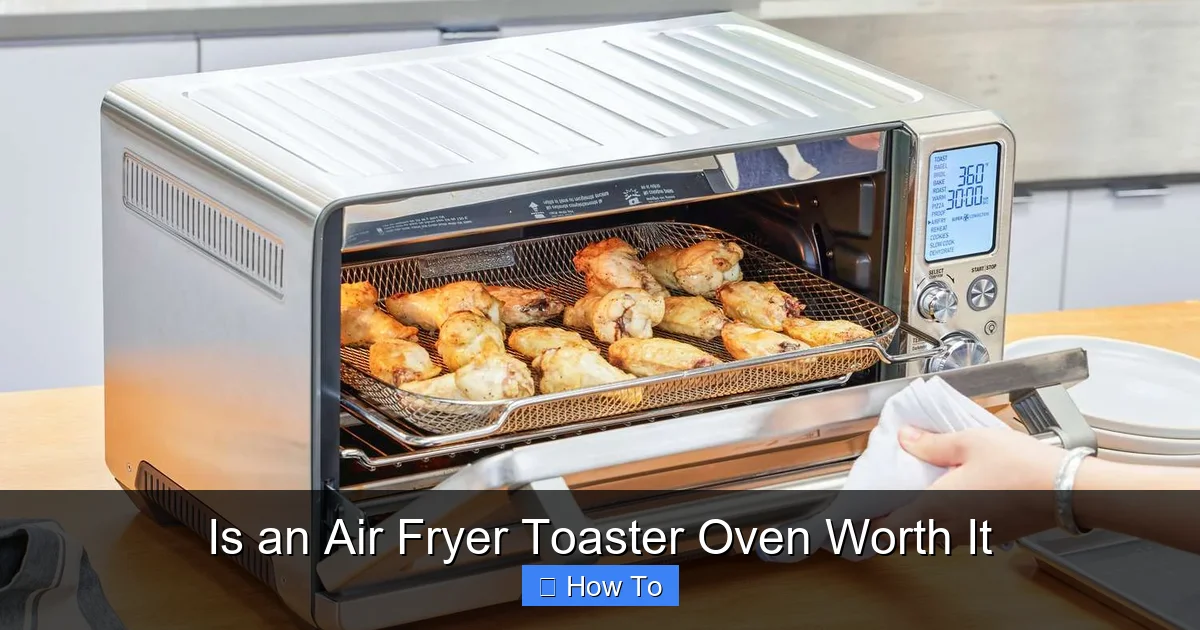
Visual guide about Is an Air Fryer Toaster Oven Worth It
Image source: seriouseats.com
Speed and Efficiency
Because the convection fan moves heat quickly, meals are ready in a fraction of the time a regular oven would take. This speed not only saves time but also reduces energy consumption. A 1500‑watt air fryer toaster oven uses roughly the same electricity as a 2000‑watt conventional oven, but it finishes cooking sooner, so the overall energy draw is lower. Over a year, this can translate to a noticeable reduction in your utility bill.
Healthier Cooking
Traditional frying requires a significant amount of oil, which adds calories and fat. The air fryer function uses only a light spray, or none at all, to achieve a similar texture. This makes it easier to enjoy crispy foods without the guilt, especially for those watching their fat intake. For example, you can make golden‑brown chicken wings with just a teaspoon of oil, compared to a whole cup used in deep frying.
Versatility
From reheating leftovers to baking a small cake, the appliance can handle a wide range of tasks. Many users find they can skip the microwave for certain items, because the convection heat produces a better texture. For instance, a slice of pizza reheated in the air fryer toaster oven comes out with a crisp crust, unlike the soggy result from a microwave. It can also roast vegetables, bake cookies, and even dehydrate fruit, making it a true all‑in‑one solution.
Space‑Saving Design
The compact footprint means you can place it on a countertop, a pantry shelf, or even a small kitchen island. By eliminating the need for separate appliances, you reduce clutter and create a more organized cooking environment. This is especially beneficial in small kitchens where counter space is at a premium.
Potential Drawbacks and Limitations
No appliance is perfect, and the air fryer toaster oven has its quirks. Understanding these can help you decide if the trade‑offs are acceptable for your lifestyle.
Visual guide about Is an Air Fryer Toaster Oven Worth It
Image source: cdn.bestreviews.com
Capacity Constraints
The interior volume is limited compared to a full‑size oven. If you regularly cook for a large family or prepare multiple dishes at once, you might find yourself needing to cook in batches. This can be a minor inconvenience, but it may affect meal planning for big gatherings. For example, roasting a whole turkey may require a traditional oven, while the air fryer toaster oven can handle a small chicken or a few portions of meat.
Learning Curve
Getting the perfect crispiness sometimes requires a bit of experimentation. Factors such as food size, arrangement, and preheating can influence the outcome. New users may experience a few over‑cooked or under‑cooked items before mastering the technique. Keeping a simple log of settings and results can help you refine your approach over time.
Cleaning and Maintenance
While many models have non‑stick coatings, the fan and heating element can accumulate grease over time. Regular cleaning is necessary to prevent smoke and odors. Some units have a removable drip tray, which makes cleanup easier, but it still requires a quick wipe after each use. A mild detergent and a soft sponge are usually sufficient to keep the interior spotless. Additionally, the exterior should be wiped down to maintain its appearance.
Noise Level
The fan that enables rapid air circulation can produce a noticeable hum, which may be louder than a traditional toaster oven. If you plan to use the appliance late at night or in a quiet environment, consider this factor. Some models are designed with quieter motors, but it’s worth checking user reviews for noise feedback.
Price vs. Performance
The cost of an air fryer toaster oven varies widely, from budget models around $80 to premium versions exceeding $300. The price often reflects additional features such as a larger capacity, more cooking modes, or a stainless‑steel finish. When evaluating price, it’s important to consider both upfront cost and long‑term value.
To see how it stacks up against other options, check out the comparison article which is better air fryer vs toaster oven. It breaks down performance, price, and user ratings, helping you decide which model offers the best value for your kitchen.
Budget Considerations
If you’re on a tight budget, a mid‑range model with basic functions can still deliver satisfactory results. Look for at least a 1500‑watt heating element and a fan that circulates air evenly. Reading user reviews can reveal hidden strengths or weaknesses that spec sheets don’t mention. For instance, some inexpensive models may have a shorter lifespan, while others may lack a timer, requiring manual monitoring.
Long‑Term Value
Consider the potential savings on electricity and the convenience of having one appliance instead of three. Over a year, the reduced cooking time and lower energy use can offset a portion of the initial cost, making the investment more appealing. Additionally, the durability of the unit plays a role; a well‑built model can last several years, spreading the cost over a longer period.
Warranty and Support
Many manufacturers offer a one‑year warranty, but some premium brands provide extended coverage. Check the warranty terms and the availability of customer support before purchasing. A reliable warranty can provide peace of mind, especially if you plan to use the appliance frequently.
Who Should Consider Buying One?
This appliance shines for individuals, couples, or small families who value counter space and quick meals. It’s also a great option for college students in dorms where a full kitchen isn’t available. Additionally, health‑conscious cooks who want to reduce oil intake will find the air fryer mode particularly useful.
Perfect for Small Kitchens
If your kitchen has limited countertop real estate, an air fryer toaster oven can replace a toaster, a microwave, and a small oven, freeing up space for other gadgets or food prep area. The compact design allows you to maximize your kitchen layout without sacrificing functionality.
Health‑Conscious Cooks
Those looking to reduce oil intake without sacrificing texture will appreciate the air fryer mode. It allows you to enjoy foods like French fries, chicken wings, and even doughnuts with a fraction of the fat. By using a light spray or omitting oil altogether, you can create healthier versions of your favorite crispy treats.
Entertainers and Meal Preppers
For people who like to host small gatherings, the appliance can quickly produce appetizers or side dishes. Meal preppers can batch‑cook proteins and vegetables, then store them for easy reheating later. The ability to cook multiple items at once, or to keep food warm, makes it a versatile tool for entertaining.
Busy Professionals
If you have a demanding schedule, the speed and convenience of an air fryer toaster oven can help you put together nutritious meals without spending too much time in the kitchen. Quick reheating, fast cooking, and minimal cleanup make it an ideal solution for busy lifestyles.
Final Verdict
In summary, an air fryer toaster oven offers a compelling blend of speed, versatility, and space‑saving design. While it may not replace a large oven for holiday feasts, it excels at everyday cooking tasks and can significantly streamline your kitchen workflow. The ability to fry, bake, roast, and dehydrate from a single unit makes it a valuable addition to many households.
If you value quick, healthy meals and have limited counter space, the investment is likely worthwhile. However, if you frequently cook for large groups or need high capacity, you might still want to keep a traditional oven on hand. Weighing your specific needs against the pros and cons will help you decide if this appliance is the right fit for your kitchen.
Frequently Asked Questions
What is an air fryer toaster oven?
An air fryer toaster oven is a countertop appliance that combines the functions of a toaster oven with the high‑speed convection heating of an air fryer, allowing you to fry, bake, and toast with less oil.
How does it compare to a regular toaster oven?
It uses a fan to circulate hot air, which creates a crispier texture faster than a regular toaster oven that relies mainly on radiant heat.
Can it replace a conventional oven?
For most everyday meals it can replace a conventional oven, but for large dishes like a whole turkey you may still need a full‑size oven.
Is it healthier than deep frying?
Yes, because it uses hot air instead of submerging food in oil, it significantly reduces fat and calories while still delivering a crispy result.
How much does an air fryer toaster oven cost?
Prices range from about $80 for basic models to over $300 for premium versions with extra features and larger capacities.
What are the main drawbacks?
The main drawbacks include limited interior capacity, a learning curve for perfect crispiness, and the need for regular cleaning to prevent grease buildup.