Is Ballarini Cookware Oven Safe
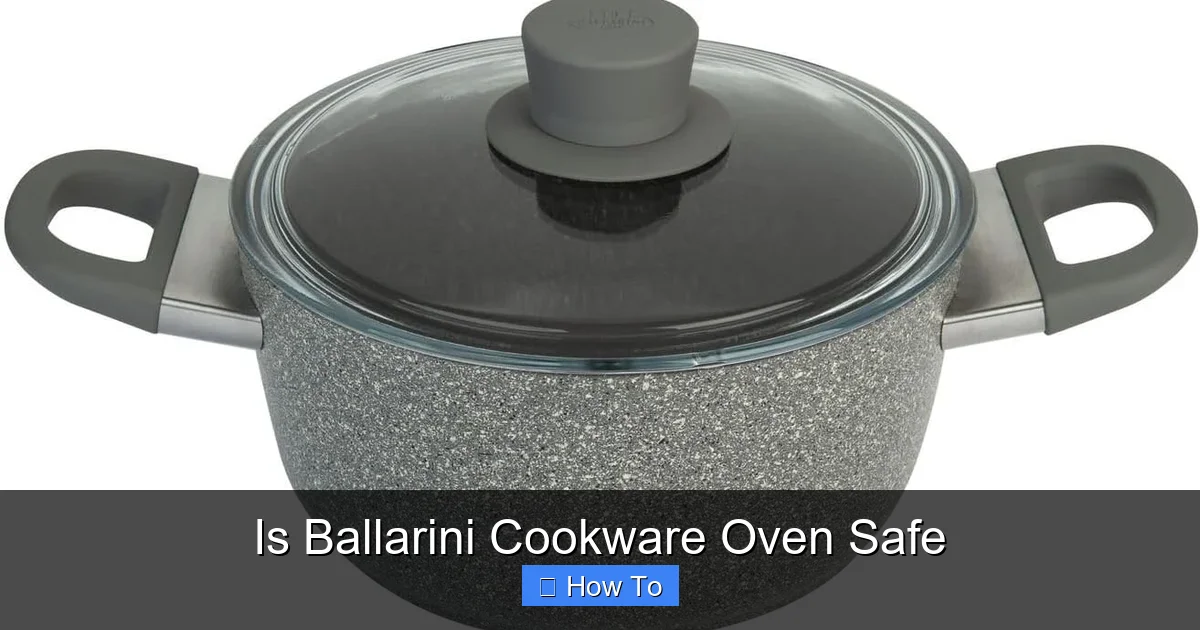
Ballarini cookware is typically oven safe up to 350°F (175°C), though some models may tolerate higher heat. This guide covers the materials used, temperature guidelines, and practical tips for baking with your pans. By following these recommendations, you can confidently use your Ballarini set in the oven while preserving its performance.
Is Ballarini Cookware Oven Safe? This is a common question among home chefs who want to transition from stovetop to oven cooking. Ballarini has built a reputation for affordable, high‑quality nonstick and stainless steel pans that perform well on the stove, but many users wonder whether those same pans can withstand the heat of an oven.
Understanding the answer requires a look at the materials used in each piece, the manufacturing process, and the temperature limits set by the manufacturer. In this guide we will break down the key factors that determine oven safety, offer practical tips for baking with Ballarini, and highlight common mistakes to avoid. By the end you will feel confident about putting your Ballarini set in the oven.
Is Ballarini Cookware Oven Safe is a question many new owners ask when they first bring a set home. The answer depends on the specific model and how you use it.
Key Takeaways
- Point 1: Most Ballarini cookware is oven safe up to 350°F (175°C), but some pieces may allow higher temperatures.
- Point 2: The stainless steel and cast aluminum construction can tolerate higher heat, while nonstick coatings limit the safe temperature.
- Point 3: Always look for the manufacturer’s label or user manual to confirm the exact oven temperature rating for each pan.
- Point 4: Avoid rapid temperature changes, such as placing a hot pan in cold water, to prevent warping or damage.
- Point 5: When baking, use low to medium heat settings to stay within the safe range.
- Point 6: Hand washing is recommended to maintain the pan’s oven‑safe properties over time.
📑 Table of Contents
What Is Ballarini Cookware Made Of?
Core Materials
Ballarini pans typically feature a base made from cast aluminum or stainless steel, which provides even heat distribution. The aluminum core is lightweight and conducts heat quickly, while stainless steel adds durability and resistance to warping. These materials are inherently oven safe, but the overall temperature limit depends on the coating and any additional layers.
The manufacturing process often involves bonding the aluminum core to the stainless steel exterior, creating a sandwich that spreads heat uniformly. This construction helps prevent hot spots that can lead to uneven cooking or damage to the nonstick layer.
The aluminum used in Ballarini pans is often an alloy, which improves strength while keeping the weight low. This alloy can be safely heated to the same temperatures as pure aluminum, but it still requires the protective nonstick layer for oven use.
Nonstick Coatings
Many Ballarini pieces include a nonstick layer, often a ceramic or PTFE‑based coating. While these coatings make food release easy, they also introduce a lower maximum temperature. Most nonstick coatings begin to degrade around 350°F (175°C), which is why manufacturers often specify that limit. If your pan has a nonstick surface, you should stay below that temperature when baking.
Ballarini’s nonstick technology often involves a multi‑layer application that bonds the coating to the metal substrate. This bonding process helps the coating withstand typical cooking temperatures, but it also means that extreme heat can compromise the adhesion. When the coating begins to peel or bubble, it is a sign that the pan has been exposed to temperatures beyond its safe range.
Ceramic nonstick coatings are generally more heat‑resistant than PTFE‑based ones, but both have their own temperature ceilings. Ballarini typically uses a proprietary blend that balances durability with release performance.
Oven Safety Basics for Ballarini
General Temperature Limits
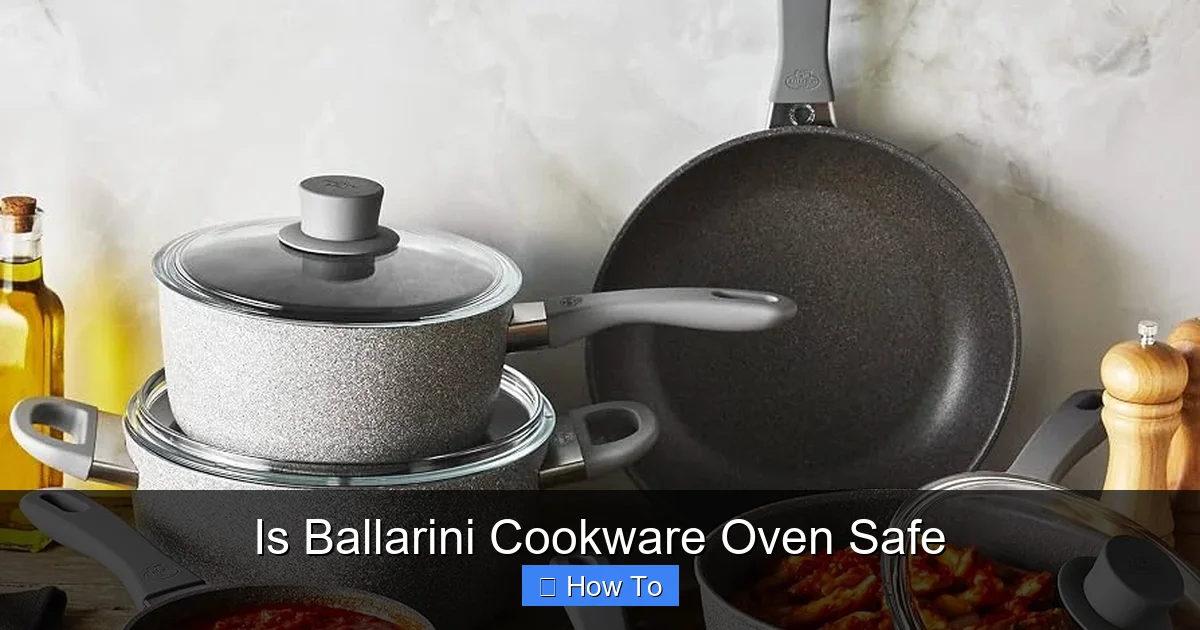
For most Ballarini cookware, the safe oven temperature is up to 350°F (175°C). This limit applies to both nonstick and stainless steel pieces, though some stainless steel pans can tolerate higher heat. Always refer to the specific rating for your model, as some newer lines may allow up to 400°F (204°C). Is Ballarini Cookware Oven Safe? The answer is yes within these bounds.
Visual guide about Is Ballarini Cookware Oven Safe
Image source: m.media-amazon.com
The reason manufacturers set a maximum temperature is to protect both the cookware and the food. At high heat, nonstick coatings can release fumes that may be harmful if inhaled, and the pan itself can become discolored or warped. By staying within the recommended range, you ensure a safer cooking environment and preserve the pan’s appearance.
Exceeding the recommended temperature not only risks damaging the pan but can also produce smoke and unpleasant odors in your kitchen.
Checking the Manufacturer’s Label
The easiest way to confirm the oven safety of a Ballarini pan is to look for a symbol or statement on the packaging or the bottom of the pan. Many pieces include a small oven icon with a temperature number. If you cannot find a label, consult the user manual or the official website. For a similar question, you might check whether Paula Deen porcelain cookware is oven safe.
Online forums and product reviews can also provide insight into the oven performance of specific Ballarini models. However, always prioritize the manufacturer’s specifications over anecdotal evidence.
If the label is missing, you can contact Ballarini customer service with the model number to obtain the official oven safe rating.
Temperature Limits and Material Behavior
Stainless Steel and Aluminum
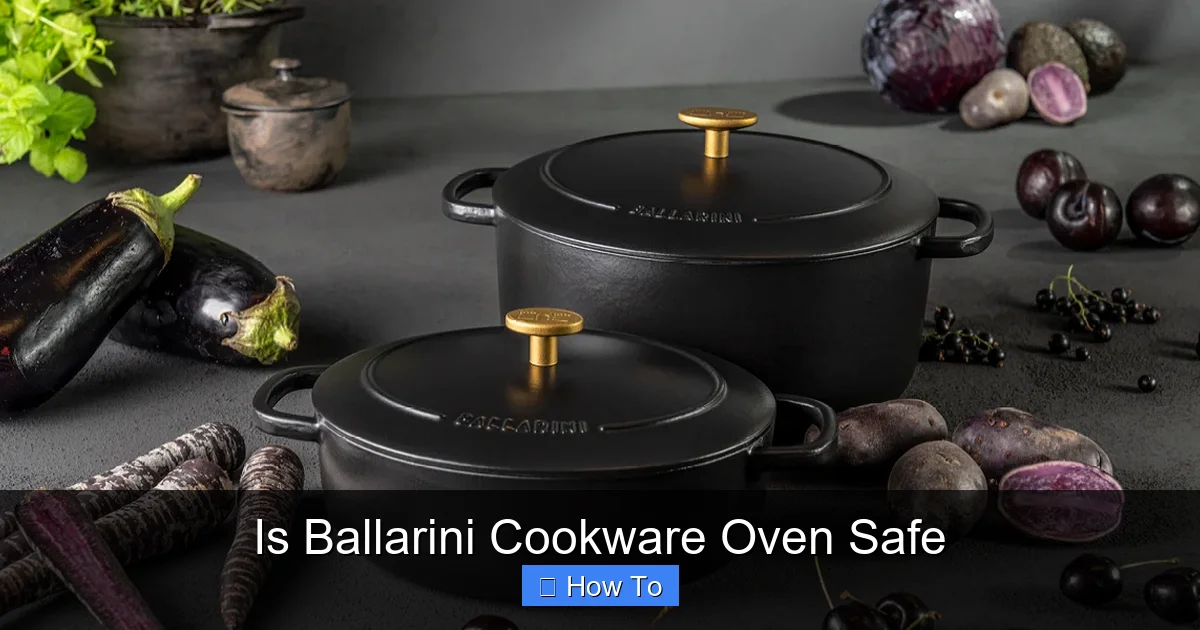
Stainless steel and aluminum can withstand temperatures well above 500°F (260°C), but the presence of a nonstick coating changes the equation. The metal itself will not be damaged, yet the coating may emit fumes or lose its nonstick properties if overheated. Therefore, the limiting factor is the coating, not the metal. A general resource is the guide on how to tell if cookware is oven safe.
Visual guide about Is Ballarini Cookware Oven Safe
Image source: zwilling.com
Thermal expansion is another factor to consider. Aluminum expands more than stainless steel when heated, which can cause the base to slightly warp if the temperature changes rapidly. This is why gradual preheating and cooling are important for maintaining the pan’s shape.
Many Ballarini pans are also induction compatible, which means they can be used on induction cooktops as well as in the oven.
Nonstick Limitations
Nonstick coatings are designed for convenience, not high‑heat applications. Exceeding the recommended temperature can cause the coating to break down, leading to flaking or a loss of performance. For recipes that require higher temperatures, consider using a different pan or a baking dish made of cast iron or ceramic. If you own a different brand, you could read about Chantal cookware and its temperature limits.
Some users wonder if they can use their Ballarini pan under the broiler. The intense heat from above can quickly exceed the safe temperature and damage the coating, so it’s best to avoid this practice unless the manufacturer explicitly states it is safe.
If you frequently bake at high temperatures, you might consider investing in a dedicated baking dish made of cast iron or stoneware.
Tips for Baking with Ballarini
Preheating and Placement
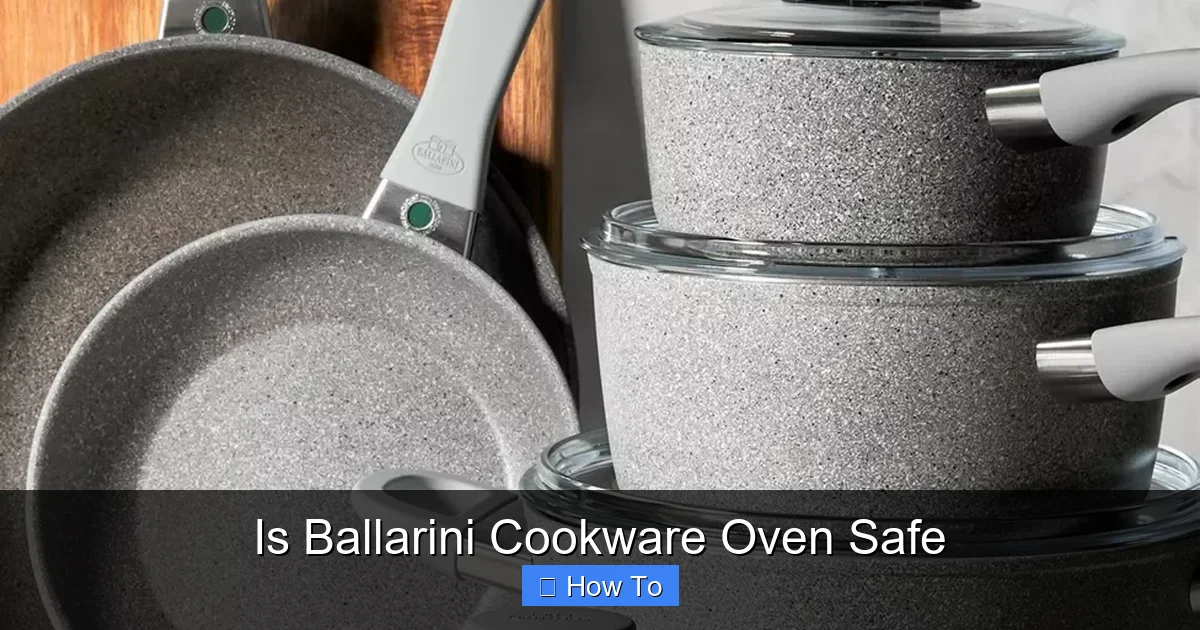
Always preheat your oven to the desired temperature before placing the Ballarini pan inside. Sudden changes in temperature can cause warping, especially in thin aluminum bases. Position the pan on a middle rack for even heat circulation.
Visual guide about Is Ballarini Cookware Oven Safe
Image source: i.pinimg.com
For best results, you can place a sheet of parchment paper or a silicone baking mat between the food and the pan. This not only prevents sticking but also reduces direct contact with the nonstick surface, extending its life.
Using oven mitts or pot holders is essential when handling a hot Ballarini pan to avoid burns.
Using the Right Temperature
Stick to the manufacturer’s recommended limit, usually 350°F. If a recipe calls for a higher temperature, you can often reduce the oven temperature by 25°F and extend the baking time slightly. This helps preserve the nonstick layer while still achieving a well‑cooked result.
When adjusting temperatures, keep an eye on the food’s internal temperature with a thermometer to ensure it reaches a safe level. This is especially important for meats and casseroles.
Set a timer to check on your food periodically, especially when you have adjusted the oven temperature.
Avoiding Thermal Shock
Never place a hot Ballarini pan in cold water or on a cold surface. Allow the pan to cool gradually on a trivet or a heat‑resistant mat. This prevents stress cracks and maintains the integrity of the coating.
Cooling the pan slowly also helps prevent the nonstick layer from cracking, which can happen when the pan is cooled too quickly. If you need to speed up the process, you can place the pan on a towel at room temperature.
A wire cooling rack allows air to circulate around the pan, speeding up the cooling process while preventing direct contact with a cold surface.
Common Mistakes to Avoid
Ignoring Temperature Ratings
One of the most frequent errors is assuming all cookware can handle any oven temperature. Always check the specific rating for your Ballarini piece. Overlooking this step can lead to permanent damage. Is Ballarini Cookware Oven Safe? It is, but only if you respect the limits.
Some users try to push the limits by using the pan under the broiler, but this is not recommended. The intense heat from above can quickly exceed the safe temperature and damage the coating. If you need high‑heat cooking, consider using a different type of cookware designed for such tasks.
Always read the user manual that comes with your Ballarini set; it contains specific instructions for oven use.
Using Metal Utensils
Metal spatulas, whisks, or tongs can scratch the nonstick surface, compromising its oven safety. Opt for silicone, wood, or nylon utensils when cooking or serving from a Ballarini pan.
Even minor scratches can create weak points that may peel or flake over time. By using gentle utensils, you protect the coating and maintain the pan’s oven‑safe properties.
Wooden spoons and silicone spatulas are excellent choices for preserving the nonstick surface.
Improper Cleaning
Scrubbing with abrasive pads or using harsh chemicals can degrade the coating. Hand wash with a soft sponge and mild detergent, then dry thoroughly. This care routine extends the pan’s lifespan and keeps it oven safe.
Some dishwashers have a “gentle” cycle, but it’s still safer to hand wash your Ballarini pans. The high-pressure water and detergents can gradually wear down the nonstick layer.
After washing, dry the pan with a soft towel to prevent water spots that can attract residue.
Final Verdict and Care
Summary of Oven Safety
In short, Is Ballarini Cookware Oven Safe? Yes, provided you respect the temperature limits and follow proper usage guidelines. Most pieces are safe up to 350°F, and with careful handling they can serve you well in the oven.
Remember that the oven safe rating is a guideline, not a guarantee. Individual usage patterns, such as frequent temperature cycling or exposure to metal utensils, can affect the pan’s longevity. Regularly inspect your Ballarini pieces for any signs of wear and replace them if the coating is compromised.
If you notice any signs of wear, such as bubbling or discoloration, it may be time to replace the pan to maintain safety.
Long‑Term Maintenance
To keep your Ballarini pans in top condition, store them with protective liners, avoid stacking heavy items, and periodically inspect the coating for signs of wear. By treating your cookware with care, you will maintain both its performance and its oven safety for years to come.
Consider rotating your pans to avoid excessive wear on a single piece. When storing, place a felt pad or paper towel between pans to prevent scratching. With these simple steps, your Ballarini set will remain reliable for many meals.
Some professional cleaning services can recondition nonstick coatings, but this is often more expensive than buying a new pan.
When storing your Ballarini set, keep them in a dry place away from direct sunlight to prevent the nonstick coating from deteriorating over time.
If you notice any rust spots, remove them gently with a mild abrasive and reseason the pan if necessary.
Frequently Asked Questions
What is the maximum oven temperature for Ballarini cookware?
Most Ballarini pans are safe up to 350°F (175°C). Some stainless steel models may tolerate higher temperatures, but always check the manufacturer’s label for the exact rating.
Can I use Ballarini nonstick pans in the oven?
Yes, but only up to the recommended temperature, usually 350°F. Exceeding this limit can damage the nonstick coating and release harmful fumes.
How do I know if my Ballarini pan is oven safe?
Look for an oven symbol or temperature number on the bottom of the pan or in the user manual. If you’re unsure, contact Ballarini customer service with the model number.
Is it safe to put Ballarini stainless steel pans in the oven?
Stainless steel Ballarini pans can typically withstand higher oven temperatures than nonstick ones, but the presence of any nonstick coating still limits the safe temperature to around 350°F.
What should I avoid when baking with Ballarini?
Avoid exceeding the temperature limit, using metal utensils, and subjecting the pan to rapid temperature changes. Also, do not place nonstick pans under the broiler unless specified by the manufacturer.
How do I clean and maintain my Ballarini cookware for oven use?
Hand wash with a soft sponge and mild detergent, then dry thoroughly. Store with protective liners and avoid stacking heavy items. Regularly inspect the coating for signs of wear.