What Is Broil on Toaster Oven
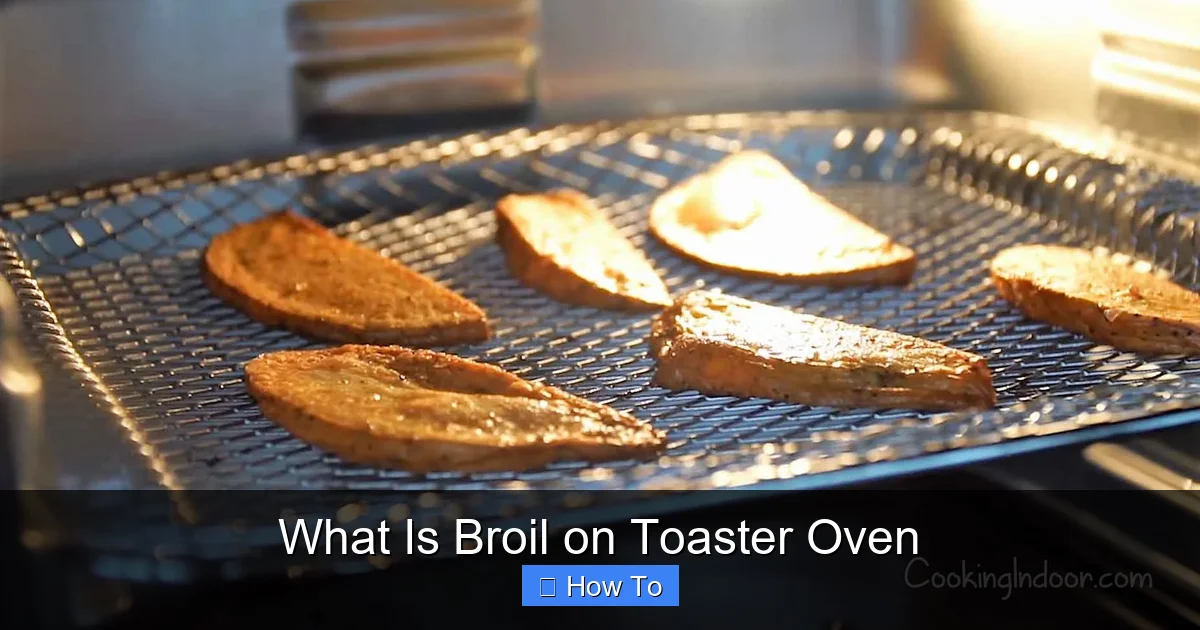
Broil on a toaster oven uses high heat to quickly char food surfaces. This function differs from regular baking by focusing intense heat from above. It’s perfect for crispy bacon, veggies, and delicate dishes. Understanding broil settings helps you achieve restaurant-quality results at home.
Have you ever wondered why your toaster oven gets so hot when you turn on the broil setting? Broil on a toaster oven refers to a specialized cooking function designed to deliver intense, concentrated heat from the top down. This feature transforms the humble countertop appliance into a powerhouse capable of achieving professional-level caramelization and browning in minutes. Unlike conventional baking modes that distribute heat evenly across a cooking surface, broil operates differently—it creates a focused heat zone that rapidly sears and chars food items, making it perfect for quick, high-heat cooking tasks.
If you’re new to toaster ovens, you might find this function mysterious at first glance. The name itself gives away some clues—”broil” comes from the old term for roasting meat over open flames, where intense heat was used to cook quickly before modern ovens existed. Modern toaster ovens replicate that effect using powerful heating elements positioned above the cooking chamber. When activated, the broil setting cranks up the temperature dramatically, often reaching levels not found in standard bake or roast modes. This sudden surge in heat is precisely what gives your food that desirable golden-brown finish while keeping the interior relatively flat and tender.
Key Takeaways
- Broil on a toaster oven uses concentrated high heat to quickly char food surfaces.
- The broil function differs from regular baking by delivering intense top-down heat.
- Ideal broiled foods include bacon, vegetables, marshmallows, and thin cuts of meat.
- Toaster ovens typically operate at higher temperatures than conventional ovens during broil mode.
- Proper air circulation ensures even browning and prevents burning.
- Practical examples like broiling steaks and roasted mushrooms showcase versatile cooking.
📑 Table of Contents
How Broiling Works in a Toaster Oven
Understanding the mechanics behind broiling in a toaster oven reveals why this function is such a game-changer for home cooking. At its core, broil technology relies on a combination of radiant heat and convection principles that work together to produce that signature charred appearance. Most toaster ovens are equipped with multiple heating elements arranged strategically within the cavity—these aren’t uniform across the entire surface area. Instead, dedicated heating coils sit specifically above the cooking space, allowing them to blast upward in a concentrated beam of energy.
This design approach creates a crucial difference between broil mode and traditional baking. While a bake setting circulates heat evenly across the entire chamber through fan-assisted convection, broil mode focuses almost exclusively on the upper portion of the cooking environment. The result is a rapid heating process where food surfaces reach thermal extremes much faster than with other methods. Think of it like standing near one side of a campfire versus roasting something over the whole fire—your food gets intensely exposed to heat from a single direction.
Modern toaster ovens typically limit the broil temperature to somewhere between 360°F and 450°F (185°C–230°C), depending on the model and manufacturer specifications. This upper-range temperature is enough to trigger the Maillard reaction—a chemical process that forms complex flavor compounds responsible for the savory, browned crust we associate with perfectly cooked foods. When applied to items like sausages, scallops, or sliced chicken breasts, this intense heat causes proteins to set rapidly while sugars caramelize on the exterior, creating that irresistible contrast between tender interiors and crispy exteriors.
Best Foods to Broil in Your Toaster Oven
Not every food item thrives under broil conditions, but certain ingredients reveal this function’s true potential. The key is selecting foods with surface textures that benefit from rapid, direct heating rather than slow, gradual cooking. Pork belly, salmon fillets, shrimp, and whole lemon slices fall squarely into this category because they develop beautifully under concentrated heat. These items become tender inside while developing a delightfully crunchy exterior in just a few minutes.
Visual guide about What Is Broil on Toaster Oven
Image source: s3.amazonaws.com
Vegetables represent another excellent choice group for broiling. Brussels sprouts, asparagus spears, zucchini rounds, and bell peppers all respond exceptionally well to broil treatment. Imagine placing broccoli florets or halved cherry tomatoes directly on the heating element—these items will blister and caramelize simultaneously, creating a vibrant dish that requires minimal active attention. Even fruits like peaches, grapes, or dried fruit chunks can be transformed into sweet, slightly charred treats with brief broil sessions.
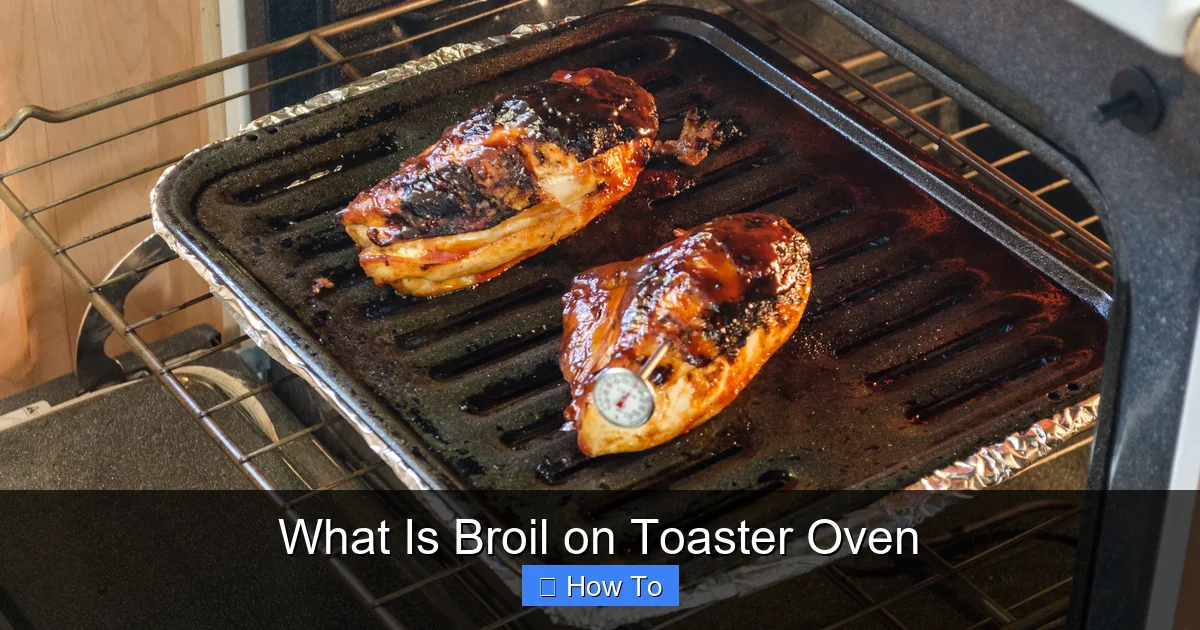
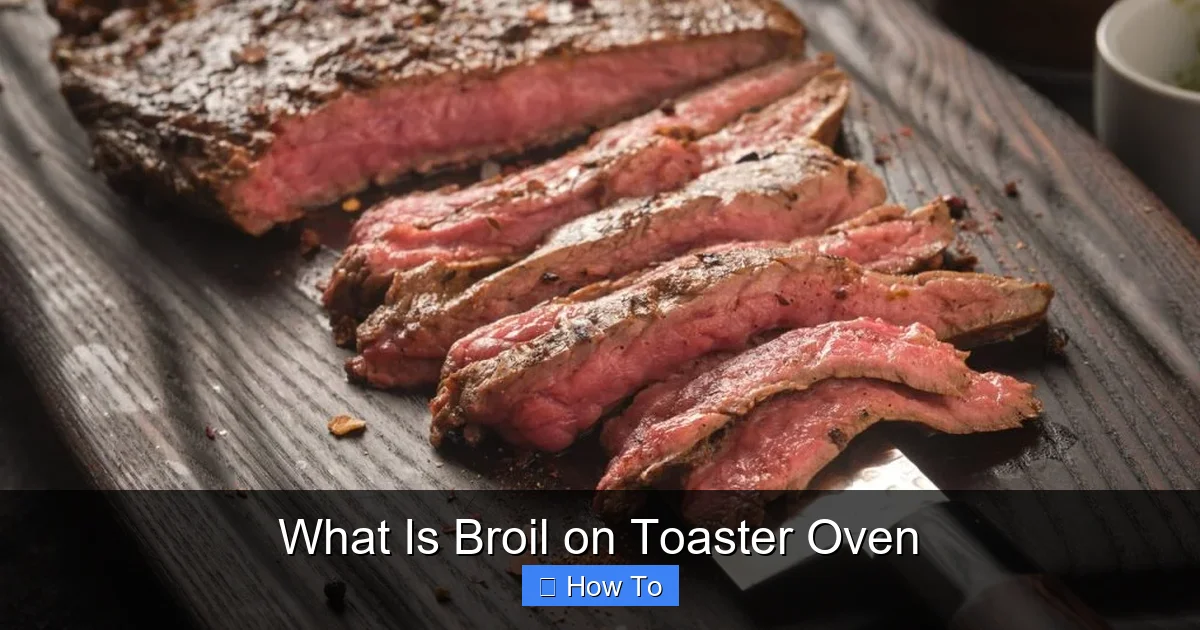
Meats and seafood dominate the broil repertoire as well. Thick-cut bacon or pancetta renders fat beautifully under broil heat while maintaining a crackling texture. Chicken wings, drumsticks, or steak strips sear quickly to perfection, developing a caramelized coating that regular baking simply cannot match. For dairy lovers, cheese melts and browns wonderfully on contact with broil heat, making it ideal for melting cheeses onto crackers or creating crispy bread croutons.
A practical example worth highlighting involves preparing a classic breakfast platter. Picture scrambled eggs topped with crispy bacon bits, caramelized onions, and buttered ham streaks—all achieved in under five minutes with broil mode. Similarly, frozen dinner portions like baked macaroni and cheese or creamy potato casseroles come alive instantly when finished with a quick broil blast, transforming ordinary meals into gourmet experiences without significant effort.
Broil Settings Explained
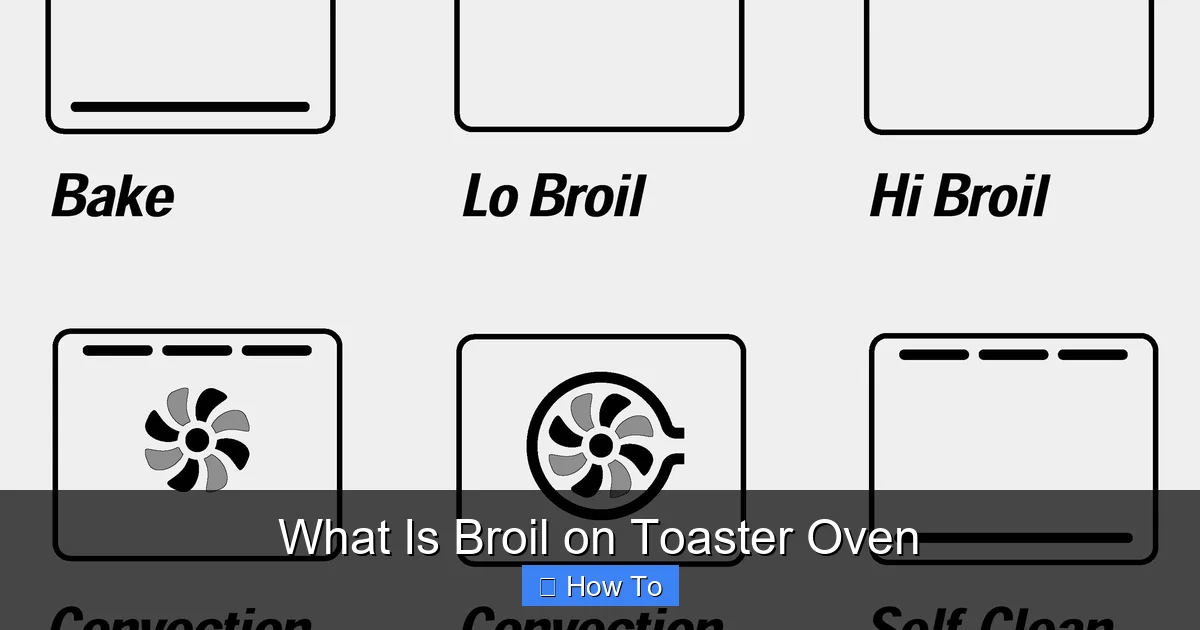
Most toaster ovens offer varying degrees of intensity when operating in broil mode, and understanding these differences can significantly impact your cooking outcomes. The simplest way to categorize these settings is into three tiers: low, medium, and high. Low broil provides gentle charring suitable for delicate foods like fish fillets or light vegetable tops, while high broil delivers aggressive heat ideal for tougher cuts of red meat or thicker vegetables that need serious caramelization.
Visual guide about What Is Broil on Toaster Oven
Image source: i.pinimg.com
It’s important to note that broil time varies dramatically based on the food item. A single slice of bacon may only need 2-3 minutes to achieve desired crispness, whereas a thick slab of pork chops might require 8-12 minutes under continuous broil. Overcooking is always possible with broil due to its concentrated heat output, so timing is critical. Many manufacturers recommend checking your food after the lower end of suggested times and adjusting accordingly. Beginners should start with short bursts and extend duration only if necessary.
Another factor influencing broil performance is the type of toaster oven you own. Countertop models typically feature smaller heating elements compared to larger built-in units, which affects both temperature consistency and cooking speed. Some premium models incorporate adjustable airflow controls that help manage moisture loss during broiling. When troubleshooting, if your food isn’t browning adequately despite extended broil time, check that the door seal isn’t obstructing proper ventilation or that the heating elements haven’t overheated and tripped safety switches.
For those curious about technical details, broil operation generally takes 30-60 seconds longer than conventional baking at equivalent temperatures. This extra margin accounts for the focused nature of the heat distribution. Whether you’re working with a compact kitchenapper-style unit or a full-size countertop model, embracing the broil function unlocks capabilities that transform everyday cooking into something special. The same principle applies whether you’re achieving restaurant-quality fried chicken or preparing a simple cheese melt—both demand the precise temperature control that only broil delivers.
Pro Tips for Perfect Broiled Meals
Mastering the art of broiling in a toaster oven comes down to a few smart techniques that anyone can apply. First and foremost, preparation matters immensely. Pat dry your meats and vegetables beforehand—moisture on the surface can prevent proper browning. After seasoning, consider arranging food pieces to maximize exposure to the broil source; spacing is essential since radiating heat reaches objects unevenly unless properly positioned.
Visual guide about What Is Broil on Toaster Oven
Image source: recipes.net
A common mistake among novice users is leaving the broil setting on indefinitely. Food continues to cook even after the initial char, and prolonged exposure leads to burnt edges and bitter flavors. Set timers strategically—start with 2-3 minute intervals for delicate items, then increase if needed. The Maillard reaction doesn’t happen overnight; patience yields better results than rushing the process.
Placement within the toaster oven also influences broil effectiveness. Position food toward the center of the cavity rather than against the sides, as the heated elements are concentrated overhead. If your oven has removable trays, ensure they’re fully seated to allow maximum air movement beneath the broiled items. For outdoor grilling enthusiasts, many toaster ovens connect to smokers or grill attachments—using these accessories enhances the broil experience by adding smoke flavor alongside the intense heat.
Don’t overlook the importance of quality ingredients. Fresh, unblemished cut of meat and ripe vegetables showcase broil’s strengths best. Sliced avocado, for instance, becomes soft and warm yet retains a pleasant bite when finished with just two minutes of broil. Similarly, grape leaves or figs absorb moisture beautifully under concentrated heat, creating tender inner pockets surrounded by caramelized skins. Experimentation is key—keep a recipe journal noting which foods perform optimally under different broil settings to build your personal culinary toolkit.
Finally, pair broil with complementary roasting techniques for ultimate versatility. Roast proteins at lower temperatures until halfway done, then switch to broil for the final touch that adds glossy caramelization and enhanced flavor depth. This two-phase approach maximizes taste while minimizing risk of overcooking. Whether you’re recreating a backyard BBQ at home or preparing weeknight meals with minimal cleanup, integrating broil into your cooking arsenal opens doors to countless delicious possibilities.
Frequently Asked Questions
Question?
What is broil on a toaster oven?
Broil on a toaster oven is a cooking function that uses concentrated high heat to quickly char and caramelize food surfaces. Unlike general baking modes, broil delivers intense radiant heat primarily from the top down, creating a golden-brown crust while keeping the interior relatively flat and tender.
Question?
Which foods are best for broiling in a toaster oven?
The best broil-friendly foods include bacon, sausage, shrimp, salmon, steak, chicken wings, vegetables like broccoli and asparagus, and even fruits such as peaches and grapes. These items develop maximum flavor and texture when subjected to the intense heat of broil mode.
Question?
How does broil differ from baking in a toaster oven?
Baking distributes heat evenly across the entire cooking chamber through convection fans, resulting in gentle, consistent cooking. Broil, by contrast, focuses almost entirely on the upper portion of the oven, delivering concentrated heat that rapidly caramelizes and chars food surfaces for quicker, more dramatic results.
Question?
Is broil safe to use regularly?
Yes, when used appropriately. The primary risks with broil are burning food and potentially triggering safety mechanisms if left unattended too long. Always monitor your food closely, avoid extremely large quantities at once, and never leave the toaster oven unattended while broiling.
Question?
Can I replace regular baking with broil mode sometimes?
Absolutely! For certain recipes like crisping potatoes, melting cheese, or warming stuffed peppers, broil can replace the last step of traditional baking. However, broil alone won’t produce the same moist, even heat as combined broil-and-roast cycles, so using both modes often yields superior results.
Question?
What temperature is typical for broil on a toaster oven?
Most toaster ovens operate broil at approximately 375°F to 400°F (190°C–205°C). Upper-end models may reach 450°F (232°C) for maximum charring, though sustained exposure at these extreme temperatures should be limited to avoid burning.
[FEATURED_IMAGE_PLACEHOLDER]