What Is Natural Convection Toaster Oven
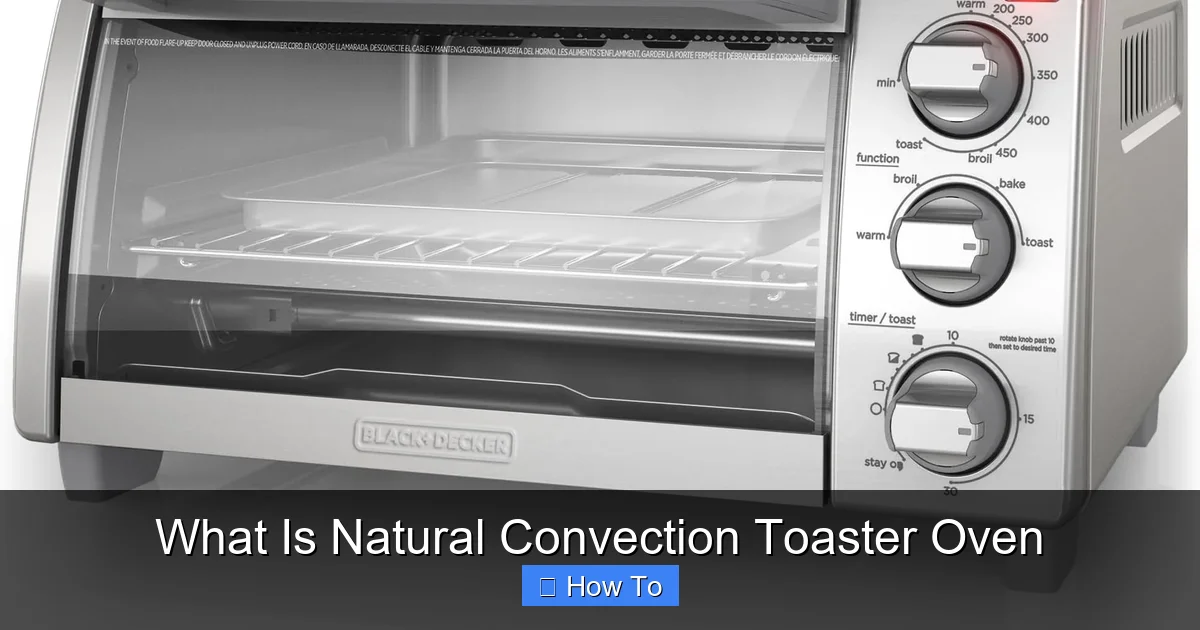
What is a natural convection toaster oven? This stylish compact appliance heats food using warm air circulating naturally through the chamber—no fan required. Unlike other models, it relies on heat transfer principles you can see working right before your eyes. Perfect for toasting, baking, and small meals without taking up much counter space.
Natural convection toaster ovens have quietly taken over kitchen counters across America. They’re not just another fancy gadget; they’re a smart solution for anyone who values efficiency, simplicity, and smart home technology. If you’ve ever struggled with noisy toasters or oversized ovens that dominate your countertop, you might be ready for something different. A natural convection toaster oven brings bright colors, modern aesthetics, and powerful performance into a compact package that won’t crowd your kitchen.
So what exactly is a natural convection toaster oven? At its core, it’s an appliance designed to heat food by allowing warm air to circulate naturally. Think of it like a mini version of a real kitchen stove, but contained in a sleek box. Instead of a loud motor spinning a fan to push hot air around, this oven relies on the simple science of warm air rising and cool air sinking. That’s the magic behind natural convection—it creates its own gentle draft inside the cooking chamber.
**How It Differs From Traditional Models**
Most people think of ovens as heavy, bulky machines that require constant attention. But natural convection toaster ovens work differently. They don’t force air circulation with electricity. Instead, the heating element warms the metal surface and the surrounding air. As that air gets heated, it becomes less dense and rises toward the top of the oven. Cooler air then flows in from the bottom, creating a continuous loop. It looks almost magical when you watch the steam puff upward—a visual proof that nature is doing the work for you.
This method contrasts sharply with traditional convection ovens that use a built-in fan to speed up the process. While both achieve fast cooking, the natural convection approach uses passive thermodynamics instead of active mechanical forces. The result is often more even heating with less noise, which means your kitchen stays calm while your dinner gets done.
**Why Natural Convection Beats Other Options**
If you love your kitchen but hate clutter, natural convection toaster ovens are a dream match. These units typically measure only 12 to 24 inches wide—compact enough for cramped kitchens yet powerful enough for serious cooking. They eliminate the need for separate bread pans or rotisserie attachments because the same chamber handles everything uniformly. Plus, with no fan whirring, you enjoy peace and quiet during breakfast rush hours or dinner prep.
Another huge advantage is energy efficiency. Since the oven doesn’t waste electricity on unnecessary air movement, it burns less power over time. Many manufacturers also report lower running temperatures, meaning your food cooks faster without burning those delicate pastries. If you’re an eco-conscious cook looking to reduce your carbon footprint, this is one appliance category that delivers on both convenience and sustainability.
**Where Natural Convection Shines In Practice**
Let’s get practical. Imagine you want to toast sourdough for the morning commute. With a natural convection toaster oven, you set the temperature (usually between 350°F and 375°F), place your bread slice, and wait. Done! No flipping, no watching, no worrying about uneven browning. The food cooks evenly from edge to center thanks to that steady natural current of warm air.
Or picture yourself needing to reheat leftover pizza while your morning coffee brews. Simply slide the slices onto a rack, pop in for five minutes, and refresh your meal without leaving the kitchen. These ovens excel at reheating, baking cookies, roasting vegetables, and even baking small cakes and muffins. Because the heat distribution is natural but consistent, you rarely end up with burnt edges and cold centers—the opposite of what happens when some spots burn while others remain raw.
**Tips for Getting the Most Out of Your Unit**
Owning a natural convection toaster oven opens doors to smarter cooking habits. First, always leave room between items for proper airflow. Packing too many foods restricts the rising air and causes uneven cooking. Second, understand that temperature isn’t a dial—use setting ranges that match your goal. Lower temps (300°F–325°F) work beautifully for slow-moisture dishes like roasted fish or steamed vegetables. Higher temps (350°F–400°F) suit crisping bread or searing meats. Third, clean the interior regularly with a soft cloth and mild detergent. The nonstick surfaces are durable, but buildup from residue can affect heat distribution over time.
Finally, experiment with different sizes. Smaller models (10-inch) shine for single servings and snacking, while larger ones (18-inch+) handle family meals and batch cooking. Whichever size fits your lifestyle, remember that consistency matters most. Keep recipes simple, portion food mindfully, and trust the natural rhythm of warm air doing the work.
When considering whether a natural convection toaster oven belongs in your kitchen, ask three questions. Is counter space limited? Do you prioritize quiet operation? Do you cook small quantities frequently? If the answer is yes to all three, you’ll find this appliance deserves a permanent spot beside your stovetop or microwave.
—
Understanding the Science Behind Natural Heating
To truly grasp why natural convection toaster ovens work so well, it helps to break down the physics in plain language. When electricity passes through the heating element, it converts to thermal energy, warming the metal cavity and the air inside. Warm air molecules move faster and spread apart, giving the mixture lower density. This lighter gas rises—just like a hot day breeze carrying your breath upward. Simultaneously, cooler air settles near the base and flows outward, completing a cycle called natural convection.
Notice the absence of electronics? There is none. No motors, no belts, no switches. Just metal, glass, and air. This simplicity translates directly to reliability. Nothing breaks, nothing overheats unexpectedly, and the unit runs cool to the touch after cooking. Modern versions add digital displays and presets for ease of use, but the fundamental principle remains unchanged—warm air moves, food cooks, and done is done.
Some users wonder about safety features. Most natural convection toaster ovens include automatic shutoff after extended periods of inactivity, eliminating fire risks associated with unattended heating elements. Additionally, the enclosed chamber prevents hot air from escaping, maintaining consistent temperatures throughout the cooking cycle. If you live in a humid climate, keep an eye on condensation—if your door is closed tightly for long periods, moisture can build up. Opening the door briefly or running the oven empty for a few minutes helps reset the environment.
**Choosing the Right Model for Your Needs**
Not all natural convection toaster ovens are created equal. When shopping, pay attention to dimensions and wattage ratings. A typical 13-inch model runs comfortably on standard kitchen circuits and fits easily under a counter. If you bake elaborate pies or roast large cuts of meat, consider an 18-inch option for better capacity and longer cooking times. Also, check the maximum temperature rating—some models cap at 390°F, limiting what you can bake or roast.
Read customer reviews carefully. Look for mentions of durability, ease of cleaning, and noise levels. A genuinely good natural convection toaster oven will impress you with minimal fuss, even years after first purchase. Brands known for reliable construction and honest reviews tend to stand out in this category.
Whether you’re a busy professional chef, a college student with limited storage, or someone simply wanting a quieter kitchen experience, the right natural convection toaster oven can transform how you cook every day. The technology may seem straightforward, but its impact on everyday life feels anything but ordinary.
—
Common Mistakes to Avoid with Natural Convection Cooking
New owners of natural convection toaster ovens sometimes fall into common pitfalls that could ruin their first few attempts. One frequent error is overcrowding the interior. This ovens rely on air movement to circulate heat evenly. When too many dishes sit side-by-side, the airflow gets blocked, leading to hot spots and undercooked centers. Leave at least two inches of space between items whenever possible.
Another mistake involves improper timing. Natural convection takes time. Foods that normally need fifteen minutes might need twenty or thirty if cooked at lower temperatures. Rushing the process leaves you disappointed with pale bologna or rubbery pancakes. Patience is the secret ingredient here—let the food do its thing.
Don’t forget to preheat when appropriate. While some smaller models can go straight to cooking, waiting ten minutes ensures maximum heat penetration. Skipping this step especially affects delicate items like eggs, fish, or thin crusts that can dry out quickly. Set the timer, stand back, and actually wait—that extra minute pays dividends in quality.
Lastly, avoid mixing incompatible foods. Putting raw meat alongside fruits or grains can cause cross-contamination risks and uneven cooking zones. Treat each dish separately when possibilities allow. By steering clear of these traps, you’ll discover the true potential of your new appliance.
—
Connecting Natural Convection Ovens to Broader Kitchen Trends
The rise of natural convection toaster ovens reflects a broader shift in how we approach home cooking today. Modern consumers increasingly demand devices that balance functionality with minimalist design. These compact ovens embody that philosophy—small enough to fit anywhere, powerful enough to deliver restaurant-quality results, and quiet enough to coexist with everyday living.
Eco-friendly living has become mainstream, and natural convection toaster ovens align perfectly with sustainable goals. They consume less electricity per meal compared to traditional convection ovens, and their lack of noisy equipment contributes to a calmer household atmosphere. For families tracking energy bills or reducing appliance noise complaints, this technology offers tangible benefits beyond novelty.
Moreover, the popularity of multi-cooker and combo appliances shows a trend toward consolidating kitchen tools into versatile systems. Natural convection toaster ovens often come packaged with trays, racks, and sometimes even dehydrator functions. This consolidation saves kitchen space while providing multiple cooking methods from a single machine.
As smartphone apps and voice controls expand in the kitchen, expect natural convection ovens to incorporate similar innovations. Future models might offer app-guided cooking schedules, automatic defrost cycles, or integration with recipe platforms. The foundation established by today’s designs—efficient heating, thoughtful engineering, and intelligent feature sets—will continue to evolve.
In essence, choosing a natural convection toaster oven is participating in a larger conversation about smarter, greener, and more convenient home cooking. It’s not just about baking cookies or toasting bagels; it’s about embracing technology that enhances daily rituals without adding complexity to your life.
—
Final Thoughts on Natural Convection Technology
Natural convection toaster ovens represent a brilliant intersection of simple physics and modern convenience. They prove that you don’t need aggressive machinery to achieve great results. Whether you’re seeking a quick way to revive yesterday’s leftovers, mastering the art of perfect toast, or experimenting with new recipes without breaking your budget, this appliance delivers on every front.
Investment in such a device goes far beyond mere price. You gain reliability, energy savings, and a cooking experience that honors both tradition and innovation. Every cup of coffee enjoyed with freshly baked rolls, every weeknight dinner prepared from scratch, and every casual snack made effortlessly falls into the realm of easy accessibility.
So gather your materials, select the right model, and welcome the natural beauty of convective heating into your kitchen. Your future self—fuller and happier—will thank you.
—
Key Takeaways
- Natural convection uses warm air rising naturally instead of a fan to cook food inside.
- It’s energy efficient and quiet making it ideal for small homes or open kitchens.
- Versatile cooking spans toasting, baking, reheating, and light roasting without complex settings.
- No preheating time needed for many tasks, saving valuable morning minutes.
- Space-saving design fits perfectly on cabinets and counters in tight spaces.
- Simple cleanup comes from the lack of moving parts and removable elements.
- Best for daily convenience** rather than professional restaurant-grade results.
Frequently Asked Questions
Question?
A natural convection toaster oven is a compact kitchen appliance that heats food by allowing warm air to rise naturally inside the chamber, without using a fan. This technique relies on the principle of natural convection, where heated air expands and moves upward, while cooler air circulates downward to maintain a steady flow.
Question?
How does a natural convection toaster oven differ from a regular toaster or conventional oven?
The main difference lies in the heating method. Regular toasters focus solely on toasting and basic browning with direct heating elements. Conventional ovens use a fan to rapidly circulate hot air for faster baking. Natural convection toaster ovens combine elements of both approaches: they use dedicated heating elements plus passive air circulation to achieve cooking.
Question?
Is a natural convection toaster oven energy efficient?
Yes, generally speaking. Because they don’t waste electricity on unnecessary air movement, these ovens typically consume less power than conventional convection ovens. Additionally, they reach optimal temperatures faster due to slower but steady heat transfer, reducing overall energy consumption over time.
Question?
What sizes should I choose for my kitchen space?
Most natural convection toaster ovens come in standard sizes ranging from 10 to 18 inches wide. For single servings and snacking, look for 10- to 12-inch models. Families or households baking larger batches benefit from 14 to 18-inch options, which provide more room for even cooking and larger portions.
Question?
Can I use my natural convection toaster oven for multiple types of food?
Absolutely. These ovens are versatile enough for toasting, baking, reheating, roasting, and lightly searing. However, for items requiring intense heat—such as deep-frying or broiling—you’d need a dedicated convection oven with stronger airflow capabilities.
Question?
How long does preheating take on a natural convection toaster oven?
Preheating varies by model and temperature setting, but most take between 8 and 15 minutes depending on the desired outcome. Lower temperatures usually require slightly shorter times, while higher heat increases the preheat duration to ensure food reaches safe cooking temperatures.