What Is the Best Convection Toaster Oven
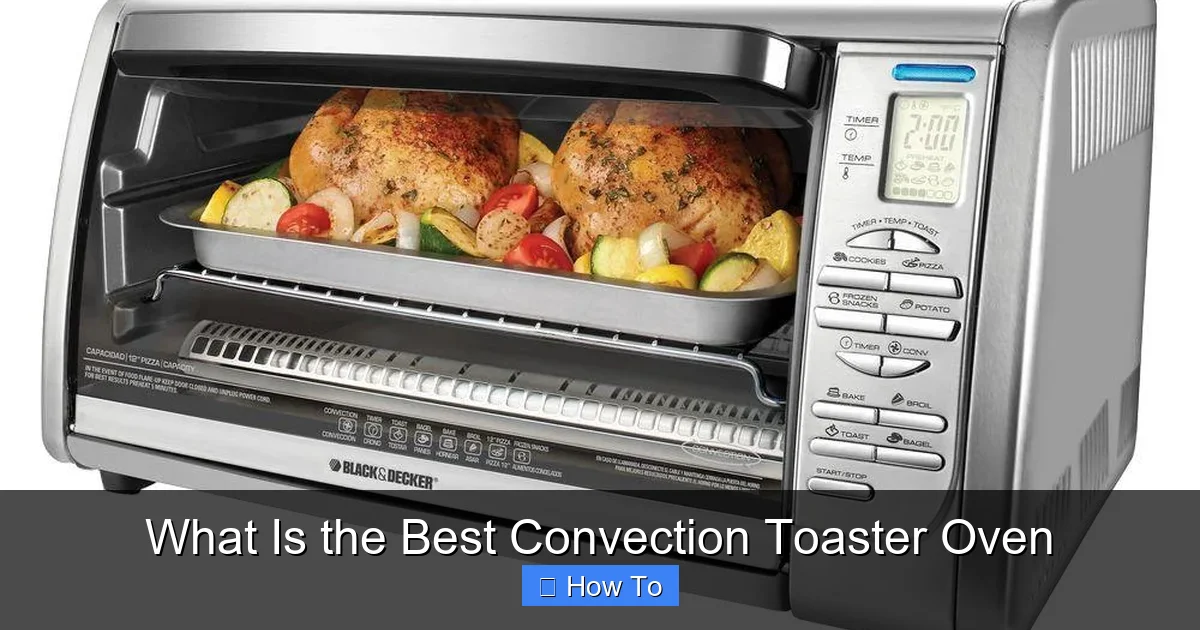
When you’re looking for the Best Convection Toaster Oven, you want speed, even cooking, and versatile features all in one compact appliance. Our guide breaks down the top models, key specs, and practical tips so you can confidently pick the perfect oven for your kitchen. Whether you’re a busy parent, a food‑ie enthusiast, or someone who loves crisp fries without the guilt, the right convection toaster oven can change the way you cook.
Key Takeaways
- Speed & Even Cooking: Convection technology circulates hot air, delivering faster, more uniform results than conventional toaster ovens.
- Versatile Functions: Most models combine baking, roasting, broiling, and air‑frying, making them a single‑appliance solution.
- Compact Size: A good convection toaster oven fits on most countertops while still handling family‑size meals.
- Smart Controls: Digital timers, preset programs, and Wi‑Fi connectivity simplify cooking and improve consistency.
- Energy Efficiency: Smaller wattage than full‑size ovens reduces electricity use while delivering the same great results.
- Warranty & Support: Look for longer warranty periods and accessible customer service to protect your investment.
📑 Table of Contents
Understanding Convection Toaster Ovens
When you walk into a modern kitchen, you’ll often see a sleek countertop appliance that promises faster cooking and crispier results. That appliance is the convection toaster oven. Unlike a standard toaster oven, a convection model adds a fan and exhaust system that circulates hot air around the food. This simple addition makes a huge difference.
The fan pushes heated air out and pulls cooler air in, creating a constant loop. Food gets evenly browned on all sides. You can bake a tray of cookies and have them golden at the same time, not just on the top. This technology also reduces cooking time by 15‑25 % compared to conventional models.
Because the air moves, moisture escapes more readily. That means you get a crisp exterior while keeping the interior tender. It’s why many home cooks prefer convection toaster ovens for everything from roasted vegetables to artisan pizzas.
If you’re new to this category, think of it as a mini‑version of a full‑size convection oven, but with the convenience of a toaster oven’s smaller footprint. The learning curve is low—most models have digital displays that let you set temperature and time, and the fan runs automatically.
Why Convection Matters
The fan’s impact is not just about speed. It also improves heat distribution. In a regular toaster oven, hot spots can cause uneven baking. With convection, the hot air reaches every corner, so you rarely have a burnt edge and a raw center.
Another benefit is energy savings. Because the cooking time is shorter, the oven cycles on less often. Over a year, you’ll notice a modest drop in your electricity bill. Plus, the smaller size means you heat less mass, which also reduces power draw.
Finally, the convection feature works well with other functions like broiling and air‑frying. The fan can be turned off if you prefer traditional broiling, giving you full control over the cooking style.
Key Features to Look For
When you start comparing models, a list of essential features helps you narrow down choices. Here are the top specifications you should check.
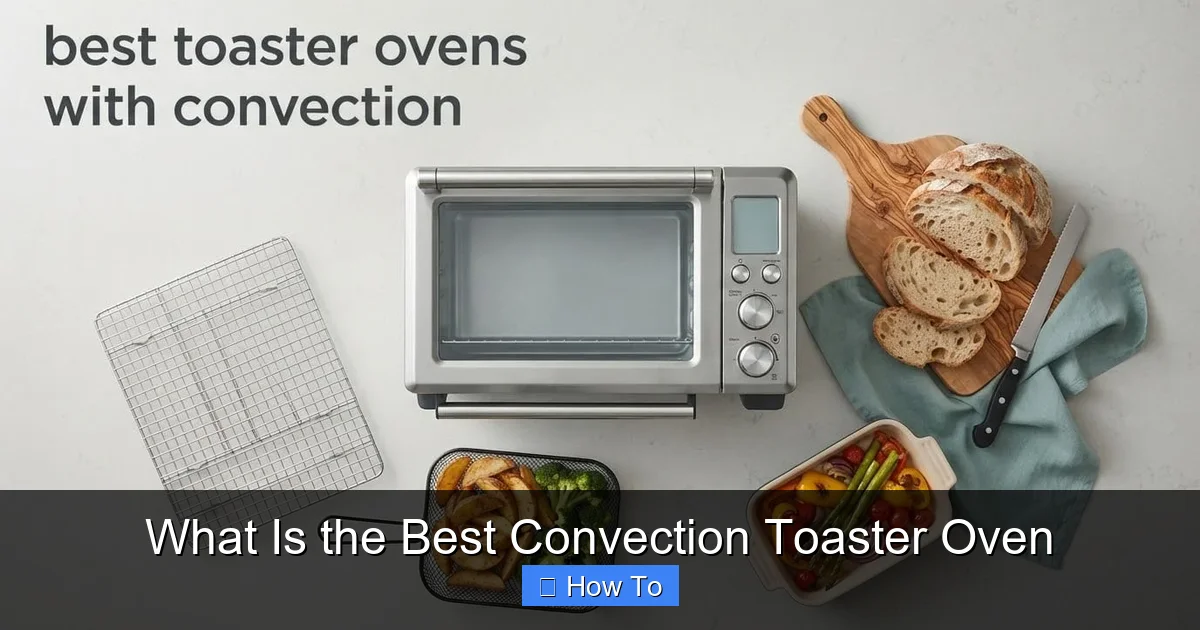
Visual guide about What Is the Best Convection Toaster Oven
Image source: thesweetandsimplekitchen.com
Power and Capacity
Power is measured in watts. Most convection toaster ovens range from 1,200 W to 1,800 W. Higher wattage means faster preheating and quicker cooking, but also higher energy use. For most households, 1,500 W offers a good balance.
Capacity is measured in quarts. A 6‑quart oven can handle a whole chicken or a large sheet pan of pasta. Smaller models (4‑quart) are fine for singles or couples. Choose based on your typical batch size.
If you love air‑frying, you’ll want enough space for a basket. Many brands include a removable basket that fits snugly inside the cavity.
Cooking Modes
Modern convection toaster ovens rarely limit themselves to just convection. Look for a combination of modes: bake, roast, broil, toast, dehydrate, and, of course, air‑fry. Some models even have a “keep warm” setting, which is handy for parties.
Programmable digital controls let you save favorite recipes. You can set a temperature and timer, and the oven will finish the job automatically. This is especially useful for tasks like defrosting frozen foods or making yogurt.
Smart connectivity is becoming common. Wi‑Fi or Bluetooth lets you control the oven from a smartphone app. You can start preheating from your couch or adjust the temperature mid‑cook.
Safety and Ease of Use
Built‑in safety features protect families with children. Automatic shut‑off when the door opens, cool‑touch handles, and a lock for the door are standard on many units.
Cleaning is a big part of daily kitchen life. Look for removable racks, a self‑clean function, and non‑stick interiors. Some ovens have a steam‑clean feature that loosens grime with a splash of water.
If you’re tech‑savvy, consider models with recipe libraries. These can guide you through steps, adjusting temperature and time automatically.
For more details on how air‑frying works inside a convection toaster oven, What Is The Best Air Fryer Convection Oven 2 offers an in‑depth look at the latest air‑frying technology and top picks.
Top Picks: Our Favorite Best Convection Toaster Ovens
Choosing the Best Convection Toaster Oven depends on your budget, kitchen size, and cooking habits. Below are three standout models that consistently receive high marks from users and experts.
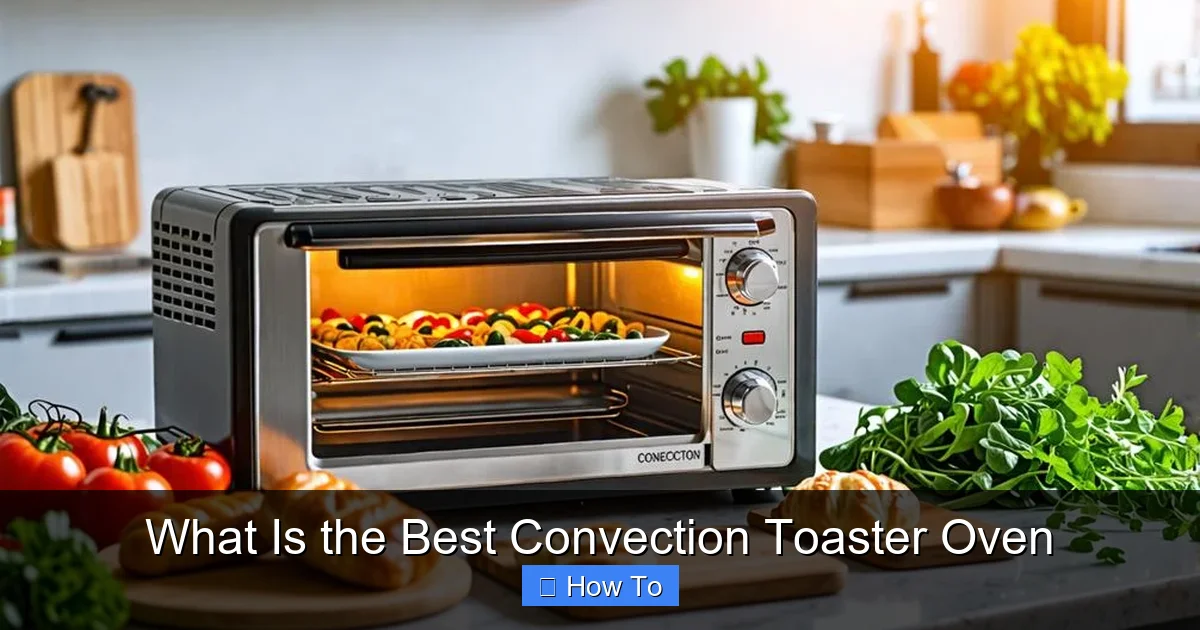
Visual guide about What Is the Best Convection Toaster Oven
Image source: sslshopper.com
1. Ninja Foodi Digital Air Fryer Oven
The Ninja Foodi combines a large 8‑quart capacity with 1,500 W of power. It offers 10 cooking modes, including Air Fry, Roast, Bake, and Reheat. The touch screen is intuitive, and the built‑in recipe app suggests cooking times.
One user praised its speed: “I can get crispy chicken wings in 25 minutes, something that used to take over an hour in my old oven.” The self‑clean function makes post‑cooking cleanup a breeze.
This model also includes a “Smart Scoop” measuring cup, which reduces guesswork. If you love convenience, the Ninja Foodi is a strong contender for the Best Convection Toaster Oven title.
2. Breville BOV800XL
Breville is known for premium performance. The BOV800XL delivers 1,800 W of power in a 6‑quart cavity. It boasts 12 preset cooking functions, a digital timer, and a built‑in sensor that monitors food temperature.
Users highlight the “Perfect Roast” feature, which automatically adjusts the fan speed to keep meat juicy. The stainless‑steel exterior resists fingerprints, and the interior is easy to wipe down.
For those who want restaurant‑quality results at home, Breville’s model often appears at the top of “Best Convection Toaster Oven” lists.
3. Hamilton Beach 31102AR
Budget‑friendly but not compromising on features, the Hamilton Beach model offers 1,200 W and a 4.2‑quart capacity. It includes convection, bake, broil, and toast functions, plus a digital display.
One reviewer noted, “It fits perfectly on my small kitchen counter and still handles a family’s dinner plate.” The removable racks make loading and unloading simple.
If you’re looking for an affordable entry point into convection cooking, Hamilton Beach provides reliable performance without the premium price tag.
For additional brand insights and a broader comparison of toaster ovens, you can read Which Is The Best Toaster Oven to see how these models stack up against other categories.
How to Choose the Right Size and Power
Size and power are two of the most practical considerations. Getting the wrong dimensions can lead to a crowded kitchen or an oven that can’t handle your meals.
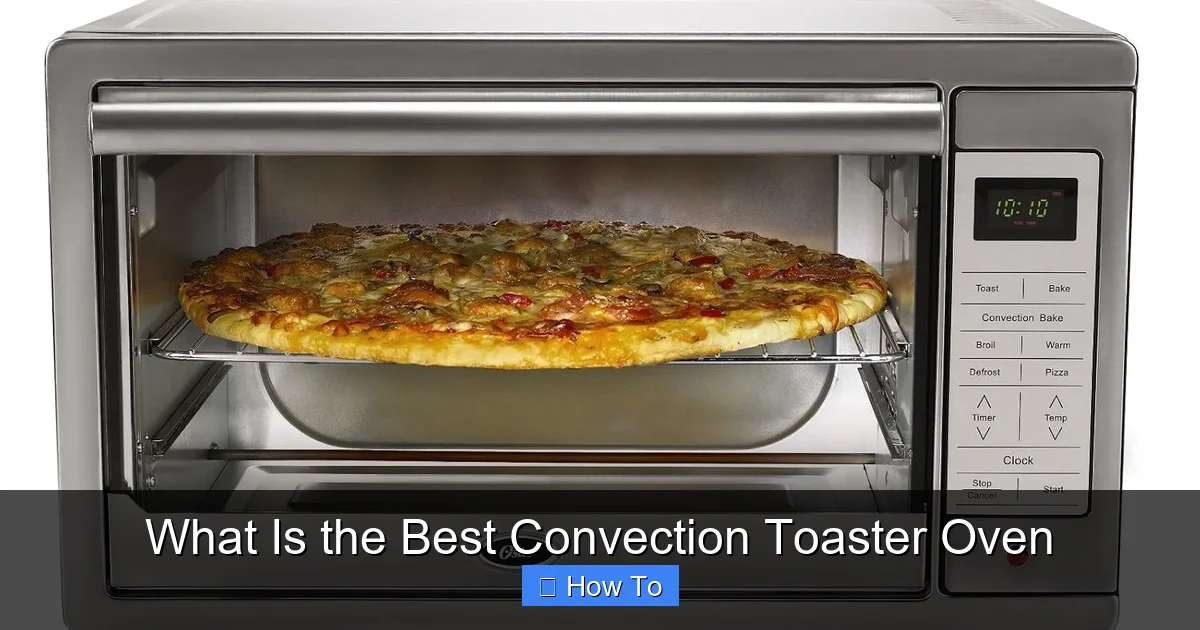
Visual guide about What Is the Best Convection Toaster Oven
Image source: images-na.ssl-images-amazon.com
Assessing Your Kitchen Space
Measure the countertop area where the oven will sit. Most convection toaster ovens are about 18‑20 inches wide and 10‑12 inches deep. If you have limited space, a compact 4‑quart model may be the best fit.
Consider the door swing. Some ovens have a hinged door that opens outward, requiring clearance. If you have cabinets above, ensure the door won’t hit them.
Matching Power to Cooking Needs
Higher wattage means faster preheating, but also higher electricity use. For occasional baking, a 1,200 W unit is sufficient. If you plan to roast a turkey or bake multiple trays at once, opt for 1,500 W or more.
Also, look at the voltage. Most U.S. households use 120 V, so the oven will draw its wattage from that supply. If you have a 240 V outlet (rare for countertop appliances), you could get even faster heating.
Energy‑star rated models are worth the extra cost. They use less power while delivering the same performance, which is a win for both your wallet and the environment.
For a broader comparison of toaster ovens, you can visit What Toaster Oven Is Best to see how size and power factor into overall ratings.
Cooking Tips and Recipes for Best Results
Even the best convection toaster oven needs the right techniques to shine. Below are proven tips and simple recipes that highlight the appliance’s strengths.
Tips for Perfect Crumbly Pizza
Preheat the oven to 475 °F (245 °C) for at least 10 minutes. Place a pizza stone or inverted baking sheet on the bottom rack. Slide the pizza on, and let it bake for 8‑12 minutes. The convection fan will give the crust a nice crunch.
Use a thin crust dough for faster cooking. If you like extra cheese, add it after the first 5 minutes to avoid overflow.
How to Achieve Golden Brown Chicken Wings
Toss wings in oil, salt, and your favorite seasoning. Arrange them on a wire rack set over a baking sheet to allow air to circulate. Set the oven to 425 °F (218 °C) and air‑fry for 20‑25 minutes, flipping halfway through.
The convection feature ensures even browning without turning the wings soggy. A quick glaze of honey and soy sauce in the last 5 minutes adds a glossy finish.
Baking Cookies in Bulk
Spread cookie dough on a parchment‑lined sheet, leaving space for air movement. Bake at 350 °F (177 °C) for 9‑12 minutes. Because the fan circulates heat, you’ll get a uniform golden color across the batch.
For chewier cookies, chill the dough for 30 minutes before baking. This reduces spread and maintains shape.
Dehydrating Fruits for Snacks
Set the oven to 95‑105 °F (35‑40 °C). Place fruit slices on the dehydration rack, spacing them evenly. Run for 4‑8 hours, checking for desired dryness.
Convection helps remove moisture faster than a standard oven, preserving flavor and nutrients.
Quick Roast of Root Vegetables
Cut carrots, potatoes, and onions into uniform 1‑inch pieces. Toss with olive oil, rosemary, and salt. Spread on a tray, ensuring no overlap. Roast at 425 °F (218 °C) for 25‑30 minutes, shaking the tray halfway.
The circulating air crisps the edges while keeping the interior tender. This method is perfect for preparing side dishes quickly.
Maintenance, Warranty, and Where to Buy
Even the most reliable appliance needs regular care. Proper maintenance extends life and keeps performance consistent.
Cleaning Routine
After each use, wipe the interior with a damp cloth. Remove racks and soak them in warm, soapy water. For stubborn residue, a paste of baking soda and water works wonders.
Many ovens have a self‑clean function that burns off food bits at high temperature. Follow the manufacturer’s instructions for safety.
Warranty and Support
Look for a warranty of at least 2 years covering parts and labor. Some brands offer extended warranties for an additional fee. Check if the support team offers phone, email, or chat assistance.
Read online reviews to see how responsive the brand’s customer service is. A quick response to a question can make a big difference when you’re stuck.
Shopping Options
Major retailers like Amazon, Best Buy, and Target carry most popular models. Online marketplaces often have bundle deals, such as a free recipe e‑book with purchase.
If you prefer in‑store experience, visit a kitchen appliance store. Staff can demonstrate features and answer specific questions.
Consider buying from the manufacturer’s website for direct warranties and occasional promotions. Some brands offer free shipping on orders over a certain amount.
Conclusion
Finding the Best Convection Toaster Oven doesn’t have to be a daunting task. By focusing on key features like power, capacity, cooking modes, and safety, you can narrow down the options quickly. The three models highlighted—Ninja Foodi, Breville BOV800XL, and Hamilton Beach—represent a range of budgets and needs, each delivering reliable convection performance.
Remember to match the oven’s size to your kitchen and cooking habits. Use the provided tips to get the most out of your appliance, whether you’re baking cookies, roasting vegetables, or air‑frying snacks. With proper maintenance and a solid warranty, your new convection toaster oven will serve you well for years.
Take the time to read reviews, compare prices, and consider the internal linking resources we mentioned. By checking What Is The Best Air Fryer Convection Oven 2, What Toaster Oven Is Best, and Which Is The Best Toaster Oven, you’ll gain a broader perspective on the market. With the right research, you’ll walk away confident that you’ve chosen the Best Convection Toaster Oven for your home.
Frequently Asked Questions
What is What Is The Best Convection Toaster Oven?
What Is The Best Convection Toaster Oven is an important topic with many practical applications.