What Toaster Oven Is Best
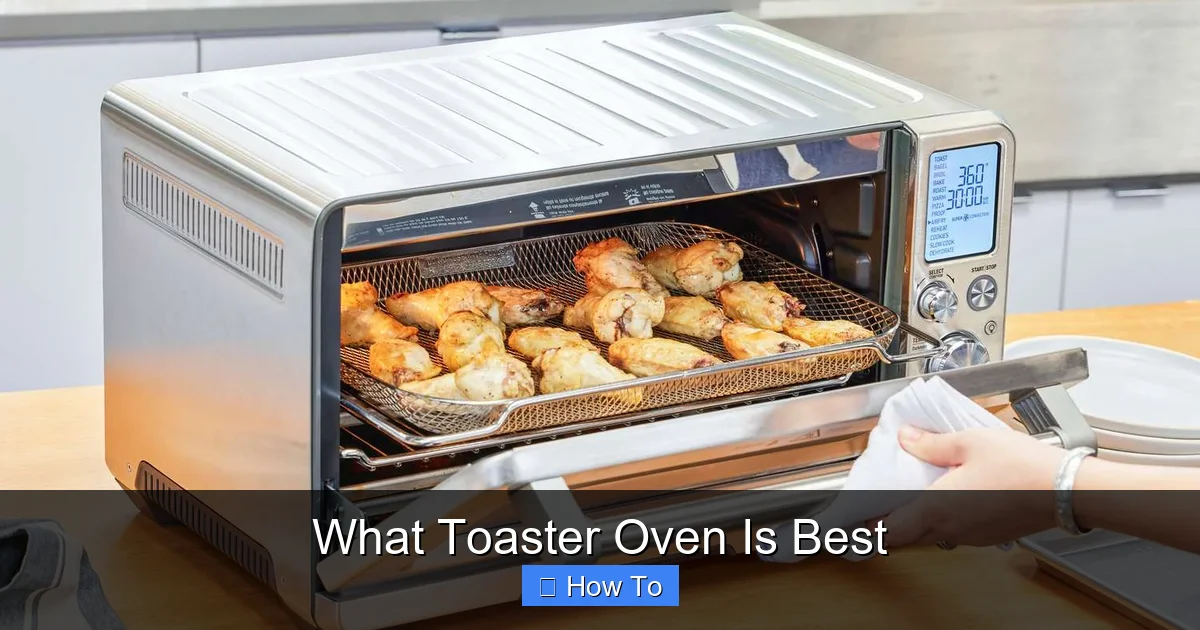
The best toaster oven is the one that fits your counter, food, and cooking habits. Pick enough room, even heat, easy controls, and safe materials—then skip features you will not use.
What Toaster Oven Is Best
No toaster oven is best for every home. Some are made for quick toast. Others can roast a chicken, bake a small cake, or crisp frozen food. The right choice depends on the space you have and the meals you make.
If you ask, “What toaster oven is best?” start with your routine. A small unit may be enough for one or two people. A larger model makes more sense for families, meal prep, or anyone who wants to replace a full-size oven for small tasks.
This guide breaks down capacity, heat modes, controls, safety, cleaning, and value. It also gives clear picks for common kitchens. You will not need to read dozens of long reviews or guess at specs.
Key Takeaways
- Start with capacity: A 4-slice model suits small spaces, while a 6-slice or 9-slice oven works better for families.
- Choose useful heat modes: Toast, bake, broil, and convection cover most needs; air frying is a bonus, not a must.
- Measure before buying: Check width, depth, height, door swing, and heat clearance on your counter.
- Value even heating: Strong airflow, stable racks, and good reviews matter more than many cooking presets.
- Plan for cleaning: Removable trays and smooth inner walls make daily use much easier.
- Check safety and support: Look for solid build quality, a good warranty, and clear care instructions.
📑 Table of Contents
Start With What You Cook Most
Match Capacity to Your Real Life
Look at both width and interior space. A 4-slice oven handles bread, bagels, and small frozen snacks. It works well in a dorm or small apartment, but it may feel tight for a sheet pan or several pieces of chicken. A 6-slice oven is a useful middle ground. It can fit standard toast and many small baking pans.
For a family, consider a 9-slice model or a larger countertop oven. Check the tray size before you buy. A wide pan is often more useful than a tall box you rarely have room to use. If you cook for four, a 9-slice oven can cut batches and save time.
Also check interior height. A tall oven is not useful if a rack only sits low. Measure your common pan and compare it with the oven’s tray. An 8-inch square cake pan is a good test. If it cannot fit with room around it, heat will not move well.
Think through a week. On Monday, toast breakfast. Wednesday, reheat leftovers. Friday, roast vegetables. Sunday, bake a small batch of cookies. One oven should handle those jobs without crowding. If most meals use one pan, a mid-size model is enough. If you cook for many people, larger capacity matters.
Choose Heat Modes That Fit Your Meals
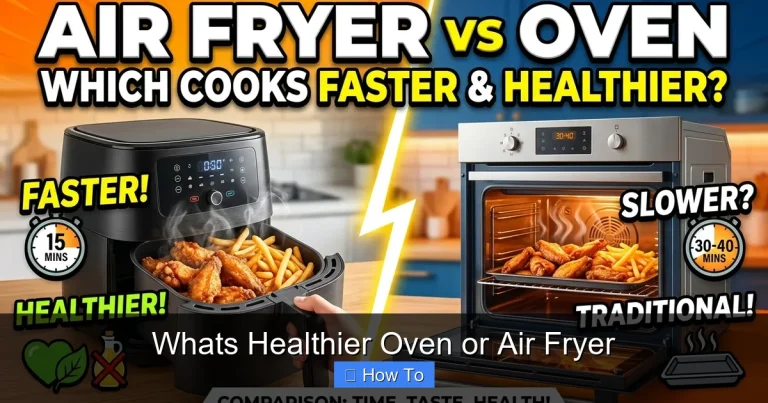
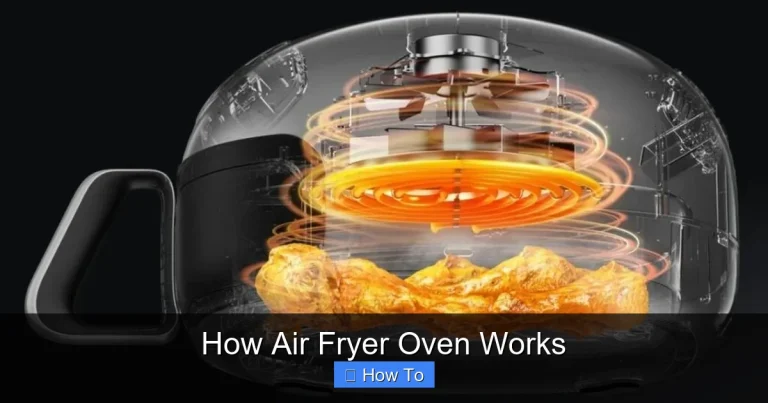
Toast, bake, and broil cover most needs. Convection adds a fan that moves hot air. This helps food brown faster and more evenly. Learn what a convection toaster oven is used for before you pay extra. Air fry adds strong, focused airflow and a basket or shallow tray. It is useful for fries, wings, vegetables, and frozen snacks, but it is not needed for simple toast.
Convection can shorten cook time, but check the recipe directions. Lower the temperature a little or watch the food early. Air frying works best with a single layer and space around each piece. Crowding the basket traps moisture and can make food soft.
Also think about what you want to cook. If you reheat pizza, roast vegetables, and bake cookies, a standard convection model may be enough. If crisp foods are a weekly meal, an air fryer model deserves a closer look.
Measure for Size and Space
Measure Width, Depth, and Height
Measure the counter before you shop. Note width, depth, and height. Leave room at the back for heat and cords, and keep hands clear of hot sides. Do not place the oven under shelves or near a stove. A unit that fits when cold may block a cabinet or feel unsafe when hot.
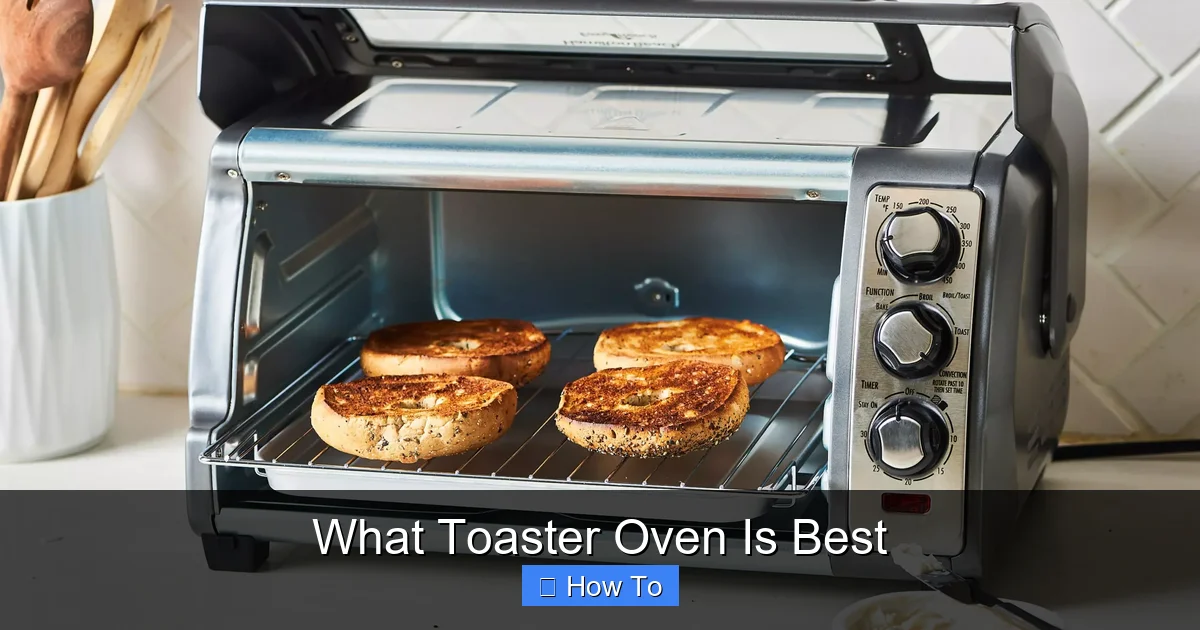
Visual guide about What Toaster Oven Is Best
Image source: besttoasterovens2020.com
A compact 4-slice oven may suit a studio. A 6-slice unit often fits a normal counter while offering real cooking room. A 9-slice model needs more space, but it can replace a full oven for many small jobs.
Depth also matters. A deep oven can block the back edge of a counter. Check the cord and door swing, not just the body. You need room to pull hot racks out safely. A front control panel can keep hands away from the door.
Do not tuck the oven against a backsplash with no gap unless the maker allows it. Heat needs to leave the top and sides. Follow the care guide. On a thin countertop, stable feet also matter.
Fit the Oven Into Your Daily Workflow
Think about where you will pull food. A door that opens wide helps in a tight corner. A model with a front control panel may be easier than knobs set high at the back. If you use it daily, simple layout matters more than extra buttons.
Judge Heat Control and Even Cooking
Dial or Digital Controls?
Dial controls are fast and easy to understand. Digital controls can offer precise time and temperature, plus presets. Neither is always better. Choose the style you can use without searching through a menu. For daily toast, a dial may be ideal. For baking, a clear digital display can help.
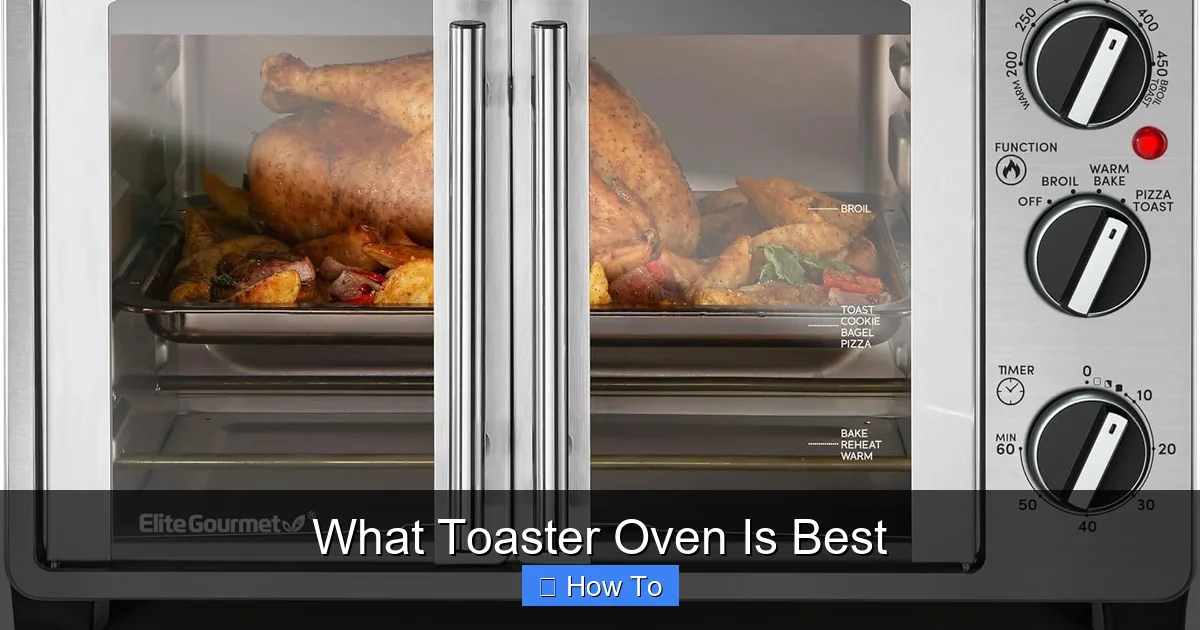
Visual guide about What Toaster Oven Is Best
Image source: m.media-amazon.com
Look for Even Heat
Even heat matters more than a long list of modes. Look for heating elements near the top and bottom, good airflow, and a rack that sits level. Quartz elements can heat fast, but they do not fix a poor design. Read recent reviews for comments about hot spots, thin toast, or uneven baking.
Preheat matters, too. Many ovens need several minutes to reach the set temperature. A ready light can help, but do not assume the food is done as soon as it flashes. Follow the maker’s timing. A short preheat can make toast and baked goods more even.
Test your choice at home. Toast four slices and rotate them halfway. They should brown alike. Then bake a small tray of cookies. If the edges burn while the centers stay pale, the oven needs better heat circulation.
Temperature accuracy is another clue. If one review says food needs extra minutes every time, the thermostat may run hot. If another says food stays pale, it may run cool. A few consistent reports are more useful than one perfect review.
A sturdy rack and firm door hinge also matter. Wobbly parts can make cooking less safe and less even.
Choose Useful Features, Not Busy Features
Decide Whether Air Frying Is Worth It
Air frying is useful when you want very crisp food with less oil. A basket lifts food through hot air, while a flat tray gives more room for vegetables or a small pizza. Compare basket size and airflow, not just the word “air fry.” If you rarely make crispy food, skip it and keep the budget for a better oven.
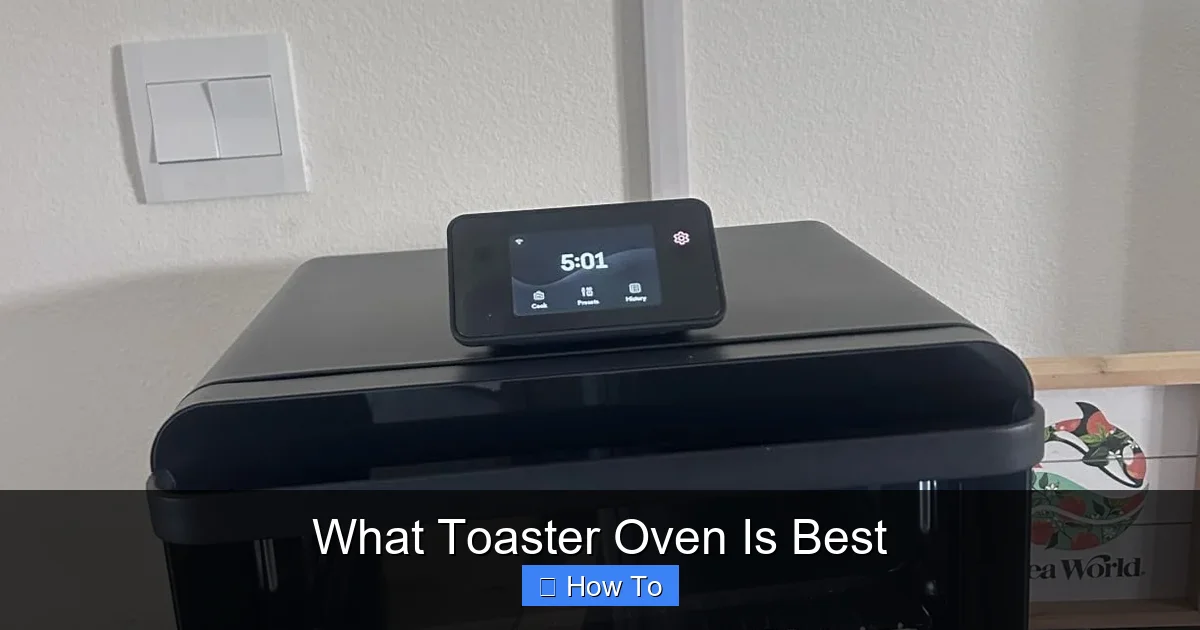
Visual guide about What Toaster Oven Is Best
Image source: caribreeze.com
See our guide to the best air fryer oven to learn how these models differ from standard convection ovens.
Pick Accessories You Will Actually Use
Useful extras include a wire rack, baking pan, crumb tray, and interior light. A removable crumb tray saves time. A nonstick pan is easy to wipe, but it should be sturdy and rated for high heat. Avoid fragile trays or accessories that do not fit well.
Pan shape is also important. A wide, shallow pan helps vegetables crisp. A deeper pan is better for small cakes or casseroles. If you bake often, check that the pan can move in and out without scraping the walls.
Know When Extras Add Value
An automatic shutoff and heat-resistant body add peace of mind. A warm setting helps keep food crisp while you finish the rest. Presets can be handy for frozen snacks or potatoes, but they may not suit every recipe. For flexible cooking, manual time and temperature controls are often better.
A feature is only worth paying for if you will use it each week. Do not let a long list of buttons hide weak heating or poor reviews. The best toaster oven should make cooking easier, not more confusing.
Check Safety, Care, and Build Quality
Use the Oven Safely
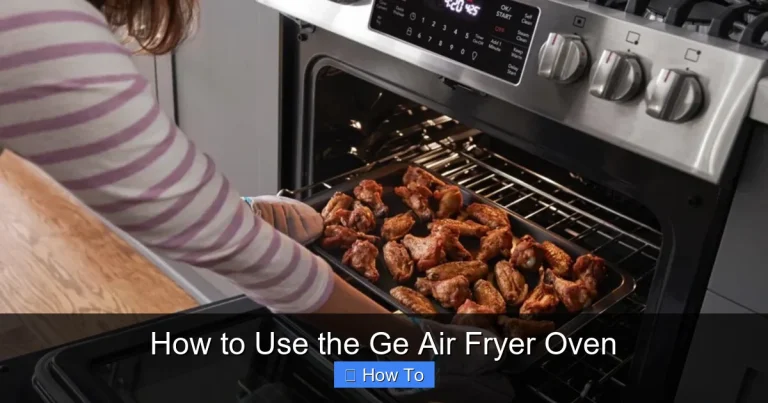
A toaster oven gets very hot, so read its manual. Keep cords away from water and hot burners. Do not touch the door or sides during use. Keep paper, cloth, and loose foil away from heating elements. Never use a damaged cord or plug.
Glass doors can stay hot after baking. Let the oven cool before moving it. Keep children away, and do not run the oven in a cramped space with no airflow.
Clean It on a Simple Schedule
Keep a quick routine. Wipe the door after greasy cooking, and empty the crumb tray weekly. Deep-clean the inside when crumbs or spilled oil build up. Built-up grease can smoke and affect taste.
Clean the crumb tray and pan often. Wipe inside walls when cool. Do not use harsh scrubbers on nonstick surfaces. A model with smooth inner walls and removable parts is easier to care for.
Check the Build Before Checkout
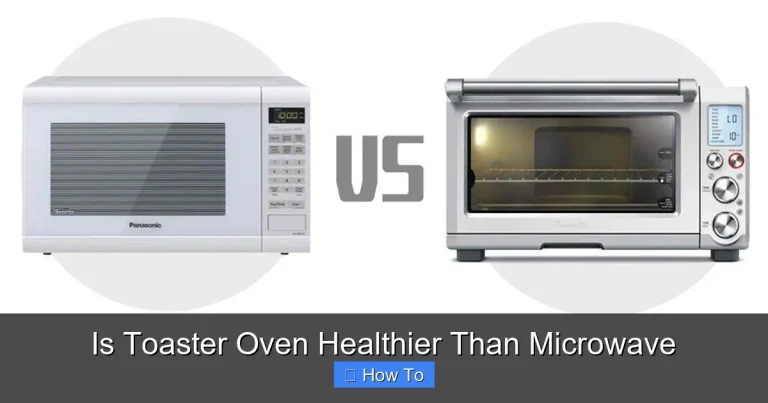
Check the warranty, reviews, and replacement parts. A known name does not prove quality, and a low price does not guarantee it. Look for solid construction, stable feet, a strong hinge, and clear support. For brand advice, read which brand of toaster oven is best before making a final choice.
Save the box for a few weeks. If the oven arrives damaged or stops working, easy returns can prevent a costly mistake.
Final Verdict: What Toaster Oven Is Best?
Best for Most Homes
For most households, the best toaster oven is a 6-slice or 9-slice model with convection, toast, bake, and broil modes. It should have a roomy interior, even heat, a removable crumb tray, and controls you can use fast. This mix offers the most value without taking over the counter.
Best for Special Needs
Choose a 4-slice oven for a small kitchen or light use. Pick a 9-slice or larger model for families and sheet-pan meals. Choose air frying if you cook crispy foods often. Choose simple dials if you want speed, or digital controls if you like exact settings.
Also compare return policies and warranty length. The best model for you is the one that fits your space, cooks evenly, and stays easy to clean after months of use.
Conclusion
So, what toaster oven is best? The smart answer is not the most expensive one. It is the oven that matches your food, counter, and habits. Start with capacity and even heat. Add convection, air frying, or digital controls only when they solve a real need. A simple, well-built oven that cooks well will beat a crowded feature list every time.
Frequently Asked Questions
Is a toaster oven better than a full-size oven?
It can be better for small meals, toast, reheating, and quick cooking. It uses less space and often less energy. A full oven is still better for large roasts, big pans, and cooking several dishes at once.
How big should the best toaster oven be?
Choose a 4-slice model for one or two people, a 6-slice model for most homes, and a 9-slice model for families. Match the pan size to the food you cook, not just the number of toast slices.
Do I need an air-fryer toaster oven?
No. Air frying is useful for fries, wings, vegetables, and frozen snacks, but it is not needed for toast or basic baking. Skip it if you will not use it often.
Can I bake a cake in a toaster oven?
Yes, if the oven is large enough and the recipe fits inside. Use a small pan, watch the food closely, and rotate the pan if heat is uneven. Start with a recipe made for a small oven.
Are quartz heating elements better?
Quartz elements can heat up fast and respond well. They are not a guarantee of even cooking. Design, airflow, and rack position still matter more.
How long should a good toaster oven last?
A good toaster oven may last five to ten years with steady care. Replace it if the cord is damaged, the door no longer seals, or heating becomes uneven. Buy from a maker that offers parts and support.