Is Toaster Oven Healthier Than Microwave
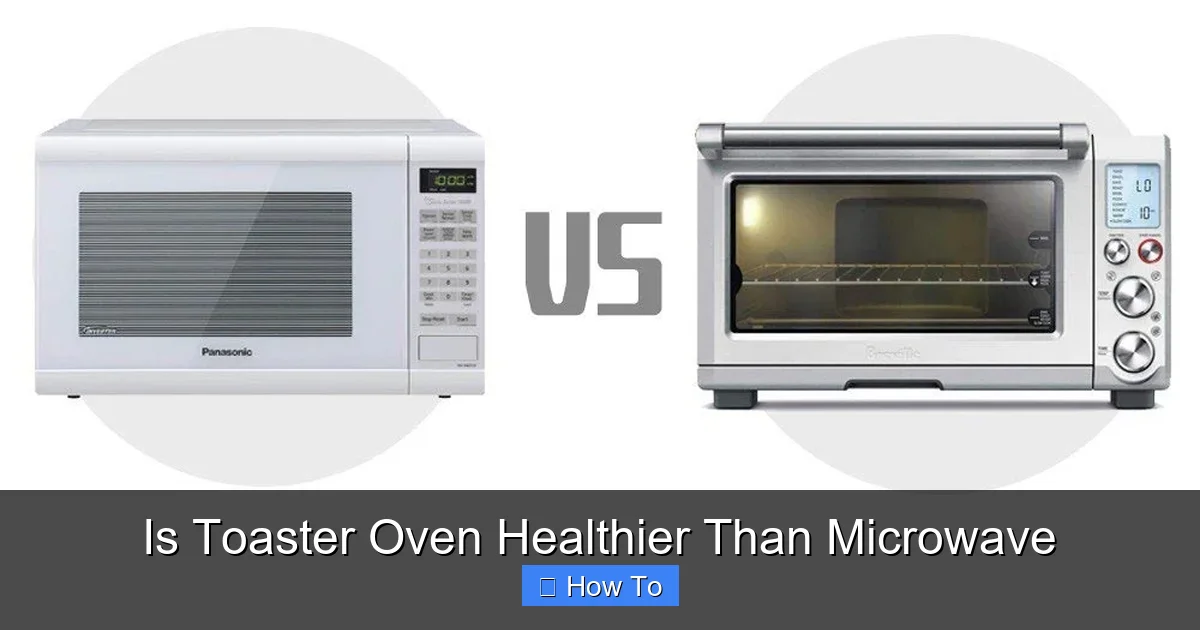
When it comes to health, toaster ovens and microwaves each have pros and cons. Toaster ovens tend to preserve nutrients and reduce added fats, while microwaves excel in speed and energy savings. The best choice depends on your cooking goals, schedule, and budget.
Key Takeaways
- Nutrient Retention: Toaster ovens generally keep more vitamins and minerals than microwaves.
- Fat Reduction: Convection heat can crisp foods with little or no oil, making meals lighter.
- Speed vs. Nutrition: Microwaves cook fastest but may degrade some nutrients if over‑cooked.
- Energy Use: Small toaster ovens often use less power than running a full‑size oven, while microwaves are the most efficient.
- Taste and Texture: Toaster ovens give a golden, crunchy finish; microwaves keep foods softer.
- Weight Management: Both can support calorie control, but toaster ovens let you brown and finish dishes without extra oil.
- Choosing the Right Tool: Use a toaster oven for meals that benefit from browning, and a microwave for quick reheats and veggie steaming.
📑 Table of Contents
Introduction
Many home cooks wonder which appliance is healthier: a toaster oven or a microwave. Both devices promise convenience, but they cook food in very different ways. The answer isn’t always obvious, and it often depends on what you’re cooking, how you value nutrition, and how you spend your time and energy.
To decide, we need to look at nutrient retention, cooking speed, energy use, flavor, texture, and how each appliance fits into a healthy lifestyle. In this guide, we break down the science behind each method and give you practical tips for everyday cooking. For a deeper comparison, you can read Which Is Better Microwave Or Toaster Oven. If you want more details on the reverse comparison, check out Which Is Better Toaster Oven Or Microwave. You might also wonder about other appliances, so our piece Is An Air Fryer Healthier Than An Oven gives extra perspective.
Health Impacts of Cooking Methods
Nutrient Preservation
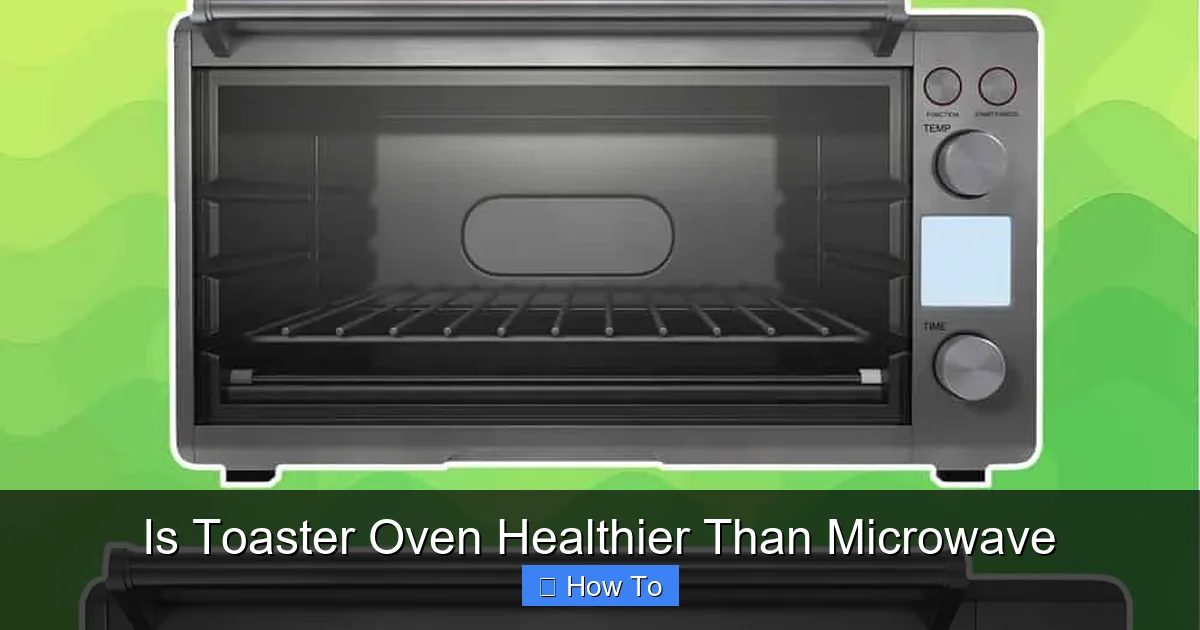
Toaster ovens use convection heat. Hot air circulates around food, cooking it evenly. This gentle heat can preserve water‑soluble vitamins like C and B better than a microwave’s intense radio‑frequency energy. In a toaster oven, a bell pepper may keep more of its vitamin C than when it’s zapped in a microwave for the same time.
Visual guide about Is Toaster Oven Healthier Than Microwave
Image source: unassaggio.com
However, the difference is small when you cook correctly. Over‑cooking, whether in a toaster oven or microwave, can destroy nutrients. The key is to limit cooking time and avoid excess water.
Reduced Additives
Because toaster ovens create a browning effect, you can often cook foods with little or no oil. A chicken breast can become golden and crispy without added butter, while a microwave may need a splash of water or oil to prevent drying. Less added fat means fewer calories and less exposure to unhealthy oils.
Many people also avoid non‑stick sprays or butter in toaster ovens, which reduces chemical exposure from overheated coatings. This makes the toaster oven a cleaner option for health‑conscious cooks.
Cooking Speed and Energy Efficiency
Power Consumption
Microwaves are the most energy‑efficient kitchen appliance. They heat water molecules directly, so they need only a few hundred watts to cook a meal. A typical microwave uses about 800‑1,200 watts per hour, while a small toaster oven uses 1,200‑1,500 watts. Over a year, the microwave can save a noticeable amount of electricity.

Visual guide about Is Toaster Oven Healthier Than Microwave
Image source: kitchenappliancehq.com
Still, a toaster oven uses less energy than a full‑size oven, which can consume 2,000‑2,500 watts. If you only need to cook a single serving, a toaster oven is a middle ground between a microwave and a conventional oven.
Time Savings
Microwaves cook food in minutes. Reheating leftovers, steaming veggies, or cooking a quick egg can take under two minutes. Toaster ovens need 10‑30 minutes, depending on the dish. For busy families, the microwave’s speed can be a huge advantage.
However, some tasks benefit from longer cooking. Baking a small loaf of bread, roasting vegetables for a crisp finish, or melting cheese often require the steady heat of a toaster oven. The extra time can be worth it when the result is healthier and tastier.
Flavor, Texture, and Nutrition
Taste Profile
The Maillard reaction creates a browned, caramelized flavor that many people love. This reaction occurs in toaster ovens because the temperature reaches above 300°F (150°C). Microwaves rarely trigger the Maillard reaction, so foods can taste blander.
For dishes like roasted chicken, crispy bacon, or baked potatoes, the toaster oven adds depth and richness. For simple reheating, the microwave keeps the original flavor intact without altering it.
Texture Differences
Toaster ovens give a crunchy exterior while keeping the interior tender. This contrast is perfect for foods like fish fillets, chicken wings, or veggie medleys. The texture is often described as “restaurant‑quality.”
Microwaves produce softer textures because they heat from the inside out. Food can become rubbery or soggy if not covered properly. While some chefs use microwaves to soften tough cuts of meat, the result rarely matches the crispness of a toaster oven.
Texture also influences satisfaction. People often feel more full after a meal with a satisfying crunch, which can help with portion control. This is one reason why a toaster oven can be a better tool for weight management.
Weight Management and Portion Control
Calorie Control
Both appliances can help you watch calories, but they do it in different ways. Toaster ovens allow you to cook with little or no added fat, keeping the calorie count low. A typical serving of roasted vegetables with a drizzle of olive oil may have fewer calories than a microwave meal that includes pre‑seasoned sauces and butter.
Microwaves often rely on pre‑packaged meals that can be high in sodium and hidden fats. If you choose fresh ingredients and cook them in a microwave, you can also keep calories low. The key is to avoid heavy cream sauces or excessive cheese.
Portion Sizes
Because toaster ovens can brown food, they create a visual cue that signals a satisfying portion. A small plate of roasted chicken with crispy skin feels more substantial than a bowl of microwaved chicken that looks soggy.
Microwaves make it easy to cook single servings quickly, which can help with portion control for busy individuals. You can heat exactly what you need, reducing waste.
When you combine the two, you can reheat a microwaved salad with a quick microwave blast, then finish it in a toaster oven for a few minutes of crispness. This hybrid approach gives you the best of both worlds.
Choosing the Right Appliance for Your Lifestyle
When to Use a Toaster Oven
Use a toaster oven for meals that benefit from browning and crispness. Think of baked potatoes, roasted vegetables, small batches of cookies, or reheating pizza. If you want to avoid oil but still get a golden crust, the toaster oven is the go‑to appliance.
It’s also great for people who want to limit their use of a large oven. A toaster oven heats up quickly and cools down fast, giving you more control over cooking time.
When to Use a Microwave
Choose a microwave for speed and energy savings. It’s perfect for reheating leftovers, steaming quick veggies, cooking instant oatmeal, or defrosting meat. If you’re on a tight schedule, the microwave lets you get a hot meal on the table in minutes.
Microwaves also preserve the texture of delicate foods like steamed fish or soft fruits. You can cook them without over‑cooking, keeping them moist and tender.
Combining Both Appliances
Many kitchens use both appliances to maximize health benefits. For example, you can steam broccoli in a microwave, then finish it under the broiler in a toaster oven for a little extra crispness. This combo gives you nutrient‑rich vegetables with a satisfying texture.
Another trick is to use the microwave to cook a protein quickly, then brown it in a toaster oven to add flavor and a nice crust. This method saves time while delivering a restaurant‑style finish at home.
Conclusion
Is toaster oven healthier than microwave? The answer is nuanced. Toaster ovens excel at preserving nutrients, reducing added fats, and creating flavorful, crunchy textures. Microwaves win in speed and energy efficiency, making them ideal for quick reheats and simple veggie steaming. Both can support a healthy diet when used wisely.
Your personal health goals, cooking style, and kitchen space should guide your choice. Many households find that using both appliances—microwave for speed and toaster oven for flavor—offers the best of both worlds. By understanding the strengths of each, you can make cooking decisions that boost nutrition, satisfy taste buds, and keep your routine smooth.
Frequently Asked Questions
Is a toaster oven always healthier than a microwave?
Not always. While toaster ovens tend to preserve more nutrients and allow cooking with less fat, microwaves are faster and use less energy. The healthiest choice depends on the food and cooking technique you use.
Do toaster ovens retain more vitamins than microwaves?
Yes, convection heat in a toaster oven can preserve water‑soluble vitamins like C and B better than the high‑frequency energy of a microwave, especially when cooking times are similar.
Can a microwave help with weight loss?
Yes, if you use fresh ingredients and avoid high‑calorie sauces. Microwaves let you cook small portions quickly, which can support calorie control and healthy meal planning.
Which appliance uses less electricity?
Microwaves are the most energy‑efficient, using about 800‑1,200 watts per hour. Small toaster ovens use 1,200‑1,500 watts, but they are still far more efficient than a full‑size oven.
Is it okay to use both appliances for one meal?
Absolutely. Many chefs combine them—microwave for quick cooking and toaster oven for browning or finishing—to achieve better flavor, texture, and nutrition.