What Is Turbo on a Toaster Oven
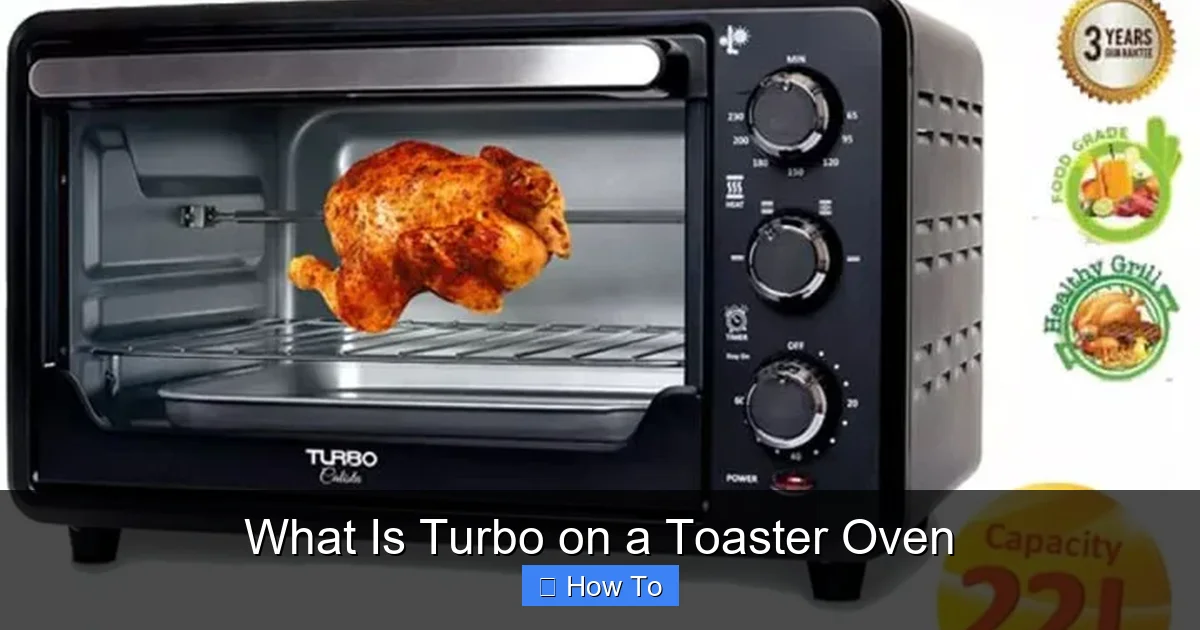
The “turbo” function on a toaster oven is a powerful heating mode that uses a fan to circulate hot air rapidly around your food, cooking it faster and more evenly than standard baking. This feature combines intense heat with forced air circulation, making it ideal for crisping, browning, and quick cooking tasks. Understanding when and how to use turbo mode can significantly improve your toaster oven cooking results.
Key Takeaways
- Point 1: Turbo mode uses a powerful fan to circulate hot air at high speed, cooking food faster than conventional heating elements alone.
- Point 2: The intense air circulation in turbo mode creates a crispier texture on the outside while maintaining moisture inside, perfect for browning and crisping.
- Point 3: Turbo cooking reduces cooking times by 25-50% compared to standard bake mode, making it highly efficient for busy kitchens.
- Point 4: Not all toaster ovens have turbo mode – it’s typically found on higher-end convection models and varies by brand and model.
- Point 5: Foods like frozen pizzas, chicken wings, and roasted vegetables benefit most from turbo mode due to their need for even crisping and browning.
- Point 6: When using turbo mode, reduce cooking temperatures by 25°F and check food frequently to prevent over-browning or burning.
📑 Table of Contents
What Is Turbo on a Toaster Oven
If you’ve ever stared at your toaster oven’s control panel and wondered what all those mysterious buttons do, you’re not alone. One setting that often causes confusion is labeled “turbo.” It sounds like something out of a car commercial, but trust me – it’s actually one of the most useful features on modern toaster ovens.
So what exactly is turbo on a toaster oven? Simply put, turbo mode is an advanced cooking function that uses a powerful fan to force hot air to move rapidly around your food. This isn’t just regular convection cooking – turbo takes things to the next level with higher fan speeds and often additional heating elements. The result? Food that cooks faster, browns beautifully, and develops that perfect crispy exterior we all crave.
Think of turbo mode as your toaster oven’s “superhero setting.” Whether you’re trying to get restaurant-quality crispiness on your chicken wings or need to quickly reheat leftover pizza without making it soggy, turbo mode is likely your answer. But here’s the thing – not everyone uses it correctly, and misusing this powerful feature can lead to burnt edges and undercooked centers.
In this article, we’re going to dive deep into everything turbo mode has to offer. We’ll explain how it works, when to use it, and most importantly, how to get the best results every single time. By the end of this read, you’ll feel confident using turbo mode and probably wonder how you ever cooked without it.
How Turbo Mode Actually Works
At its core, turbo mode is all about air movement. Traditional baking relies on radiant heat from the oven walls and heating elements to cook your food. While this works fine, it’s relatively slow and can result in uneven cooking. Turbo mode changes the game by adding serious airflow into the mix.
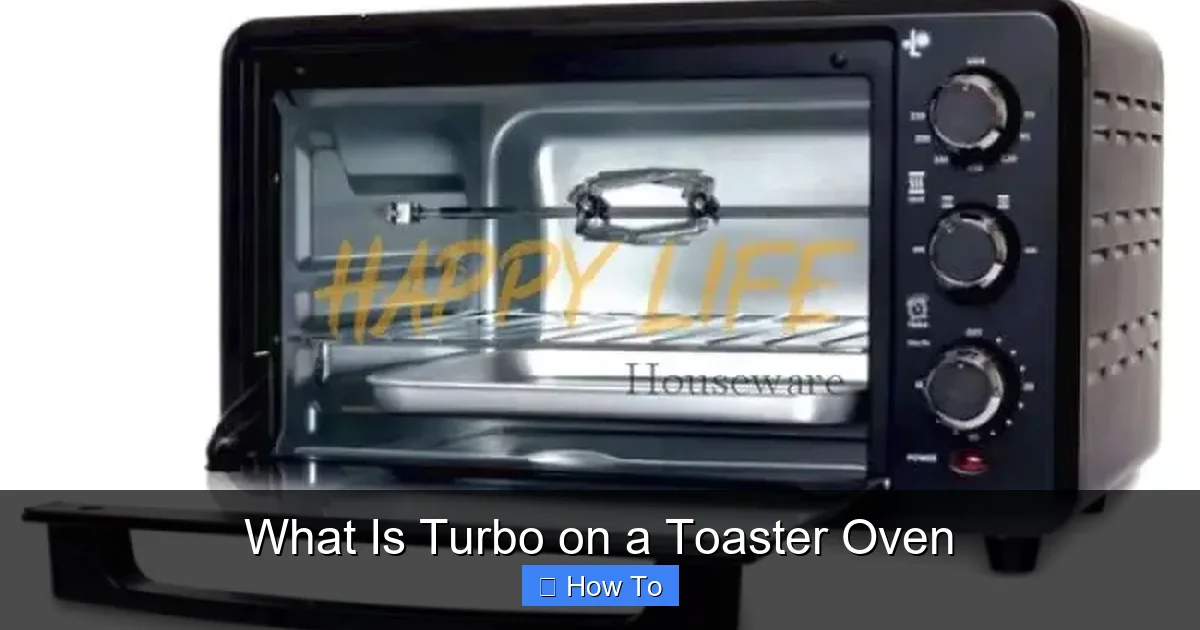
Visual guide about What Is Turbo on a Toaster Oven
Image source: static-src.com
The Science Behind Turbo Cooking
When you activate turbo mode, several things happen simultaneously. First, the fan kicks into high gear – we’re talking about speeds that can move air at 30-50 miles per hour inside your oven cavity. This rapid air movement carries heat more efficiently to every surface of your food, eliminating hot spots and cold zones.
Second, many turbo-enabled toaster ovens also engage additional heating elements. While standard bake mode might only use the bottom element, turbo mode often activates both top and bottom elements along with the fan. This combination of intense heat and aggressive air circulation is what gives turbo its signature cooking power.
The technical term for this process is “forced convection,” but turbo mode takes it up a notch. Regular convection ovens typically run their fans at moderate speeds, while turbo mode pushes everything to maximum capacity. This is why foods cooked in turbo mode often look and taste like they came from a professional kitchen.
Turbo vs. Regular Convection
Now, you might be thinking: isn’t this just convection cooking? Well, sort of – but there’s an important distinction. Regular convection mode uses a fan to circulate air, but at a much gentler pace. Turbo mode cranks everything up to eleven, delivering restaurant-quality results in a fraction of the time.
If you’ve ever wondered what a convection toaster oven is used for, turbo mode essentially amplifies those same benefits. Where convection might reduce cooking time by 20%, turbo can cut it by 40-50%. That’s the difference between waiting 30 minutes for chicken tenders and having them ready in 15.
When to Use Turbo Mode
While turbo mode is incredibly versatile, it’s not necessarily the right choice for every cooking task. Learning when to reach for this powerful setting can make the difference between culinary success and disappointment. Let’s break down the scenarios where turbo truly shines.
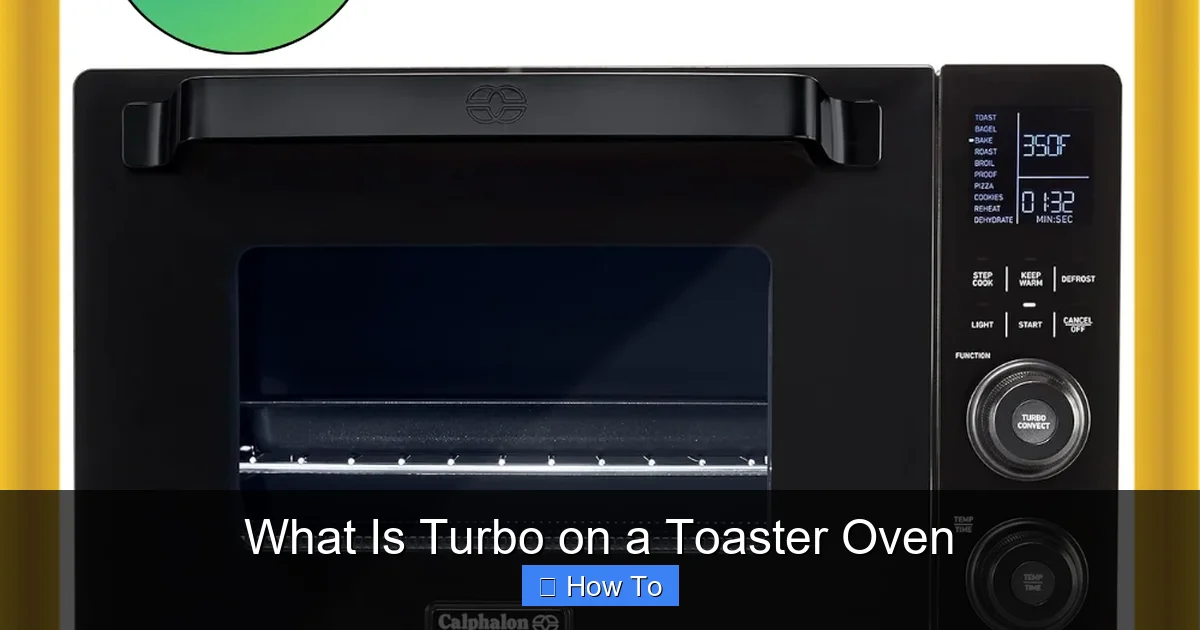
Visual guide about What Is Turbo on a Toaster Oven
Image source: i.ebayimg.com
Perfect for Crisping and Browning
If you’ve ever struggled with getting that perfect golden-brown crust on your baked goods or wondered what broil in a toaster oven actually does, turbo mode offers a middle ground that’s often superior. The rapid air circulation creates an environment that promotes beautiful browning without the intense direct heat of broiling.
This makes turbo mode perfect for foods like pizza (especially frozen varieties), chicken wings, french fries, and roasted vegetables. These items benefit from the combination of intense heat and airflow that creates that satisfying crunch on the outside while keeping the inside tender and juicy.
Great for Reheating
Reheating leftovers is where turbo mode really proves its worth. Unlike microwave reheating, which can leave food soggy or unevenly heated, turbo mode restores that freshly-cooked texture. Pizza reheated in turbo mode comes out crispy on the bottom with melty cheese on top – almost as good as the original.
Bread products like sandwiches, pastries, and even leftover bread rolls benefit tremendously from turbo reheating. The airflow prevents them from becoming tough or rubbery, which is a common problem with other reheating methods.
Speed Cooking Solutions
When time is of the essence, turbo mode is your best friend. Need to cook frozen appetizers for last-minute guests? Want to prepare a quick meal without firing up the full-size oven? Turbo mode delivers restaurant-quality results in half the time.
Small cuts of meat, fish fillets, and ready-to-eat items like taquitos or mozzarella sticks cook evenly and quickly in turbo mode. The key is understanding that because of the intense heat and airflow, cooking times are significantly reduced compared to conventional methods.
Common Mistakes to Avoid
Despite its many advantages, turbo mode isn’t foolproof. Even experienced cooks can make mistakes when using this powerful setting. Here are the most common pitfalls and how to avoid them.
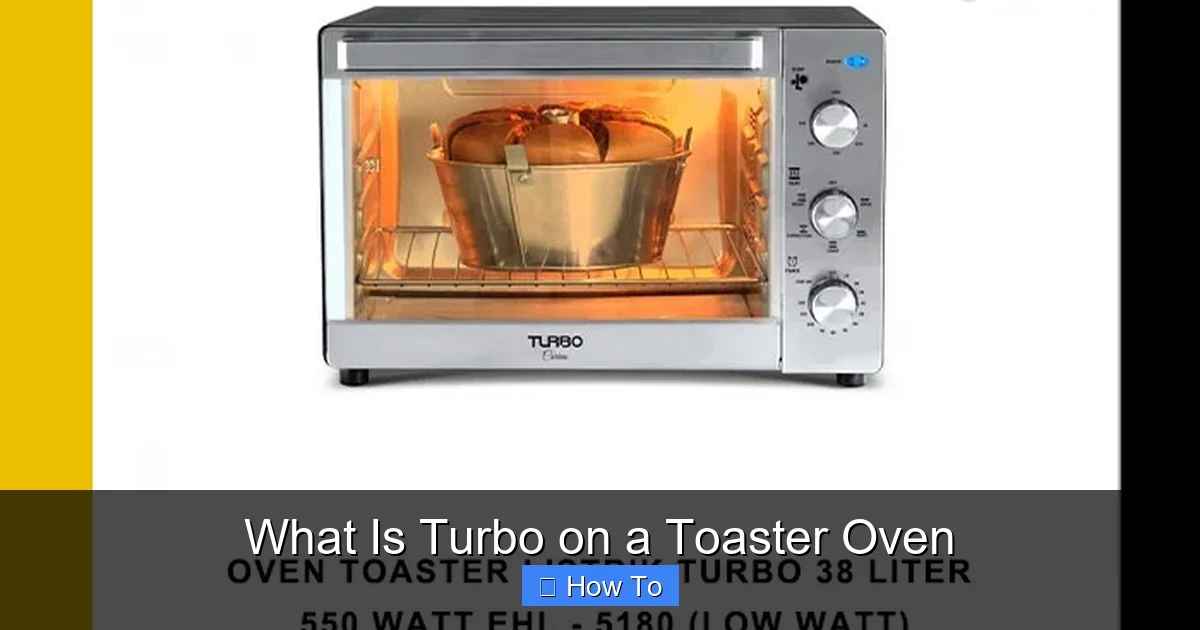
Visual guide about What Is Turbo on a Toaster Oven
Image source: down-id.img.susercontent.com
Overcooking is the Biggest Culprit
Because turbo mode cooks food so much faster, it’s easy to overcook items if you’re not paying attention. What might take 25 minutes in regular bake mode could be done in 12-15 minutes with turbo. Set a timer and check your food a few minutes before the expected completion time.
A good rule of thumb is to reduce the cooking temperature by 25°F and cut the cooking time by about 30-40% when switching to turbo mode. If a recipe calls for 350°F for 20 minutes, try 325°F for 12-15 minutes instead.
Not All Foods Are Turbo-Friendly
While turbo mode works wonders on many foods, some items are better suited to gentler cooking methods. Delicate items like custards, soufflés, and certain baked goods can be ruined by the aggressive airflow and heat of turbo mode.
Items with high moisture content, like certain casseroles or dishes with lots of liquid, may also not respond well to turbo cooking. The rapid evaporation caused by the intense airflow can dry out these foods before they’re properly cooked through.
Ignoring Rack Position
Rack positioning becomes even more critical with turbo mode. The airflow pattern inside the oven cavity means that food placed too close to the fan or heating elements can cook unevenly or burn on one side.
As a general guideline, place food in the center of the oven rack when using turbo mode. For items that need extra crisping on top, you might position them slightly higher, but avoid placing anything directly under the broiler element unless the recipe specifically calls for it.
Tips for Getting the Best Results
Now that we know what turbo mode is and when to use it, let’s talk about getting the most out of this feature. With a few simple techniques, you can consistently achieve professional-quality results every time.
Preparation is Key
Proper preparation makes a huge difference when cooking with turbo mode. Pat foods dry before cooking – excess moisture will steam rather than crisp, defeating the purpose of using turbo. For items like chicken wings or french fries, make sure they’re evenly coated with oil for optimal browning.
Preheating is another important step. While some modern toaster ovens preheat quickly, giving turbo mode a minute or two to reach full temperature ensures consistent results. Place a baking sheet or pizza stone inside during preheating for an extra-crisp bottom crust.
Temperature and Time Adjustments
Mastering the temperature and time adjustments for turbo cooking takes practice, but here are some starting guidelines. As mentioned earlier, reduce temperatures by 25°F and cut cooking times by roughly one-third. Keep detailed notes of your successes and failures – this becomes your personal reference guide.
For example, if you’re cooking frozen pizza, the package might recommend 400°F for 12-15 minutes. In turbo mode, try 375°F for 8-10 minutes. Check at the 8-minute mark and adjust accordingly based on your desired level of crispness.
Experimentation Leads to Mastery
Every toaster oven is different, so don’t be afraid to experiment with your specific model. What works perfectly in one brand might need slight adjustments in another. Start with simple items like frozen appetizers or reheating pizza – these forgiving foods let you dial in your technique without risking an expensive meal.
Keep track of which foods respond best to turbo mode in your particular oven. Some models might excel at crisping while others prioritize even heating. Understanding your appliance’s strengths helps you make the most of every feature.
Choosing the Right Toaster Oven with Turbo
Not all toaster ovens are created equal when it comes to turbo functionality. If you’re in the market for a new appliance, understanding what to look for can save you time and money. The presence of turbo mode alone doesn’t guarantee quality – implementation matters.
Features That Matter
When shopping for a toaster oven with turbo mode, look for models that offer precise temperature control and multiple fan speed settings. The best turbo-enabled ovens allow you to adjust fan intensity separately from temperature, giving you fine-grained control over the cooking process.
Size is another consideration. Larger interior cavities generally provide better air circulation, which translates to more even cooking in turbo mode. If you frequently cook for families or entertain guests, investing in a larger model pays dividends.
Brand Considerations
Different manufacturers implement turbo technology in various ways. Some focus on maximum fan power while others emphasize even heat distribution. Researching which brands excel in areas that matter to you – whether that’s speed, crispiness, or versatility – helps narrow down your options.
If you’re curious about specific brands, you might want to explore resources that discuss what makes the best toaster oven overall. Features like digital controls, preset programs, and easy-to-clean interiors complement turbo functionality and enhance the overall user experience.
Conclusion
Turbo mode on a toaster oven represents one of the most significant advancements in countertop cooking technology. By combining intense heat with powerful air circulation, this feature delivers restaurant-quality results in a fraction of the time required by conventional cooking methods.
Whether you’re looking to perfectly crisp a frozen pizza, reheat leftovers without sacrificing texture, or simply speed up your daily cooking routine, turbo mode offers genuine benefits that extend far beyond marketing hype. The key to success lies in understanding how the feature works, knowing when to use it, and avoiding common mistakes that can lead to disappointing results.
As you become more comfortable with turbo cooking, don’t hesitate to experiment with different foods and techniques. Every toaster oven behaves slightly differently, and developing a feel for your specific model’s capabilities will help you get the most out of this powerful feature. Remember, even professional chefs had to learn through trial and error – so embrace the learning process and enjoy the journey toward becoming a turbo cooking expert.
With practice and patience, turbo mode will transform the way you think about toaster oven cooking. From weeknight dinners to entertaining guests, this versatile feature opens up new possibilities in your kitchen. So go ahead – fire up that turbo button and discover what your toaster oven is truly capable of.
Frequently Asked Questions
What is turbo mode on a toaster oven?
Turbo mode is a cooking function that uses a powerful fan to circulate hot air rapidly around your food, cooking it faster and more evenly than standard baking. It combines intense heat with forced air circulation for superior crisping and browning results.
Is turbo the same as convection?
While both use fans to circulate air, turbo mode operates at much higher speeds and intensity than regular convection. Turbo cooking typically reduces cooking times by 40-50%, compared to 20-25% for standard convection.
Can I use metal pans in turbo mode?
Yes, most metal pans work fine in turbo mode since the heating elements are enclosed. However, avoid using pans with high rims that could block airflow, and never use metal cookware that might spark or interfere with the oven’s electronics.
Should I reduce cooking time when using turbo?
Absolutely. Reduce cooking temperatures by 25°F and cut cooking times by about 30-40% when using turbo mode. Always check food a few minutes before the expected completion time to prevent overcooking.
What foods work best with turbo mode?
Turbo mode excels with foods that benefit from crisping and browning, such as frozen pizzas, chicken wings, french fries, roasted vegetables, and reheated leftovers. Avoid using it for delicate items like soufflés or high-moisture casseroles.
How do I know if my toaster oven has turbo mode?
Look for a button or setting labeled “turbo,” “fan bake,” or “convection” on your control panel. If your oven has a visible fan inside the cavity and multiple cooking modes, it likely includes turbo functionality.