What to Use in Toaster Oven
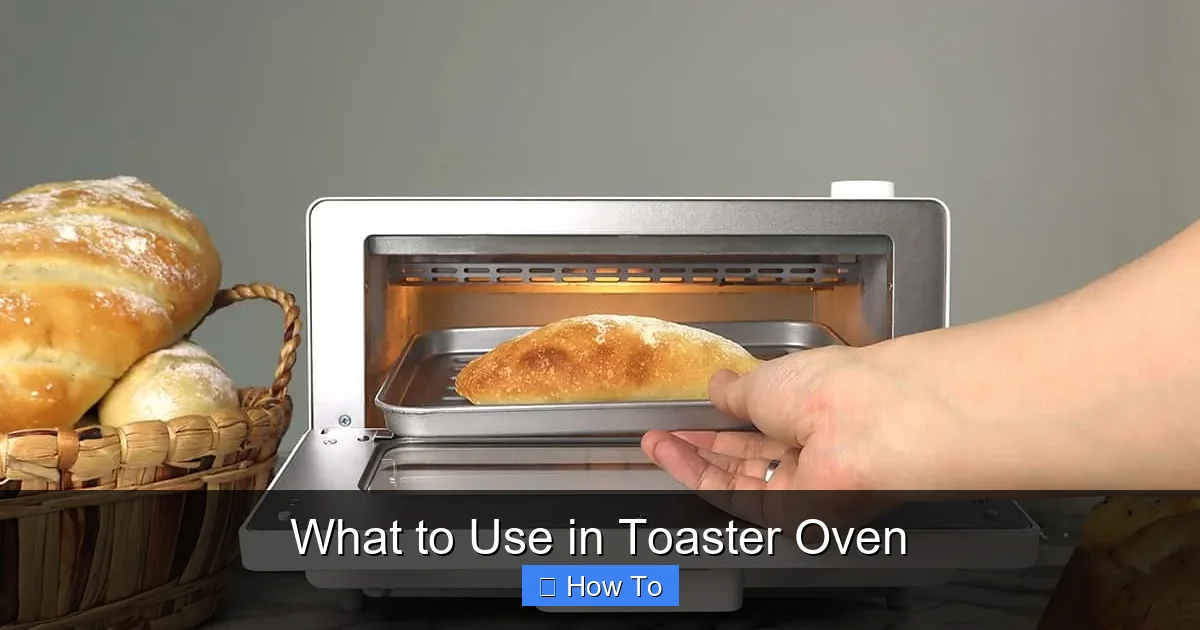
Knowing what to use in toaster oven matters for safety and cooking quality. You need oven-safe pans, proper trays, and the right accessories to avoid damage or fires. This guide covers everything from metal racks to glass dishes so you can cook with confidence.
Do you love your toaster oven but wonder what to use in toaster oven setups? You are not alone. Many people buy new bakeware only to find it does not fit or worse, it melts inside the machine. Knowing what goes inside matters for safety and tasty food. This guide helps you choose the right tools every time.
Toaster ovens work fast and save energy. They heat up quicker than big ovens and use less electricity. But they also get very hot in a small space. That means every item inside needs to handle high temperatures. You cannot just use anything from your regular kitchen. Some materials warp, melt, or even catch fire. Others scratch the non-stick surfaces inside your machine.
Before you start cooking, check your manual. Most makers list safe materials and sizes. They also warn about things to avoid. This article covers all the basics. You will learn which pans work, which racks help, and what to skip. By the end, you will feel confident loading up your toaster oven for any meal.
Key Takeaways
- Always check for oven-safe labels: Not all cookware works in toaster ovens due to high heat.
- Metal, glass, and ceramic are usually safe: Avoid plastic, paper, and styrofoam that can melt.
- Size matters: Choose pans that fit with space around them for proper air flow.
- Use the right tray for the job: Baking sheets, broiler pans, and wire racks each serve different purposes.
- Avoid non-stick coatings at high temps: They can release harmful fumes above 500°F.
- Clean accessories after every use: Grease buildup causes smoke and affects food taste.
📑 Table of Contents
Understanding Your Toaster Oven
Toaster ovens come in many shapes and sizes. Some look like small boxes with doors. Others slide out like drawers. Each style heats differently. Knowing your machine helps you pick the right tools.
How toaster ovens work
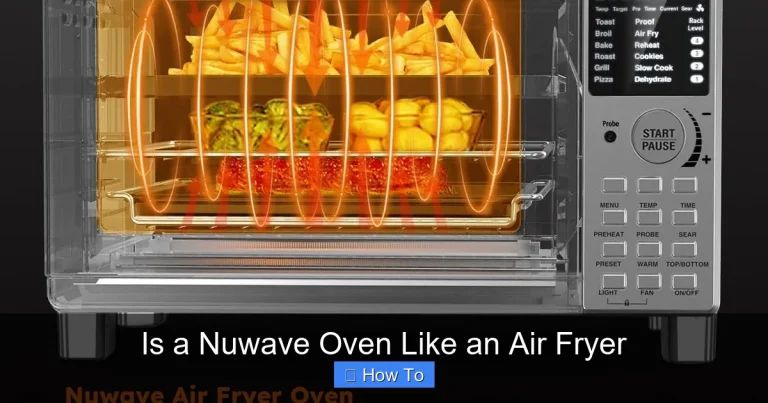
Most toaster ovens use heating elements on top and bottom. A fan sometimes circulates hot air. This works like a tiny conventional oven. The close proximity of elements to food means fast cooking. But it also means intense heat on nearby items. Always check if your dish can handle direct radiant heat. Quartz elements glow red and radiate heat downward. Convection models add a fan for even baking. Both styles need oven-safe cookware that won’t melt.
The top element broils at very high temps. The bottom element bakes and toasts. Some models have a back element for convection. Understanding these zones helps you place food correctly. Glass dishes go on the bottom for baking. Metal pans work under the top element for broiling. Never block the airflow vents on the sides. Proper placement prevents burning and uneven cooking. Most toaster ovens have 1200 to 1800 watts of power. Higher wattage means faster cooking times. Check your model specifications for exact power. This helps you adjust recipes from conventional ovens.
Size and capacity matter
Interior space limits what you can fit inside. A half-sheet pan might not fit in a compact model. Measure your oven before buying new bakeware. Leave room for air to flow around food. Crowding blocks heat and causes uneven cooking. Think about what you cook most often. Choose tools that match your favorite meals. A toaster oven that fits a 9×13 pan opens up many recipes. Smaller models need compact bakeware like muffin tins.
Interior dimensions vary by brand. Some fit a 12-inch pizza. Others max out at 8 inches. Check the interior width depth and height. Measure your current pans to see what fits. Leave one inch of space around each item. This allows hot air to circulate properly. Overcrowding leads to soggy food and long cook times. A well loaded oven cooks faster than an empty one. But never block the heating elements completely.
Safe Cookware and Bakeware
Not all pots and pans belong in a toaster oven. Safe materials handle high heat without melting or releasing toxins. Here are the best options to use.
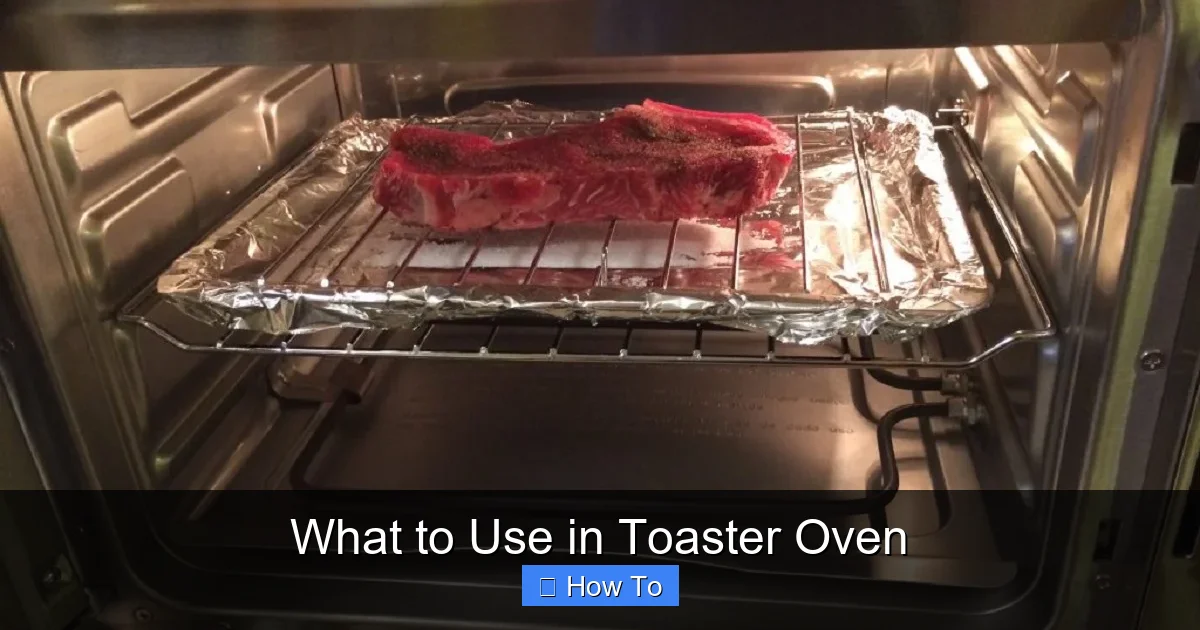
Visual guide about What to Use in Toaster Oven
Image source: storables.com
Metal options
Stainless steel, aluminum, and carbon steel work well. They conduct heat evenly and resist warping. Look for oven-safe labels on the bottom. Some metals react with acidic foods like tomatoes. This can change the taste of your dish. Dark metals absorb more heat, so watch for burning. Light colored pans reflect heat and cook more gently. Cast iron takes longer to heat but holds temperature well. It works great for searing steaks inside a toaster oven. Always make sure your metal bakeware fits with clearance from heating elements.
Aluminum foil pans are disposable and convenient. They work for roasting vegetables and baking fish. Thick foil holds up better than thin versions. Never use foil to line the entire oven floor. This blocks airflow and creates fire risk. Use foil only to cover food or make small pans. Stainless steel baking sheets last for years. They do not warp if quality grade steel. Avoid thin cheap metals that buckle under heat.
Glass dishes
Tempered glass like Pyrex is popular. It handles high heat and lets you see the food. Never put cold glass into a hot oven. The shock can cause cracking. Let dishes come to room temperature first. Glass retains heat well, so food stays warm after cooking. Use oven mitts when removing hot glass dishes. Borosilicate glass handles thermal shock better than soda lime glass. Check the bottom for oven safe symbols. Some glass decorative dishes are not meant for cooking. Only use glass bakeware labeled for oven use.
Glass pans cook food evenly but slowly. They take longer to heat up than metal. This makes them great for casseroles and baked pastas. You can see when the top is browning nicely. Glass works well for roasting nuts and seeds. It prevents burning better than dark metal. Always place glass on a dry surface. Wet glass can crack from thermal shock. Let glass cool before washing in cold water.
Ceramic and stoneware
Ceramic works great for casseroles and baked goods. Make sure it is labeled oven safe. Some decorative ceramics have glazes that cannot handle high heat. Stoneware distributes heat evenly for roasting vegetables. Avoid pieces with metal trim unless the maker says it is safe. Metal edges can spark and damage the oven. Ceramic pizza stones create crispy crusts. They absorb moisture and distribute heat evenly. Season new stones before first use. Never cut food directly on the stone. Use a separate cutting board to avoid scratching.
Glazed ceramic dishes look beautiful on the table. They go straight from oven to dining table. This saves you washing extra dishes. Unglazed terra cotta absorbs moisture for crispy bread. Check all ceramic for oven safe marks. Hand painted designs may not withstand heat. Lead free glazes are safer for cooking. Vintage ceramics may contain unsafe materials. When in doubt, use ceramic only for serving not cooking.
Trays, Pans, and Baking Sheets
The right tray changes how your food cooks. Different jobs need different shapes and materials.
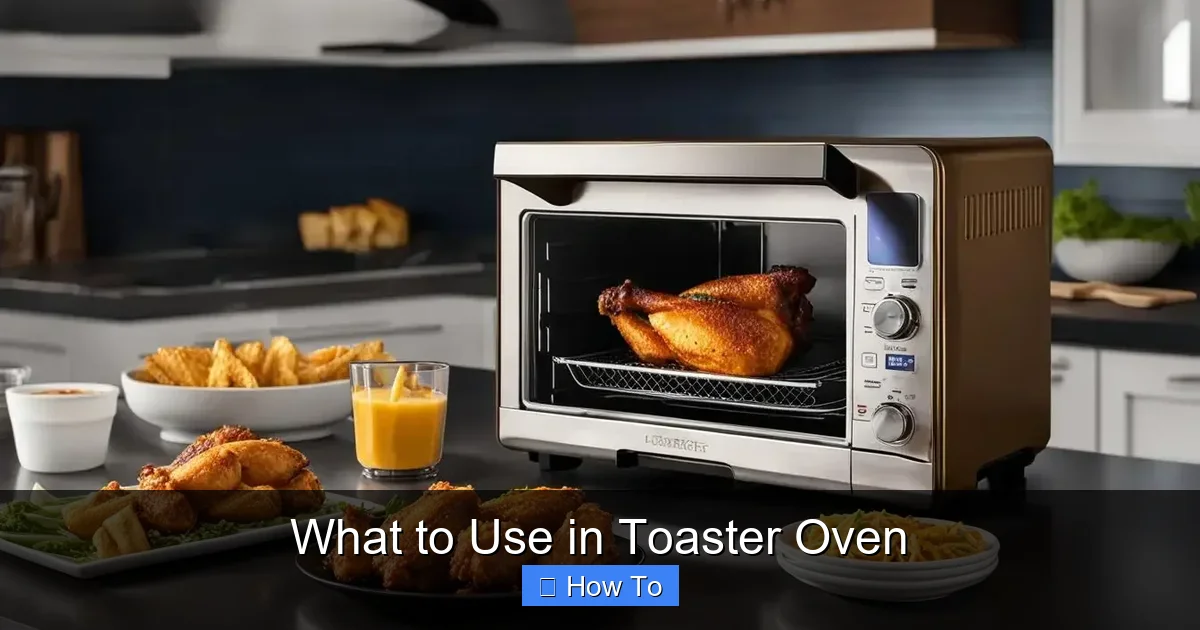
Visual guide about What to Use in Toaster Oven
Image source: airfryeraid.com
Baking sheets and jelly roll pans
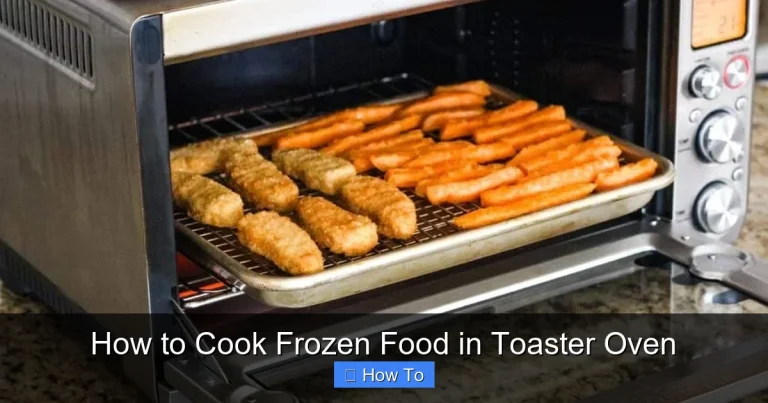
Flat baking sheets work for cookies, toast, and reheating. Jelly roll pans with edges keep juices from dripping. Use light colored sheets for even browning. Dark sheets absorb more heat and may burn edges. Always check the size against your oven interior. A pan that touches the heating element is dangerous. Perforated baking sheets allow air flow for crispy fries. Solid sheets work for pastries and cookies. Choose parchment paper or silicone mats for easy cleanup. For specific tray recommendations check our guide on the right tray for your air fryer oven.
Half sheet pans are standard for toaster ovens. Quarter sheets fit smaller models perfectly. Jelly roll pans with one inch edges work for roasted vegetables. They catch drips and keep the oven clean. Cooling racks fit inside baking sheets for air fried results. Double layer baking with a top and bottom sheet slows cooking. This works for thick cookies that need gentle heat. Always grease or line sheets before adding dough.
Broiler pans and roasters
Broiler pans have a slotted top and drip tray below. Fat drains away from meat for healthier cooking. These work great for chicken and steaks. Roasters with handles make lifting hot food easy. Choose metal versions that fit your oven size. Glass roasters work too if they are oven safe. The slotted design lets fat drip down during broiling. This reduces smoke and grease buildup. Rotate meat halfway through for even browning. Use oven mitts when handling hot metal pans.
Roasting pans with racks elevate meat above drippings. This creates crispy skin on chicken and pork. Small roasters fit toaster ovens for family meals. Cast iron roasters hold heat for perfect searing. Enamel coated pans are easy to clean but check temp limits. Dark enamel can overheat and crack. Always verify the temperature rating before use. Broiler pans work best when placed in the lower third.
Pizza stones and baking stones
Pizza stones create crispy crusts in toaster ovens. They absorb moisture and distribute heat evenly. Place the stone inside while preheating. It needs time to reach proper temperature. Smaller stones fit better in toaster ovens than large ones. Never cut food directly on the stone. Use a separate cutting board to avoid scratching. Pizza steels conduct heat faster than stone. Both work well for artisan breads and flatbreads. Clean stones with a brush and no soap.
Granite baking stones work for bread and pizza. Cordierite stones resist thermal shock better. Preheat stones for 30 minutes before cooking. This ensures a hot surface for crispy crusts. Stones absorb oils over time and become non-stick. Never use soap on seasoned stones. Wipe with a damp cloth and dry completely. Store stones in a dry place to prevent mold. Replace stones if they crack or chip.
Accessories and Racks
More than just pans goes inside your toaster oven. The right accessories improve cooking and safety.
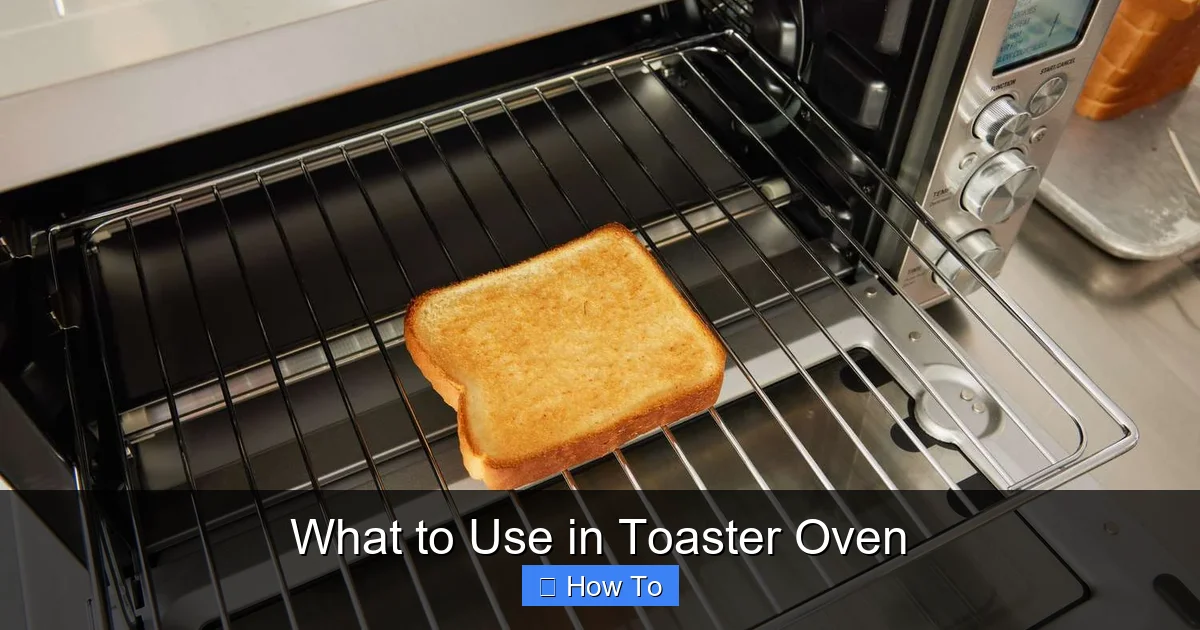
Visual guide about What to Use in Toaster Oven
Image source: storables.com
Wire cooling racks
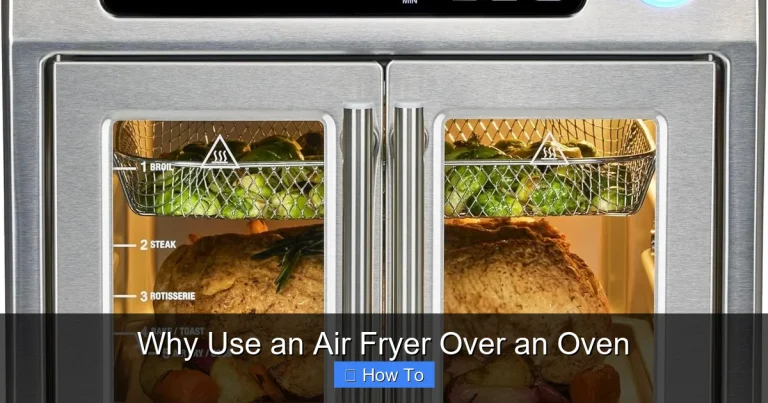
Wire racks elevate food above pans. Hot air flows underneath for crispier results. They work great for bacon, fries, and roasted chicken. Make sure the rack fits inside your oven. It should not touch the heating elements. Chrome coated steel racks are common and durable. Cooling racks double as roasting racks for vegetables. They let fat drip away from meat. Choose racks with sturdy wires that won’t warp. Avoid racks with plastic coatings that melt.
Rack placement affects cooking speed. Higher racks brown tops faster. Lower racks cook bottoms more evenly. Use multiple racks for cooking different foods. But do not stack pans without airflow. Wire cooling racks work for dehydrating herbs too. They hold small items like cherry tomatoes. Choose racks with fine wire for small foods. Wide gaps let small items fall through. Always check rack dimensions before buying.
Oven-safe utensils
Use silicone, wood, or metal tongs inside. Plastic handles melt near heating elements. Long handled tools keep your hands away from heat. Avoid wooden spoons with deep cracks. Bacteria hide in grooves and spread to food. Metal spatulas work for flipping burgers and eggs. Silicone brushes withstand high heat for glazing. Wooden spoons won’t scratch ceramic dishes. Always check utensil handles for heat resistance. Some silicone melts at lower temperatures than others.
Silicone spatulas work for scraping bowls. Look for heat resistant ratings on handles. Wooden tongs are safe but can burn if left too long. Metal whisks work for beating eggs in pans. Avoid wooden tools with glued handles. Glue can melt and release toxins. Stainless steel ladles work for soups and sauces. Keep utensils clean to prevent flavor transfer. Store tools away from the oven when not in use.
When to check what you can use a toaster oven for
If you are unsure about an item, check the manual first. Some makers list approved accessories. You can also search online for your model number. When in doubt, use a different tool. Safety matters more than convenience. Never guess with unknown containers or wraps. Visit our guide on what you can use a toaster oven for for more ideas. Knowing your options helps you cook more meals at home.
What NOT to Use in Toaster Oven
Some items seem handy but pose real dangers. Avoid these common mistakes to keep your kitchen safe.
Plastic and paper
Plastic containers melt at high heat. They release harmful chemicals into food. Paper plates and towels can catch fire. Even parchment paper has limits. Check the temperature rating before using. Brown paper bags are especially dangerous. They can ignite quickly in a hot oven. Wax paper melts and leaves residue. Only use paper products labeled oven safe. Most disposable items belong in regular trash not your toaster oven.
Styrofoam cups and containers are never safe. They melt and release toxic fumes. Plastic wrap touches heating elements and burns. Takeout containers with metal handles spark. Cardboard boxes can ignite from radiant heat. Always transfer food to oven safe dishes. Remove all plastic labels from containers. Check for hidden plastic parts on lids. When in doubt throw it out and use something else.
Non-stick dangers
Non-stick coatings break down at high temperatures. They release toxic fumes above 500 degrees. Most toaster ovens reach these temps easily. Use stainless steel or cast iron instead. If you must use non-stick, keep temps low. Never preheat an empty non-stick pan. Scratched coatings flake into food. Replace damaged pans immediately. Health risks outweigh the convenience of easy cleanup.
Ceramic non-stick coatings also have limits. They degrade faster than traditional teflon. Avoid metal utensils on non-stick surfaces. Use wood or silicone tools instead. Wash by hand to preserve the coating. Dishwashers strip non-stick surfaces over time. Store pans with cloth between them to prevent scratching. When food sticks badly it is time to replace the pan. Old non-stick pans waste energy and cook unevenly.
Items with plastic handles
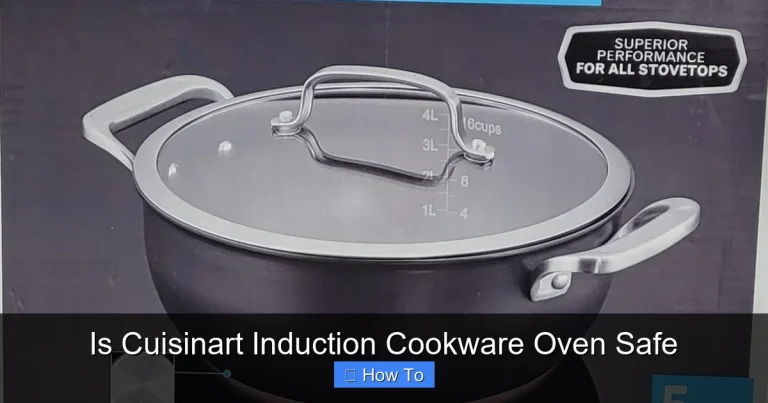
Many cookware sets have plastic or silicone handles. These often cannot handle oven heat. Remove lids with plastic knobs before cooking. Check all parts of a dish for heat resistance. Even oven-safe glass lids have temperature limits. Always verify before placing any item inside. Silicone handles may be oven safe to 400 degrees. Plastic handles melt at much lower temps. When in doubt, use oven mitts or choose different tools.
Glass lids with metal handles work in some ovens. Check the maximum temperature for each component. Wooden handles may char or burn over time. Rivets and screws can heat up and burn hands. Use oven mitts when gripping any hot handle. Never assume a pan is oven safe because it looks sturdy. Always read the manufacturer instructions carefully. Some pans are only safe for oven use up to 350 degrees. Exceeding this limit damages the pan and voids warranties.
Tips for Better Results
Simple habits make toaster oven cooking easier and safer.
Preheating properly
Preheat your oven for 5 to 10 minutes before adding food. This ensures even cooking from the start. Use an oven thermometer to check accuracy. Many toaster ovens run hotter or cooler than settings show. Preheating with a stone takes longer but gives better crusts. Do not skip this step for baked goods. Proper preheat prevents soggy bottoms on pizzas and pastries. Set the timer and wait for the ready signal. Some models preheat in 3 minutes others take 10. Larger ovens need more preheat time. Always verify temperature with a separate thermometer.
Preheating with a baking stone takes 20 to 30 minutes. The stone stores heat for crispy crusts. Place the stone on the middle rack during preheat. Do not put cold food on a hot stone. This causes thermal shock and cracking. Let the oven reach target temp before loading. Use the ready light or thermometer to confirm. Some ovens beep when preheat is complete. Trust the thermometer not just the dial.
Placement and spacing
Center food in the oven for even cooking. Leave space between items for air flow. Do not crowd the rack. Rotate pans halfway through cooking. This prevents hot spots from burning one side. Keep food away from the top heating element. Use the middle rack for most cooking. The top rack browns faster. The bottom rack heats more gently. Adjust positioning based on what you are making.
Cooking multiple items requires strategy. Place pans on different racks for layered cooking. Put fries on top and casserole below. Check both items halfway through cooking. Use the convection setting for even results. Convection fans circulate hot air around food. This reduces hot spots and cooking time. Turn pans 180 degrees if your oven lacks convection. Watch for browning and adjust time as needed.
Cleaning and maintenance
Clean your oven after each use. Grease buildup causes smoke and odors. Use warm soapy water for most pans. Avoid harsh scouring pads on non-stick surfaces. Check the door seal for gaps. A bad seal lets heat escape and wastes energy. Replace worn parts to keep cooking safe. Crumbs collect in the bottom tray. Remove them regularly to prevent fires. Wipe the interior with a damp cloth after cooling.
Deep clean your oven monthly. Remove racks and soak them in warm soapy water. Scrub stubborn stains with baking soda paste. Rinse thoroughly and dry completely before replacing. Check the door glass for grease buildup. Clean both inside and outside surfaces. Lubricate moving parts with food safe oil. Test the door latch for proper closure. A tight door improves energy efficiency. Keep the exterior clean to prevent grease fires. Replace the crumb tray every few months. Clean the heating elements with a soft brush. Never use water on electrical components. Dry everything completely before first use.
Conclusion
Choosing the right tools makes toaster oven cooking fun and safe. Stick with metal, glass, and ceramic that are oven safe. Avoid plastic, paper, and non-stick coatings at high heat. Check sizes before buying new bakeware. With the right pans and racks, you can cook almost anything. Your toaster oven becomes a versatile kitchen helper. If you own an air fryer toaster oven, learn how to use an air fryer toaster oven properly for best results. Start with these basics and experiment with new recipes. Happy cooking!
Frequently Asked Questions
Can I use aluminum foil in a toaster oven?
Yes, but use it carefully. Cover only the food, not the heating elements. Foil can reflect heat and cause hot spots. Never let foil touch the walls or elements. Use small pieces secured properly. Loose foil can fall and start a fire.
What temperature is safe for toaster oven bakeware?
Most toaster ovens reach 450 degrees. Check your bakeware limits before use. Glass and ceramic often handle up to 450 or 500 degrees. Metal usually handles higher temps. Never exceed the manufacturer rating. When in doubt, use lower temperatures.
Can I use a microwave dish in the toaster oven?
Maybe, but check the label first. Some microwave dishes are not oven safe. Look for oven safe symbols on the bottom. Microwave dishes may not handle dry heat well. They can crack under high temperatures. When unsure, choose a different pan.
Is parchment paper safe in toaster ovens?
Yes, if rated for oven use. Regular parchment handles up to 425 degrees. Check the package for temperature limits. Do not let parchment touch heating elements. It can burn if too close to the top element. Use within the recommended temp range.
Can I cook frozen food directly in the toaster oven?
Yes, many frozen meals work well. Adjust cooking time and temperature. Frozen food needs longer to cook through. Use a pan that fits your oven size. Check for doneness before eating. Some frozen items need convection settings.
How do I know if a pan is oven safe?
Look for oven safe symbols on the bottom. Metal pans usually say 450 or 500 degrees. Glass and ceramic show temperature limits. When in doubt, call the manufacturer. Avoid pans with plastic or wood parts. Oven safe means it can handle dry heat.