How to Roast Sliced Almonds in the Oven
Roasting sliced almonds in the oven is quick, easy, and yields a crunchy, aromatic snack perfect for salads, desserts, or snacking. Follow our step‑by‑step guide, discover flavor variations, and avoid common pitfalls for consistently perfect results. All you need is an oven, a baking sheet, and a few pantry staples.
Key Takeaways
- Even coating matters: Lightly toss almonds with oil or butter for uniform browning.
- Watch the clock: Almonds roast in 5‑10 minutes; keep the oven door ajar to prevent burning.
- Flavor flexibility: Sweet, salty, or spicy mixes are easy to create with pantry spices.
- Storage tips: Cool completely before storing in an airtight container to keep them crisp.
- Reusable equipment: A silicone baking mat or parchment paper makes cleanup a breeze.
- Safety first: Use low‑heat settings for delicate nuts to avoid scorching.
- Versatile uses: Roasted sliced almonds enhance salads, baked goods, and breakfast bowls.
📑 Table of Contents
- Introduction: Why Roast Sliced Almonds in the Oven?
- 1. Choosing the Right Almonds and Preparing Your Workspace
- 2. The Basic Roasting Method
- 3. Flavor Variations to Try
- 4. Common Mistakes and How to Avoid Them
- 5. Storing and Using Your Roasted Sliced Almonds
- 6. Oven Alternatives: When You Want a Faster or Different Method
- Conclusion
Introduction: Why Roast Sliced Almonds in the Oven?
There’s something magical about the aroma of nuts toasting in a hot oven. Sliced almonds, with their thin, delicate shape, turn golden and crunchy in just a few minutes. Whether you’re topping a fresh green salad, adding texture to a cake, or looking for a healthy snack, roasted sliced almonds are a kitchen staple that elevates any dish.
Unlike whole almonds, sliced almonds have a larger surface area, which means they toast faster and absorb flavors more readily. The oven provides even, controlled heat that a stovetop can’t match, reducing the risk of uneven spots or burnt edges. In this guide, we’ll walk you through every detail—from selecting the right almonds to storing the finished product—so you can master the art of oven‑roasting sliced almonds with confidence.
1. Choosing the Right Almonds and Preparing Your Workspace
Freshness is key
Start with high‑quality sliced almonds. Look for almonds that are uniform in thickness, free of discoloration, and stored in a cool, dry place. Fresh almonds have a subtle, buttery flavor that intensifies when roasted.

Visual guide about How to Roast Sliced Almonds in the Oven
Image source: culinaryhill.com
Gather your tools
- Baking sheet (rimmed)
- Silicone baking mat or parchment paper
- Small bowl for oil or butter
- Spatula or wooden spoon
- Measuring spoons
Using a silicone mat or parchment paper prevents the thin slices from slipping through the rack and makes cleanup a snap.
Pre‑heat the oven
Set your oven to 300°F (150°C). A lower temperature gives the almonds time to dry out and develop a deep, even toast without scorching the edges. While the oven warms, you can prep your seasoning blend.
2. The Basic Roasting Method
Step‑by‑step instructions
- Measure the almonds: For a single batch, use 1 cup (about 100 g) of sliced almonds.
- Add fat: Toss the almonds with 1‑2 teaspoons of neutral‑flavored oil (vegetable, canola) or melted butter. The fat helps the seasoning stick and promotes even browning.
- Season lightly: Sprinkle a pinch of sea salt or a dash of sugar, depending on whether you want a savory or sweet base.
- Spread evenly: Arrange the almonds in a single layer on the prepared baking sheet. Overcrowding leads to steaming instead of roasting.
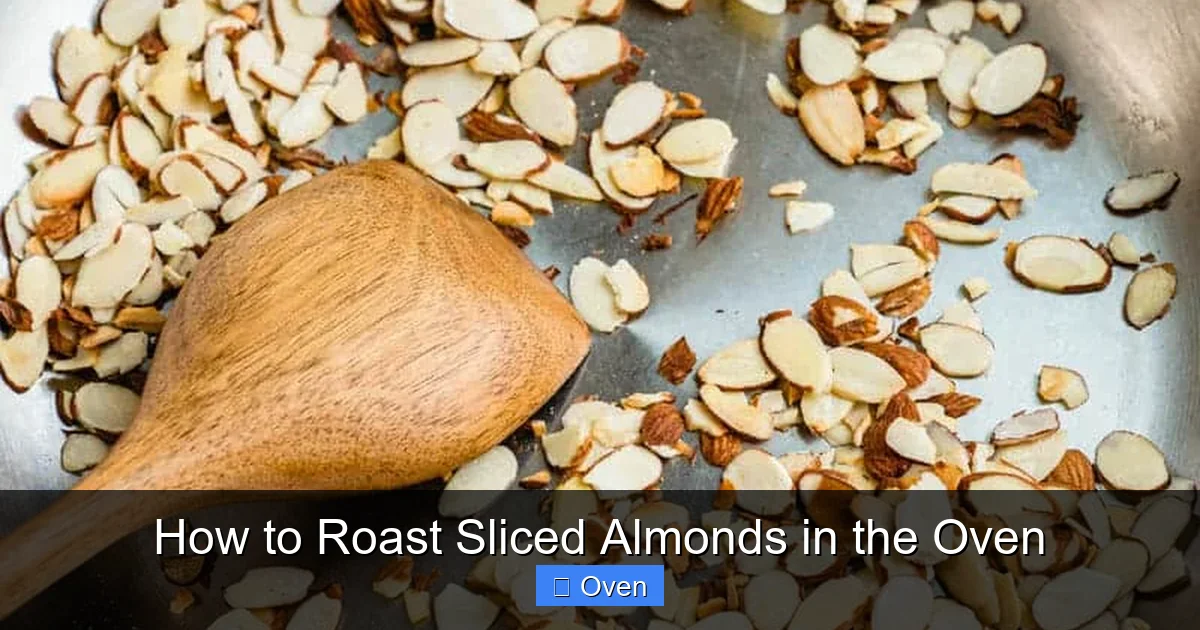
- Roast: Place the sheet in the middle rack and bake for 5‑8 minutes. Stir gently with a spatula halfway through to ensure uniform color.
- Check for doneness: Almonds are ready when they turn a light golden brown and emit a nutty aroma. If they look too dark, remove them immediately—they’ll continue to cook from residual heat.
- Cool: Transfer the hot almonds to a cool plate or a wire rack. Let them sit for at least 5 minutes; they crisp up as they cool.
Why 300°F works best
The moderate heat gently removes moisture while allowing Maillard reactions (the browning chemistry) to develop. Higher temperatures can cause the thin slices to burn at the edges before the centers are fully toasted.
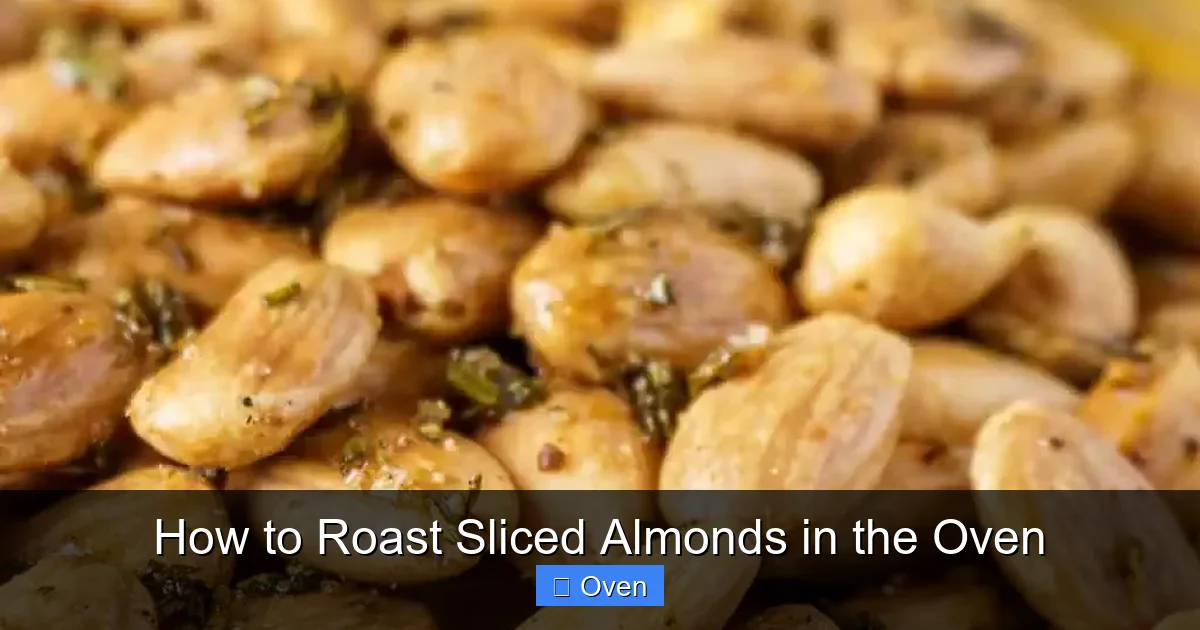
Visual guide about How to Roast Sliced Almonds in the Oven
Image source: idratherbeachef.com
3. Flavor Variations to Try
Once you’ve mastered the basic roast, experiment with different flavor profiles. Below are three crowd‑pleasing ideas that keep the process simple.
Visual guide about How to Roast Sliced Almonds in the Oven
Image source: acouplecooks.com
Sweet Honey‑Cinnamon
- 1 tbsp honey
- ½ tsp ground cinnamon
- Pinch of salt
Warm the honey slightly, toss with the almonds after the initial oil coating, then roast as usual. The honey caramelizes, giving a glossy finish.
Spicy Chili‑Lime
- 1 tsp lime zest
- ½ tsp chili powder
- ¼ tsp smoked paprika
- Pinch of sea salt
Mix the dry spices with the oil before coating the almonds. The citrus brightens the heat, perfect for taco salads.
Savory Herb & Garlic
- 1 tsp dried rosemary, crushed
- ½ tsp garlic powder
- ¼ tsp black pepper
- Pinch of coarse salt
Combine herbs with oil, then roast. This blend pairs beautifully with roasted vegetables or grain bowls.
Quick tip: combine flavors
You can blend a sweet and savory mix—think honey‑cinnamon almonds tossed with a dash of sea salt after roasting. The contrast is addictive.
4. Common Mistakes and How to Avoid Them
Overcrowding the pan
When almonds are packed together, steam builds up and the nuts become soggy instead of crisp. Use a full‑size baking sheet or split the batch onto two sheets.
Skipping the stir
Because sliced almonds are thin, they brown quickly on the edges. A quick stir at the halfway point ensures an even color.
Ignoring residual heat
Almonds continue to cook for a minute or two after removal. If you’re aiming for a light golden hue, pull them out a little early and let the carry‑over heat finish the job.
Using too much oil
A thin coating is enough. Excess oil can cause the almonds to pool and fry rather than roast, leading to uneven texture.
5. Storing and Using Your Roasted Sliced Almonds
Cooling completely
Before sealing, ensure the almonds are completely cool. Trapped steam creates moisture, which softens the nuts.
Airtight containers
Store in a glass jar with a tight‑fitting lid or a zip‑top bag. Kept in a cool, dark pantry, they stay crisp for up to 2 weeks.
Freezing for longer life
If you’ve roasted a large batch, freeze the almonds in a freezer‑safe bag for up to 3 months. Thaw at room temperature before using.
Ideas for use
- Sprinkle over salads for crunch.
- Fold into pancake or muffin batter.
- Top a bowl of oatmeal or yogurt.
- Mix into homemade granola.
- Garnish desserts like cheesecake or chocolate mousse.
6. Oven Alternatives: When You Want a Faster or Different Method
If you don’t have an oven or need a quicker result, you can adapt the technique to an air fryer. The process is similar—just spread the almonds in the basket, set the fryer to 300°F, and shake halfway through. For a step‑by‑step guide, see our article on how to roast in an air fryer. The air fryer’s rapid circulation can give you a crisp finish in half the time, though you’ll need to watch closely to prevent burning.
Conclusion
Roasting sliced almonds in the oven is a simple, versatile skill that adds texture and flavor to countless dishes. By following the low‑heat method, tossing the nuts with a thin layer of fat, and keeping an eye on the clock, you’ll achieve perfectly golden, crunchy almonds every time. Experiment with sweet, spicy, or herbaceous seasonings, store them properly, and enjoy the endless culinary possibilities. So preheat that oven, gather your almonds, and start toasting—your taste buds will thank you!
Frequently Asked Questions
How long does it take to roast sliced almonds in the oven?
At 300°F (150°C), sliced almonds usually roast in 5‑8 minutes. Stir them halfway through and remove them when they turn light golden.
Can I use butter instead of oil?
Yes, melted butter works well and adds a richer flavor. Use the same amount (1‑2 teaspoons per cup of almonds) and coat evenly.
Do I need to pre‑heat the oven?
Pre‑heating to the target temperature ensures even roasting from the start. Skipping this step may lead to uneven browning.
How should I store roasted sliced almonds?
Let them cool completely, then place them in an airtight container in a cool, dark pantry. They stay crisp for about two weeks, or you can freeze them for up to three months.
Can I roast sliced almonds on a stovetop?
You can, but it’s harder to achieve even heat. Use a dry skillet over low‑medium heat, stirring constantly, and watch closely to avoid burning.
What’s the best way to add flavor without extra sugar?
Try savory blends like garlic powder, smoked paprika, and herbs, or use a splash of soy sauce or balsamic glaze for umami depth without added sugar.