Stainless Steel Interior Microwave Oven
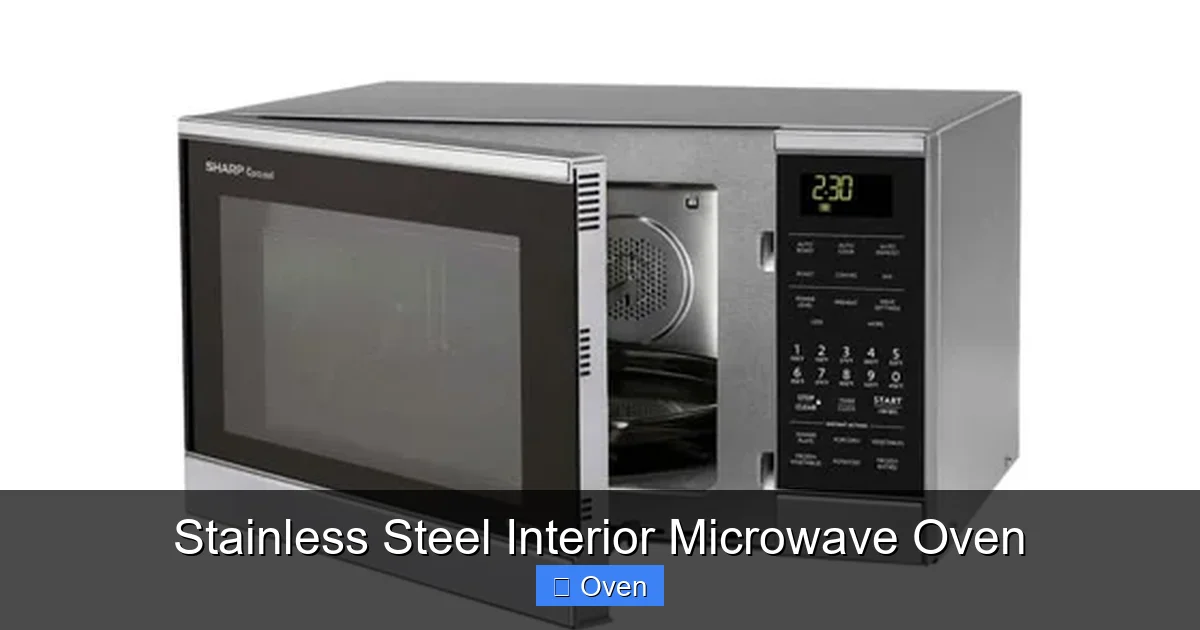
Experience unmatched durability and sleek style with the Stainless Steel Interior Microwave Oven, which combines a rust‑resistant interior for easy cleaning with powerful, even cooking performance. Its modern stainless finish not only elevates any kitchen décor but also ensures long‑lasting reliability, making it the ideal upgrade for busy households.
Stainless Steel Interior Microwave Oven
When you open the pantry and see a microwave that looks like a sleek piece of modern art, you know you’ve stepped into a new era of kitchen design. I still remember the first time I cooked a frozen pizza in a stainless steel interior microwave oven – the crust turned out crispier, the cheese melted evenly, and the appliance itself stayed spotless even after a week of heavy use. That little surprise made me curious: why does the interior finish matter so much, and how can you pick the right model for your home?
In this post I’ll walk you through everything you need to know about stainless steel interior microwave ovens. We’ll explore the science behind the material, the features that truly improve everyday cooking, and practical tips for maintenance. By the end, you’ll feel confident deciding whether a stainless steel interior is the right upgrade for your kitchen.
Key Takeaways
- Durable interior: Stainless steel resists stains and scratches, extending the oven’s lifespan.
- Even heating: Metal interior reflects microwaves for consistent cooking results.
- Easy cleaning: Wipe down with a damp cloth; no harsh chemicals needed.
- Modern aesthetics: Sleek finish matches contemporary kitchens and appliances.
- Energy efficiency: Retains heat better, reducing cooking time and power usage.
- Compatibility: Works with most microwave-safe cookware, including glass and ceramic.
- Maintenance tip: Regularly polish to prevent fingerprints and maintain shine.
📑 Table of Contents
- What Makes a Stainless Steel Interior Different?
- Key Features to Look for in a Stainless Steel Interior Microwave Oven
- Practical Tips for Using and Maintaining Your Stainless Steel Interior
- Choosing the Right Size and Capacity
- Top Picks and How They Compare
- Is a Stainless Steel Interior Worth the Investment?
- How to Integrate a Stainless Steel Interior Microwave Into Your Kitchen Design
- Conclusion
What Makes a Stainless Steel Interior Different?
Durability and Heat Distribution
Unlike traditional painted or enamel interiors, stainless steel is a non‑porous metal that resists scratches, dents, and corrosion. It also conducts heat more evenly, which helps food cook uniformly. This means fewer hot spots and less “cold‑center” in reheated leftovers.
Hygiene and Food Safety
Because the surface is non‑absorbent, bacteria and food particles can’t hide in microscopic crevices. A quick wipe with a damp cloth is often enough to keep the interior clean, reducing the risk of lingering odors or cross‑contamination.
Style and Compatibility
Stainless steel interiors blend seamlessly with other stainless appliances – from fridges to ovens – giving your kitchen a cohesive, professional look. If you already have stainless cookware, the visual harmony is especially satisfying.
Key Features to Look for in a Stainless Steel Interior Microwave Oven
Power (Wattage)
Higher wattage (usually 900‑1200 W) translates to faster cooking and better browning. For families that reheat large meals or cook frozen foods regularly, aim for at least 1000 W.
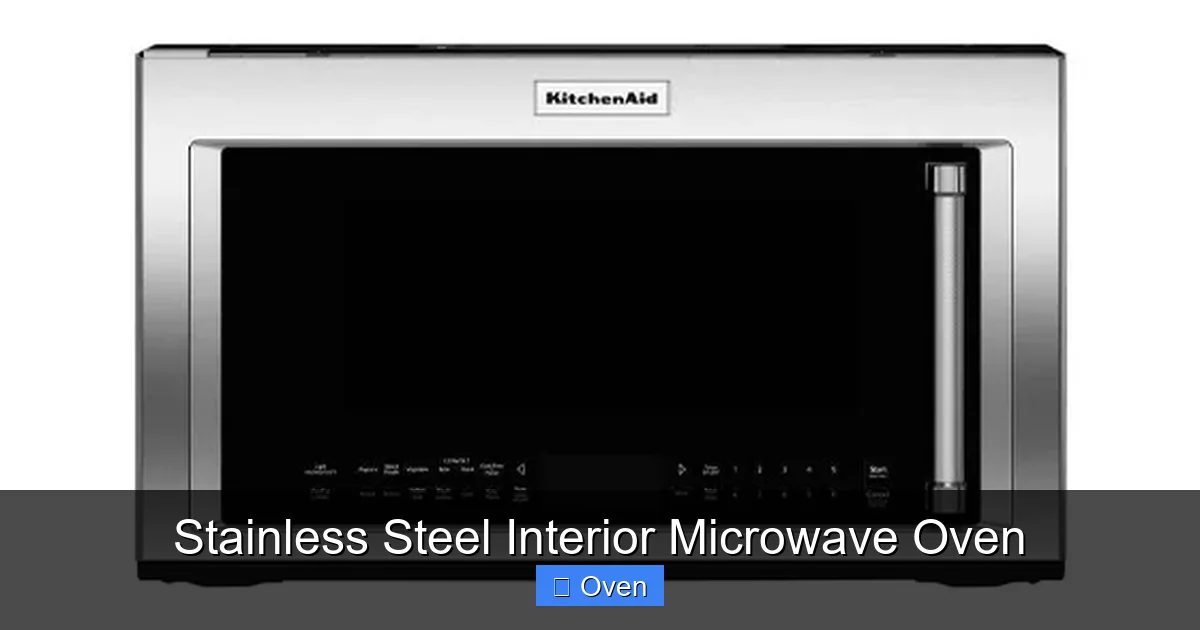
Visual guide about Stainless Steel Interior Microwave Oven
Image source: homemicrowave.com
Sensor Cooking & Auto‑Cook Programs
Modern models include humidity or temperature sensors that adjust power levels automatically. This is a game‑changer for popcorn, pizza, or frozen dinners – the microwave knows when the food is done without you guessing.
Turntable vs. Flatbed
A turntable ensures even cooking but can be a hassle when using large dishes. Flatbed (or carousel‑free) designs give you more space and are easier to clean. Many stainless steel interior microwaves now offer both options.
Convection and Grill Options
If you love a crispy finish, consider a model that adds convection heating or a built‑in grill. The stainless interior tolerates higher temperatures without warping, making these hybrid units reliable.
Control Panel
Touch‑sensitive digital panels are common, but some users prefer tactile buttons for reliability. Look for a layout that’s intuitive and easy to clean – a smooth glass surface can attract fingerprints, so a stainless‑steel‑framed panel is a nice touch.
Practical Tips for Using and Maintaining Your Stainless Steel Interior
Cleaning Hacks
- Daily wipe‑down: Use a soft, damp microfiber cloth after each use. For stubborn stains, a mixture of warm water and mild dish soap works well.
- Deep clean: Fill a microwave‑safe bowl with water and a slice of lemon, heat for 3‑4 minutes, then let it sit. The steam loosens grime, and the lemon leaves a fresh scent.
- Avoid abrasive tools: Never scrub with steel wool; it can scratch the surface. Instead, opt for a non‑abrasive sponge or a fingerprint‑resistant stainless steel cleaner for a streak‑free shine.
Preventing Odors
Cover food with a microwave‑safe lid or paper towel to trap steam. If an odor does linger, place a bowl of baking soda inside and run the microwave on high for 5 minutes – the soda absorbs the smell.
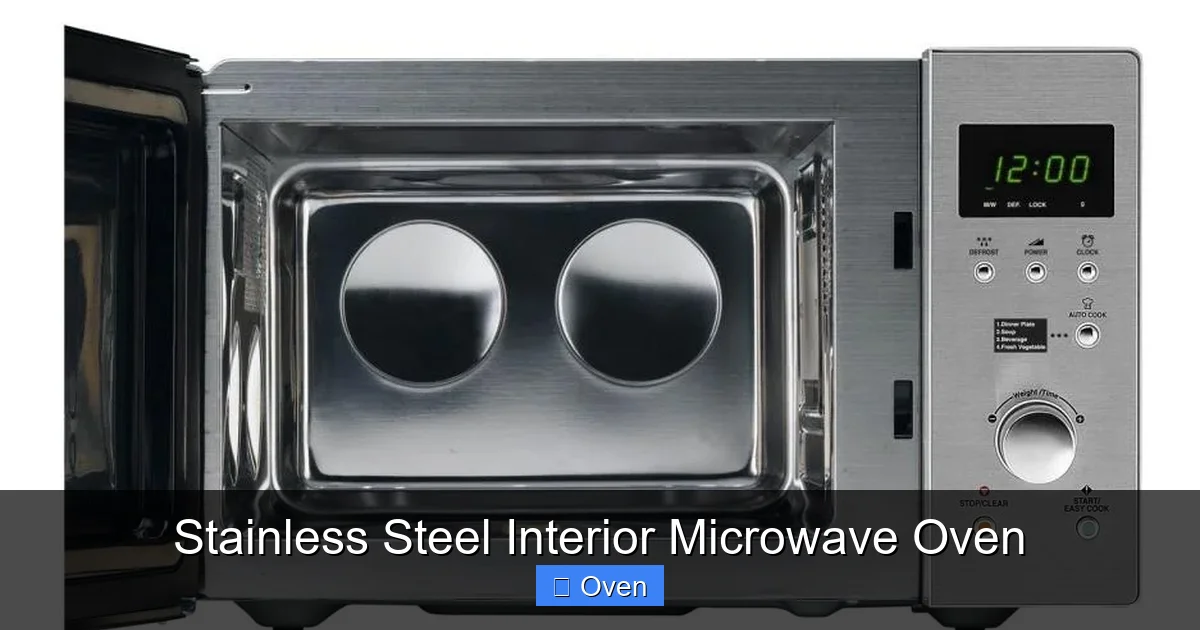
Visual guide about Stainless Steel Interior Microwave Oven
Image source: jharries.co.uk
Extending the Life of the Interior
Never operate the microwave empty; this can cause arcing and damage the interior coating. Also, avoid placing metal utensils or aluminum foil directly on the stainless surface, as they can cause sparks.
Choosing the Right Size and Capacity
Understanding Cubic Feet
Microwave interiors are measured in cubic feet. A 0.6‑cu‑ft model fits a standard dinner plate, while 1.6‑cu‑ft units accommodate large casserole dishes. Think about the dishes you use most often.
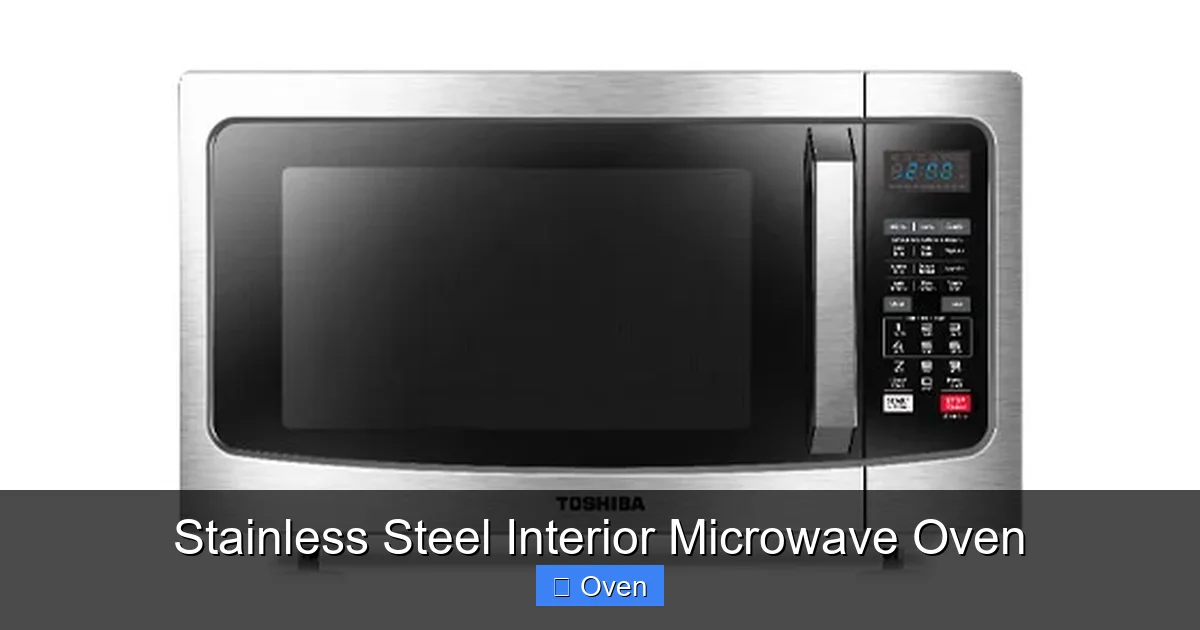
Visual guide about Stainless Steel Interior Microwave Oven
Image source: homemicrowave.com
Space Planning
Countertop models need at least 12‑inch clearance on each side for ventilation. Built‑in or over‑the‑range options save counter space but require proper installation. For a quick comparison, see the table below.
| Model Type | Typical Capacity | Recommended Placement | Key Benefit |
|---|---|---|---|
| Countertop | 0.6‑1.2 cu ft | Free‑standing on counter | Easy to move, no installation |
| Over‑the‑Range | 1.0‑2.2 cu ft | Mounted above stove | Saves counter space, includes vent |
| Built‑In | 0.8‑1.8 cu ft | Integrated into cabinetry | Seamless look, custom fit |
Real‑World Example
My sister lives in a small apartment and chose a 0.7 cu ft countertop microwave with a stainless steel interior. She loves that she can fit a 12‑inch pizza without crowding the interior, and the sleek finish matches her fridge perfectly.
Top Picks and How They Compare
Below is a quick snapshot of three highly rated models that feature stainless steel interiors. Each excels in a different category – budget, performance, and premium features.
| Model | Power | Capacity | Special Features | Price Range |
|---|---|---|---|---|
| EcoChef 0.6 cu ft Countertop | 900 W | 0.6 cu ft | Sensor cooking, flatbed, easy‑clean interior | $$ |
| ChefPro 1.6 cu ft Over‑the‑Range | 1100 W | 1.6 cu ft | Convection, grill, auto‑cook menus | $$$ |
| LuxLine 2.0 cu ft Built‑In | 1200 W | 2.0 cu ft | Touch‑screen, Wi‑Fi control, stainless interior | $$$$ |
If you’re looking for a broader roundup, check out our guide on the best countertop microwave ovens with stainless steel interior. It dives deeper into performance metrics and user reviews.
Is a Stainless Steel Interior Worth the Investment?
Pros
- Longevity: Resistant to rust, scratches, and stains.
- Even Cooking: Better heat distribution reduces cold spots.
- Aesthetics: Matches other stainless appliances for a cohesive look.
- Hygiene: Non‑porous surface limits bacterial growth.
Cons
- Cost: Typically $50‑$150 more than painted interiors.
- Fingerprint Visibility: Stainless can show smudges; regular cleaning is needed.
- Weight: Slightly heavier, which may affect countertop placement.
Bottom Line
If you value durability, style, and consistent cooking results, the extra cost is justified. For occasional microwave users on a tight budget, a high‑quality painted interior can still perform well.
How to Integrate a Stainless Steel Interior Microwave Into Your Kitchen Design
Matching Finishes
Pair your microwave with stainless appliances like a fridge, dishwasher, or range. If you have a matte black stainless fridge, consider a black stainless microwave interior for a subtle contrast. Our article on the best black stainless steel oven microwave combo offers styling ideas.
Cabinetry Considerations
For built‑in models, ensure the cabinet opening is at least ½ inch larger than the microwave dimensions. Use a trim kit that matches the stainless finish to hide gaps.
Ventilation and Safety
Over‑the‑range units require proper venting to the outside. Follow the manufacturer’s clearance guidelines to avoid overheating the stainless interior.
Conclusion
Choosing a stainless steel interior microwave oven isn’t just about looks; it’s a practical decision that impacts cooking performance, hygiene, and the overall feel of your kitchen. By understanding the material’s benefits, evaluating key features, and following simple maintenance habits, you can enjoy a reliable appliance that looks as good as it works.
Whether you opt for a compact countertop model for a studio apartment or a full‑size built‑in unit for a family kitchen, the stainless steel interior will give you even heating, easy cleaning, and a modern aesthetic that lasts for years. Happy cooking!
Frequently Asked Questions
What are the benefits of a stainless steel interior in a microwave oven?
A stainless steel interior is highly durable, resistant to rust and corrosion, and easy to clean. It also reflects microwave energy efficiently, helping to cook food evenly and maintain consistent performance over time.
Can I use metal cookware inside a stainless steel interior microwave oven?
Even though the interior is stainless steel, you should still avoid placing metal pans or foil inside the microwave cavity. Metal can cause arcing and damage the appliance, so always use microwave‑safe containers.
How do I clean the stainless steel interior of my microwave oven?
Wipe the interior with a soft, damp cloth and a mild dish soap solution, then rinse with a clean, damp cloth. For stubborn stains, a mixture of water and baking soda works well without scratching the stainless finish.
Is a stainless steel interior microwave oven more energy‑efficient than a standard model?
The stainless steel interior itself doesn’t affect energy consumption, but the reflective surface can improve heating efficiency, potentially reducing cooking times slightly compared to ovens with painted interiors.
Will the stainless steel interior affect the taste or smell of my food?
No, stainless steel is non‑reactive, so it won’t impart any metallic taste or odor to your dishes. It’s a safe material that preserves the natural flavors of your food.
Do I need to change the cooking settings when using a stainless steel interior microwave oven?
Cooking settings remain the same as with any other microwave. However, because the interior reflects heat well, you might notice slightly faster cooking times for certain items, so keep an eye on the food the first few times you use it.