Nonstick Skillet for Induction Cooktop
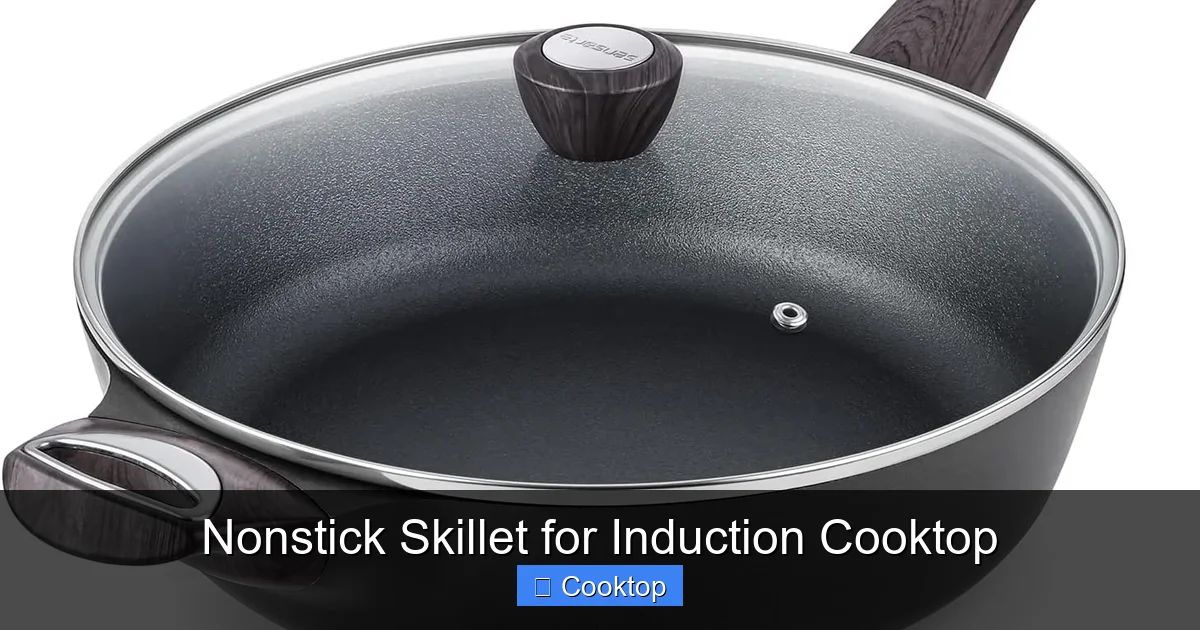
Looking for the ultimate cooking experience on your induction stove? A Nonstick Skillet For Induction Cooktop offers quick heat transfer, minimal sticking, and effortless cleanup. Read on to learn why this skillet is a must-have, how to choose the right one, and top maintenance tricks for lasting performance.
Key Takeaways
- Heat Efficiency: Nonstick Skillet For Induction Cooktop heats uniformly, saving time and energy.
- Durable Coating: Look for PFOA‑free, ceramic or titanium layers that resist scratches.
- Compatibility: All Nonstick Skillet For Induction Cooktop models feature magnetic bases for optimal induction use.
- Easy Cleanup: One wash or a quick wipe removes stubborn food, keeping your kitchen spotless.
- Versatile Cooking: Great for eggs, pancakes, stir‑fries, and searing without added oil.
📑 Table of Contents
- Why a Nonstick Skillet For Induction Cooktop Is a Game Changer
- How to Choose the Right Nonstick Skillet For Induction Cooktop
- Top Features to Look For
- How to Care for Your Nonstick Skillet For Induction Cooktop
- Common Myths About Nonstick Skillets Explained
- Top Picks for the Best Nonstick Skillet For Induction Cooktop
- Putting Your Skillet to the Test: Everyday Scenarios
- Final Thoughts: Is a Nonstick Skillet For Induction Cooktop Worth It?
- Further Reading: Expand Your Induction Kitchen
Why a Nonstick Skillet For Induction Cooktop Is a Game Changer
Induction cooktops rely on magnetic heat. They’re fast, precise, and safe. But without the right cookware, you can lose that advantage. A Nonstick Skillet For Induction Cooktop bridges the gap: it uses a magnetic base for induction, while a slick surface keeps food from clinging. The result? Meals that cook evenly, clean up in seconds, and taste great.
Speed and Precision
Induction heats almost instantly. A Nonstick Skillet For Induction Cooktop takes advantage of that heat, distributing it evenly across the pan. Eggs bake at the right temperature, pancakes flip without tear, and sauces reduce without sticking.
Healthier Cooking
Because the surface is slick, you need little or no oil. That means fewer calories and a lower risk of flare‑ups. A Nonstick Skillet For Induction Cooktop lets you enjoy your favorite dishes with less fat.
How to Choose the Right Nonstick Skillet For Induction Cooktop
Check the Base Material
Induction needs a ferrous (magnetic) base. Look for stainless steel or cast‑iron cores. The base should be thick enough to absorb heat and distribute it evenly. Many modern Nonstick Skillet For Induction Cooktop models use aluminum cores sandwiched between stainless steel layers, giving you the best of both worlds.
Look at the Coating
There are two main types of nonstick coatings:
- Ceramic: Free of PFOA and PTFE, it offers a high‑temperature rating and a natural feel.
- Titanium‑reinforced: Extra durability against scratches and heat.
For a Nonstick Skillet For Induction Cooktop that lasts, choose a titanium‑reinforced ceramic layer. It keeps the surface smooth for years.
Size Matters
Most induction burners are 4–6 inches wide. A 10–12 inch skillet is a sweet spot: it fits most burners and gives you enough surface for sautéing, searing, or making omelets.
Weight and Balance
A heavier skillet feels stable on the stove. If you’re using a 12‑inch Nonstick Skillet For Induction Cooktop, look for a weight of 2–3 pounds. It’s easy to lift but still steady enough to handle hot pans.
Warranty and Brand Reputation
Good brands offer a 5‑year warranty on the nonstick coating and a lifetime warranty on the base. Check product reviews and consider buying from a brand that specializes in induction cookware. A Nonstick Skillet For Induction Cooktop from a reputable maker will give you peace of mind.
Internal Link Example
If you’re curious about the best overall set for induction, check out the Best Non Stick Pans For Induction Cooktop 4. It’s a great comparison for those who want a full pan lineup.
Top Features to Look For
Heat‑Transfer Technology
Nonstick Skillet For Induction Cooktop models with a multi‑layer base transfer heat quickly from the induction element to the cooking surface. This reduces hot spots and improves cooking consistency.
Easy‑Release Handles
Handles should be heat‑resistant and comfortable. Stainless steel or silicone grips keep you safe when lifting a hot skillet. Look for a handle that stays cool on the counter.
Dishwasher Safe?
Many Nonstick Skillet For Induction Cooktop pans are dishwasher safe, but the coating may wear faster. Hand washing with a soft sponge preserves the surface and extends the life of your skillet.
Compatibility With Other Cooktops
Even if you plan to use the skillet mainly on induction, some models are versatile enough for gas, electric, or glass stovetops. A well‑designed Nonstick Skillet For Induction Cooktop will work across all surfaces.
How to Care for Your Nonstick Skillet For Induction Cooktop
Preheat Gently
Heat the skillet on low to medium for a minute before adding oil or food. This warms the surface and reduces the chance of sticking.
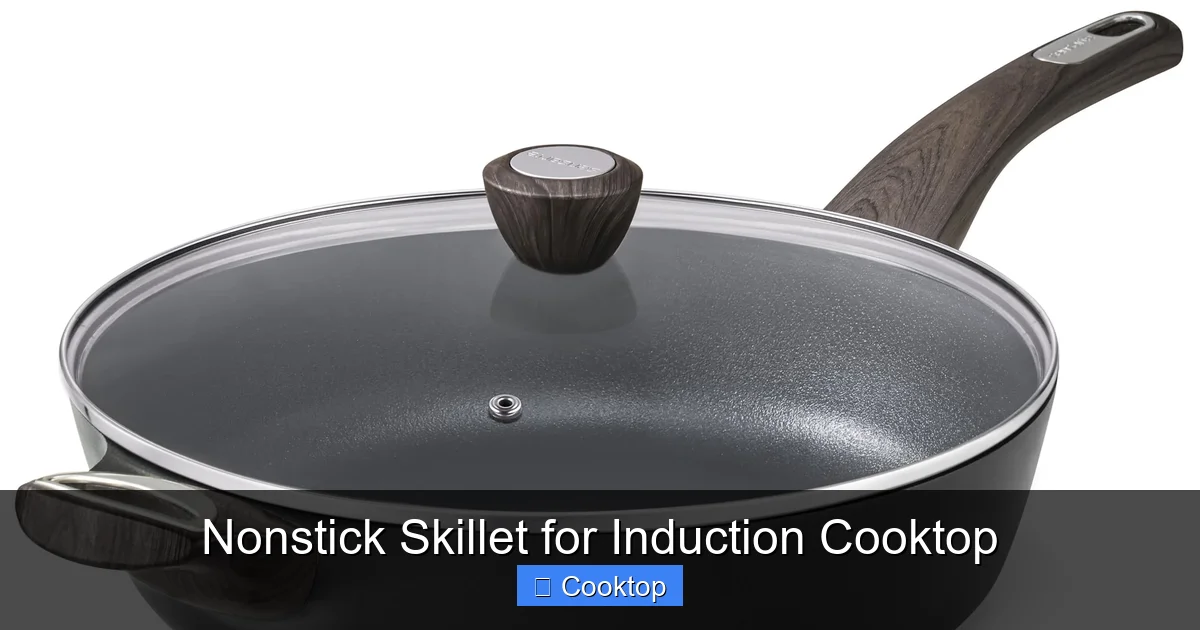
Visual guide about Nonstick Skillet for Induction Cooktop
Image source: images-na.ssl-images-amazon.com
Use the Right Utensils
Silicone, wood, or nylon spatulas are ideal. Metal utensils can scratch the nonstick layer.
Avoid Sudden Temperature Changes
Never pour cold liquid into a hot skillet. Allow the pan to cool before rinsing. Thermal shock can warp the base and damage the coating.
Cleaning Routine
After cooking, let the skillet cool to room temperature. Wash with warm, soapy water and a non‑abrasive sponge. Rinse and dry immediately. For tougher stains, soak briefly in warm water with a drop of dish soap.
Re‑Seasoning (If Needed)
Some ceramic‑coated Nonstick Skillet For Induction Cooktop models benefit from a light oil coat after a few uses. Apply a thin layer of vegetable oil and heat on low for 5 minutes. Wipe off excess. This keeps the surface slick.
Common Myths About Nonstick Skillets Explained
Myth 1: All Nonstick Pans Are the Same
False. Coating quality, base material, and heat distribution vary. A high‑grade Nonstick Skillet For Induction Cooktop offers better durability and performance.
Myth 2: You Must Use Oil With Nonstick
While a little oil can help, many Nonstick Skillet For Induction Cooktop pans work beautifully without. Just preheat, and you’ll see no sticking.
Myth 3: Nonstick Is Unsafe
Modern nonstick coatings are PFOA‑free and safe at normal cooking temperatures. Just avoid overheating above 400°F (200°C).
Top Picks for the Best Nonstick Skillet For Induction Cooktop
1. Ceramic‑Titanium Re‑Coated Skillet
This 12‑inch skillet has a titanium‑reinforced ceramic layer, a thick stainless steel base, and a heat‑resistant silicone handle. It heats evenly and is dishwasher safe. Great for families who cook a lot.
2. Premium Aluminum Core Skillet
With an aluminum core for lightning‑fast heating and a stainless steel rim for durability, this skillet is a favorite for chefs who need precision.
3. Budget‑Friendly 10‑inch Skillet
For those who want induction compatibility without breaking the bank, this skillet offers a good balance of price, performance, and easy cleaning.
Internal Link Example
Looking for the best overall cookware set? The Best Non Stick Cookware For Induction Cooktop review covers a full line of pans, including a top‑rated skillet.
Putting Your Skillet to the Test: Everyday Scenarios
Breakfast Omelet
Heat the skillet on medium, add a pat of butter, and whisk eggs. The Nonstick Skillet For Induction Cooktop keeps the omelet from sticking, so flipping is a breeze.
Stir‑Fry Night
Use high heat and a splash of oil. The skillet’s smooth surface lets veggies slide and prevents burning. You’ll finish in minutes.
Pan‑Fried Salmon
Lay the fish skin‑side down. The skillet’s nonstick coating ensures a crisp skin and a clean release. No tedious scraping required.
Quick Sauce Reduction
Simmer a tomato sauce in a small pan. The skillet’s even heat prevents scorching, and the nonstick surface keeps the sauce from sticking.
Final Thoughts: Is a Nonstick Skillet For Induction Cooktop Worth It?
If you own an induction stove, a high‑quality Nonstick Skillet For Induction Cooktop is essential. It delivers fast, even heating, reduces oil usage, and saves you hours of cleanup. Invest in a reputable brand, follow the care tips, and you’ll enjoy flawless cooking for years.
Further Reading: Expand Your Induction Kitchen
Once you have your skillet, you might want a grill pan or a double burner griddle. The Best Grill Pan For Induction Cooktop 2 and Best Double Burner Griddle For Induction Cooktop 2 are top choices that pair well with your new skillet.
Frequently Asked Questions
What makes a skillet compatible with induction cooktops?
A skillet must have a magnetic base, like stainless steel or cast iron, so the induction element can create a magnetic field that heats the pan.
Can I use a regular skillet on an induction cooktop?
Only if it has a magnetic base. Non‑magnetic pans, such as glass or aluminum without a steel core, won’t heat on induction.
Is the nonstick coating safe for high‑heat cooking?
Modern ceramic and titanium coatings can handle temperatures up to 400°F (200°C). Avoid overheating to keep the surface intact.
How do I clean a nonstick skillet without damaging the coating?
Use warm, soapy water and a soft sponge. Avoid metal utensils and abrasive cleaners; hand wash is best for longevity.
How long does a good nonstick skillet last?
With proper care, a high‑quality skillet can last 5–10 years. Signs of wear include scratches or loss of slickness; at that point, it may be time to replace it.
Can I use a nonstick skillet on a gas stove?
Yes, most induction‑compatible nonstick skillets work on gas, electric, or glass stovetops, giving you flexibility across appliances.