Induction Cooktop Europe
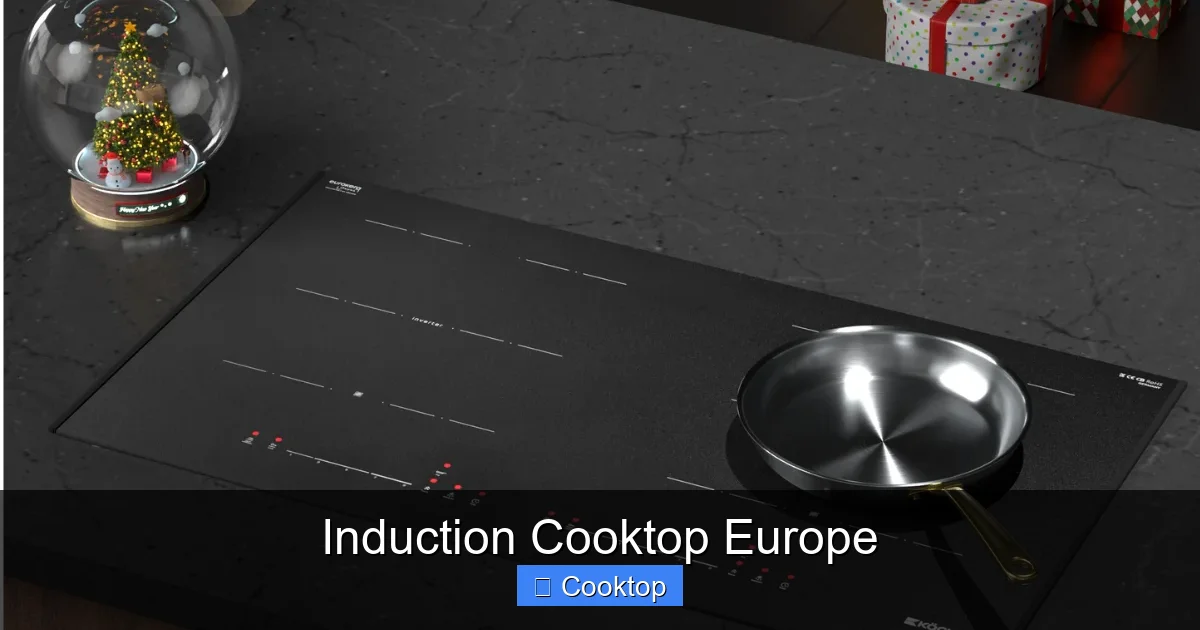
Induction cooktop Europe models lead the market with advanced technology, strict energy standards, and sleek designs. This guide covers top brands, key features, installation rules, and cookware tips to help you choose the perfect unit for your European kitchen.
If you are shopping for a new cooking surface, you have probably heard about the induction cooktop Europe trend. These appliances have taken the continent by storm. They offer speed, precision, and a sleek look that fits modern kitchens perfectly. But with so many brands and features, picking the right one can feel overwhelming. This guide breaks down everything you need to know. We will explore why they are so popular, what features matter most, and how to install and maintain them.
Europe has been at the forefront of induction technology for decades. Strict energy regulations and a culture of high-quality engineering drive innovation. Whether you live in a compact city apartment or a spacious country home, there is a model designed for your space. Let’s dive into the details so you can make a confident choice.
Key Takeaways
- Energy efficiency: European induction cooktops meet strict EU regulations for low power consumption and eco-design.
- Top brands: Bosch, Siemens, Miele, and Neff dominate the market with innovative features like integrated ventilation.
- Cookware compatibility: You need magnetic-based pots and pans; look for the induction symbol on the base.
- Installation standards: Units must comply with CE marking and local electrical codes (often 230V/400V three-phase).
- Smart features: Many models offer Wi-Fi connectivity, automatic pan detection, and precise temperature control.
- Ventilation integration: Downdraft and built-in extractor options save space in compact European kitchens.
- Long-term value: Higher upfront cost pays off through faster cooking, lower energy bills, and easier cleaning.
📑 Table of Contents
- Why Induction Cooktops Are Popular in Europe
- Key Features of European Induction Cooktops
- Top Brands in the European Market
- Installation and Safety Standards in Europe
- Choosing the Right Cookware for European Induction Cooktops
- Energy Efficiency and Environmental Impact
- Maintenance and Troubleshooting Common Issues
- Conclusion
Why Induction Cooktops Are Popular in Europe
The rise of the induction cooktop Europe market is no accident. It comes from a mix of regulation, lifestyle, and technology. The European Union sets some of the world’s toughest energy efficiency standards. Induction cooking uses electromagnetic energy to heat the pan directly. This wastes very little heat compared to gas or traditional electric radiant cooktops. For homeowners, this means lower electricity bills and a smaller carbon footprint.
Energy Regulations Drive Adoption
The EU Ecodesign Directive and Energy Labelling Regulation push manufacturers to build highly efficient appliances. Induction technology is the clear winner here. It transfers about 85-90% of energy to the food. Gas only manages about 40-50%. Because of these rules, you will struggle to find inefficient models on the shelf. This regulatory environment makes induction the default choice for new builds and renovations.
Urban Living and Compact Kitchens
Many Europeans live in apartments where kitchen space is tight. Induction units are flat and sit flush with the countertop. When not in use, the surface becomes extra prep space. This dual functionality is huge in small kitchens. Also, because the surface doesn’t get hot (only the pan does), it is safer for families with children. Spills don’t burn onto the glass, making cleanup a simple wipe-down.
Precision Cooking Culture
European cuisine often demands precise temperature control. Think of melting chocolate, simmering delicate sauces, or searing meat perfectly. Induction responds instantly to setting changes. It holds a low simmer without scorching. This level of control appeals to home cooks who take their food seriously. It brings professional results into the home kitchen.
Key Features of European Induction Cooktops
When you compare models, you will see a list of features. Some are marketing fluff, but others genuinely improve daily cooking. Understanding these helps you filter the noise.
Visual guide about Induction Cooktop Europe
Image source: foodandwine.com
Power Management and Flex Zones
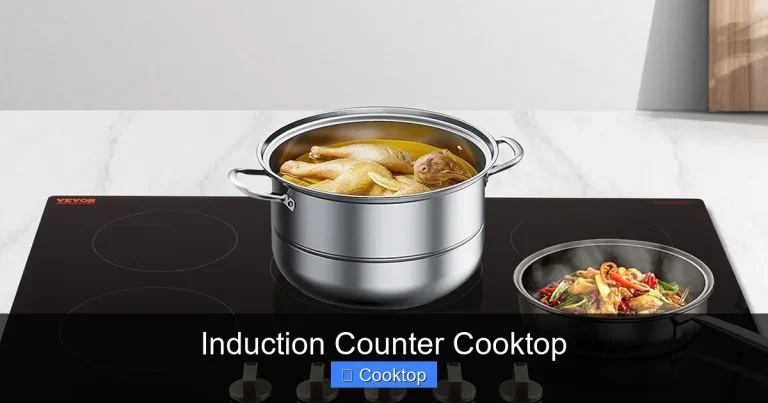
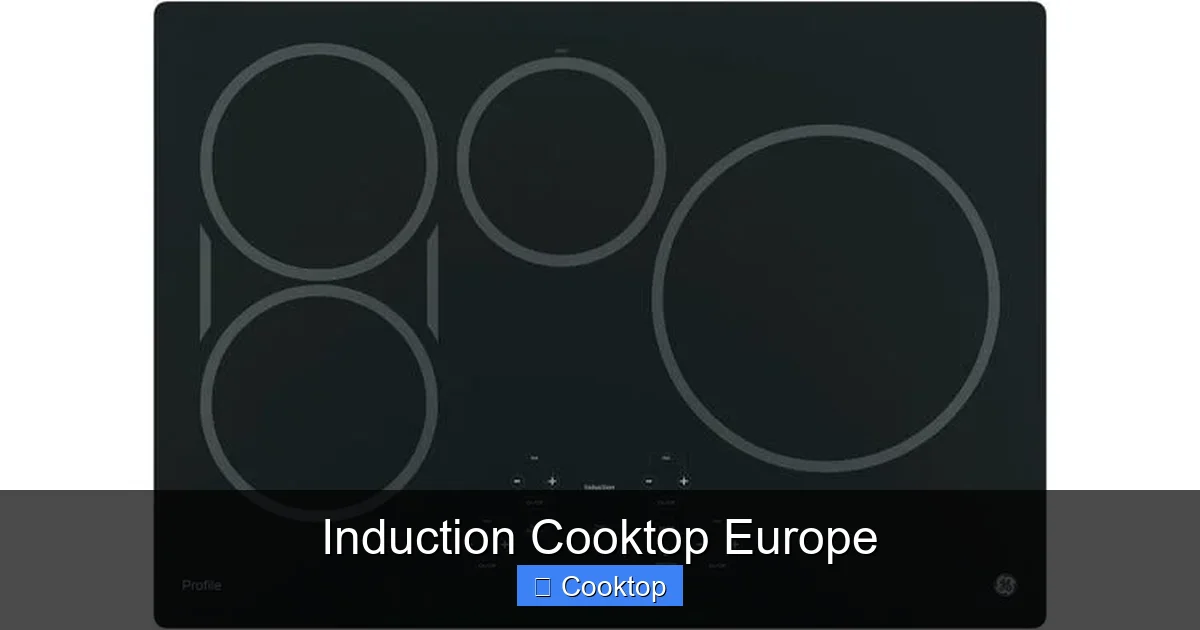
European homes often have limited electrical capacity. Older apartments may only have a 16-amp or 25-amp circuit for the kitchen. Modern induction cooktop Europe units include power management systems. They limit total draw to prevent tripping breakers. Flex zones (or flex induction) let you combine two zones into one large area. This fits roasting pans, griddles, or oval pots. It is great for Sunday roasts or big batch cooking.
Integrated Ventilation Systems
Range hoods can be bulky and noisy. A popular solution in Europe is the induction cooktop with integrated extractor. The ventilation pulls steam and odors down from the cooking surface. This saves headroom and keeps sightlines open. It is ideal for kitchen islands. If you want a clean, minimalist look, this feature is a game-changer. You can learn more about these systems in our guide on induction cooktop with integrated extractor options.
Touch Controls vs. Knobs
Most European models use touch sliders or touch buttons. They look sleek and are easy to clean. However, some cooks prefer physical knobs for tactile feedback. Brands like Bosch and Siemens offer models with removable magnetic knobs. These give you the best of both worlds: a flat surface for cleaning and precise control while cooking. Check out our review of induction cooktop with knobs for specific models.
Smart Connectivity
Wi-Fi and Bluetooth connectivity are becoming standard on mid-to-high-end models. Apps let you monitor cooking, set timers, and download recipes. Some brands partner with recipe apps to automatically set temperatures and times. Firmware updates can add new features over time. While not essential, it adds convenience for tech-savvy users.
Low Power Consumption Modes
Energy costs are high across Europe. Manufacturers compete on efficiency. Many units have Eco modes that optimize power usage for specific tasks. Some even display real-time energy consumption. This helps you cook smarter and save money. For a deep dive into efficient models, see our article on induction cooktop with low power consumption.
Top Brands in the European Market
The European market is dominated by a few major groups. They own multiple brands targeting different price points. Knowing the parent companies helps you understand build quality and feature trickle-down.
Visual guide about Induction Cooktop Europe
Image source: cdn.mos.cms.futurecdn.net
BSH Hausgeräte (Bosch, Siemens, Neff, Gaggenau)
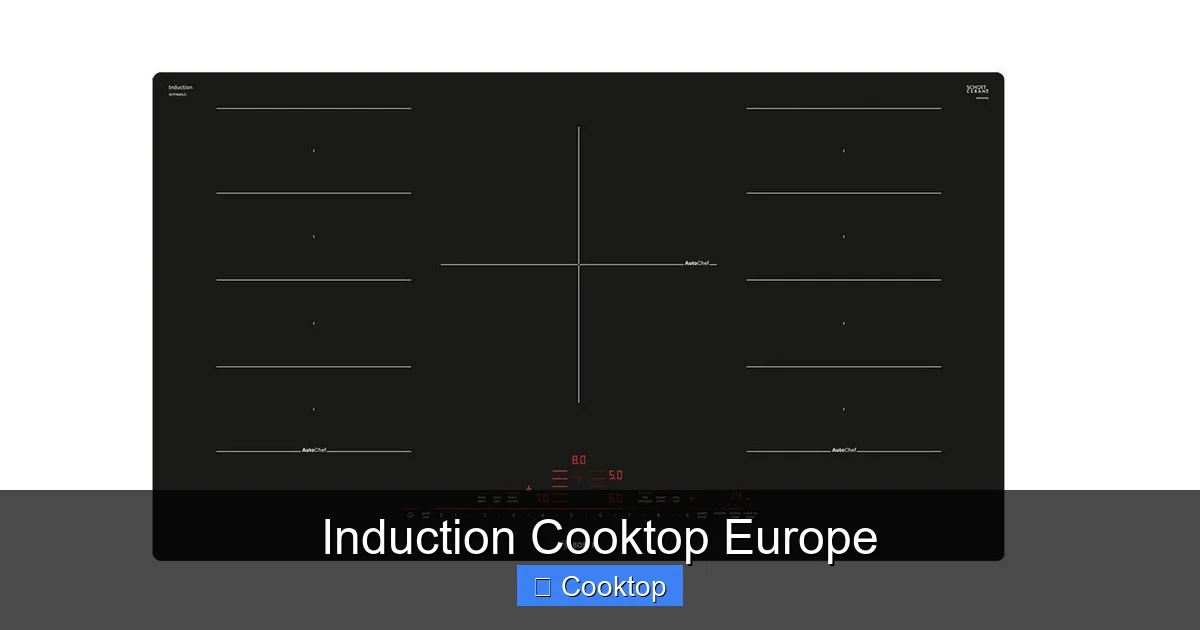
BSH is the largest appliance maker in Europe. Bosch is their volume brand, offering reliability and value. Siemens sits slightly higher with more design-focused features. Neff is known for innovative slide-and-hide ovens and flexible induction. Gaggenau is the ultra-premium line with professional aesthetics. Bosch models with Schott Ceran glass are industry benchmarks. You can read a detailed guide on how to use Bosch Schott Ceran induction cooktop models.
Miele
Miele is family-owned and famous for longevity. They test products for 20 years of use. Their induction cooktops feature TempControl sensors for frying. This prevents overheating oil. Miele also excels in integrated ventilation with their TwoInOne and MultiZone designs. They are pricey but hold resale value well.
Electrolux Group (Electrolux, AEG, Zanussi)
Electrolux owns AEG (premium) and Zanussi (budget). AEG’s SensePro and SenseFry technologies use wireless food sensors. This automates cooking processes. Electrolux focuses on user-friendly interfaces. Zanussi offers solid basic induction at entry-level prices.
Whirlpool Corporation (Whirlpool, Bauknecht, Indesit, Hotpoint)
Whirlpool brands are strong in Southern and Eastern Europe. Their 6th Sense technology automates heat settings. Bauknecht is popular in Germany and Austria. Indesit and Hotpoint target value-conscious buyers. They offer good performance per euro.
Emerging and Niche Brands
Brands like Smeg (iconic Italian design), V-Zug (Swiss precision), and Bora (ventilation specialists) carve out niches. Smeg adds retro style. V-Zug focuses on steam-combination cooking. Bora pioneered the cooktop extractor category. These brands often cost more but offer unique aesthetics or features.
Installation and Safety Standards in Europe
Buying the unit is only half the battle. Installation in Europe follows strict codes. Ignoring them can void warranties and insurance.
Visual guide about Induction Cooktop Europe
Image source: m.media-amazon.com
Electrical Requirements
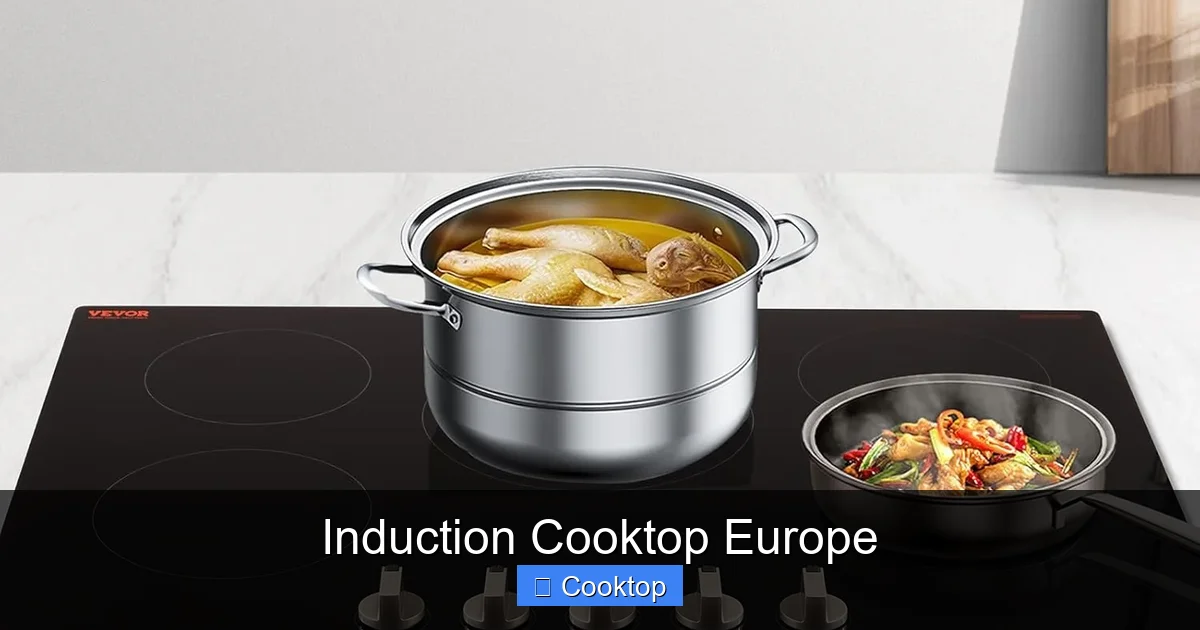
Most full-size induction cooktop Europe units (60cm or wider) require a dedicated 400V three-phase (3N~) connection. This provides enough power for all zones at max boost. Smaller 30cm or 40cm domino units may run on 230V single-phase. Always check the rating plate. Never plug a high-power unit into a standard 13A/16A socket. You need a qualified electrician to install the correct cable (usually 5×2.5mm² or 5x4mm²) and a dedicated RCBO (residual current breaker with overcurrent protection).
CE Marking and Declarations of Conformity
Every unit sold in the EEA must carry the CE mark. This confirms compliance with Low Voltage Directive (LVD), Electromagnetic Compatibility (EMC), and Ecodesign/ErP regulations. Keep the Declaration of Conformity document. You may need it for insurance or resale.
Ventilation and Clearance Rules
Even though induction produces less ambient heat, you still need airflow for the electronics underneath. Follow the manufacturer’s cutout dimensions exactly. Leave the required gap at the rear and sides. If installing above an oven, ensure the oven has a cooling fan. Most brands require a minimum 5-10mm gap between cooktop and oven. For downdraft models, plan the ducting route early. Recirculation mode (carbon filters) is easier but less efficient than external venting.
Countertop Material Compatibility
Induction cooktops get mounted into stone, quartz, solid surface, or compact laminate. Natural stone (granite, marble) needs professional cutting and support frames. Laminate countertops need heat-resistant edging tape and silicone sealing. Never install into standard laminate without protection; the electronics’ heat can delaminate the substrate over time.
Choosing the Right Cookware for European Induction Cooktops
An induction cooktop is only as good as the pans you put on it. The rule is simple: the pan base must be ferromagnetic. A magnet must stick firmly to the bottom.
Materials That Work
- Cast iron: Heavy, excellent heat retention, works perfectly. Enamel-coated cast iron (Le Creuset, Staub) protects the glass surface.
- Carbon steel: Lighter than cast iron, great for woks and crepe pans. Seasons like cast iron.
- Magnetic stainless steel: Look for 18/0 or 18/10 grades with a magnetic base layer (often a sandwich base). Most quality European brands (WMF, Fissler, Demeyere, Kuhn Rikon) work.
- Multi-clad with magnetic layer: Aluminum or copper core clad in magnetic stainless steel. Best heat distribution.
Materials That Don’t Work
- Pure aluminum, copper, glass, ceramic, non-magnetic stainless steel (some 18/10 without base layer).
The Magnet Test
Take a fridge magnet. Stick it to the pan base. If it holds strongly, the pan works. If it slides off or doesn’t stick, it won’t heat. Some pans have a small magnetic disc in the base. If the disc is smaller than the induction zone, the cooktop may not detect it. Full-base discs are best.
Pan Size and Zone Matching
European induction zones have minimum pan diameter requirements (usually 12-14cm for standard zones). If the pan is too small, the zone won’t activate. Flex zones solve this for large pans. For small saucepans, use the smallest zone. Using a 28cm pan on a 18cm zone wastes energy and heats unevenly. Our guide on cookware for induction cooktop has specific recommendations.
Protecting the Glass Surface
Ceramic glass (Schott Ceran, EuroKera) is tough but can scratch. Lift pans; don’t slide them. Clean spills immediately, especially sugar or salt which can pit the glass. Use a glass scraper for burnt-on residue. Silicone mats can help but may reduce heat transfer slightly. Avoid dropping heavy cast iron pans.
Energy Efficiency and Environmental Impact
Europe leads the world in appliance sustainability. Induction is central to the EU’s Green Deal goals for decarbonizing buildings.
Energy Labels Explained
Since 2021, the EU energy label uses a simple A-G scale (no more A+++). Induction cooktops typically rate A or B. The label shows energy consumption per cycle (ECelectric) in Wh/kg. Lower is better. It also rates ventilation efficiency for integrated extractors (A-G). Choose A-rated for both cooking and extraction if possible.
Standby Power and Eco Design
Regulations limit standby power to 0.5W (networked standby 2W). Manufacturers use smart power supplies to meet this. Eco-design rules also mandate spare parts availability for 7-10 years and repairability. This fights planned obsolescence. Miele and Bosch are known for long spare parts support.
Cooking Efficiency Tips
- Use lids: Cuts energy use by up to 50%.
- Match pan to zone: Don’t use a tiny pan on a huge zone.
- Use residual heat: Turn off 1-2 minutes early; the glass stays hot.
- Pressure cookers: Drastically reduce cooking time and energy.
- Keep the surface clean: Dirt insulates and reduces coupling.
Lifecycle Considerations
Induction cooktops last 15-20 years. The glass and copper coils are recyclable. Electronics boards are e-waste. Choose brands with take-back programs. Repairing a faulty inverter board is often cheaper than replacing the whole unit. Independent repair cafes are growing across Europe, supported by Right to Repair laws.
Maintenance and Troubleshooting Common Issues
Induction cooktops are low maintenance, but issues can arise. Knowing basics saves service calls.
Daily Cleaning Routine
Wait for the surface to cool (residual heat indicator off). Spray with glass cleaner or vinegar water. Wipe with a microfiber cloth. For burnt sugar or plastic, use a razor scraper at 30 degrees while warm (not hot). Apply cleaner, scrape, wipe. Never use abrasive pads or powder cleaners.
Common Error Codes
Most brands use similar codes:
- E0 / No pan: Pan missing, too small, or non-magnetic.
- E1 / Overheating: Internal sensor too hot. Check ventilation gaps.
- E2 / Voltage error: Supply voltage out of range. Call electrician.
- E3 / Coil fault: Induction coil or inverter failure. Needs technician.
- Child lock active: Hold lock symbol 3-4 seconds to toggle.
When to Call a Pro
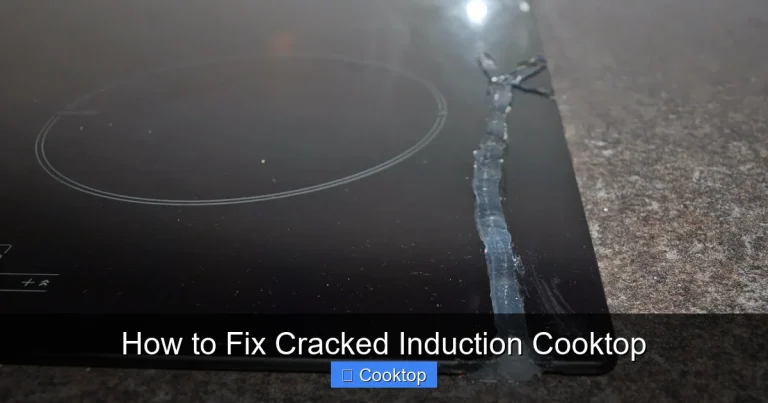
Cracked glass: Stop using immediately. Moisture can short electronics. Replace glass module.
Intermittent heating: Could be loose coil connection or failing inverter.
Fan noise: Bearing wear or blocked duct. Clean filters first.
Touch control ghost touches: Moisture under glass or faulty PCB. Dry thoroughly; if persists, replace control board.
Extending Lifespan
Don’t overload the electrical circuit. Run the hood on low for 10 mins after cooking to cool electronics. Descale any integrated steam functions per manual. Update firmware if Wi-Fi enabled. Register your product for warranty extensions (often free).
Conclusion
Choosing an induction cooktop Europe model means joining millions of households who enjoy faster, cleaner, and more precise cooking. The market offers incredible variety, from budget-friendly 30cm domino units to full-width smart surfaces with built-in extraction. Focus on your cooking habits, kitchen layout, and electrical capacity. Prioritize brands with strong service networks in your country. Invest in quality magnetic cookware. And always hire a certified electrician for installation. With the right unit, you will wonder how you ever cooked without it. Happy cooking!
Frequently Asked Questions
What is the standard voltage for induction cooktops in Europe?
Most full-size induction cooktops in Europe require a 400V three-phase (3N~) connection. Smaller domino units (30-40cm) may operate on 230V single-phase. Always verify the rating plate and hire a qualified electrician for installation.
Do I need special pots for an induction cooktop Europe model?
Yes, you need cookware with a ferromagnetic base. Cast iron, carbon steel, and magnetic stainless steel work. Aluminum, copper, and non-magnetic stainless steel will not heat unless they have a magnetic disc bonded to the bottom. Test with a magnet.
Are induction cooktops more energy efficient than gas in Europe?
Absolutely. Induction transfers 85-90% of energy to the food, while gas only achieves 40-50%. EU Ecodesign regulations favor induction, making it the most efficient cooking method widely available in European markets.
Can I install an induction cooktop myself in Europe?
No, you should not. Electrical installation must comply with national wiring codes (e.g., DIN VDE 0100 in Germany, NF C 15-100 in France, BS 7671 in UK). A certified electrician must connect the dedicated circuit and issue a certificate. DIY installation voids warranty and insurance.
What are flex zones on a European induction cooktop?
Flex zones (or flex induction) allow two adjacent cooking zones to combine into one larger zone. This accommodates big roasting pans, griddles, or oval pots. The cooktop automatically detects the pan size and activates the appropriate area.
How do I clean burnt sugar off my induction cooktop?
Act quickly but carefully. While the surface is still warm (not scorching hot), apply a specialized ceramic glass cleaner. Use a razor blade scraper held at a low angle (about 30 degrees) to gently lift the residue. Wipe clean with a microfiber cloth. Never use abrasive pads.