12v Induction Cooktop
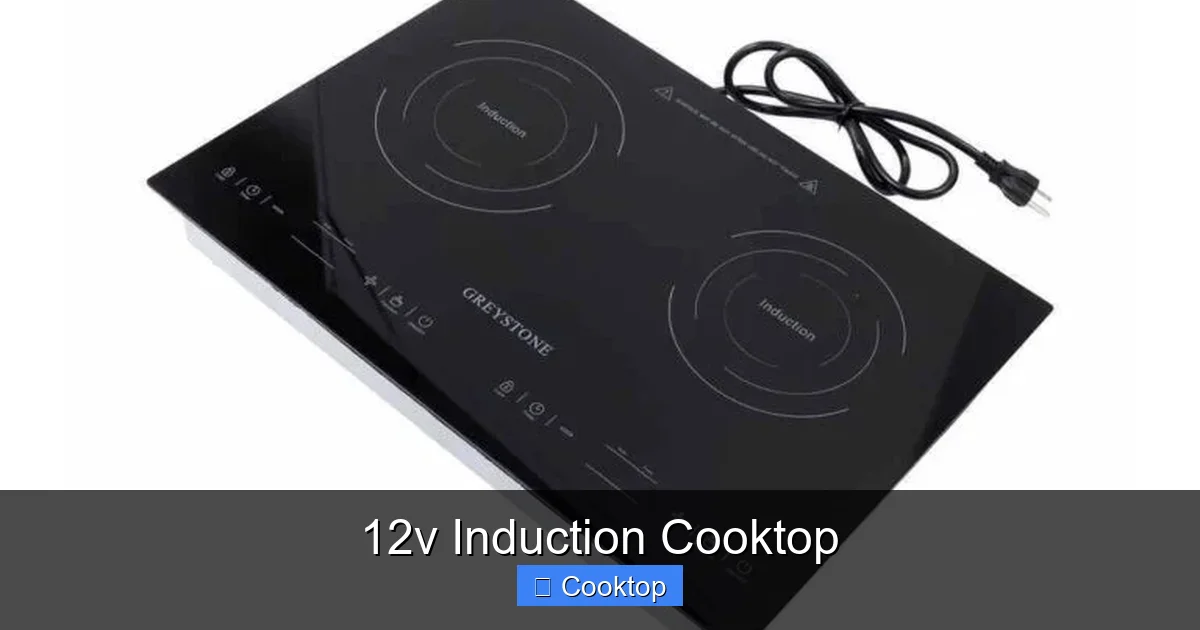
A 12v induction cooktop offers efficient, flameless cooking for mobile and off-grid lifestyles. These units run directly on DC power, making them ideal for RVs, trucks, and solar systems without needing a large inverter.
Key Takeaways
- Direct DC Operation: A 12v induction cooktop runs straight from a 12-volt battery bank, eliminating the energy loss of an inverter.
- High Efficiency: Induction technology transfers roughly 85-90% of energy to the pan, far better than propane or resistive electric elements.
- Amperage Matters: Most models draw 60-100 amps at 12 volts, so thick wiring and a robust battery bank are essential.
- Cookware Compatibility: You must use ferromagnetic pots and pans; a simple magnet test confirms if your cookware works.
- Portable Convenience: Single-burner portable units are the most common format, perfect for tight galley spaces.
- Safety First: No open flame, automatic pan detection, and cool-to-touch surfaces reduce fire and burn risks significantly.
- Solar Friendly: Pairing a 12v induction cooktop with a sufficient solar array and lithium batteries enables true off-grid cooking.
📑 Table of Contents
- Why a 12v Induction Cooktop Changes the Game
- How 12v Induction Technology Works
- Power Requirements: The Reality Check
- Choosing the Right Unit for Your Rig
- Cookware: The Make-or-Break Factor
- Installation Best Practices
- Real World Cooking Tips and Tricks
- Maintenance and Troubleshooting
- Comparing 12v Induction to Alternatives
- Top Use Cases: Who Benefits Most?
- Future Trends in 12v Cooking
- Conclusion
Why a 12v Induction Cooktop Changes the Game
Cooking off the grid used to mean choosing between finicky propane stoves, dangerous open flames, or massive inverters that drain batteries fast. Today, the 12v induction cooktop offers a compelling alternative. It brings the speed and precision of high-end kitchen tech to your camper van, semi-truck, or remote cabin. Because it runs on native 12-volt DC power, you skip the inefficiency of converting battery power to AC and back again. That means more meals per charge and less strain on your electrical system.
I remember the first time I saw one in action at an overland expo. A guy boiled a liter of water in a cast iron pot in under three minutes using just his truck’s auxiliary battery. No generator hum, no propane hiss, just quiet, instant heat. That demo sold me on the technology. If you are building a mobile kitchen or upgrading an RV, understanding these units is the first step to cooking freedom.
How 12v Induction Technology Works
The Physics Behind the Heat
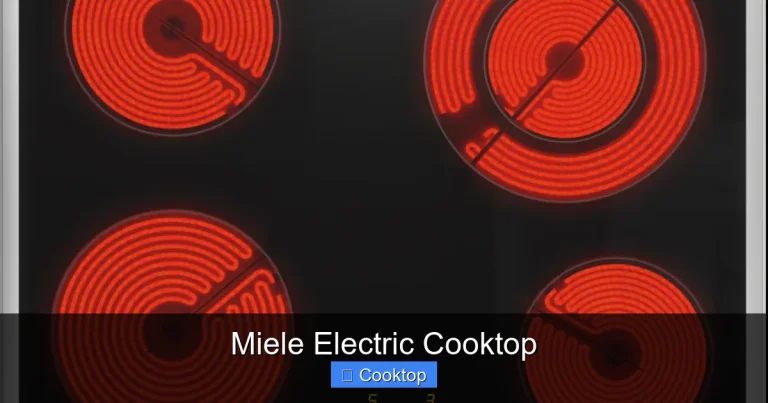
Induction cooking doesn’t generate heat directly. Instead, an electromagnetic coil beneath the glass surface creates a high-frequency magnetic field. When you place a compatible pot on the zone, that field induces electrical currents (eddy currents) inside the metal of the pan itself. The pan becomes the heating element. This is why the cooktop surface stays relatively cool while the contents of the pot boil rapidly.
Visual guide about 12v Induction Cooktop
Image source: managekitchen.com
DC vs. AC Induction
Standard home induction cooktops run on 120v or 240v AC. They use internal electronics to convert that AC into the high-frequency current needed for the coil. A 12v induction cooktop is engineered differently. Its internal inverter board steps up the 12-volt DC input directly to the required high frequency. This dedicated design avoids the double conversion (DC to AC to high-frequency) you would get running a house unit on a big inverter, saving you 10-15% energy loss.
Power Requirements: The Reality Check
Amps, Watts, and Wire Gauge
Marketing often highlights wattage (e.g., 1800W), but at 12 volts, the current draw is the critical number. An 1800-watt unit pulls 150 amps at 12 volts (Watts ÷ Volts = Amps). In reality, most portable 12v units max out around 1000-1500 watts to keep amperage manageable. That is still 80-125 amps. You cannot run this on a cigarette lighter plug. You need a dedicated circuit with 4 AWG or 2 AWG wire, a high-current fuse (like an ANL or Class T), and a battery bank that can sustain the load without excessive voltage sag.
Battery Chemistry Matters
Lead-acid batteries (AGM, Gel, Flooded) suffer from Peukert’s effect: their usable capacity drops sharply under high loads. A 100Ah AGM battery might only give you 30-40 minutes of full-power cooking before voltage drops too low. Lithium Iron Phosphate (LiFePO4) batteries handle high discharge rates effortlessly. A 200Ah lithium bank can run a 100-amp cooktop for roughly two hours at max power, and much longer at simmer settings. If you plan serious cooking, lithium is practically mandatory.
Choosing the Right Unit for Your Rig
Single vs. Dual Burner
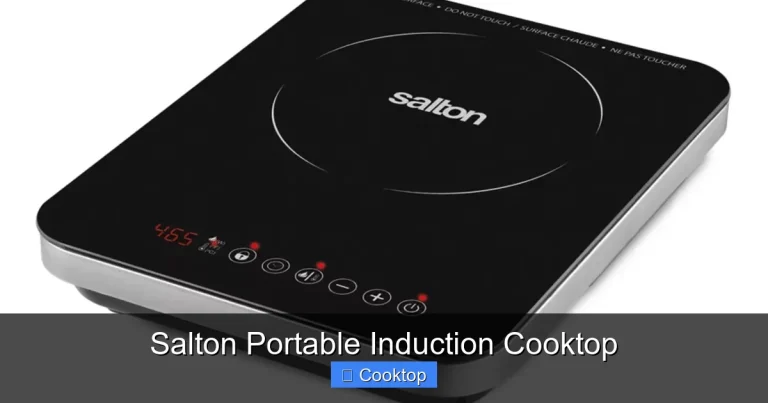
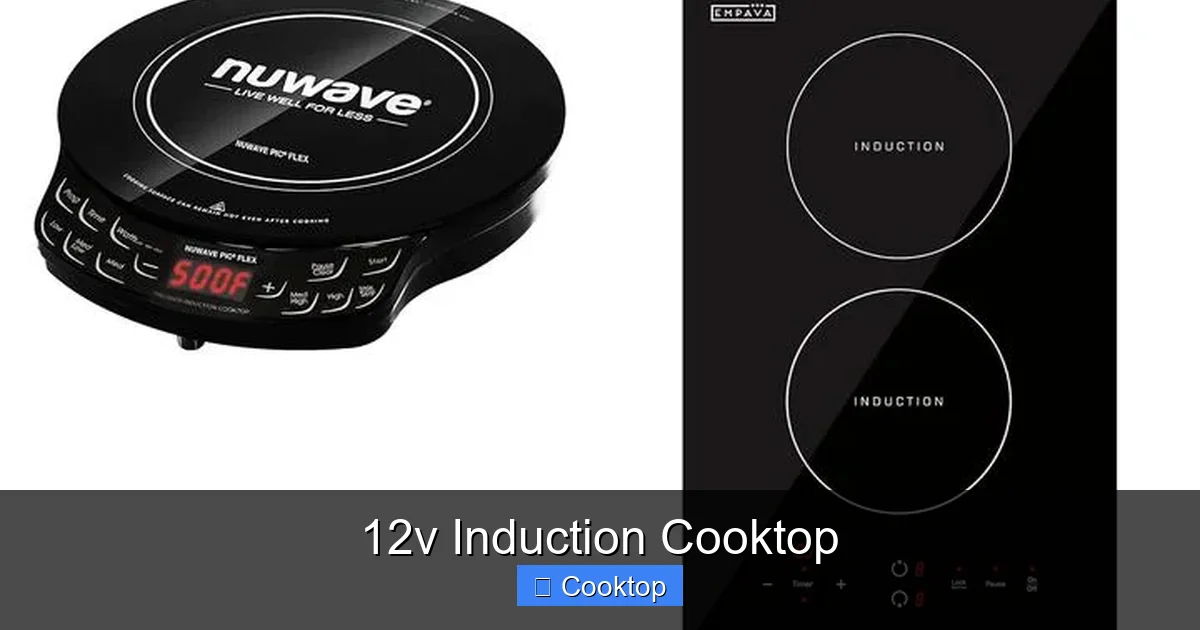
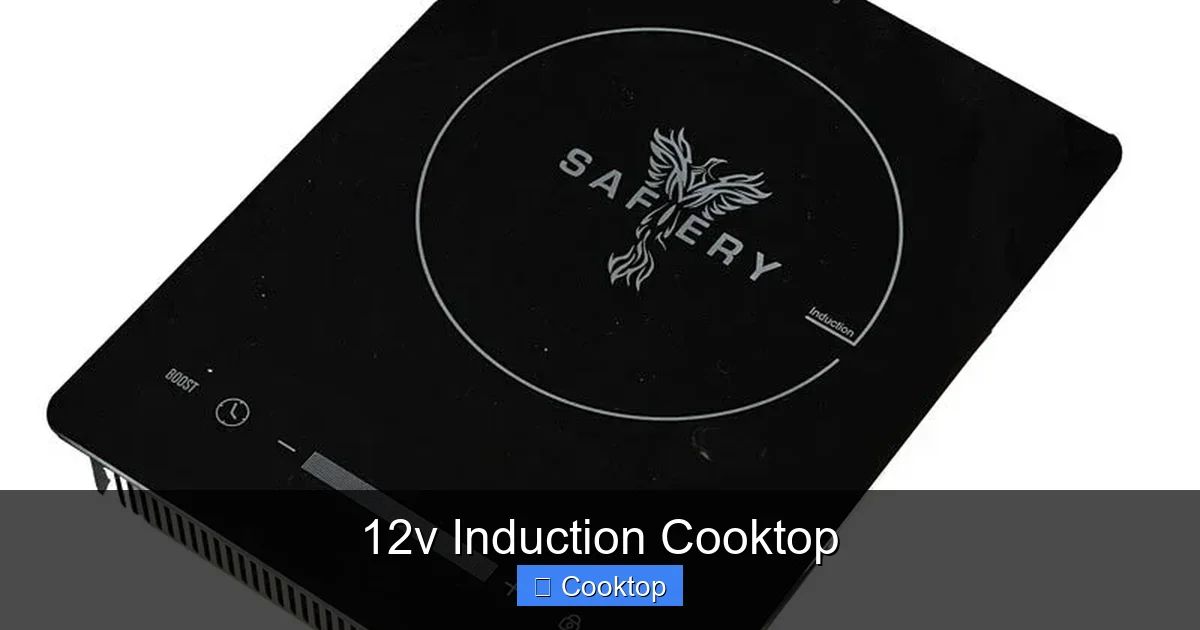
Space dictates this choice. Most 12v induction cooktop models are single-burner portable units. They store easily and let you cook inside or outside. Dual-burner 12v units exist but are rare, larger, and demand double the electrical infrastructure. For a solo traveler or couple, a single burner covers 90% of meals. If you frequently cook complex multi-pot dishes, you might pair a 12v unit with a portable 2 burner induction cooktop that runs on AC when you have shore power or a big inverter.
Visual guide about 12v Induction Cooktop
Image source: homeof12volt.com.au
Control Interface: Knobs vs. Touch
Touch panels are sleek but can be frustrating with greasy fingers or in vibration-prone vehicles. Some models offer rotary knobs, which provide tactile feedback and are easier to adjust while bouncing down a washboard road. An induction cooktop with knobs often feels more intuitive for precise simmer control. Consider your typical cooking style and environment when deciding.
Low Power Modes for Solar Days
On cloudy days, your solar harvest might only be 200-300 watts. Look for a unit with a true low-power setting (200-300 watts / 20-30 amps). This lets you slow-cook a stew or keep coffee warm without draining the battery. Some advanced models even have a “solar mode” that caps maximum draw to match your panel output. This feature is a hallmark of an induction cooktop with low power consumption design.
Cookware: The Make-or-Break Factor
The Magnet Test
Induction only works with ferromagnetic materials: cast iron, carbon steel, magnetic stainless steel. Aluminum, copper, glass, and non-magnetic stainless (like 304/18-8) will not work. The test is simple: stick a fridge magnet to the bottom of the pan. If it holds firmly, you are good. If it slides off or doesn’t stick, the pan is incompatible.
Flat Bottoms are Critical
Induction requires close contact between the coil and the pan base. Warped, curved, or heavily ringed bottoms create air gaps that kill efficiency and cause the unit to error out or cycle on/off. Invest in quality, flat-bottomed cookware. A cookware for induction cooktop guide can help you build a compatible kit. Carbon steel woks with a small flat spot work well; traditional round-bottom woks do not.
Size Matching
The induction coil has a specific diameter (usually 4.5 to 6 inches on portable units). Your pan base should cover at least 70% of that zone for detection and efficiency. A tiny coffee pot on a large zone might not be recognized. Conversely, a huge stockpot extending far beyond the zone will have cold spots at the edges.
Installation Best Practices
Wiring the Circuit
Run positive and negative wires directly from the battery bank (or a dedicated bus bar) to the cooktop location. Use marine-grade tinned copper cable. Fuse the positive wire within 18 inches of the battery. Use a fuse rated for the wire ampacity, not the cooktop max draw. For 4 AWG wire, a 100A or 150A ANL fuse is typical. Label the circuit clearly. A master disconnect switch near the cooktop adds safety and convenience.
Ventilation and Mounting
Induction cooktops generate heat in the electronics, not just the pan. They have internal fans that need airflow. If you recess-mount the unit into a countertop, follow the manufacturer’s clearance specs exactly. Usually, you need a vented cutout underneath and space around the sides. Do not seal it in an airtight box. Secure the unit so it cannot slide during travel; many portables have non-slip feet, but a bracket or lip is safer for permanent installs.
System Monitoring
Install a battery monitor with a shunt (like a Victron SmartShunt or similar). Watching real-time amperage teaches you how different power levels affect your state of charge. It also alerts you if voltage sags dangerously low, protecting your batteries. Knowledge is power, literally.
Real World Cooking Tips and Tricks
Pre-heat Strategy
Induction is instant. Put the pan on, set power, and it’s hot in seconds. Don’t walk away. Oil can hit smoke point surprisingly fast. Have your ingredients ready (mise en place) before you touch the power button.
Simmering Without Scorching
Low settings on induction cycle the power on/off to maintain average temperature. Thin pans can scorch during the “on” pulses. Use a heavy-bottomed pan (cast iron, clad stainless) for even heat distribution. A best frying pan for induction cooktop often features a thick aluminum core sandwiched in steel for this reason. You can also use a silicone heat diffuser mat for ultra-gentle tasks like melting chocolate.
Pressure Cooking Magic
A stainless steel pressure cooker (Instant Pot style or stovetop) is the ultimate partner for a 12v system. It cooks beans, rice, and tough meats in a fraction of the time and energy. Since it’s sealed, it retains moisture and nutrients. You bring it to pressure on high (2-3 minutes), then drop to the lowest setting. Total energy use is minimal.
Outdoor Cooking
One huge advantage of a portable 12v unit: take it outside. Cook fish, fry bacon, or deep-fry without lingering smells inside your rig. Run an extension cable (heavy gauge!) to your awning or tailgate. Just keep the electronics dry and the glass surface protected from grit.
Maintenance and Troubleshooting
Cleaning the Glass
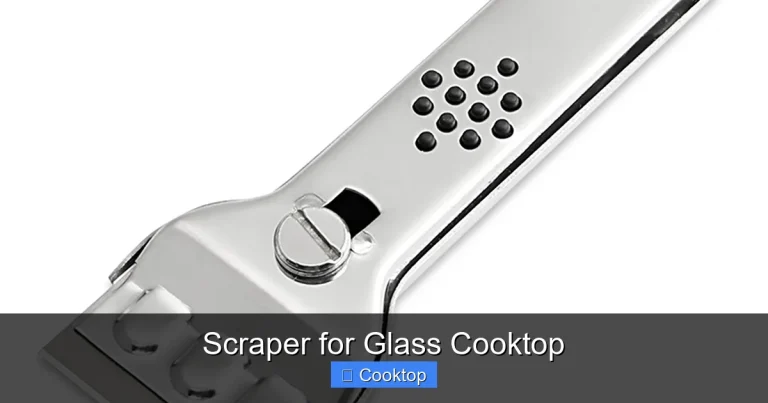
The vitroceramic glass is tough but not scratch-proof. Wipe spills immediately with a damp cloth. For burnt-on residue, use a ceramic cooktop scraper (razor blade holder) at a 45-degree angle, followed by a dedicated cooktop cleaner. Never use abrasive pads or powder cleaners.
Error Codes
Common codes: E0 (no pan/pan too small), E1/E2 (overheating/voltage issue), E3/E4 (sensor faults). E0 means check your cookware. E1/E2 often means low battery voltage or blocked fan vents. Clean the intake/exhaust vents regularly with compressed air. If errors persist, check your wiring connections for corrosion or heat.
Fan Noise
The cooling fan runs during and after cooking. It’s noticeable in a quiet camper. Some units let you adjust fan sensitivity in a service menu. If noise bothers you, look for models with larger heatsinks and variable-speed fans.
Comparing 12v Induction to Alternatives
Vs. Propane
Propane has high energy density. A 20lb tank lasts weeks. But it produces moisture, CO/CO2 risk, requires ventilation, and refills can be remote. Induction is dry, clean, vent-free, and refuels via solar. The trade-off: propane works during total electrical failure; induction needs electrons.
Vs. 120v Induction on Inverter
Running a cheap 1800W house unit on a 2000W pure sine inverter works, but the inverter draws ~180A at 12v (due to inefficiency). Your wiring and battery must be even beefier. A native 12v unit is purpose-built for the voltage, often more compact, and avoids the inverter’s standby draw.
Vs. Diesel/Webasto Heaters with Cooktops
Some hydronic diesel heaters offer a cooktop plate. They provide heat and cooking from one fuel source. However, the cooktop is usually a simple resistive hot plate—slow, uneven, and hard to control. Induction wins on speed, control, and efficiency for cooking alone.
Top Use Cases: Who Benefits Most?
Long-Haul Truckers
No idling laws? No problem. A 12v induction cooktop lets drivers make healthy meals during mandatory breaks using the sleeper battery bank (or APU). It pays for itself in weeks versus truck stop food.
Vanlifers and Overlanders
Space and weight are premium. A single burner replaces a stove, oven, and microwave for many. Paired with 200Ah+ lithium and 400W+ solar, it enables weeks off-grid.
Sailors and Boaters
No propane locker inspections, no fume danger in the bilge. Marine batteries handle the load. Just ensure the unit is mounted securely for heeling.
Emergency Home Backup
Keep a unit and a portable power station (like EcoFlow/Jackery) for grid-down scenarios. Boil water, heat formula, cook canned goods silently without firing up a gas generator.
Future Trends in 12v Cooking
The market is evolving fast. We are seeing integration with smart battery management systems (BMS) via Bluetooth or CAN bus. The cooktop talks to the battery, requesting current limits dynamically. Some prototypes feature built-in battery buffers (supercapacitors or small Li-ion) to smooth the draw from the main bank. Multi-zone 12v built-ins are appearing in high-end RV models. Prices are slowly dropping as volume increases. If you’re not ready to buy today, the options in two years will be even better.
Conclusion
A 12v induction cooktop is more than a gadget; it’s a lifestyle enabler. It decouples cooking from fossil fuels and noisy generators. It rewards good electrical design with incredible speed, safety, and precision. Yes, it demands respect for its electrical appetite. You need proper wire, fuses, and ideally lithium batteries. But once installed, it just works. You press a button, water boils, dinner happens. For anyone serious about mobile or off-grid living, it is the single best kitchen upgrade you can make. Ditch the propane, embrace the electrons, and enjoy the quiet power of magnetic cooking.
Frequently Asked Questions
Can I run a 12v induction cooktop on a car battery?
Technically yes, but not for long. A standard car starter battery (50-70Ah) will drain in 15-20 minutes at full power and may be damaged by deep cycling. You need a deep-cycle auxiliary battery, preferably lithium, to cook meals reliably.
What size wire do I need for a 12v induction cooktop?
Most units drawing 60-100 amps require 4 AWG or 2 AWG tinned copper wire for runs up to 10-15 feet. Always fuse the positive wire at the battery. Undersized wire causes voltage drop, triggering low-voltage shutdowns and creating a fire hazard.
Do I need special pots for a 12v induction cooktop?
Yes. Cookware must be magnetic (ferrous). Cast iron, carbon steel, and magnetic stainless steel work. Aluminum, copper, glass, and non-magnetic stainless will not heat. Test with a magnet; if it sticks firmly to the pan bottom, it is compatible.
Can I use a 12v induction cooktop with a portable power station?
Only if the power station has a regulated 12v DC output (cigarette lighter or Anderson port) rated for the cooktop’s amperage. Most portable stations max out at 10-15A on 12v ports, far below the 60A+ a cooktop needs. You would need a unit with a high-current 12v output (like some EcoFlow or Bluetti models with 30A Anderson) and even then, runtime is limited.
Is a 12v induction cooktop safe to use inside a van or RV?
Yes, it is generally safer than propane. There is no open flame, no carbon monoxide, and the surface cools quickly. However, you must ensure proper ventilation for the unit’s cooling fan and never leave cooking unattended. Secure the unit so it cannot tip while driving.
How many solar panels do I need to run a 12v induction cooktop?
To run a 1000W cooktop directly from solar, you need roughly 1000W of panels in full sun. For realistic off-grid use (cooking 30-60 mins/day), 400-600W of solar feeding a 200Ah+ lithium battery bank is a practical minimum. The battery buffers the high load; the solar recharges the battery over the day.