Ceramic Cooktop Scraper
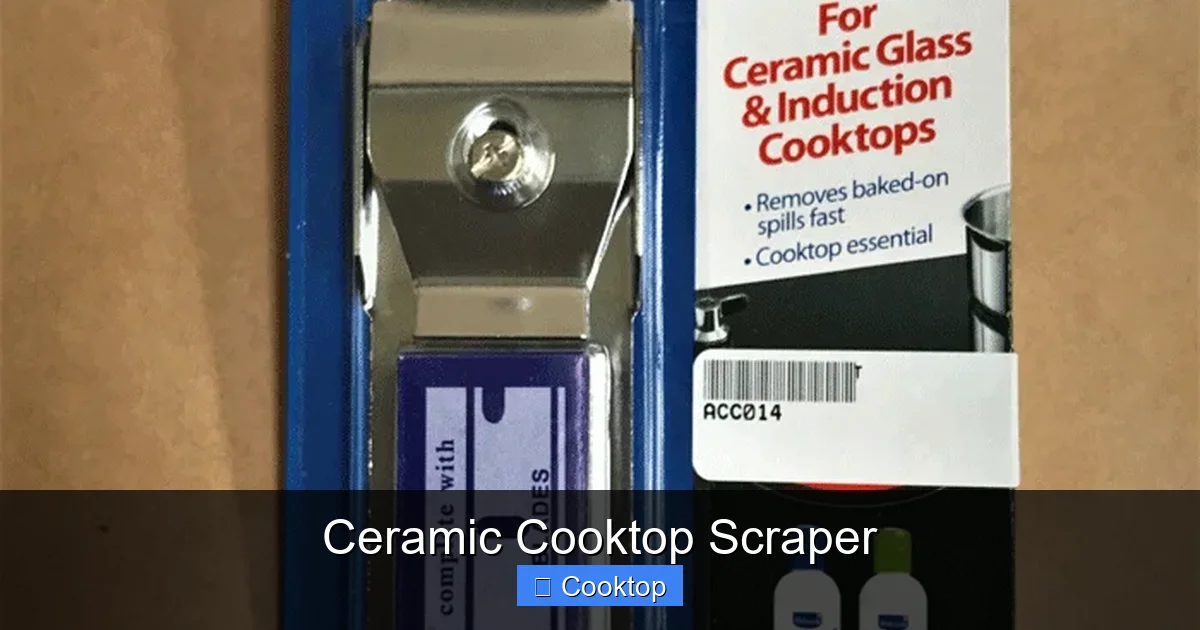
A ceramic cooktop scraper is an essential tool for removing burnt-on food without damaging your glass stove surface. This guide covers everything from choosing the right blade type to mastering the correct scraping angle for a flawless finish. Keep your kitchen looking new with minimal effort and the right technique.
If you own a smooth glass stove, you know the struggle. A pot boils over, sauce splatters, and suddenly you have a crusty, burnt mess fused to the surface. Scrubbing with a sponge does nothing. Paper towels shred. That is where a ceramic cooktop scraper becomes your best friend. This small, inexpensive tool is the secret weapon for maintaining that showroom shine without elbow grease or harsh chemicals.
Many home cooks are afraid to use a blade on their expensive appliance. They worry about scratches or gouges. The truth is, using the right scraper with the right technique is actually safer than aggressive scrubbing with abrasive pads. It slices through the carbonized layer cleanly, leaving the glass intact. In this comprehensive guide, we will walk through everything you need to know: types, techniques, safety, and pro tips to keep your cooktop looking flawless for years.
Key Takeaways
- Essential Tool: A dedicated scraper is the safest way to remove hardened residue from a glass cooktop without scratching it.
- Blade Matters: Single-edge razor blades are standard, but ceramic and plastic blades offer gentler alternatives for light cleaning.
- Technique Is Key: Always hold the scraper at a low angle (30-45 degrees) and use short, controlled strokes to protect the surface.
- Heat Helps: Warm residue scrapes off easier; let the cooktop cool slightly but stay warm for the best results.
- Pair with Cleaner: Use a ceramic cooktop cleaning cream after scraping to polish and protect the glass.
- Safety First: Retractable guards and ergonomic handles prevent accidental cuts during storage and use.
- Regular Maintenance: Daily wiping reduces the need for heavy scraping and extends the life of your appliance.
📑 Table of Contents
What Is a Ceramic Cooktop Scraper?
At its core, a ceramic cooktop scraper is a handheld tool designed to hold a thin, sharp blade at a fixed, safe angle against a flat glass surface. Unlike a standard box cutter or paint scraper, these tools are engineered specifically for the hardness and sensitivity of vitroceramic glass. They prevent the blade from digging in at a steep angle, which is the primary cause of scratches.
The Anatomy of the Tool
Most models share a similar design philosophy. You have a handle—often ergonomic and heat-resistant—and a head that clamps a standard single-edge razor blade. High-quality versions feature a retractable guard that covers the blade when not in use. This is a critical safety feature if you store your tools in a drawer with other utensils. Some premium models use a ceramic blade instead of metal, which we will discuss later.
Why Not Just Use a Razor Blade Alone?
You can use a loose single-edge razor blade, and many professionals do. However, holding a bare blade requires a steady hand and perfect angle control. A slip can mean a deep scratch or a nasty cut on your finger. A dedicated holder standardizes the angle, usually locking it around 30 to 45 degrees. This consistency is what makes the tool beginner-friendly and effective.
Why You Need a Dedicated Scraper
You might wonder if this is just another gadget to clutter your drawer. Consider the alternatives. Abrasive scrubbers (like the green side of a sponge) create micro-scratches that accumulate over time, dulling the surface and making future stains stick easier. Chemical cleaners alone often fail on thick, carbonized burns. They require soaking time and still need mechanical agitation.
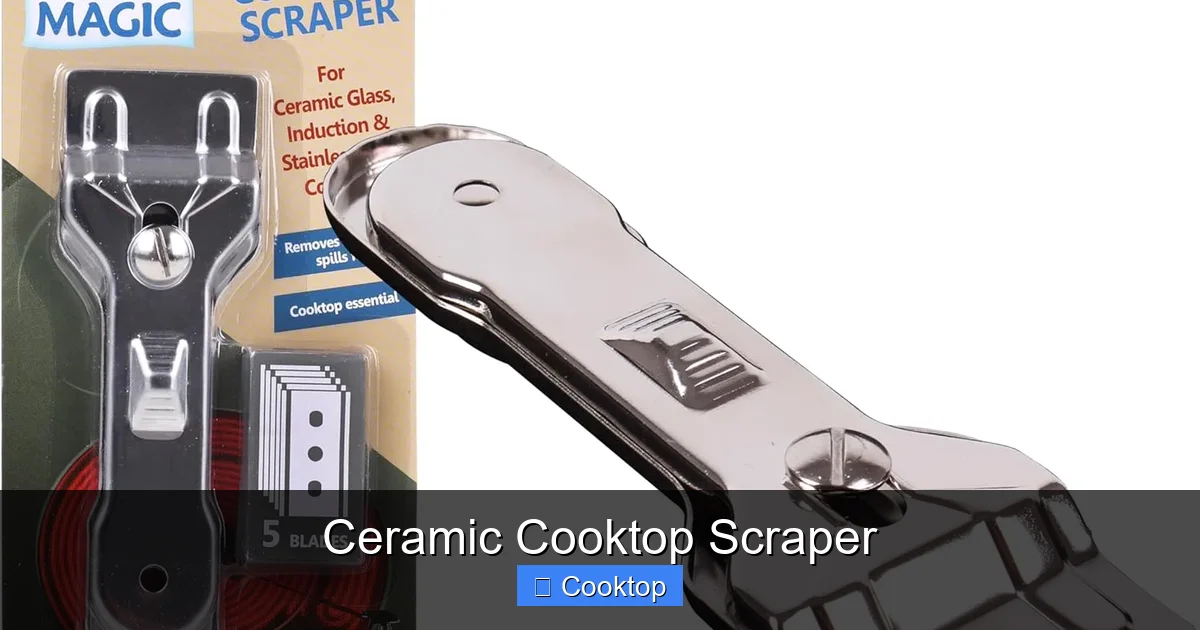
Visual guide about Ceramic Cooktop Scraper
Image source: m.media-amazon.com
The Physics of Cleaning Glass
Vitroceramic glass is hard—harder than steel—but it is brittle. When food burns, it creates a bond with the microscopic pores of the glass. A scraper applies shear force at the base of that bond, cleanly fracturing the debris off the surface. It does not rely on friction (which causes scratches) but on a precise wedge action. This is the only method that restores the surface to truly smooth, optical clarity.
Protecting Your Investment
A quality cooktop costs hundreds, sometimes thousands, of dollars. Replacing the glass top is a major repair. A ceramic cooktop scraper costs less than ten dollars. It is the highest ROI tool in your kitchen maintenance arsenal. Regular use prevents permanent etching and keeps the heating efficiency high, as heavy carbon buildup can actually insulate the surface and slow heat transfer.
Types of Ceramic Cooktop Scrapers
Not all scrapers are created equal. Walking down the cleaning aisle or browsing online reveals three main categories. Understanding the difference helps you pick the right tool for your cooking style and mess level.
Visual guide about Ceramic Cooktop Scraper
Image source: m.media-amazon.com
Standard Metal Blade Holders
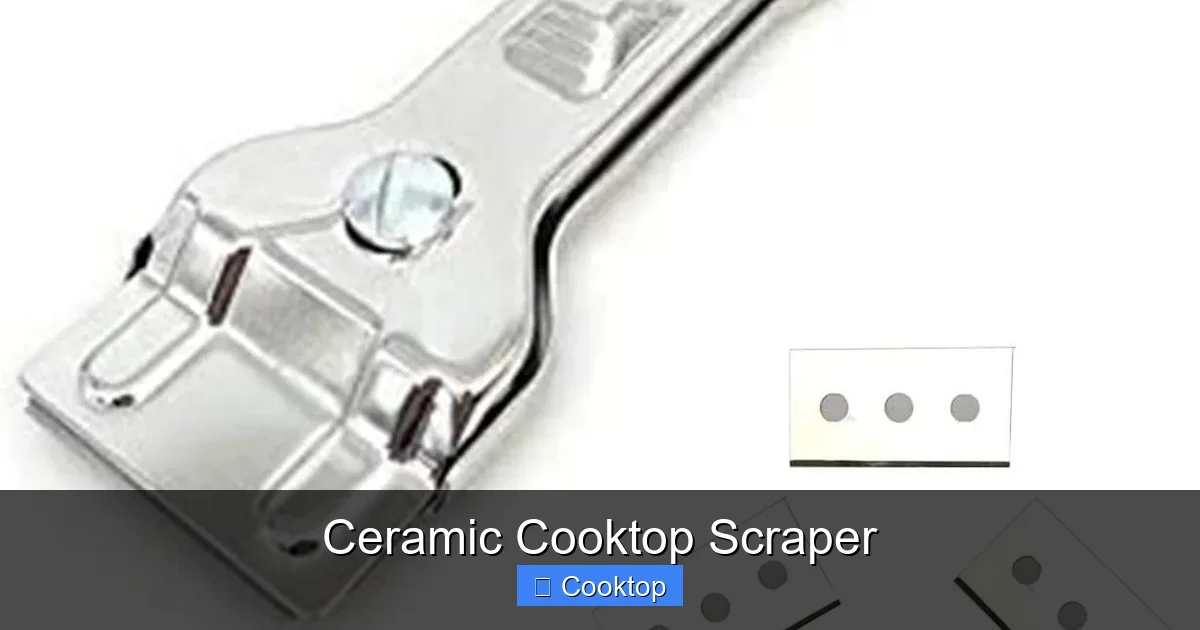
This is the classic design. A plastic or metal body accepts standard single-edge razor blades (the kind used in utility knives). They are cheap, blades are universally available at hardware stores, and they offer the sharpest edge for the toughest burns. Look for a model with a thumbscrew or lever that clamps the blade securely so it doesn’t shift under pressure. A retractable guard is non-negotiable for safety.
Ceramic Blade Scrapers
These use a blade made of zirconium oxide ceramic. They are incredibly hard—second only to diamond—and stay sharp much longer than steel. The huge advantage? They will not rust, and they are non-conductive. More importantly, they are slightly less aggressive than a fresh steel razor. This makes them fantastic for daily maintenance or light residue where you want zero risk of a micro-scratch. They are pricier upfront, but the blade lasts months or years.
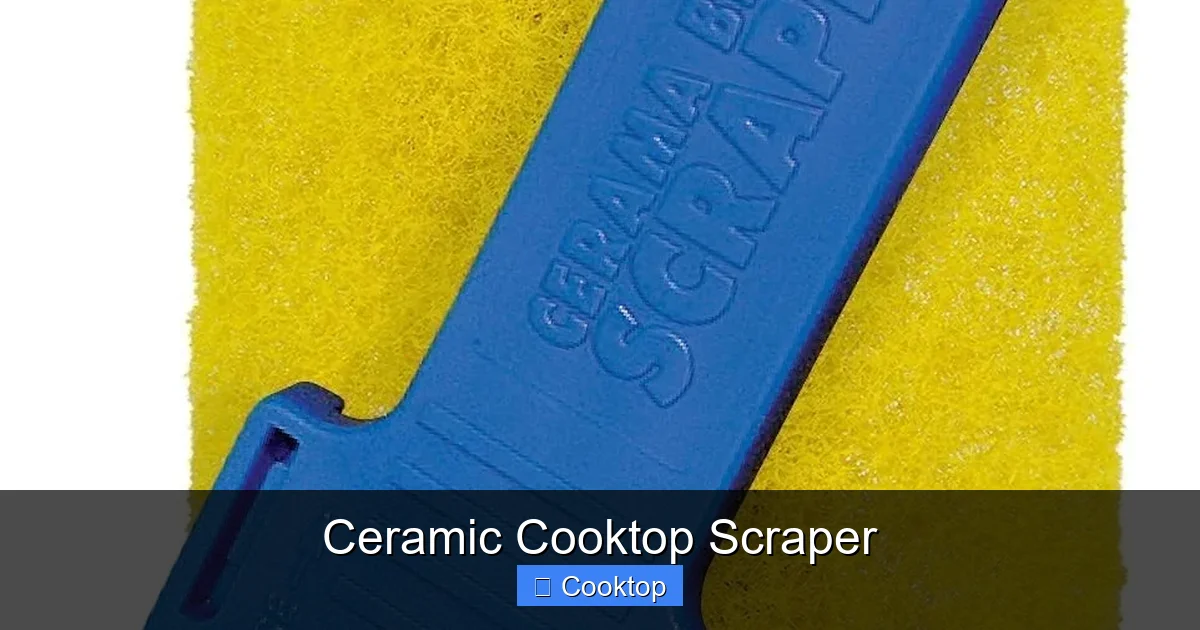
Plastic and Non-Scratch Scrapers
Made from hard polycarbonate or nylon, these have no metal edge at all. They rely on a sharp molded corner. They are the safest option for the absolute beginner or for very light, fresh spills. However, they struggle with anything carbonized or thick. They require significantly more force, which can lead to fatigue. Think of these as a “daily wipe-down” tool, not a “deep clean” tool.
Specialty Shapes: Corner and Detail Scrapers
Some messes hide in the tight radius around burner elements or near the control panel. Standard rectangular scrapers can’t reach these curves. Detail scrapers feature a smaller, often triangular or curved head. If you have a cooktop with tight tolerances or raised burner rings, keeping one of these in your kit saves immense frustration.
How to Use a Ceramic Cooktop Scraper Safely and Effectively
Technique separates a pristine cooktop from a scratched one. The process is simple but demands respect for the blade and the glass. Follow these steps every time.
Visual guide about Ceramic Cooktop Scraper
Image source: images-na.ssl-images-amazon.com
Step 1: Assess the Mess and Heat
Never scrape a scorching hot surface (risk of thermal shock and burns) and never scrape stone cold, rock-hard residue (requires excessive force). The sweet spot is “warm.” If you just finished cooking, let the burner cool for 10-15 minutes until you can hold your hand a few inches away comfortably. The residual heat softens the bond of the burnt food. For cold, old stains, apply a dedicated cleaner or a paste of baking soda and water, let it sit for 15 minutes to rehydrate the crust, then scrape.
Step 2: Lubricate the Surface
Never scrape dry glass. Dry scraping creates friction and drags debris across the surface, acting like sandpaper. Apply a few drops of ceramic cooktop cleaning cream, white vinegar, or even just water with a drop of dish soap. The liquid creates a hydroplane effect, letting the blade glide. It also captures the removed particles so they don’t scratch the glass as you push them away.
Step 3: The Golden Angle (30-45 Degrees)
This is the single most important rule. Hold the handle so the blade meets the glass at a low angle—roughly 30 to 45 degrees relative to the surface. If you stand the scraper up vertically (90 degrees), the corner of the blade will dig in and gouge. If you lay it flat (0 degrees), it won’t cut. The low angle presents the sharp edge as a wedge. Push away from your body in short, firm strokes. Let the blade do the work; do not bear down with all your weight.
Step 4: Clean as You Go
After a few strokes, wipe the blade and the surface with a paper towel or microfiber cloth. Removed carbon turns into a fine black slurry. If you leave it, you are essentially rubbing charcoal dust under the blade. A quick wipe keeps the cutting action clean and lets you inspect your progress.
Step 5: Final Polish
Once the heavy debris is gone, the surface will likely have a haze or fine streaks. Apply a nickel-sized amount of ceramic cooktop cleaning cream to a soft cloth or the provided cleaning pad. Buff in a circular motion over the entire surface, not just the scraped spot. This removes microscopic residue, fills micro-pores, and leaves a protective silicone barrier that makes next week’s cleanup easier.
Maintenance and Care for Your Scraper
A ceramic cooktop scraper is low maintenance, but not zero maintenance. A dull or dirty blade is dangerous and ineffective.
Blade Replacement Schedule
Steel razor blades are consumables. They dull surprisingly fast on hard glass. A dull blade requires more force, increasing slip risk. Change the blade at the first sign of drag or if you see any nicks on the edge. For a typical home cook doing a deep clean monthly, changing the blade every 2-3 sessions is a good rule. Blades cost pennies in bulk packs. Ceramic blades last much longer—replace only if chipped or visibly worn.
Cleaning the Holder
Food grease and cleaning cream residue build up in the clamping mechanism. This can prevent the blade from sitting perfectly flat. Once a month, disassemble the head (usually a simple thumbscrew) and wash the parts in hot, soapy water. An old toothbrush clears the threads. Dry thoroughly before reassembling to prevent rust on the metal clamp parts.
Safe Storage
Always engage the blade guard or retract the blade fully. Store the tool in a designated spot—ideally a magnetic strip on the inside of a cabinet door or a dedicated tool caddy. Loose in a drawer is how fingers get cut and blades get chipped against other metal tools.
Common Mistakes to Avoid
Even with the right tool, bad habits cause damage. Here are the top errors we see.
Using the Wrong Blade
Never use a double-edge razor blade (like from a safety razor). They are too thin, flex too much, and the exposed second edge is a laceration hazard. Never use a utility knife blade with the corners snapped off; the snapped corner creates a jagged stress riser that scratches. Use only standard, single-edge, straight blades (often labeled “009” or “100” size) or the specific ceramic blade for your model.
Scraping Cold, Hard Sugar Spills
Melted sugar (from candy making or jam) bonds differently than protein or starch. It creates a glass-like weld. Scraping this cold often chips the cooktop glass itself. If you spill sugar, turn off the heat immediately. While the surface is still warm and the sugar is soft, scrape it off gently. If it has cooled and hardened, do not force it. Use a specialized cooktop cleaner designed to dissolve sugar polymers, or call a professional.
Ignoring the “Feather Test”
Before you attack the main stain, test your angle and pressure on a clean, invisible spot (like the far back corner). Run the blade gently. If you hear a smooth “shhh” sound and feel no resistance, the angle is perfect. If you hear a gritty “scratch” sound or feel vibration, lower the angle. This 5-second test saves surfaces.
Using Abrasive Pads After Scraping
Some people scrape the big stuff, then hit the haze with a green Scotch-Brite pad. Stop. Those pads contain aluminum oxide or silicon carbide—materials harder than your cooktop glass. They will put a permanent “fog” of micro-scratches on the surface that catches every future spill. Stick to the cleaning cream and a microfiber cloth or the specific non-scratch pad sold by the cooktop manufacturer.
Choosing the Right Cookware to Minimize Scraping
The best way to use your scraper less is to prevent the mess in the first place. Your cookware plays a massive role. Pans with rough, unfinished bottoms act like sandpaper every time you slide them. Warped bottoms create hot spots that burn food onto the glass in ring patterns.
Investing in high-quality, flat-bottomed cookware pays dividends in cleaning time. Look for heavy-gauge stainless steel with encapsulated bases or well-seasoned cast iron with perfectly machined bottoms. If you are building a kit, check out our guide on the best cookware for ceramic glass cooktop to find sets that protect your surface. You can also explore options for cookware for ceramic cooktop that prioritize smooth contact. The right pots distribute heat evenly, preventing the localized scorching that creates the toughest scraping jobs.
Conclusion
A ceramic cooktop scraper is not just a cleaning tool; it is a maintenance essential. It transforms a dreaded chore into a quick, satisfying ritual. By understanding the types available, mastering the low-angle push technique, and pairing the tool with a quality cleaning cream, you protect your appliance investment and keep your kitchen looking magazine-ready. Remember: warm surface, lubricated glass, low angle, sharp blade. Master those four variables, and you will never fear a boil-over again. Keep your blades fresh, your guard closed, and your glass gleaming.
Frequently Asked Questions
Can I use a regular razor blade from a hardware store on my ceramic cooktop?
Yes, standard single-edge razor blades (often called “009” or “100” blades) are the industry standard for metal scraper holders. They are inexpensive and extremely sharp. Just ensure you use a proper holder to maintain the correct angle and protect your fingers. Never use loose blades without a handle.
How often should I replace the blade on my ceramic cooktop scraper?
Replace steel blades every 2 to 3 deep-cleaning sessions, or immediately if you feel drag, see nicks, or notice the blade leaving streaks. A sharp blade requires less force, making the job safer and faster. Ceramic blades last significantly longer—often 6 to 12 months with regular use.
Is it safe to use a scraper on an induction cooktop?
Absolutely. Induction cooktops use the same vitroceramic glass surface as radiant electric cooktops. The scraping technique and tools are identical. Just ensure the surface is completely cool to the touch before cleaning, as induction surfaces can retain heat differently than coil elements.
What is the best way to remove burnt sugar or melted plastic from a glass cooktop?
Do not scrape hardened sugar or plastic aggressively; you risk chipping the glass. For sugar, keep the burner on low briefly to soften it, then scrape gently while warm. For plastic, use a specialized cooktop cleaner paste to soften the bond over 15-20 minutes, then use a plastic scraper or a razor at a very low angle with plenty of lubrication.
Can a ceramic cooktop scraper scratch my stove?
If used incorrectly—wrong angle (too vertical), dry surface, dull blade, or excessive pressure—yes, it can scratch. However, when used correctly (30-45 degree angle, lubricated surface, sharp blade, light pressure), it is the only tool that cleans burnt residue without leaving micro-scratches, unlike abrasive pads.
Do I need to use a cleaning cream after scraping?
Yes, highly recommended. Scraping removes the bulk debris but leaves a microscopic haze and removes any protective coating. A ceramic cooktop cleaning cream polishes the glass to optical clarity and deposits a thin silicone layer that repels water and makes future spills wipe up easier.