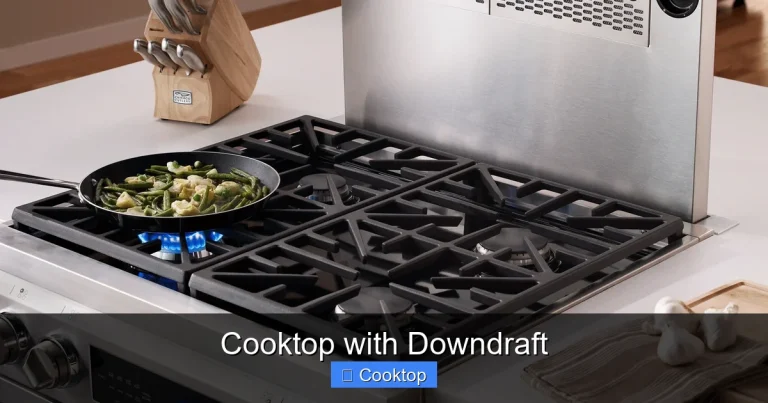
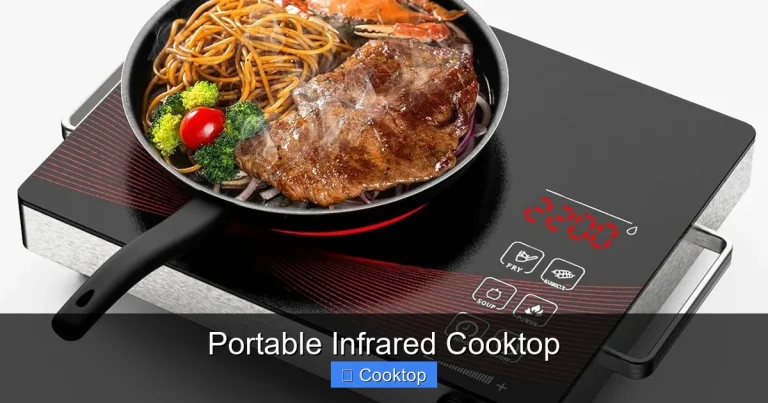
Ceramic Cooktop Stove
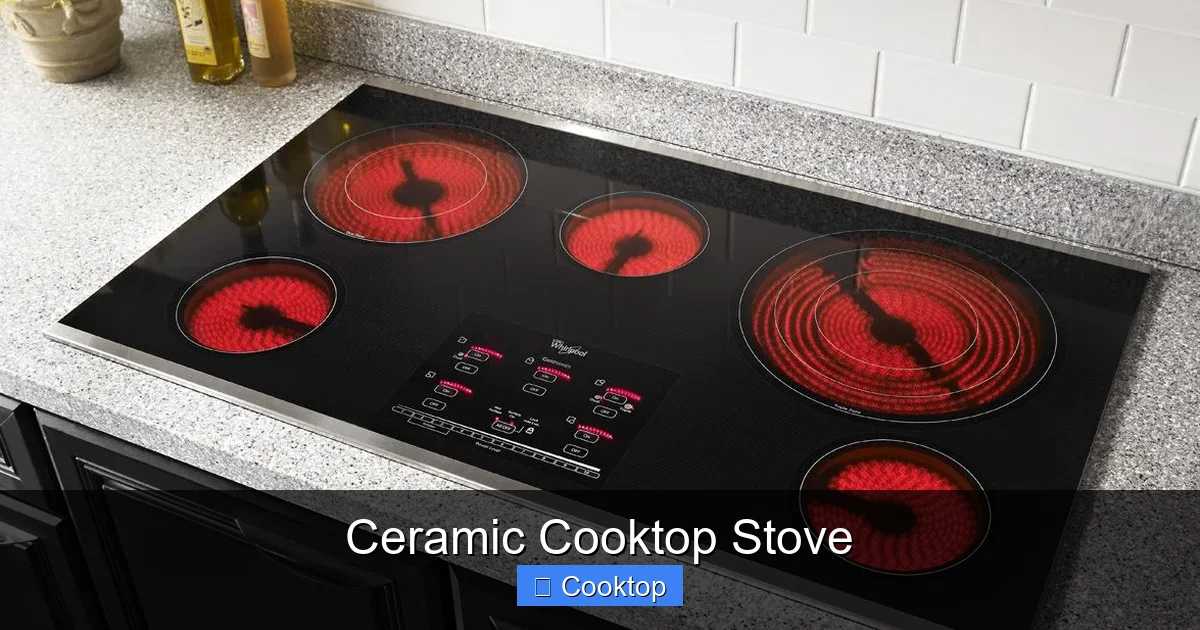
Ceramic cooktop stoves combine sleek aesthetics with rapid, even heating, making them a top choice for modern kitchens. Their smooth glass surface is easy to clean and offers precise temperature control, while built‑in safety features protect against overheating. Ideal for both everyday meals and gourmet creations, they deliver performance without compromising style.
Key Takeaways
-
Ceramic durability ensures long-term reliability.
Non-slip surface prevents accidents effectively.
Even heat distribution optimizes energy use.
Easy cleaning maintains hygiene.
Compatibility supports versatile cooking.
📑 Table of Contents
- Ceramic Cooktop Stove
- What Exactly Is a Ceramic Cooktop Stove?
- The Pros and Cons of Using a Ceramic Cooktop Stove
- Choosing the Right Cookware for Your Surface
- How to Maintain and Clean Your Ceramic Cooktop
- Comparing Ceramic Cooktops to Other Stove Types
- Practical Tips for First-Time Ceramic Stove Owners
- Final Thoughts on the Ceramic Cooktop Stove
Ceramic Cooktop Stove
Have you ever stood in your kitchen and felt like your old stove was just too much of a chore to clean? I remember spending my Sunday afternoons scrubbing burnt-on grease from those heavy iron grates, feeling like I was fighting a losing battle. Then, I made the switch to a ceramic cooktop stove, and it felt like a weight had been lifted. Suddenly, my kitchen looked sleeker, and the “cleaning dread” mostly vanished.
If you are thinking about upgrading your kitchen, you might be wondering if a ceramic cooktop is the right move for you. It is a beautiful piece of technology that blends style with function. But like any appliance, it has its quirks. From the way it heats up to the specific pans you need to use, there is a bit of a learning curve. In this guide, I want to share everything I have learned so you can decide if this is the right fit for your home.
Whether you are a pro chef or someone who mostly makes toast and pasta, understanding how a ceramic cooktop stove works can save you a lot of frustration. Let’s dive into the details, the pros, the cons, and the best ways to keep your cooktop looking brand new for years to come.
What Exactly Is a Ceramic Cooktop Stove?
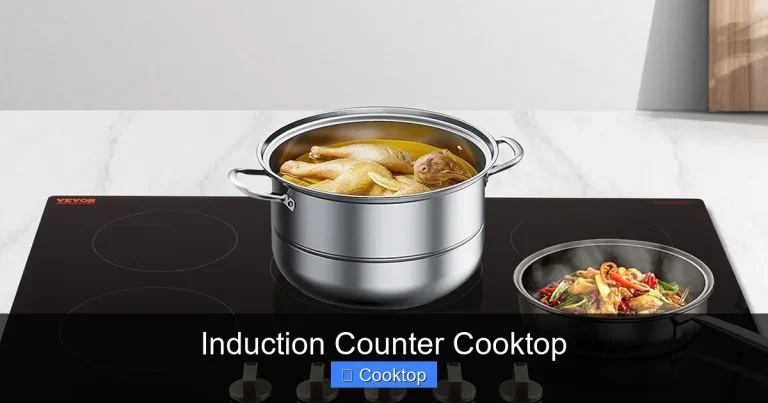
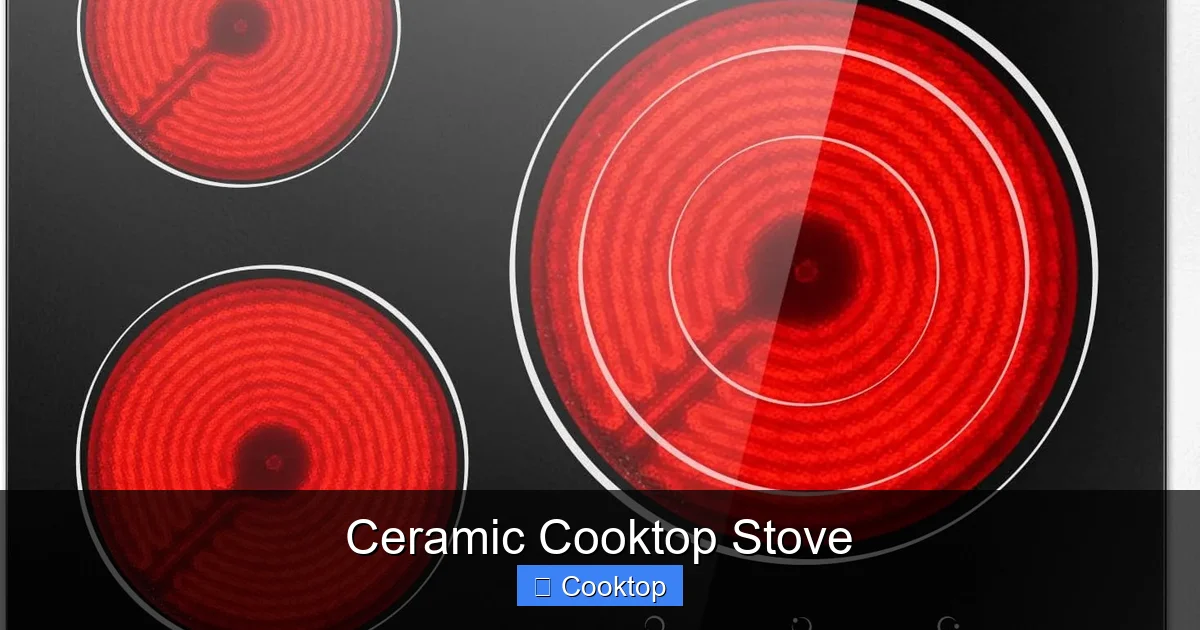
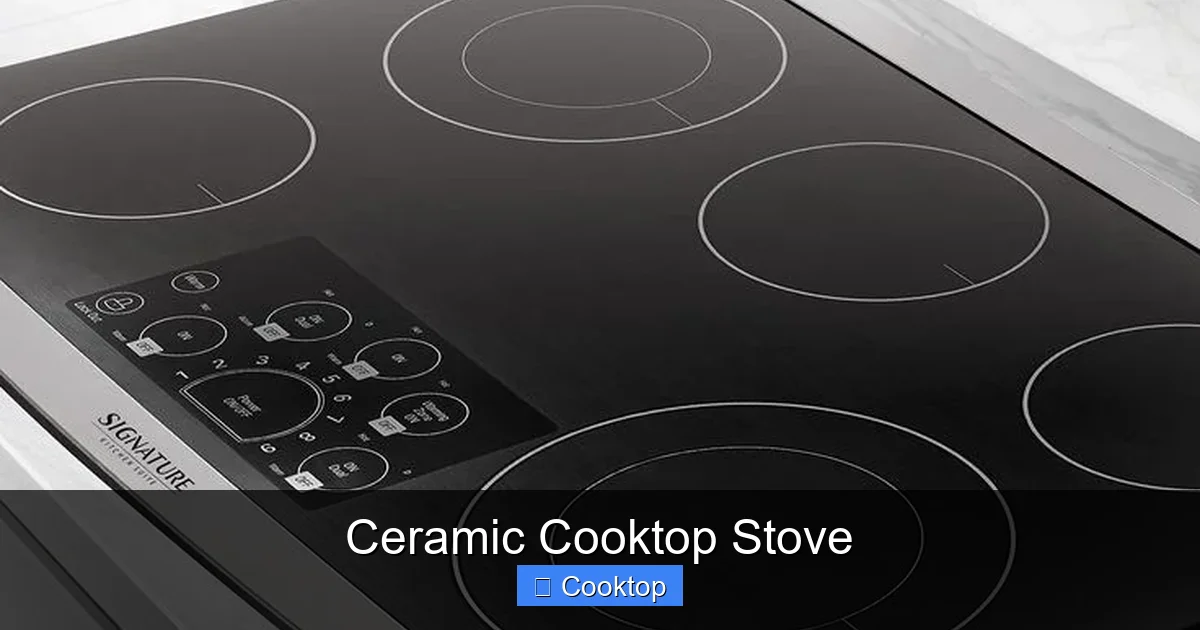
To put it simply, a ceramic cooktop stove is an electric stove with a smooth, flat glass-ceramic surface. Underneath that shiny glass, there are heating elements that warm up the surface. This heat then transfers to your pots and pans. It is designed to give you a seamless look that blends right into your countertop, making your kitchen feel more open and modern.
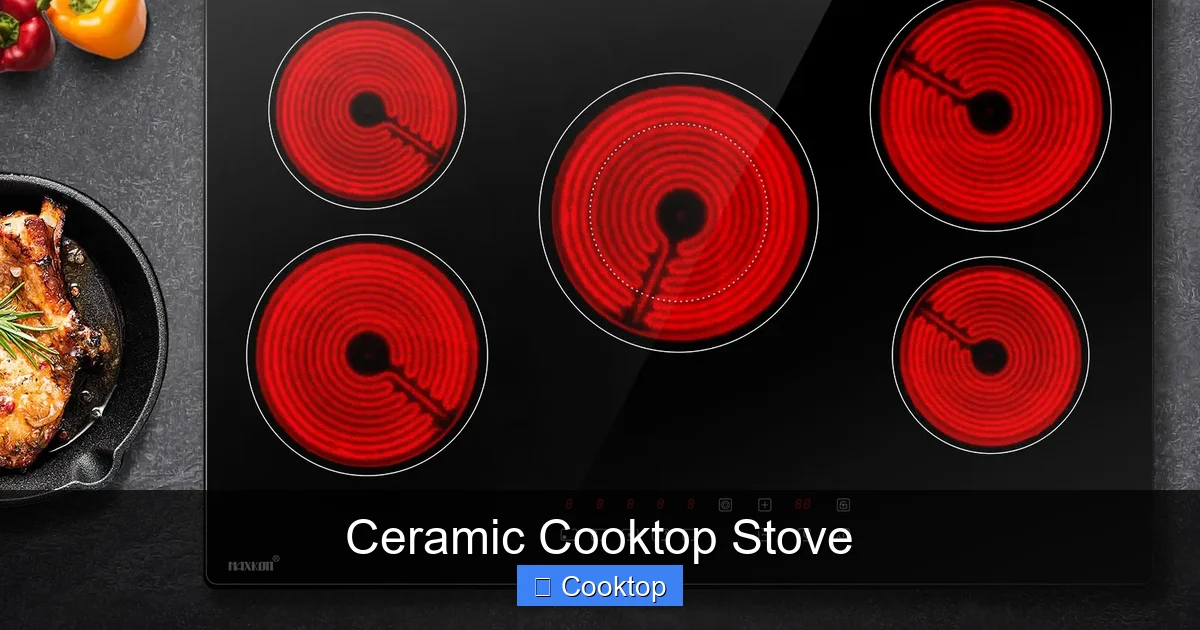
Visual guide about Ceramic Cooktop Stove
Image source: img.crazysales.com.au
Radiant vs. Induction Ceramic Tops
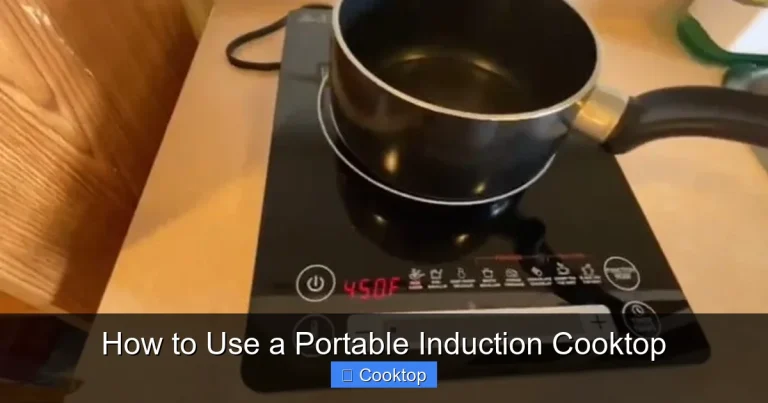
This is where things get a little confusing. When people say “ceramic cooktop,” they are usually talking about one of two things: radiant heat or induction. Radiant cooktops use electric coils to heat the glass surface itself. You will see those glowing red rings when they are on. Induction is different. It uses magnetic currents to heat the pan directly, meaning the glass stays cooler to the touch.
Radiant stoves are generally more affordable and work with almost any pot. Induction is faster and safer, but it requires specific magnetic cookware. Both have that beautiful ceramic glass look, but the way they cook is worlds apart. If you are looking for a middle ground, some people even look for a best hybrid gas stove with induction cooktop to get the best of both worlds.
The Material Magic
The “ceramic” part isn’t actually like a coffee mug. It is a specialized glass-ceramic material. This material is designed to withstand extreme heat without cracking. It is also very hard, though not invincible. It is meant to be durable, but it still requires a gentle touch compared to a rugged gas range.
The Pros and Cons of Using a Ceramic Cooktop Stove
No appliance is perfect. I love my ceramic cooktop stove, but I’ve had my share of “learning moments.” For instance, the first time I slid a heavy cast iron skillet across the surface, I heard a tiny scratch that made my heart sink. That is the trade-off: you get a stunning look, but you have to be a bit more mindful of how you handle your cookware.
Visual guide about Ceramic Cooktop Stove
Image source: m.media-amazon.com
The Big Wins (The Pros)
- Effortless Cleaning: This is the biggest selling point. Since there are no grates or burners to remove, you can usually wipe the whole thing down with a damp cloth.
- Modern Aesthetics: It makes any kitchen look instantly updated. The flat surface creates a clean, minimalist vibe that is very pleasing to the eye.
- Even Heating: Because the surface is flat, you get a more consistent contact point between the pan and the heat source, which helps prevent those annoying hot spots.
- Safety Features: Many models come with “hot surface” indicators. This is a lifesaver for parents or anyone who might forget if a burner is still hot after they turn it off.
The Trade-offs (The Cons)
- Scratch Sensitivity: As I mentioned, these surfaces can scratch. If you use rough-bottomed pans, you might see fine lines over time.
- Heat-up and Cool-down Time: Radiant ceramic stoves take a bit longer to reach temperature and a bit longer to cool down than gas stoves. You can’t just turn a knob and have the heat vanish instantly.
- Cookware Restrictions: While radiant tops are flexible, you still want pans with smooth bottoms to avoid damage. To get the best results, you should look for cookware for ceramic cooktop that is specifically designed for flat surfaces.
Choosing the Right Cookware for Your Surface
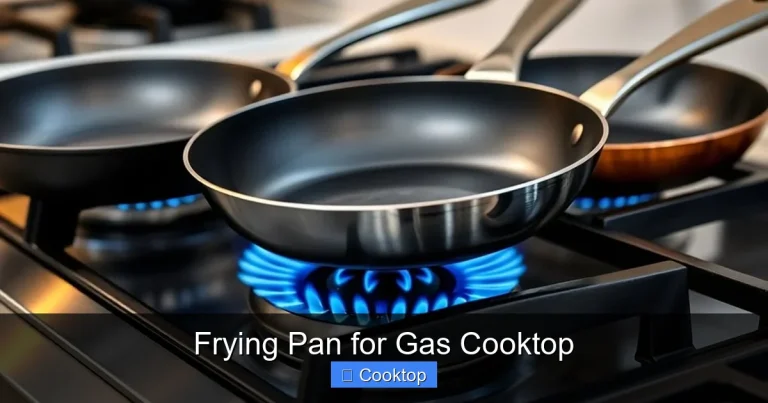
One of the most common mistakes people make is using their old, warped pans on a new ceramic cooktop stove. If a pan has a curved bottom, it won’t sit flush against the glass. This means the heat won’t transfer efficiently, and you’ll end up with unevenly cooked food.
Visual guide about Ceramic Cooktop Stove
Image source: i.pinimg.com
The Importance of Flat Bottoms
For a ceramic top, the “flatness” of your pan is everything. I recommend using pots and pans with heavy, flat bases. This ensures that the heat is distributed evenly across the food. If you use a pan with a rounded bottom, you are essentially wasting energy because the heat can’t reach the pan effectively.
If you are shopping for new gear, I suggest looking for 10 cookware for ceramic cooktop stoves with smooth bottoms to ensure you aren’t scratching your glass. Stainless steel and high-quality aluminum are usually great choices.
What to Avoid
Avoid using anything with a rough, sandpaper-like bottom. Some older cast iron pieces can be a bit abrasive. While you can use them, you have to be very careful not to slide them. Always lift the pan to move it rather than pushing it across the glass. Also, avoid using glass or thin plastic that might melt if it accidentally touches a hot zone.
How to Maintain and Clean Your Ceramic Cooktop
Keeping a ceramic cooktop stove looking shiny is satisfying, but it does take the right approach. If you use the wrong cleaner, you might leave streaks or, worse, scratch the surface. I used to use a generic scrubby sponge, but I quickly realized that was a mistake. You need tools that are non-abrasive.
Daily Maintenance
For daily spills, a soft microfiber cloth and a bit of mild soap are all you need. If you wipe it down after every meal, you prevent food from “baking” onto the glass. Once food burns onto the surface, it becomes much harder to remove.
Dealing with Tough Stains
When you have those stubborn, burnt-on rings, don’t panic. You don’t need to scrub until your arm hurts. Instead, use a specialized cleaning cream. A high-quality ceramic cooktop cleaning cream is designed to lift the grime without scratching the glass. You apply a small amount, rub gently with a soft cloth, and buff it to a shine.
Pro Tips for a Spotless Surface
- Avoid Steel Wool: Never use steel wool or scouring pads. They will leave permanent scratches that ruin the look of the stove.
- The Vinegar Trick: For light grease, a spray of white vinegar can cut through the film and leave a streak-free finish.
- Clean While Cool: Always wait for the surface to cool down completely before applying cleaning chemicals to avoid chemical fumes or thermal shock.
Comparing Ceramic Cooktops to Other Stove Types
If you are still on the fence, it helps to see how the ceramic cooktop stove stacks up against the other popular options. Depending on your cooking style, one might be clearly better than the others.
Ceramic vs. Gas
Gas is the gold standard for many chefs because of the instant heat control. However, gas stoves are a nightmare to clean. You have to scrub grates and wipe around burners. The ceramic top wins on aesthetics and cleaning, but gas wins on speed and precision. If you love the “flame” feel but want the ease of ceramic, you might consider a hybrid model.
Ceramic vs. Traditional Electric Coils
Traditional electric stoves with exposed coils are often the cheapest option, but they are outdated. They are harder to clean and often heat unevenly. A ceramic top is a massive upgrade in terms of both look and performance. It provides a more professional feel and a much easier cleanup process.
Quick Comparison Table
| Feature | Ceramic (Radiant) | Gas | Traditional Electric |
|---|---|---|---|
| Cleaning | Very Easy | Difficult | Moderate |
| Heat Control | Moderate | Excellent | Slow |
| Appearance | Sleek/Modern | Industrial | Basic |
| Cookware | Flat Bottoms | Almost Anything | Most Pots |
| Safety | High (Indicators) | Lower (Open Flame) | Moderate |
Practical Tips for First-Time Ceramic Stove Owners
If you just bought your first ceramic cooktop stove, there are a few things I wish someone had told me on day one. These small habits will keep your stove in great shape and make your cooking experience much smoother.
Manage Your Heat Settings
Ceramic tops can get incredibly hot. I learned the hard way that “High” isn’t always necessary. Because the glass holds heat, you can often cook on “Medium-High” and get the same results. This prevents food from burning onto the glass, which means less cleaning for you later.
The “Lift and Shift” Rule
This is the most important rule: never slide your pans. It is tempting to push a pot across the surface to move it to another burner, but this is how scratches happen. Get into the habit of lifting the pan completely off the surface. It takes an extra second, but it saves your stove from permanent damage.
Handling Spills Immediately
If you spill sugar or plastic, act fast. Sugar can actually “pit” or etch the glass if it melts and cools. If you spill something sugary, carefully scrape it off with a razor scraper (held at a 45-degree angle) while the stove is still slightly warm. This prevents the sugar from bonding to the glass.
Energy Efficiency Tips
To save on your electric bill, match the size of your pan to the size of the burner. If you use a small pan on a large burner, you are wasting energy that just heats the air around the pan. Using the correct size ensures that the heat goes exactly where it needs to go.
Final Thoughts on the Ceramic Cooktop Stove
Switching to a ceramic cooktop stove is one of those changes that feels small but makes a huge difference in your daily routine. The joy of being able to wipe your entire cooking surface clean in thirty seconds is something I don’t take for granted. While you have to be a bit more careful with your cookware and avoid sliding your pans, the trade-off is well worth it for the beauty and simplicity it brings to the kitchen.
Of course, it isn’t for everyone. If you are a professional who needs the precise, instant heat of a flame, gas is still king. But for the average home cook who wants a clean, modern, and efficient space, the ceramic top is a fantastic choice. It simplifies the “after-dinner” cleanup and makes your kitchen feel like a high-end space.
My best advice? Invest in a few pieces of high-quality, flat-bottomed cookware and a good cleaning cream. With those two things, your stove will stay sparkling, and your cooking will be consistent. It is a smart investment that balances style with practicality, making the heart of your home a little more peaceful and a lot more beautiful.
Frequently Asked Questions
What are the main advantages of a ceramic cooktop stove?
Ceramic cooktop stoves provide a sleek, flat surface that’s easy to clean and offers rapid, even heating. They also allow for precise temperature control and are compatible with a wide range of cookware.
How do I properly clean a ceramic cooktop stove?
Wait until the surface cools, then wipe it with a soft, non‑abrasive cloth and a ceramic‑cooktop cleaner or a mixture of water and mild dish soap. Avoid steel wool or harsh scouring pads, as they can scratch the glass.
Can I use any type of pot or pan on a ceramic cooktop stove?
While most cookware works, it’s best to stick with flat‑bottomed pots and pans made of stainless steel, cast iron, or aluminum. Avoid warped or warped-bottomed cookware, as it can cause uneven heating and damage the surface.
Is a ceramic cooktop stove energy‑efficient compared to gas?
Yes, ceramic cooktops convert a higher percentage of electricity into heat, often achieving 70‑80% efficiency, whereas gas burners lose more heat to the surrounding air. This can lead to lower energy bills when used responsibly.
What safety features should I look for in a ceramic cooktop stove?
Key safety features include residual‑heat indicators, automatic shut‑off, child‑lock controls, and spill‑over protection that turns off the element if a pot boils over. These help prevent burns and fire hazards.
How long does a typical ceramic cooktop stove last?
With regular care, a ceramic cooktop can last 10‑15 years or more. Longevity depends on proper cleaning, avoiding heavy impacts, and using compatible cookware to prevent scratches or cracks.