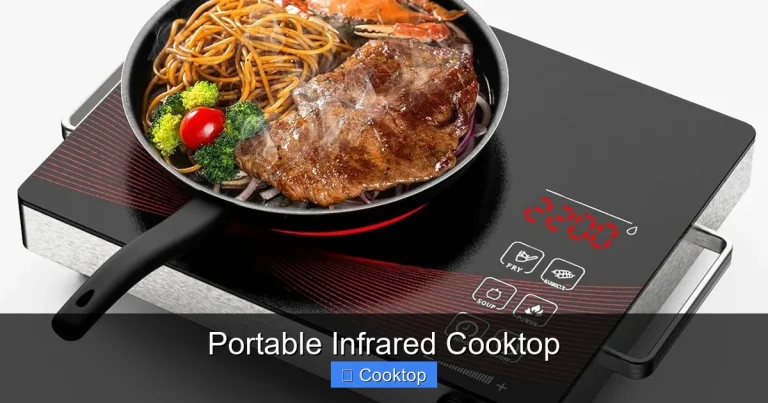
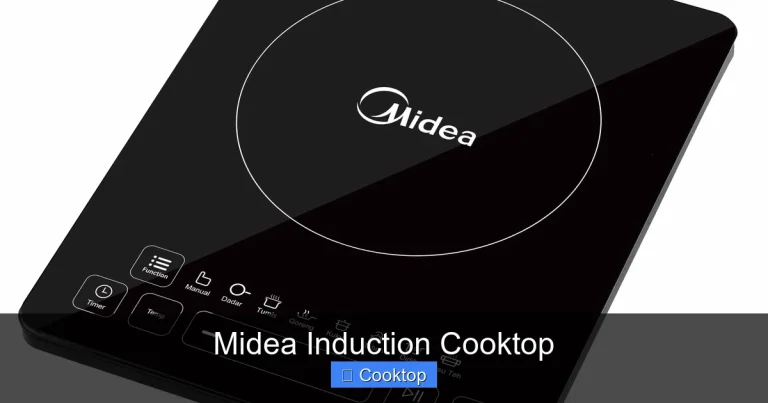
Rv Induction Cooktop
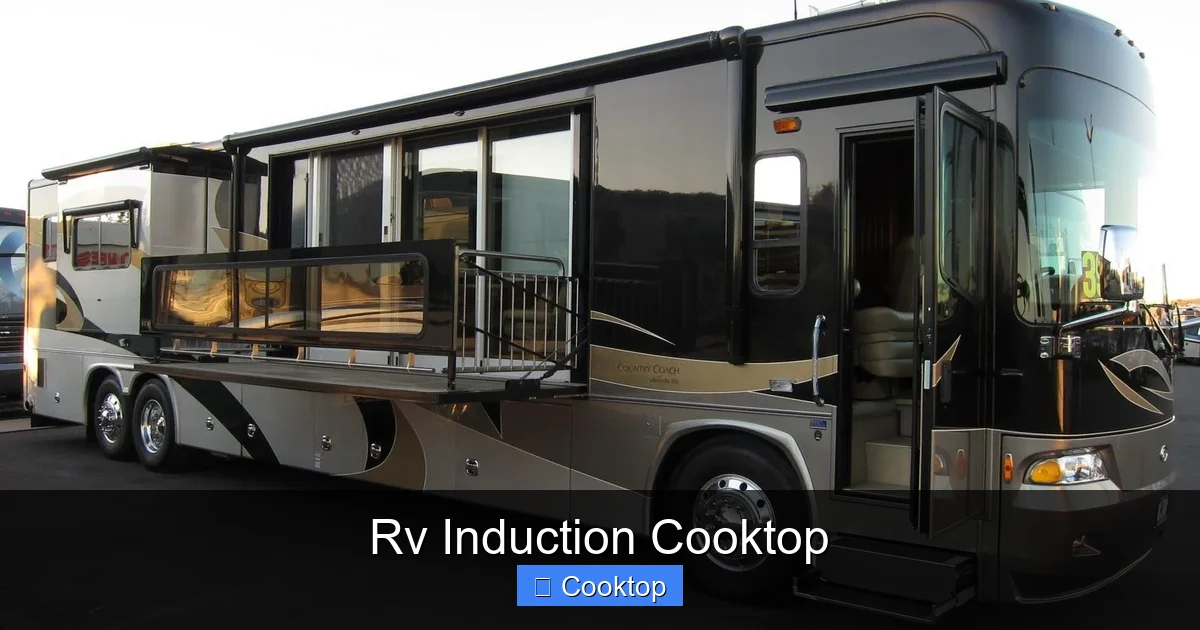
Rv Induction Cooktops offer efficient, safe cooking solutions for travelers who want modern conveniences in their mobile kitchens. These compact, energy-saving appliances use electromagnetic technology to heat cookware directly, reducing fire risks and conserving power. When choosing an Rv Induction Cooktop, consider compatibility, power requirements, and portability to ensure the best fit for your RV lifestyle.
Imagine whipping up a gourmet meal in your RV kitchen without worrying about gas leaks or open flames. Sounds great, right? That’s exactly what an Rv Induction Cooktop brings to the table. These innovative appliances have revolutionized mobile cooking, offering a blend of efficiency, safety, and performance that traditional RV stoves simply can’t match. Whether you’re a full-time RVer or a weekend adventurer, upgrading to an induction cooktop can transform your culinary experience on the road.
But what makes these cooktops so special? Unlike conventional electric or gas burners, induction technology uses electromagnetic fields to heat your cookware directly. This means faster cooking times, precise temperature control, and minimal energy waste. For RV owners who rely on limited electrical systems or propane tanks, this efficiency translates to real savings and peace of mind. Let’s dive into everything you need to know about Rv Induction Cooktops and why they’re becoming a must-have for modern travelers.
Key Takeaways
- Energy Efficiency: Rv Induction Cooktops use up to 90% less energy than traditional gas or electric models, making them ideal for RV power systems.
- Safety First: These cooktops eliminate open flames and stay cool to the touch, reducing fire hazards and burn risks in small RV spaces.
- Cookware Compatibility: Only magnetic-based cookware (cast iron, stainless steel) works with induction technology, requiring some kitchen adjustments.
- Power Requirements: Most Rv Induction Cooktops operate on 12V or 120V systems, so check your RV’s electrical setup before purchasing.
- Portability Benefits: Lightweight designs and compact sizes make these cooktops perfect for limited RV counter space and easy storage.
- Durability & Maintenance: Smooth ceramic glass surfaces are easy to clean and resist scratches better than traditional coil burners.
- Versatile Cooking: Precise temperature controls allow for everything from gentle simmering to rapid boiling, enhancing meal prep flexibility.
📑 Table of Contents
Why Choose an Rv Induction Cooktop?
The benefits of induction cooking extend far beyond your typical kitchen setup. In an RV environment, where space and resources are precious, these cooktops shine. Here’s why more and more RV enthusiasts are making the switch:
Energy Efficiency That Saves Power
Rv Induction Cooktops convert up to 90% of their energy into heat, compared to just 40% for gas burners. This means you’ll use significantly less power to achieve the same cooking results. If you’re boondocking or relying on solar power, this efficiency can extend your off-grid adventures by days. The direct heating method also means less ambient heat in your RV, keeping your living space cooler during hot summer months.
Enhanced Safety Features
Safety is paramount in small RV spaces, and induction cooktops deliver. With no open flames or hot coils, the risk of accidental fires drops dramatically. The cooktop surface stays relatively cool, reducing burn hazards for curious children or pets. Many models also include automatic shut-off timers and child safety locks, adding extra layers of protection to your mobile kitchen.
Precise Temperature Control
Gone are the days of guessing whether your burner is at the right temperature. Rv Induction Cooktops offer digital controls with exact temperature settings. Want to melt chocolate at 115°F? Or bring water to a rolling boil in seconds? Induction technology responds quickly and accurately, making it easier to master complex recipes even in the confined space of an RV kitchen.
Understanding Power Requirements for RV Use
Before investing in an Rv Induction Cooktop, it’s crucial to understand your RV’s electrical capabilities. Most induction cooktops require substantial power to operate effectively, which can impact your choice depending on your setup.
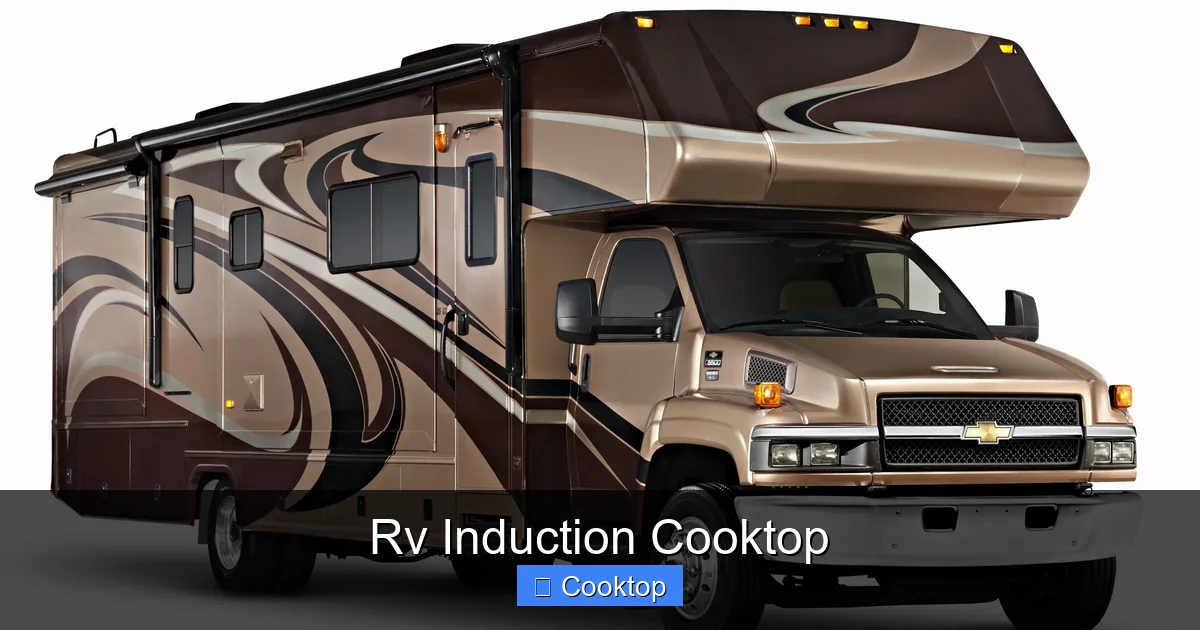
Visual guide about Rv Induction Cooktop
Image source: cdn.wallpapersafari.com
12V vs 120V Systems
Many RVs come equipped with both 12V DC and 120V AC electrical systems. Standard induction cooktops typically run on 120V, drawing anywhere from 1,000 to 1,800 watts. However, specialized 12V induction cooktops are available for RVs with limited AC power. These lower-wattage models sacrifice some heating speed but maintain the core benefits of induction cooking while working with your RV’s native power system.
Generator and Inverter Considerations
If you plan to use high-wattage induction cooktops, you’ll need a robust power source. A pure sine wave inverter rated for at least 2,000 watts is recommended for most models. Alternatively, a portable generator can provide the necessary power when shore electricity isn’t available. Always calculate your total power needs to avoid overloading your system during meal prep.
Cookware Compatibility and Kitchen Essentials
One of the most common concerns about induction cooking is cookware compatibility. Not all pots and pans work with this technology, but the solution is straightforward once you know what to look for.
Visual guide about Rv Induction Cooktop
Image source: i.pinimg.com
Magnetic Cookware Requirements
For an Rv Induction Cooktop to work, your cookware must have a magnetic base. Perform the magnet test: if a refrigerator magnet sticks firmly to the bottom of your pot, it’s induction-compatible. Cast iron, enameled cast iron, and many stainless steel pieces pass this test. Aluminum, copper, and glass cookware won’t work unless they have magnetic bases added.
Consider investing in a dedicated set of induction-ready cookware for your RV. Many brands offer compact, nesting sets designed specifically for small kitchens. These often include essential pieces like saucepans, skillets, and stockpots in sizes suitable for two to four people.
Essential Accessories
Beyond compatible cookware, several accessories enhance your induction cooking experience. Heat-resistant gloves protect hands when handling hot cookware. Spatter guards prevent messes on your cooktop surface. A protective cover shields the glass surface during travel. Some RVers also appreciate having a small fan nearby to help dissipate heat during intensive cooking sessions.
Installation and Setup Tips
Installing an Rv Induction Cooktop requires careful planning to maximize functionality and safety. Here’s how to approach the process:
Visual guide about Rv Induction Cooktop
Image source: aroundjapan-rv.com
Counter Space and Ventilation
Measure your available counter space carefully. Even compact models need adequate room for cookware and safe operation. Ensure your RV has proper ventilation near the cooking area, as induction cooktops still produce cooking fumes and steam. A range hood or roof vent helps maintain air quality in your living space.
Professional vs DIY Installation
While some tech-savvy RVers tackle installation themselves, professional help ensures safety and optimal performance. Electricians familiar with RV systems can verify your power capacity and make necessary upgrades. They’ll also ensure proper grounding and secure mounting, preventing accidents during travel.
Maintenance Best Practices
Rv Induction Cooktops require minimal maintenance compared to gas ranges. Clean the glass surface after each use with a soft cloth and mild cleaner. Avoid abrasive scrubbers that can scratch the surface. Check the power cord regularly for wear, and store the cooktop properly when not in use to prevent damage during transit.
Popular Models and Buying Guide
With numerous options available, choosing the right Rv Induction Cooktop can feel overwhelming. Here’s what to consider when shopping:
Compact vs Full-Size Models
For most RV applications, small induction cooktops provide the best balance of functionality and space efficiency. Single-burner models are perfect for solo travelers or minimalist cooks. Two-burner units accommodate small families without overwhelming your kitchen layout. Consider your typical cooking needs and available space when selecting size.
Brand Reliability and Features
Look for established brands known for quality and customer support. Features like digital timers, automatic pan detection, and multiple power settings enhance usability. Read reviews from fellow RVers to learn about real-world performance and durability. Some models offer unique features like outdoor cooking capabilities or integrated ventilation systems.
Budget Considerations
Rv Induction Cooktops range from affordable basic models to premium units with advanced features. Set your budget realistically, considering both initial cost and long-term energy savings. While higher-end models offer more features, entry-level options still provide the core benefits of induction cooking. Factor in any necessary electrical upgrades when calculating total costs.
Maximizing Your RV Induction Cooking Experience
Once installed, your Rv Induction Cooktop opens up new culinary possibilities. Here’s how to get the most from this investment:
Quick Meal Prep Strategies
Take advantage of induction’s rapid heating for efficient meal prep. Preheat pans quickly for searing meats, then reduce heat instantly for delicate sauces. Use residual heat effectively – remove pans from the burner a minute early to finish cooking without burning food. This precision is especially valuable in small RV kitchens where timing matters.
Energy Conservation Tips
Optimize your power usage by cooking during peak solar hours or when connected to shore power. Batch cook meals to minimize active cooking time. Use lids on pots to reduce cooking time and energy consumption. Consider a 12V model if you frequently cook while boondocking to preserve battery power.
Remember that induction cooktops work best with flat-bottomed cookware. Uneven pans may not heat properly or could scratch the glass surface. Invest in quality, flat-bottomed pieces that distribute heat evenly and protect your cooktop investment.
Your Rv Induction Cooktop represents more than just a cooking appliance – it’s a gateway to better meals and greater convenience on the road. With proper preparation and the right model, you’ll wonder how you ever managed without it.
Conclusion
An Rv Induction Cooktop isn’t just a luxury upgrade – it’s a practical investment in your mobile lifestyle. From energy savings to enhanced safety, these appliances address real challenges faced by RV owners. By understanding your power needs, choosing compatible cookware, and selecting the right model for your space, you can enjoy restaurant-quality cooking wherever your travels take you. The transition to induction cooking might require some adjustment, but the benefits make it well worth the effort. Start exploring your options today and discover how this technology can elevate your RV kitchen experience.
Frequently Asked Questions
What are the main advantages of an Rv Induction Cooktop?
Rv Induction Cooktops offer superior energy efficiency, enhanced safety without open flames, precise temperature control, and easy cleanup. They heat cookware directly using electromagnetic technology, reducing energy waste and cooking times while maintaining cooler ambient temperatures in your RV.
Can I use my existing cookware with an induction cooktop?
Only magnetic-based cookware works with induction technology. Test your pots and pans with a magnet – if it sticks, they’re compatible. Cast iron, enameled cast iron, and many stainless steel pieces work well. Consider investing in dedicated induction-ready cookware for optimal performance in your RV kitchen.
How much power does an Rv Induction Cooktop require?
Most standard models need 120V power and draw 1,000-1,800 watts. However, specialized 12V models exist for RVs with limited AC power. Check your RV’s electrical capacity and consider upgrading your inverter or generator if needed for high-wattage units.
Are Rv Induction Cooktops safe for RV travel?
Yes, these cooktops are designed for mobile use. They eliminate open flames and stay cooler than traditional burners. Look for models with secure mounting systems and automatic shut-off features. Always ensure proper installation and follow manufacturer guidelines for safe operation during travel.
What size Rv Induction Cooktop should I choose?
Consider your typical cooking needs and available counter space. Single-burner models suit solo travelers, while two-burner units work for small families. Compact designs maximize space efficiency without sacrificing functionality. Measure carefully and plan for cookware storage when selecting size.
How do I clean and maintain my induction cooktop?
Clean the glass surface after each use with a soft cloth and mild cleaner. Avoid abrasive materials that can scratch the surface. Wipe up spills immediately to prevent staining. Check power cords regularly for wear and store the unit properly during travel to prevent damage. Professional maintenance annually keeps your cooktop performing optimally.