How to Roast Coffee Beans in Oven
Roasting coffee beans in the oven is a simple and cost-effective way to achieve fresh, aromatic coffee at home. With the right temperature, technique, and patience, you can transform raw green beans into rich, customizable roasts without special equipment.
Key Takeaways
- Choose high-quality green beans: Start with fresh, unroasted beans from a reputable supplier for the best flavor.
- Preheat your oven: A temperature between 350°F–450°F (175°C–230°C) ensures even roasting.
- Shake the pan regularly: Stirring prevents burning and promotes uniform roasting.
- Cool beans immediately: Spread them on a baking sheet to stop the roasting process.
- Store properly: Keep roasted beans in an airtight container to preserve freshness.
- Experiment with roast levels: Light, medium, or dark roasts offer distinct flavor profiles.
- Grind just before brewing: This maximizes aroma and flavor extraction.
📑 Table of Contents
Introduction
There’s something magical about the aroma of freshly roasted coffee beans. If you’ve ever wondered how to recreate that rich, bold flavor at home, roasting your own coffee beans is the answer. Whether you’re a coffee enthusiast or just looking to save money on overpriced bags from your local café, this guide will walk you through the process of roasting coffee beans in your oven.
Unlike commercial roasters, which use specialized equipment, oven roasting is surprisingly accessible. With a few simple steps and some patience, you can unlock the full potential of green coffee beans right in your kitchen. Plus, you’ll have the freedom to experiment with different roast levels—light, medium, or dark—to suit your taste preferences.
Selecting the Right Coffee Beans
Visual guide about How to Roast Coffee Beans in Oven
Image source: bushybeardcoffee.com
Why Green Beans?
The first step is to source green coffee beans, which are unroasted and available from online retailers, specialty stores, or local roasters. These beans are typically sold in small quantities (like 1/4 to 1/2 pound) and are the starting point for all coffee roasting.
Choosing Quality Beans
Not all green beans are created equal. Look for beans that are fresh, aromatic, and free from mold or cracks. Arabica beans are generally preferred over Robusta for their smoother, more nuanced flavors. Popular varieties include Ethiopian Yirgacheffe, Colombian Supremo, or Guatemalan Antigua.
Storage Tips
Store your green beans in a cool, dry place, away from sunlight and moisture. Avoid refrigerating them, as condensation can dampen the beans and affect their quality.
Equipment You’ll Need
Visual guide about How to Roast Coffee Beans in Oven
Image source: i.pinimg.com
Basic Tools
You don’t need fancy equipment to roast coffee beans in your oven. Here’s what you’ll need:
- A sturdy baking sheet or roasting pan (preferably with low sides for easy stirring)
- Oven mitts for safe handling
- A cooling rack or another baking sheet for spreading out the roasted beans
- A timer or stopwatch
- A grinder (burr grinders are ideal for post-roasting)
Optional Gadgets
If you’re serious about roasting, consider investing in a popcorn popper or a dedicated coffee roaster. However, these are not necessary for basic oven roasting.
Step-by-Step Roasting Process
Visual guide about How to Roast Coffee Beans in Oven
Image source: blog.jporganiccoffee.com
Step 1: Preheat Your Oven
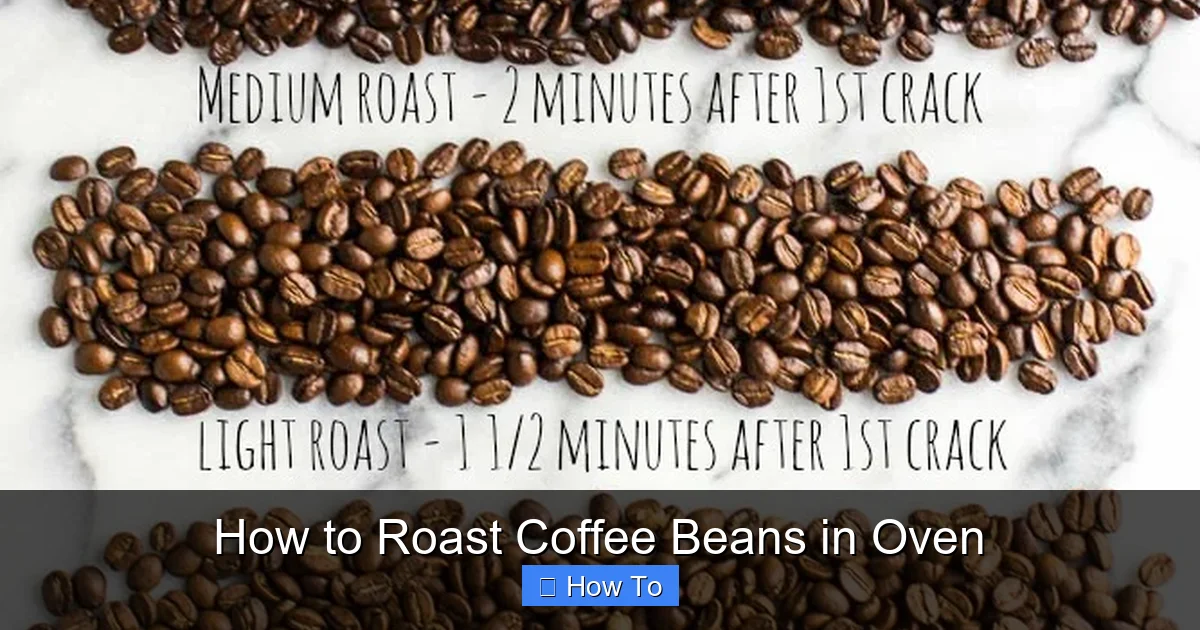
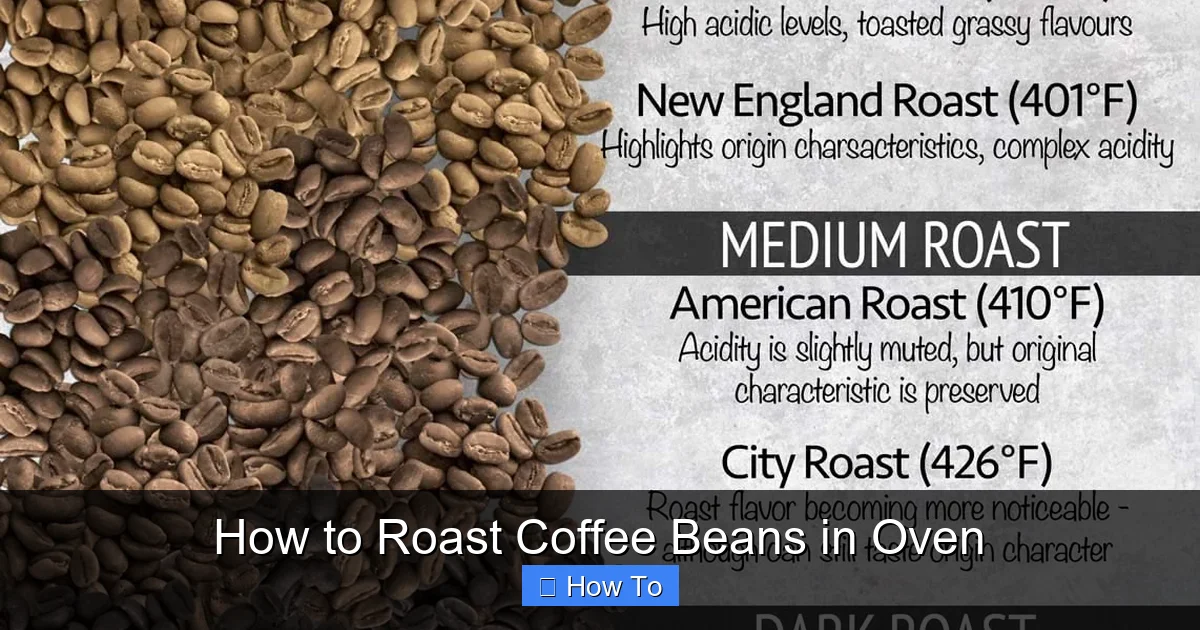
Preheat your oven to 350°F–450°F (175°C–230°C). The exact temperature depends on your desired roast level:
- Light roast: 400°F–450°F (200°C–230°C) for 10–15 minutes
- Medium roast: 350°F–400°F (175°C–200°C) for 12–18 minutes
- Dark roast: 300°F–350°F (150°C–175°C) for 15–20 minutes
Step 2: Prepare the Beans
Spread the green coffee beans evenly across the baking sheet. Avoid overcrowding them, as this can lead to uneven roasting.
Step 3: Roast and Stir
Place the pan in the oven and roast for the desired time. Shake or stir the beans every 2–3 minutes to ensure even heat distribution. This step is crucial to prevent burning and achieve a consistent roast.
Step 4: Monitor the Aroma
As the beans roast, you’ll notice a shift in aroma—from grassy and earthy to rich and nutty. Listen for the first “pop” (similar to popcorn), which signals the beginning of the roasting process.
Step 5: Cool the Beans
Once the beans reach your desired roast level, remove them from the oven and immediately spread them on a cooling rack or a second baking sheet. Cooling stops the roasting process and prevents overcooking.
Troubleshooting Common Issues
Burning the Beans
If your beans are burning, reduce the oven temperature by 25°F–50°F (15°C–30°C) and increase the stirring frequency.
Uneven Roasting
Ensure the beans are spread in a single layer and stirred thoroughly. Using a convection setting (if your oven has one) can also help.
Under-Roasted Beans
If the beans taste grassy or lack depth, extend the roasting time by 1–2 minutes.
Grinding and Brewing
Grind Just Before Brewing
Grind your roasted beans using a burr grinder for consistent particle size. The grind setting should match your brewing method:
- Coarse grind: French press or cold brew
- Medium grind: Drip coffee makers
- Fine grind: Espresso or moka pots
Storing Roasted Beans
Store your roasted coffee in an airtight container, away from light, heat, and moisture. Use within 1–2 weeks for optimal flavor.
Experimenting with Roast Levels
Light Roasts
Light roasts preserve the origin flavors of the beans, such as floral, fruity, or bright acidity. They’re ideal for pour-over or Chemex brewing methods.
Medium Roasts
Medium roasts offer a balanced blend of acidity, sweetness, and body. These are versatile and work well with most brewing methods.
Dark Roasts
Dark roasts have a bold, smoky flavor with reduced acidity. They’re perfect for espresso or French press.
Final Tips for Success
Practice Makes Perfect
Roasting coffee is both art and science. Don’t be discouraged if your first batch isn’t perfect—experiment with time, temperature, and stirring techniques.
Track Your Roasts
Keep notes on each roast, including the beans used, temperature, time, and tasting results. This helps you refine your process over time.
Be Patient
Roasting takes practice. The more you do it, the better you’ll become at recognizing the visual and auditory cues of a perfect roast.
Conclusion
Roasting coffee beans in your oven is a rewarding and affordable way to enjoy fresh, flavorful coffee at home. With the right beans, temperature control, and attention to detail, you can create café-quality roasts tailored to your taste. Whether you’re a seasoned coffee lover or just starting out, this method offers a delicious journey into the world of coffee.
Frequently Asked Questions
What temperature should I use to roast coffee beans in the oven?
The ideal temperature ranges from 350°F to 450°F (175°C to 230°C), depending on your desired roast level. Light roasts require higher temperatures, while dark roasts need lower heat and longer times.
How long does it take to roast coffee beans in the oven?
Roasting time varies from 10 to 20 minutes, depending on the roast level and oven temperature. Light roasts take the least time, while dark roasts require the longest.
Can I use pre-ground coffee beans for roasting?
No, pre-ground coffee is unsuitable for roasting. Only use whole green (unroasted) coffee beans for best results.
How do I know when my coffee beans are done roasting?
Listen for the first “pop” and watch for a color change from green to golden or darker brown. The aroma will shift from earthy to nutty and rich.
What’s the difference between light and dark roasts?
Light roasts retain more of the beans’ original flavor profiles (e.g., fruity or floral), while dark roasts have a stronger, smokier taste with less acidity.
Can I store roasted coffee beans at room temperature?
Yes, but store them in an airtight container away from light, heat, and moisture. Avoid refrigerating or freezing roasted beans, as this can introduce moisture and degrade flavor.
=== INTERNAL LINKS ===
For more roasting inspiration, check out our guides on roasting garbanzo beans or roasting red peppers. If you’re curious about other kitchen roasting techniques, explore our oven-roasted new potatoes method!