How to Bake Using Oven Toaster
Discover the joy of baking with an oven toaster. This guide walks you through everything from prepping ingredients to cleaning up, so you can enjoy fresh, hot treats without a full‑size oven. Whether you’re a beginner or a seasoned baker, you’ll find simple steps and helpful tips that make oven toaster baking easy and fun.
Key Takeaways
- Know Your Oven Toaster: Learn the controls, capacities, and special features of your appliance.
- Prep Smart: Use room‑temperature ingredients and the right pans for consistent results.
- Preheat Correctly: A proper preheat time ensures even baking and golden tops.
- Adjust Recipes: Reduce temperature or time by 10‑15 % when baking in a compact oven toaster.
- Watch Closely: Use the window or light to monitor doneness and avoid over‑baking.
- Clean After Each Use: Quick cleanup keeps the heating elements clean and extends life.
- Save Energy: Baking in batches and using the right rack reduces power use.
📑 Table of Contents
Understanding Your Oven Toaster
When you think about baking, the image of a large kitchen oven often comes first. Yet, an oven toaster can be a fantastic alternative for many recipes. It’s smaller, uses less energy, and can fit on most countertops. Knowing how your appliance works is the first step to successful baking.
Most oven toasters have a heating element on the top and bottom, plus a fan in some models. They usually offer temperature settings from 150 °F to 450 °F. Some even have a “bake” function, a “broil” function, or an “air fry” mode. Check the manual to see if yours has a convection fan, which helps circulate heat and gives a more even bake.
Capacity is another key factor. A typical oven toaster holds a 9‑inch cake pan, two slices of bread, or a small baking sheet. If you need to bake a larger item, you may need to rotate the pan halfway through or use the lower rack. Understanding these basics lets you plan your recipes with confidence.
Common Features to Explore
Modern oven toasters often include digital displays, preset cooking programs, and even Wi‑Fi connectivity. Look for a timer, a “keep warm” button, and a latch that secures the door tightly. Some models have a “bake” mode that maintains a steady temperature, while others require you to set temperature and time manually.
If your oven toaster has a convection fan, you can enjoy quicker baking and a crispier crust. This is especially useful for cookies, small cakes, and breads. The fan also reduces hot spots, so you won’t have to rotate pans as often.
Preparing Your Ingredients and Tools
Successful baking starts before the oven even heats up. Gather all ingredients and tools, then bring them to room temperature. Cold butter or eggs can create uneven mixtures, leading to a tough texture. Let ingredients sit out for about 30 minutes, or soften butter quickly by placing it in a warm spot for a few minutes.
Choose the right pans. Metal pans conduct heat well, while glass or ceramic may heat more slowly. For oven toaster baking, lightweight aluminum pans are often the best choice. They fit the smaller cavity and allow heat to penetrate quickly. If you’re baking cookies, a parchment‑lined cookie sheet works wonders.
Measure ingredients precisely. Baking is a science, and small deviations can affect the final product. Use measuring cups for liquids and a scale for dry ingredients if possible. This precision becomes even more important in a smaller oven where heat distribution can be uneven.
Setting Up Your Workspace
Clear a stable surface around your oven toaster. You’ll need a timer, a thermometer (optional), and a cooling rack. Place the rack on the lower or middle position, depending on the recipe. If you’re baking multiple items, use the middle rack to allow air flow from both top and bottom elements.
Keep a bowl of cold water nearby for emergencies. If the oven toaster runs too hot, a quick dip of a pan in cold water can stop over‑baking. Also, have a silicone spatula ready to gently lift delicate items like cupcakes or pastries without breaking them.
Setting Up the Oven Toaster for Baking
Preheating is crucial. Most recipes call for the oven toaster to reach the target temperature before the batter goes inside. Set the temperature a few minutes early, and let it stabilize. If your model has a preheat indicator, use it to confirm the heat is consistent.
Load the oven carefully. Place the pan on the rack, making sure it sits flat. Avoid crowding the interior; leave at least one inch of space around the walls. This helps hot air circulate and prevents uneven cooking.
Use the door latch to close the oven tightly. A secure door keeps heat inside and protects you from accidental burns. Some ovens have a child lock feature—enable it if you have little helpers nearby.
Tips for Even Heat Distribution
Rotate pans halfway through baking. Even in an oven toaster, heat can vary from top to bottom. Turn the pan 180 degrees and switch its position on the rack. This simple step evens out browning and ensures a uniform texture.
If your oven toaster has a convection fan, you may not need to rotate as often. The fan creates consistent air flow, reducing hot spots. Still, a quick check after the first half of the bake time is wise.
Consider using an oven thermometer. Place it on the center rack and check the actual temperature. Some ovens run 10‑15 °F hotter or cooler than the setting. Adjust future recipes accordingly, and you’ll get more predictable results.
Baking Basics: Temperature and Timing
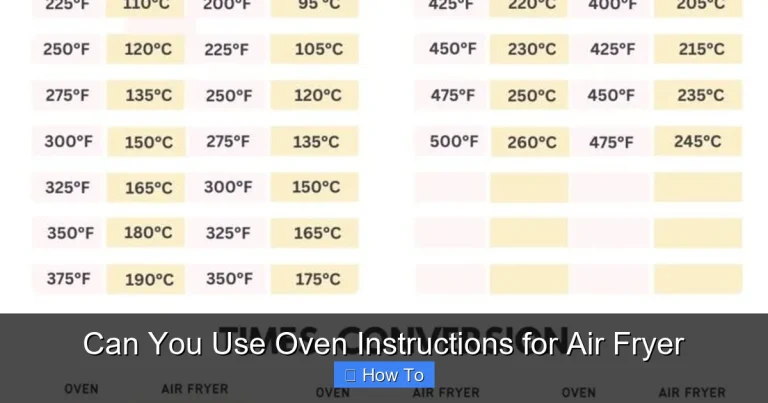
Temperature and timing are the heart of any baking guide. In an oven toaster, you often need to lower the temperature compared to a full‑size oven. For example, a cake that bakes at 350 °F in a conventional oven may need only 325 °F in an oven toaster. Reduce the time by about 10‑15 % as well.
Follow the recipe’s timing, but keep an eye on the edges. The top should be golden, and the center should spring back when touched. If the edges brown too quickly, lower the temperature a few degrees and extend the bake time slightly.
Use the window to peek inside without opening the door. Opening the door drops the temperature dramatically, which can cause the batter to collapse. Instead, rotate the pan and check visual cues through the glass.
Adjusting Recipes for Your Appliance
When you adapt a recipe for an oven toaster, think about the heat source. The top element often dominates, so thin items like cookies may brown fast on the top. Adding a lower rack or flipping the pan can balance this.
For breads, consider using a Dutch oven or a covered pot if your oven toaster has a broil function. The trapped steam helps develop a nice crust. If you don’t have a Dutch oven, place a small pan of water on the lower rack to add moisture.
Some bakers find success by using the “bake” mode instead of manually setting temperature and time. This preset often balances top and bottom heat, giving a more even bake for delicate items like cupcakes or muffins.
Common Baking Problems and Solutions
Even experienced bakers encounter issues. Knowing how to troubleshoot keeps you from throwing out a batch. Below are common problems and easy fixes.
Over‑Browning on the Top
If the top burns while the bottom stays pale, the top heating element is too strong. Reduce the temperature by 25 °F and extend the bake time. You can also move the pan to the middle rack, which is slightly farther from the top element.
Another trick is to cover the top with aluminum foil after the first few minutes. This shields the surface while allowing the interior to finish cooking. Remove the foil for the final few minutes to let the top brown a bit.
Undercooked Center
When the edges look done but the center remains raw, the oven may not have reached the right temperature. Use an oven thermometer to verify. If the temperature is low, increase it by 10‑15 °F and bake longer. You can also rotate the pan and switch racks to expose the center to more heat.
Cracked Cakes or Cookies
Rapid temperature changes can cause cracks. Let the batter come to room temperature before baking. Also, avoid opening the oven door during the first half of baking, as the sudden cool can shock the batter.
If you notice cracks forming early, reduce the oven temperature by 25 °F and bake more slowly. This gives the structure time to set before expanding.
Sticky or Wet Batter
Too much moisture can make baked goods dense. If your batter feels overly wet, add a tablespoon of flour or cornstarch. For cookies, chill the dough for 30 minutes before baking; this firms up the texture.
Also, check that your ingredients are measured correctly. Sometimes a small measurement error leads to a sticky mixture. Adjusting the liquid content can solve the problem quickly.
Cleaning and Maintaining Your Oven Toaster
After each baking session, let the oven toaster cool down. Then, wipe the interior with a damp cloth. Remove the baking pan and any debris from the crumb tray. For stubborn spots, a mild dish soap works best.
The heating elements can accumulate grease. Use a soft brush or a cloth soaked in warm, soapy water to clean them gently. Avoid abrasive pads, which can scratch the surface and affect heat distribution.
Periodically, run a self‑clean cycle if your model has one. This uses high heat to burn off residues. Follow the manufacturer’s instructions and keep the oven well‑ventilated during the process.
Extending the Life of Your Appliance
Store your oven toaster in a dry place when not in use. Plug it in only when you’re ready to bake. This reduces wear on the electrical components.
Check the door seal regularly. If you notice cracks or gaps, replace the seal to maintain efficient heat retention. A tight seal also prevents food odors from escaping.
Conclusion
Baking with an oven toaster may feel different at first, but with the right knowledge, it becomes a rewarding skill. You now understand how to prepare ingredients, set up the appliance, adjust recipes, and troubleshoot common issues. By following the steps outlined in this guide, you can confidently create everything from fluffy cupcakes to golden-brown cookies without needing a full‑size oven.
Remember, practice makes perfect. Each bake teaches you something new about your oven toaster’s quirks. Try a simple recipe today, and soon you’ll be sharing homemade treats with friends and family. Happy baking!
Frequently Asked Questions
Can I bake a cake in an oven toaster?
Yes, you can bake a small cake in an oven toaster. Use a 6‑inch round or square pan, lower the temperature by about 25 °F, and check for doneness a few minutes earlier than you would in a conventional oven.
What temperature should I set my oven toaster for cookies?
Most cookies bake well at 325 °F to 350 °F in an oven toaster. Start at 325 °F and increase to 350 °F if the cookies need more browning after the first batch.
Do I need to preheat my oven toaster?
Preheating is recommended. It stabilizes the temperature and helps the batter rise evenly. Allow the oven toaster to reach the set temperature before inserting your baked goods.
How do I prevent over‑browning on the top?
Reduce the temperature by 25 °F, use the middle rack, and consider covering the top with foil for the first half of baking. Rotating the pan also helps distribute heat evenly.
How often should I clean my oven toaster?
Clean the interior after each use to prevent grease buildup. A quick wipe with a damp cloth is usually enough, but give the heating elements a deeper clean once a month.