How to Dehydrate Fruit in Air Fryer Oven
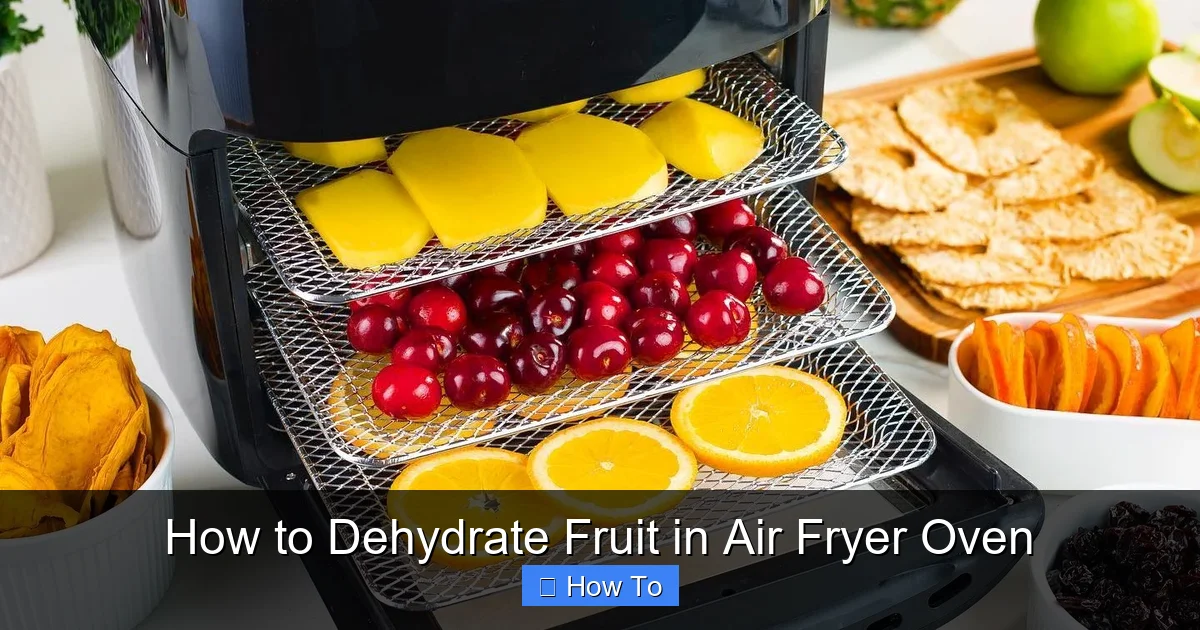
Dehydrating fruit in an air fryer oven is a fast, easy way to make healthy snacks at home. This guide covers everything from fruit selection and preparation to optimal temperature settings and storage methods. You’ll learn pro tips for achieving perfect texture and flavor every time.
Have you ever stared at those expensive bags of dried fruit at the grocery store and thought, “I could make this myself”? Well, you absolutely can, and it’s easier than you might think. If you own an air fryer oven, you already have a powerful dehydration tool sitting on your countertop. Learning how to dehydrate fruit in air fryer oven opens up a world of healthy snacking possibilities without the added sugars and preservatives found in commercial products.
I remember my first attempt at making dried mango slices. I was skeptical that a device designed for crispy fries could handle delicate fruit. But after a few trials (and a couple of burnt batches), I discovered the sweet spot. The convection fan in an air fryer oven works beautifully for dehydration because it mimics the airflow of commercial dehydrators but in a fraction of the time. Plus, you don’t need any special equipment beyond what came with your appliance.
Key Takeaways
- Air fryer ovens dehydrate fruit faster than traditional dehydrators due to powerful convection fans that circulate hot air efficiently.
- Uniform slicing is crucial for even drying; aim for 1/4-inch thick slices using a mandoline or sharp knife.
- Pre-treat fruits like apples and pears with lemon water to prevent oxidation and preserve color.
- Temperature control matters – most fruits dehydrate best between 130°F and 140°F to preserve nutrients.
- Proper storage extends shelf life – use airtight containers with oxygen absorbers for up to a year of freshness.
- Don’t overcrowd the trays – leave space between pieces for air circulation to prevent uneven drying.
- Condition dried fruit before long-term storage by shaking jars daily for a week to distribute residual moisture.
📑 Table of Contents
Why Use an Air Fryer Oven for Dehydrating Fruit?
Traditional food dehydrators are fantastic, but they take up precious counter space and can run for 12-24 hours. An air fryer oven offers several distinct advantages for the home cook. First, the powerful fan creates superior air circulation, which means faster drying times – often 2-6 hours depending on the fruit. Second, most models have precise temperature controls that go low enough (typically 90°F-170°F) for proper dehydration without cooking the fruit.
Another benefit is capacity. Many air fryer ovens come with multiple rack positions, allowing you to dehydrate several pounds of fruit at once. The glass door on most models lets you monitor progress without opening the unit and losing heat. And let’s not forget cleanup – the removable trays and drip pans are usually dishwasher safe, making the process much less messy than sticky dehydrator trays.
Understanding Your Air Fryer Oven’s Dehydrate Function
Not all air fryer ovens have a dedicated “dehydrate” button, but that doesn’t mean you can’t use them. If your model has a dehydrate preset, it typically sets the temperature around 130°F-140°F with maximum fan speed. For models without this feature, you can manually set the temperature to the lowest setting (usually 170°F or lower) and use the air fry or bake function with the fan on high. Check your manual for the lowest temperature setting available.
Some newer models from brands like Ninja, Breville, and Samsung have excellent dehydration capabilities with specific presets for different foods. If you’re new to your appliance, you might want to check out our guide on how to use air fryer oven for beginners to familiarize yourself with all the functions before starting your first dehydration project.
Preparing Your Fruit for Dehydration
Proper preparation is the difference between chewy, flavorful dried fruit and tough, leathery disappointment. Start with ripe but firm fruit – overripe fruit becomes mushy, while underripe fruit lacks sweetness. Wash everything thoroughly and pat dry with clean kitchen towels. Any surface moisture will steam the fruit instead of dehydrating it.

Visual guide about How to Dehydrate Fruit in Air Fryer Oven
Image source: kitchenxpart.com
Slicing Techniques for Even Drying
Uniform thickness is non-negotiable for consistent results. Aim for slices between 1/8-inch and 1/4-inch thick. A mandoline slicer makes this effortless and safe (always use the hand guard!). For round fruits like strawberries or grapes, slice them in half or quarters depending on size. Bananas work well as 1/4-inch coins, while apples and pears can be cored and sliced into rings or half-moons.
Remove pits, cores, and tough skins as needed. Peach and nectarine skins can stay on but blanch them for 30 seconds first to prevent toughness. For citrus, slice very thin (1/8-inch) for crisp wheels or remove the peel entirely for segments. Berries like blueberries need their skins “checked” – briefly dip in boiling water for 30 seconds to crack the skin, allowing moisture to escape.
Pre-Treatment Methods for Better Results
Some fruits benefit from pre-treatment to preserve color, flavor, and texture. For apples, pears, bananas, and peaches, an ascorbic acid or lemon juice bath prevents enzymatic browning. Mix 1 tablespoon lemon juice per cup of water (or 1 teaspoon ascorbic acid powder per cup) and soak slices for 5-10 minutes. Drain well and pat dry before dehydrating.
For a sweeter treat, you can make a simple syrup blanch: simmer equal parts water and sugar until dissolved, add fruit for 2-3 minutes, then drain. This creates a candied effect perfect for snacking. Alternatively, a light honey-water dip (1 tablespoon honey per cup warm water) adds natural sweetness and helps retain pliability. Skip pre-treatment for naturally low-moisture fruits like figs, dates, or already-dried fruits you’re re-drying.
Step-by-Step Guide to Dehydrating Fruit in an Air Fryer Oven
Now for the main event. Follow these steps for consistently great results every time you dehydrate fruit in air fryer oven.
Step 1: Arrange Fruit on Trays
Place fruit slices in a single layer on your air fryer oven trays or racks. Leave at least 1/4-inch space between pieces – they shouldn’t touch. If using multiple racks, stagger them so air flows freely around each piece. For smaller items like berries or grape halves, consider using a mesh tray or silicone mat to prevent them from falling through the rack gaps as they shrink. If you’re unsure which accessory to use, our article on what tray to use in air fryer oven can help you choose the best option for your specific model.
Step 2: Set Temperature and Time
Set your air fryer oven to 130°F-140°F (55°C-60°C) if it goes that low. If your minimum is 170°F, use that but check more frequently as fruit may cook slightly on the edges. Start with these general time guidelines:
- Apples, pears: 4-6 hours
- Bananas: 3-5 hours
- Mango, peach, nectarine: 5-7 hours
- Strawberries: 4-6 hours
- Pineapple: 6-8 hours
- Citrus wheels: 3-4 hours
- Grapes (halved): 8-12 hours
- Berries (blueberries, cranberries): 10-15 hours
Step 3: Monitor and Rotate
Check your fruit at the 2-hour mark, then every hour after. Rotate trays from top to bottom and front to back for even drying. Flip larger pieces halfway through. You’re looking for leathery but pliable texture – no visible moisture when you tear a piece. It should bend without snapping (except for citrus wheels and thin apple chips which can be crisp).
Step 4: Test for Doneness
Remove a few pieces and let them cool completely (10-15 minutes) – they firm up as they cool. Tear a piece; it should show no moisture beads along the tear. For berries, squeeze gently – they should feel dry, not squishy. If unsure, err on the side of slightly under-dried and continue in 30-minute increments. Over-dried fruit becomes brittle and loses flavor.
Step 5: Cool and Condition
Once done, transfer fruit to cooling racks and let reach room temperature (about 30 minutes). This prevents condensation in storage containers. For long-term storage, condition the fruit: place in glass jars filling 2/3 full, seal, and shake daily for 7-10 days. If condensation appears, return to the air fryer oven for another hour. This equalizes moisture content among pieces and prevents mold.
Best Fruits to Dehydrate and Their Specific Tips
While almost any fruit can be dehydrated, some shine brighter than others in an air fryer oven. Here are my favorites with specific tips for each.

Visual guide about How to Dehydrate Fruit in Air Fryer Oven
Image source: i.pinimg.com
Apples and Pears
These are dehydration superstars. Core and slice 1/4-inch thick. The lemon water bath is essential for pretty color. For apple chips, go thinner (1/8-inch) and dehydrate at 140°F for 3-4 hours until crisp. Try sprinkling with cinnamon before drying for a healthy dessert. If you have a Ninja model, you might enjoy our specific guide on how to dehydrate apples in ninja air fryer oven for model-specific tips.
Bananas
Slice 1/4-inch coins for chewy bites or lengthwise strips for “banana leather.” Dip in lemon water to prevent darkening. For crispy banana chips, slice 1/8-inch and dehydrate at 140°F until they snap. Ripe but firm bananas work best – mushy ones turn to paste.
Stone Fruits (Peaches, Nectarines, Plums, Apricots)
Halve, pit, and slice 1/4-inch thick. Blanch peaches/nectarines 30 seconds for easier peeling (optional). Plums and apricots can be halved and pressed flat (“popped”) for faster drying. These take longer due to high water content – plan for 6-8 hours. They’re done when leathery and no juice squeezes out.
Tropical Fruits (Mango, Pineapple, Papaya)
Peel, remove pits/cores, slice 1/4-inch. Pineapple rings are classic – core and slice 1/2-inch rings for chewy texture or 1/4-inch for crispier. Mango cheeks sliced lengthwise make beautiful “mango cheeks.” These are high in natural sugars, so they dry sticky – use parchment or silicone mats for easy removal.
Berries and Small Fruits
Strawberries: halve or slice 1/4-inch. Blueberries/cranberries: must be “checked” (blanched 30 seconds) or they’ll case-harden (skin seals, trapping moisture). Grapes: halve and expect 10+ hours for raisins. Figs: halve or quarter. These small fruits need lower temps (125°F-130°F) to prevent burning before interior dries.
Citrus
Slice 1/8-inch wheels for garnish or snacking. No pre-treatment needed. Dehydrate at 135°F for 3-4 hours until completely crisp. These are fantastic for teas, cocktails, or powdered into citrus dust for baking. Remove seeds before drying.
Storing and Using Your Dehydrated Fruit
Proper storage preserves your hard work. Short-term (1-2 months): zip-top bags with air pressed out, stored in a cool, dark pantry. Long-term (6-12 months): vacuum-sealed bags or glass jars with oxygen absorbers in the freezer. Always label with fruit type and date.
Creative Ways to Use Dehydrated Fruit
Beyond snacking straight from the jar, try these ideas: rehydrate in hot water or alcohol for baking (15 minutes for most fruits); blend into powder for smoothies, yogurt, or dusting desserts; add to homemade granola, trail mix, or oatmeal; infuse into vinegar or spirits for flavored cocktails; chop into quick breads, muffins, or scones; steep for fruit teas; or grind with spices for custom rubs.
Rehydrating Techniques
For baking, cover fruit with boiling water and soak 10-15 minutes, then drain well. For a flavor boost, use juice, tea, or rum instead of water. Cold rehydration works too – soak overnight in the fridge for salads or cheese plates. Save the soaking liquid for glazes or syrups – it’s packed with flavor.
Troubleshooting Common Issues
Even experienced dehydrators hit snags. Here’s how to fix the most common problems.
Fruit Sticks to Trays
High-sugar fruits (mango, pineapple, banana) love to stick. Use silicone mats, parchment paper, or lightly oil racks. If stuck, place tray in freezer for 10 minutes – fruit releases easily when frozen.
Uneven Drying
Caused by uneven slicing, overcrowding, or not rotating trays. Invest in a mandoline, leave space between pieces, and rotate every hour. If your oven has hot spots, note them and adjust rack positions accordingly.
Case Hardening
Exterior dries and seals while interior stays moist. Caused by too-high temperature. Lower temp to 125°F-130°F and extend time. For berries, always blanch first to break the skin.
Mold During Storage
Means fruit wasn’t dry enough or conditioning was skipped. Fruit should be leathery with zero moisture when torn. Condition for 7-10 days before sealing long-term. Use oxygen absorbers for storage beyond a month.
Loss of Color
Oxidation turns apples, pears, bananas brown. Always use lemon water or ascorbic acid bath. For display-quality color, commercial operations use sulfur dioxide, but lemon juice works well for home use.
Conclusion
Mastering how to dehydrate fruit in air fryer oven gives you a superpower: turning seasonal abundance into year-round healthy snacks. The process is forgiving, the equipment is already in your kitchen, and the results beat store-bought every time. Start with forgiving fruits like apples or bananas, pay attention to slice thickness and temperature, and don’t skip the conditioning step for long-term storage.
Once you taste your own dried mango strips – intensely sweet, chewy, with zero added sugar – you’ll wonder why you ever bought the packaged kind. Experiment with spice blends, citrus zests, or herb infusions to create signature flavors. Your air fryer oven isn’t just for fries and wings; it’s a preservation powerhouse waiting to be unleashed. Happy dehydrating!
Frequently Asked Questions
Can I dehydrate fruit in any air fryer oven?
Most air fryer ovens can dehydrate fruit if they have a temperature setting of 170°F or lower. Models with a dedicated dehydrate function work best, but you can manually set low temperatures on others. Check your manual for the minimum temperature setting.
How long does it take to dehydrate fruit in an air fryer oven?
Drying time varies by fruit type, slice thickness, and humidity. Most fruits take 3-8 hours at 130°F-140°F. High-moisture fruits like grapes or pineapple can take 10+ hours. Always test for doneness by cooling a piece before removing the whole batch.
Do I need to use oil or spray when dehydrating fruit?
No oil is needed for dehydration. In fact, oil can cause fruit to spoil faster. Use silicone mats or parchment paper to prevent sticking instead. The only exception is if you’re making a savory fruit leather where oil helps texture.
What temperature should I set my air fryer oven to dehydrate fruit?
Ideal dehydration temperature is 130°F-140°F (55°C-60°C). If your oven only goes down to 170°F, use that but check frequently and reduce time. Higher temperatures can case-harden fruit (seal the outside while inside stays moist).
How do I know when dehydrated fruit is done?
Properly dehydrated fruit is leathery and pliable with no visible moisture when torn. It should not feel sticky or squishy. Cool a test piece for 10 minutes before checking – fruit firms up as it cools. For crisp items like apple chips or citrus wheels, they should snap cleanly.
How long does homemade dehydrated fruit last?
Properly dried and stored fruit lasts 6-12 months at room temperature in airtight containers with oxygen absorbers. In the freezer, it can last 1-2 years. Always condition fruit (shake in jars daily for a week) before long-term storage to prevent mold.