How to Change Oven Directions to Air Fryer
Changing your oven’s settings to work like an air fryer can save time and energy while giving you crispier foods. This guide walks you through simple temperature swaps, accessory use, and quick troubleshooting so you can confidently convert any oven recipe to an air‑fryer style. Follow the easy steps and enjoy faster, healthier cooking with minimal effort.
Welcome to a friendly guide on How to Change Oven Directions to Air Fryer. If you own a modern oven that offers an air‑fryer mode, you already have a powerful tool in the kitchen. This article breaks down exactly how to switch those directions, adjust temperatures, and use the right accessories. You’ll learn simple steps that work for most recipes, plus quick tips to troubleshoot common issues. By the end, you’ll feel confident turning any oven recipe into a crisp, fast‑cooked air‑fryer version. Let’s dive in and make your cooking easier and more efficient.
First, think about why you might want to change oven directions. An air‑fryer setting uses convection heat with a fan, which cooks food faster and with less oil. When you follow a regular oven recipe, you might end up with soggy or unevenly cooked dishes. By adjusting the temperature down a bit and using the right rack, you can get the same great flavor with a perfect crunch. This guide will show you exactly how to do that, step by step.
Key Takeaways
- Understand the differences: Oven and air fryer heat flow differ, requiring adjusted temps and times.
- Set the right temperature: Most recipes drop 25‑50°F when moving to an air fryer.
- Use proper accessories: Racks, trays, and baskets distribute heat evenly and protect food.
- Convert timing quickly: Reduce cooking time by 20‑30% and watch for doneness earlier.
- Maintain consistent results: Keep the oven pre‑heated and avoid overcrowding the basket.
- Clean after each use: A quick wipe keeps performance high and extends appliance life.
📑 Table of Contents
Understanding Oven and Air Fryer Functions
When you switch from a conventional oven to an air‑fryer mode, the heat source stays the same but the way heat moves changes.
How Heat Moves in an Oven
Conventional ovens heat from the bottom and sides. Hot air rises, creating a natural convection current. This method can be slow and uneven.
How Heat Moves in an Air Fryer
Air‑fryer ovens add a powerful fan that forces hot air to circulate rapidly. This forced convection cooks food faster and creates a crisp exterior.
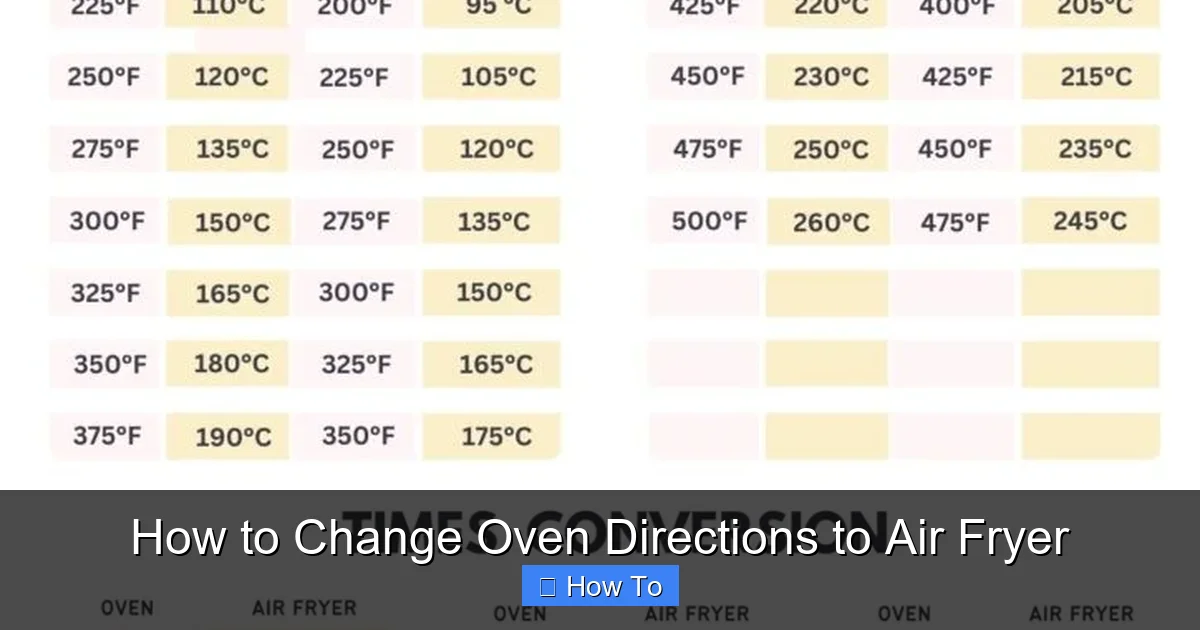
Because the air moves faster, you need less heat. Most recipes drop the temperature by 25‑50°F (about 15‑30°C). This difference is why you must adjust both temperature and time.
Preparing Your Oven for Air Fryer Cooking
Before you start converting recipes, make sure your oven is ready for air‑fryer mode.
Visual guide about How to Change Oven Directions to Air Fryer
Image source: i.pinimg.com
Check Your Oven’s Air Fryer Feature
Not all ovens have an air‑fryer setting. Look for a button labeled “Air Fry,” “Convection + Air Fry,” or similar. If you have a model like a LG oven air fryer, the process is built‑in. If not, you can still mimic the effect by using the convection setting and a fan.
Select the Correct Rack
The right rack makes a huge difference. Use the middle rack for most foods. This spot gives even air flow from both top and bottom. Avoid placing food too close to the heating element or the fan.
When you choose the rack, remember to use the air‑fryer rack designed for your model. This rack often has holes that allow air to pass through, preventing steam buildup.
Adjusting Temperature and Time Conversions
Now comes the core of How to Change Oven Directions to Air Fryer. You’ll adjust temperature and time for each recipe.
Visual guide about How to Change Oven Directions to Air Fryer
Image source: airfryers.net
General Temperature Rules
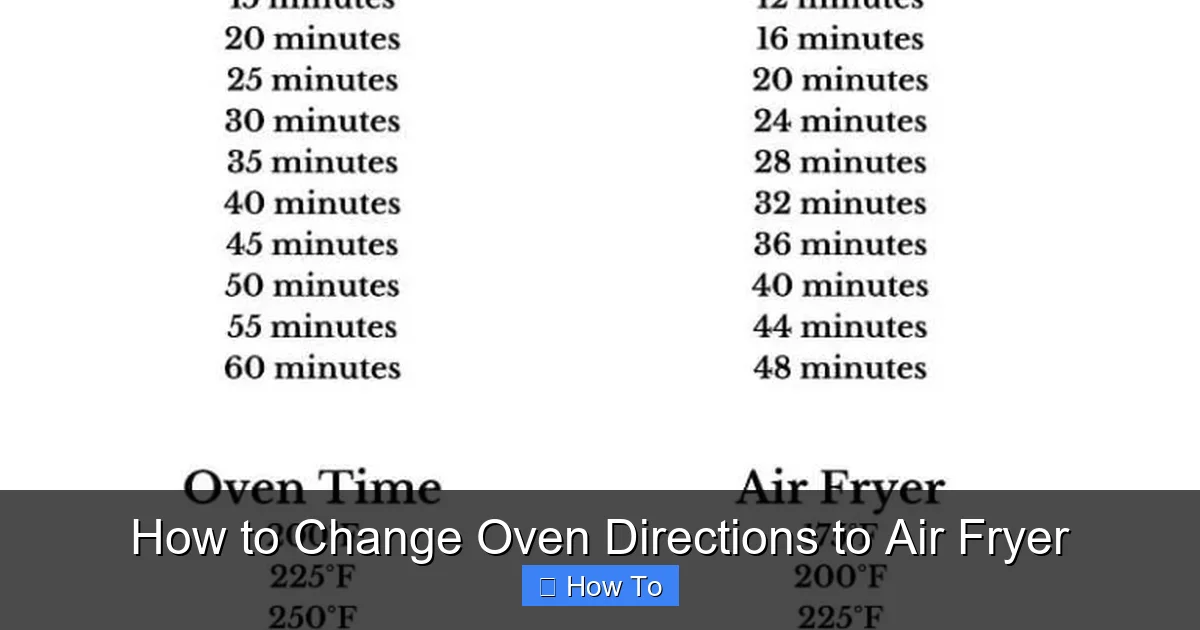
Most conventional oven recipes can be reduced by 25‑50°F. For example, a cake that bakes at 375°F can be baked at 350°F in air‑fryer mode. A chicken breast that roasts at 400°F can be cooked at 375°F.
Always start with the lower end of the range. You can increase temperature slightly if the food isn’t browning enough.
General Time Reductions
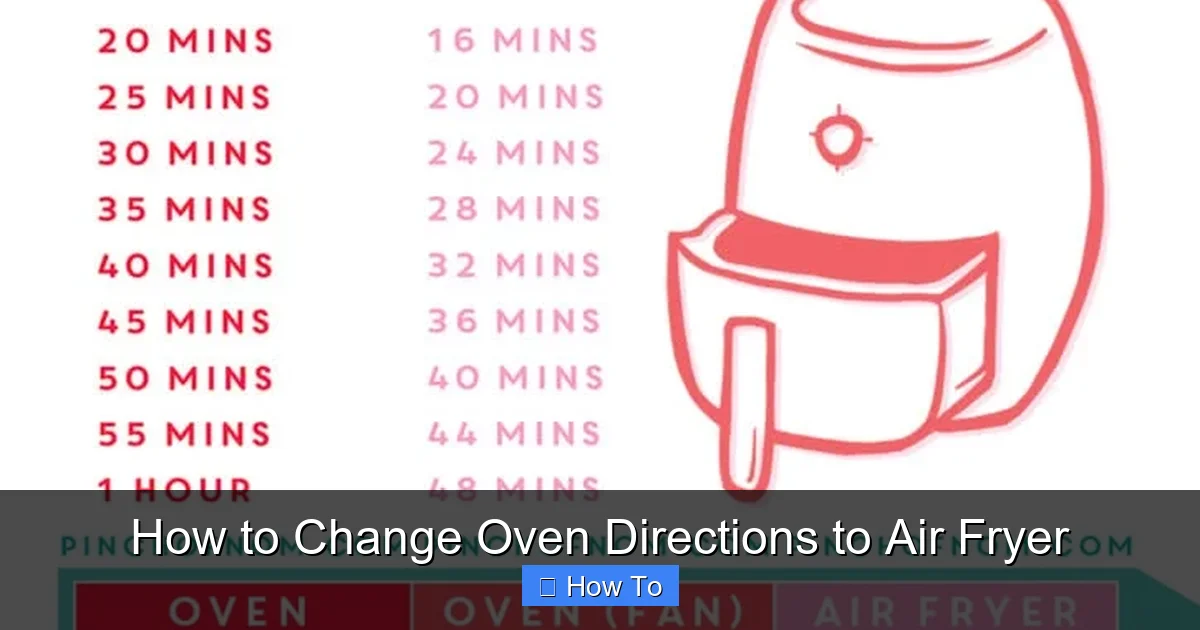
Air‑fryer ovens cook about 20‑30% faster. If a recipe calls for 30 minutes, plan for 20‑25 minutes. Check for doneness a few minutes early.
Use a thermometer to verify internal temperature for meats. Poultry should reach 165°F (74°C). Bread and pastries are done when golden and firm.
Tips for Specific Foods
Potatoes: Slice or leave whole. Toss with oil and seasonings. Air‑fry at 400°F for 25‑30 minutes, flipping halfway.
Fish: Place on a rack. Air‑fry at 375°F for 12‑15 minutes. Oil spray helps prevent sticking.
Veggies: Spread in a single layer. Air‑fry at 400°F for 10‑20 minutes, depending on size.
Using the Right Accessories (Racks, Trays, Baskets)
Accessories help you get the best results when you change oven directions.
Visual guide about How to Change Oven Directions to Air Fryer
Image source: cdn.appliancefactoryparts.com
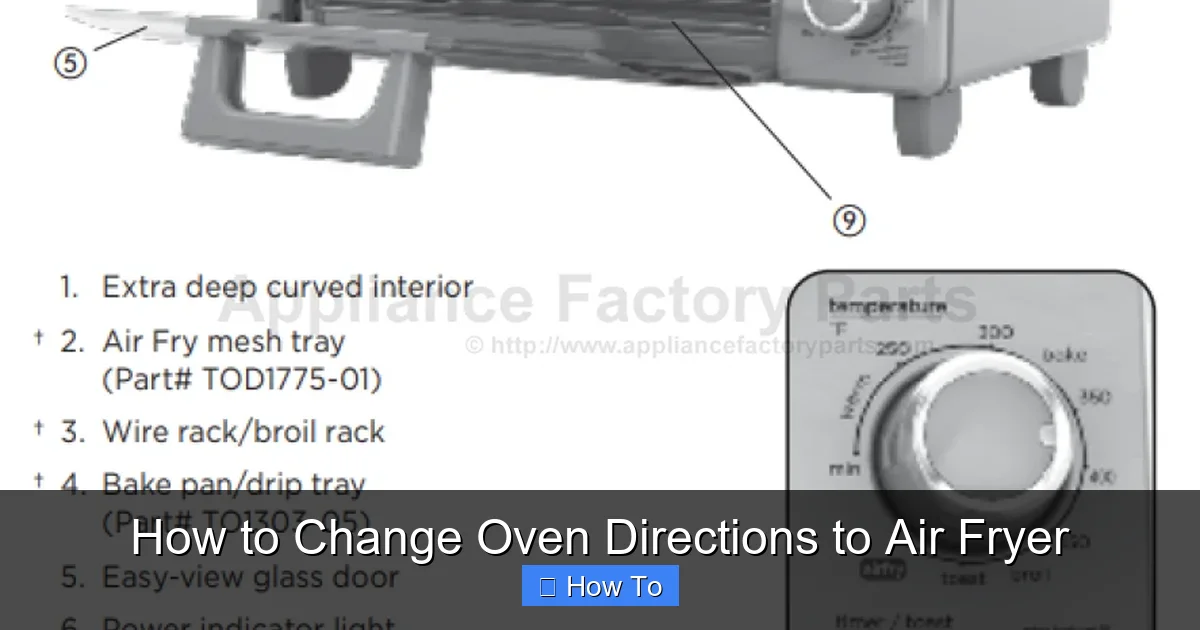
Oven Air Fryer Rack
The rack is often the most important tool. It lifts food away from the bottom, allowing air to circulate. Use it for meats, fries, and baked goods.
Air Fryer Basket
If your oven includes a removable basket, use it for small items like chicken wings or shrimp. The basket traps heat and cooks quickly.
Convection Tray
For larger items like roasts, a convection tray works well. It catches drippings and keeps the oven clean.
When you turn oven into air fryer mode, always place the food on a rack or basket that fits your oven’s design. This prevents the food from sitting in pooled oil or steam.
Troubleshooting Common Issues
Even with perfect settings, problems can happen. Here are common issues and easy fixes.
Food Is Still Soggy
If food isn’t crisp, check airflow. Ensure the rack isn’t blocked. Use a single layer and avoid overcrowding. Increase temperature by 25°F for a few minutes.
Uneven Cooking
Rotate dishes halfway through cooking. Use the middle rack for even heat. If one side is dark, turn the dish or move it to a different rack.
Overcooking
Air‑fryer ovens cook faster. Set a timer 5‑10 minutes earlier than the original recipe. Check internal temperature regularly.
Cleaning and Maintenance
Keeping your oven clean ensures consistent performance.
Regular Wipe Downs
After each use, wipe the interior with a damp cloth. Remove the rack and basket and wash them in the sink.
Deep Clean Monthly
Use a non‑abrasive cleaner and a soft sponge. Avoid harsh chemicals that can damage the fan or heating elements.
Fan Inspection
Check the fan for dust buildup. A clogged fan reduces airflow and affects cooking results. Use a soft brush to clear debris.
Conclusion
Changing oven directions to air fryer mode is a simple process once you know the basics. Lower the temperature, reduce the cooking time, and use the correct rack or basket. Follow the steps outlined in this guide, and you’ll enjoy crispier foods with less energy use. Remember to troubleshoot quickly and keep your oven clean for lasting performance.
By mastering these adjustments, you’ll be able to convert any traditional oven recipe into a faster, healthier air‑fryer version. This not only saves you time in the kitchen but also opens up new cooking possibilities. Enjoy the convenience and crispiness that an air‑fryer oven brings to your meals.
FAQs
What is the main difference between oven and air fryer cooking?
Oven cooking uses natural convection, while an air fryer adds a powerful fan that forces hot air around food. This forced air cooks faster and creates a crispier texture, so you need lower temperatures and shorter times.
How much should I lower the temperature when converting a recipe?
Most recipes call for a 25‑50°F reduction. Start with the lower end of that range and adjust based on how the food looks after the first few minutes.
Do I need a special rack for air‑fryer mode?
Yes. Using the oven air‑fryer rack designed for your model helps airflow. It lifts food off the bottom and prevents steam buildup.
Can I use a regular baking sheet in air‑fryer mode?
You can, but a baking sheet may block airflow and cause uneven cooking. If you must use one, place it on the middle rack and keep an inch of space around the food.
How often should I clean the oven’s fan?
Check the fan monthly. Dust can collect and reduce performance. A quick brush keeps the airflow strong and maintains cooking quality.
Frequently Asked Questions
What is How To Change Oven Directions To Air Fryer?
How To Change Oven Directions To Air Fryer is an important topic with many practical applications.