How Do I Use My Air Fryer Oven
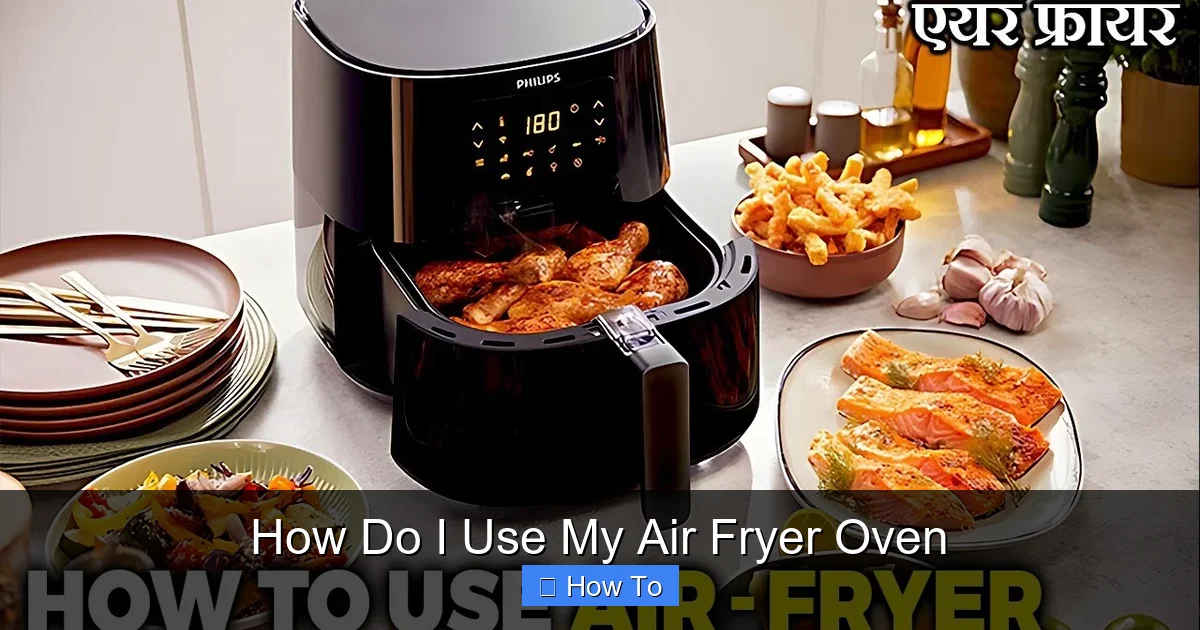
Using your air fryer oven is simpler than you think. Just preheat, place your food on the basket or tray, and select the right mode. With a few tips, you can enjoy crispy, healthy meals in minutes.
Have you ever wished you could get that perfect crunch on your favorite foods without the guilt of deep frying? An air fryer oven can be your kitchen’s new best friend. It uses hot air circulation to mimic the results of frying, but with a fraction of the oil.
You might wonder how a single appliance can replace both your conventional oven and your countertop fryer. The answer lies in its powerful fan and heating element that work together to surround food with intense heat. This guide will walk you through each step, from plugging it in to serving a crispy dinner.
Using an air fryer oven can also save energy compared to a conventional oven, especially for small meals. The rapid heating and short cooking times mean you spend less time waiting for dinner. Plus, the clean‑up is often quicker because there are fewer dishes to wash. It also reduces the amount of oil needed, making meals healthier.
Key Takeaways
- Preheat your oven: Always let the air fryer oven heat for 3‑5 minutes before adding food.
- Use the right rack: The included rack or basket ensures air circulates around the food.
- Choose the correct mode: Air Fry, Bake, Roast, or Broil each give different results.
- Don’t overcrowd: Leave space between pieces so the hot air can reach every surface.
- Shake or flip: For even browning, shake the basket or flip the food halfway through.
- Clean after each use: Wipe the interior and wash the tray to keep flavors fresh.
📑 Table of Contents
Getting Your Air Fryer Oven Ready
Before you start cooking, it’s important to place your air fryer oven on a stable, heat‑resistant surface. Most models require at least a few inches of space around the unit for proper ventilation. Make sure the power cord is not touching any hot surfaces.
Next, remove any protective film from the interior and inspect the rack or basket. If you have a model with a removable tray, ensure it sits securely. For a detailed walkthrough, check out our step‑by‑step instructions for beginners which covers unboxing and initial setup.
Plug the appliance into a grounded outlet and press the power button. The display should light up, and you will hear a brief fan noise as the system runs a self‑test. If the screen shows an error code, refer to the user manual before proceeding.
Before first use, inspect the unit for any visible damage. If you notice cracks in the glass or exposed wires, do not use the appliance. Contact the retailer for a replacement if needed.
Always keep the air fryer oven away from flammable objects. The exterior can become hot during operation, so use oven mitts when touching the unit. Never cover the vents while the oven is running, as this could cause overheating.
Preheating the Oven
Most recipes call for a preheat of 3 to 5 minutes. This allows the heating element to reach the target temperature and ensures consistent cooking. You can usually select the preheat option on the control panel or simply set the temperature and let the oven run empty for a few minutes.
While the oven is warming up, you can prepare your ingredients. Patting dry chicken breasts or tossing vegetables in a light coat of oil will help them crisp up faster.
Understanding the Cooking Modes
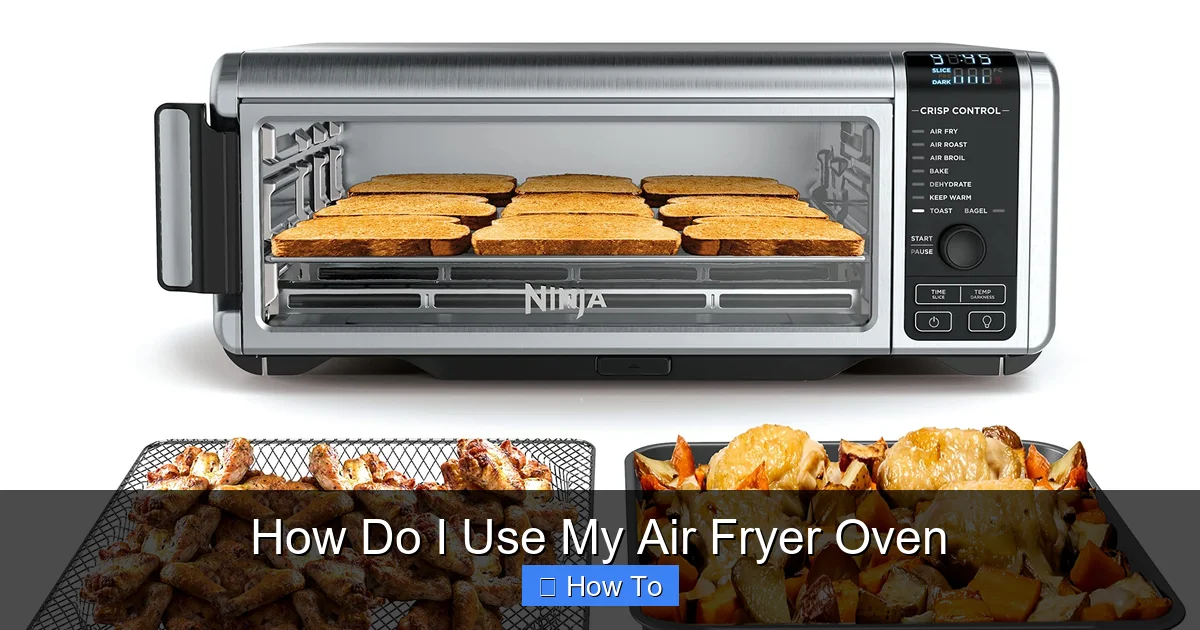
Your air fryer oven likely offers several modes such as Air Fry, Bake, Roast, Broil, and sometimes Dehydrate. Each mode adjusts the fan speed and heat distribution to suit different foods.
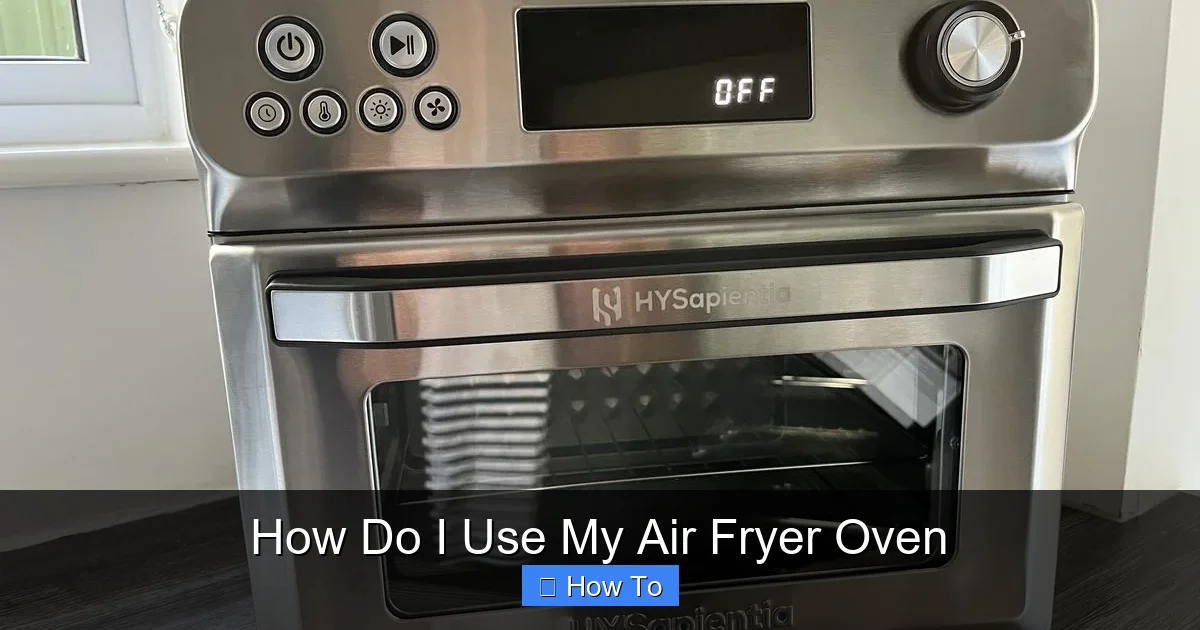
Visual guide about How Do I Use My Air Fryer Oven
Image source: m.media-amazon.com
The Air Fry mode is designed to recreate the texture of deep‑fried items. It circulates hot air at high speed, creating a crispy exterior while keeping the inside moist. For best results, use this mode for fries, wings, and onion rings.
If you need to bake a cake or a casserole, switch to the Bake setting. This mode provides gentler heat and less airflow, similar to a conventional oven. The Roast setting is ideal for whole chickens or large cuts of meat, as it combines high heat with moderate air movement.
Learn more about selecting the right mode by reading how to use the air fryer setting on your oven. This article explains the differences between each function and offers pairing suggestions.
Many air fryer ovens also feature a convection mode that uses a fan to circulate hot air. This can help bake evenly, but it may require slightly lower temperatures than a standard bake. Remember to preheat when using convection for best results.
Temperature and Time Guidelines
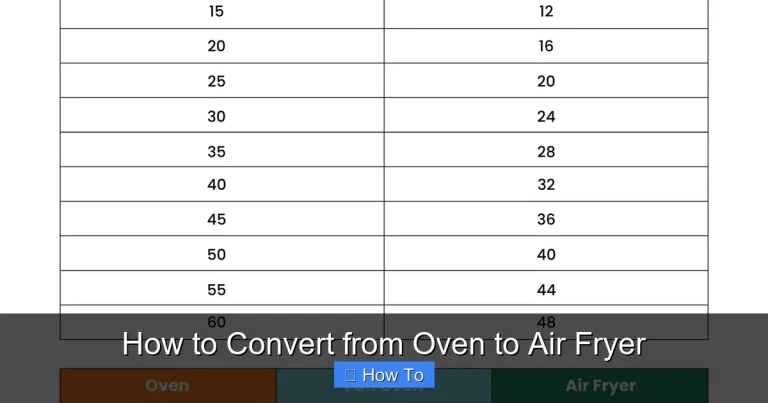
As a general rule, start with a temperature of 350°F (175°C) for most foods. Increase to 400°F (205°C) for extra crispiness, but avoid going above 425°F (220°C) unless the recipe specifies. Cooking times vary; a thin chicken breast may take 12 minutes, while a whole potato can require 25 minutes.
Always check the food a few minutes before the timer ends. Use a meat thermometer to ensure internal safety, and remember that the oven continues to cook slightly after you turn it off.
Cooking Techniques for Perfect Results
One of the keys to success with an air fryer oven is even exposure to hot air. Spread items in a single layer, leaving small gaps between pieces. Overcrowding blocks airflow and leads to soggy results.
Visual guide about How Do I Use My Air Fryer Oven
Image source: cdn.mos.cms.futurecdn.net
For items like fries or chicken nuggets, toss them in a bowl with a teaspoon of oil and a pinch of salt before placing them in the basket. The oil enhances browning and helps seasonings stick.
Halfway through the cooking process, shake the basket or flip the food. This simple step promotes uniform browning and prevents one side from burning. If you are using a tray, you can rotate it 180 degrees instead.
When cooking larger cuts, such as a pork loin, consider using the Roast mode and basting with pan juices halfway through. This adds moisture and flavor while still achieving a caramelized crust.
To ensure the meat reaches a safe internal temperature, use a digital thermometer. Insert it into the thickest part of the food and aim for 165°F (74°C) for poultry.
Set a timer on your phone or use the built‑in timer to avoid overcooking. The air fryer oven will beep when the cycle ends, but it is still hot inside. Let the food rest for a couple of minutes before serving to finish cooking.
Example: Crispy Chicken Wings
Pat 1 pound of chicken wings dry, then toss with 1 tablespoon of olive oil, 1 teaspoon of garlic powder, and 1 teaspoon of paprika. Preheat the oven to 400°F (205°C). Arrange the wings in a single layer on the rack, leaving space between each piece. Air fry for 22 minutes, flipping halfway. The result is a juicy interior with a crackling skin.
Using the Rack and Basket Effectively
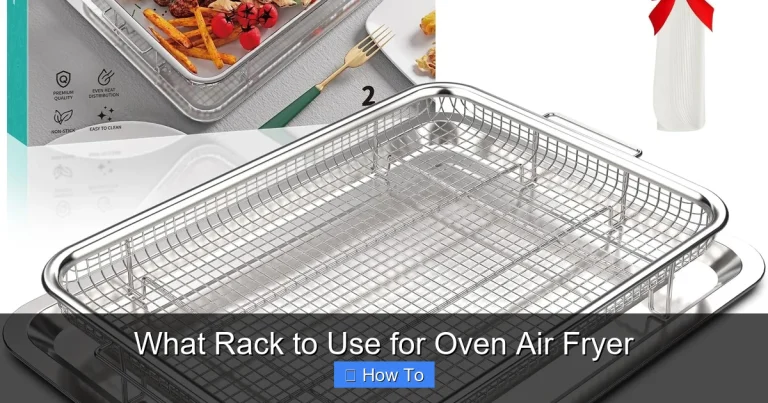
The included rack and basket are designed to maximize airflow. The rack lifts food above the drip tray, allowing hot air to circulate underneath. The basket is useful for smaller items that might fall through the rack.
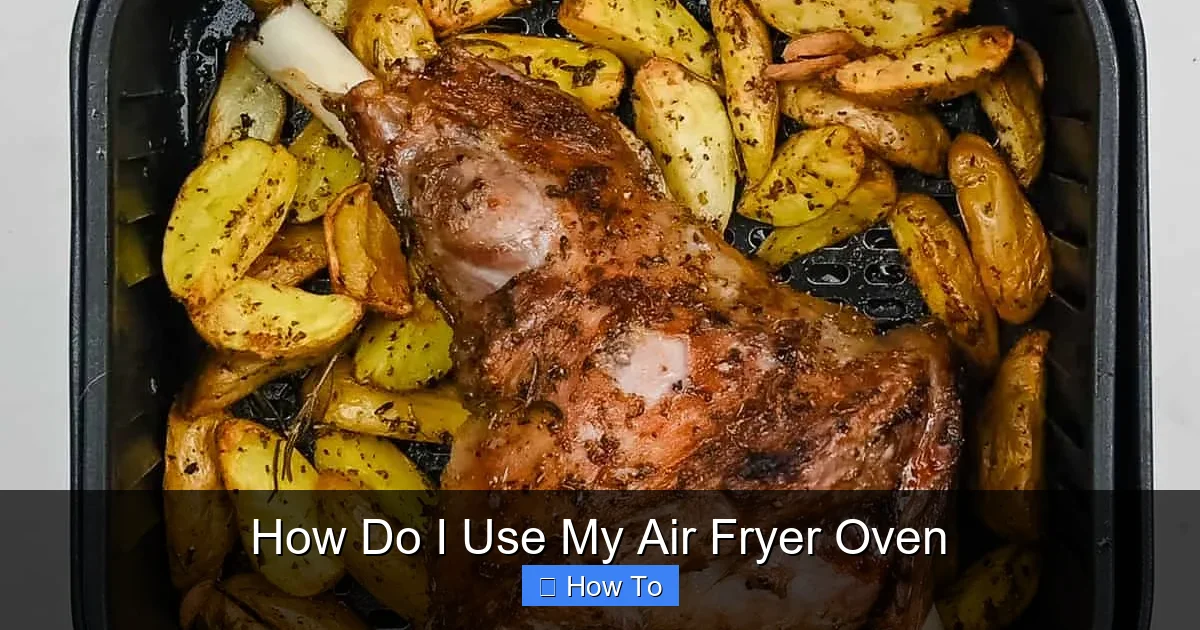
Visual guide about How Do I Use My Air Fryer Oven
Image source: supergoldenbakes.com
When using the rack, ensure it is positioned according to the manufacturer’s instructions. Some models have multiple rack positions; the higher position is better for tall items, while the lower position works for flat foods.
For a deeper dive into rack placement, see how to use the air fryer rack in your oven. This guide covers the best practices for different foods and explains how to clean the rack after each use.
If your model includes a basket, line it with a sheet of parchment paper to make cleanup easier. Be sure the paper does not block the air vents at the bottom of the basket.
You can line the basket with aluminum foil for easier cleanup, but be sure to leave space for air to flow. Avoid using foil in the air fry mode, as it may block the vents.
Tips for Even Cooking
- Always preheat the oven before adding food.
- Do not overload the basket; fill it to about two‑thirds capacity.
- Rotate the basket or tray halfway through cooking.
- Use a light spray of oil to encourage browning.
Cleaning and Maintenance
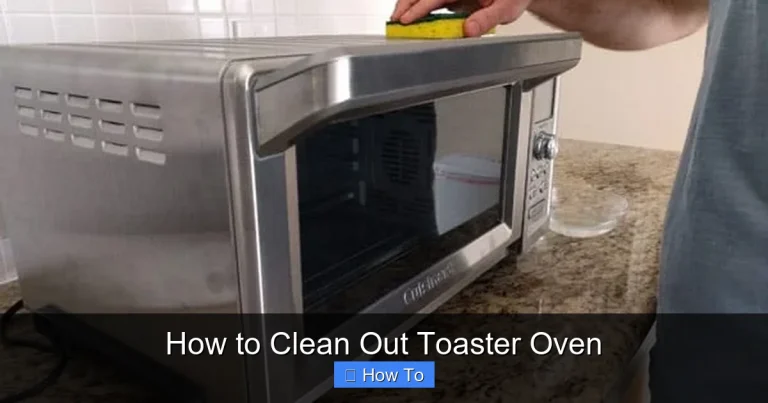
After each use, allow the air fryer oven to cool completely before cleaning. Most interiors can be wiped with a damp cloth and mild detergent. Avoid abrasive pads that could scratch the non‑stick coating.
The drip tray and basket are often dishwasher safe, but check the manual. If they are not, wash them by hand with warm, soapy water. A soft brush can help remove stuck‑on crumbs.
Regularly inspect the heating element for food residue. If you notice buildup, carefully clean it with a damp cloth. Keeping the element clean ensures efficient heating and prevents smoke.
For long‑term storage, unplug the appliance and store it in a dry place. Covering the unit with a breathable cloth can protect it from dust.
Over time, mineral deposits from water can build up inside the heating element. To descale, fill a shallow pan with a mixture of equal parts water and white vinegar, place it on the rack, and run the oven on the lowest setting for 15 minutes. Afterwards, wipe the interior clean.
Wipe the exterior with a damp cloth after each use. Avoid using harsh chemicals that could damage the finish.
Troubleshooting Common Issues
If the oven fails to start, verify that it is plugged in and that the outlet is functioning. Some models have a safety lock that must be disengaged before operation; refer to the manual for the exact procedure.
When food comes out soggy, the likely cause is overcrowding or insufficient preheat. Try reducing the amount of food in the basket and increase the preheat time by a minute or two.
Excessive smoke may indicate that oil has dripped onto the heating element. To prevent this, use a light coating of oil and avoid over‑greasing. If smoke occurs, turn off the oven, let it cool, and clean the interior thoroughly.
Should the display show an error code, consult the user guide. Common codes relate to temperature sensor faults or door latch issues. In many cases, resetting the appliance by unplugging it for a few minutes resolves the problem.
Finally, if you notice uneven browning, check that the rack is properly positioned and that the fan is operating. Adjusting the cooking time or shaking the basket midway can also improve results.
Sometimes a simple reset solves the issue. Unplug the air fryer oven, wait 30 seconds, then plug it back in. This clears any temporary error codes.
If the problem persists after trying the steps above, contact the manufacturer’s customer service. Have your model number and serial number ready, as they will need these details to assist you. Keeping the receipt and warranty information handy is also helpful.
With these steps, you can confidently use your air fryer oven to create a variety of delicious meals. Remember to experiment with different modes, temperatures, and ingredients to discover your favorite combinations.
Frequently Asked Questions
How do I preheat my air fryer oven?
Most models require 3 to 5 minutes of preheating. Simply set the desired temperature and let the oven run empty until it reaches that heat.
What foods can I cook in an air fryer oven?
You can cook a wide range of foods, including fries, chicken wings, vegetables, fish, and even small cakes. Just adjust the mode and time for each item.
How do I clean the air fryer oven?
Allow the unit to cool, then wipe the interior with a damp cloth. Wash the basket and tray by hand or in the dishwasher, and clean the heating element gently.
Can I use metal utensils in the air fryer oven?
Yes, metal utensils are safe, but avoid scratching the non‑stick coating. Use silicone or wooden tools if you want to preserve the surface.
Why is my air fryer oven smoking?
Smoke usually occurs when oil drips onto the heating element. Use a light coating of oil and avoid over‑greasing to prevent this issue.
How long does it take to cook chicken breasts?
A thin chicken breast typically takes 12 minutes at 350°F. Always check the internal temperature with a thermometer to ensure it reaches 165°F.