Can Convection Oven Work as Air Fryer
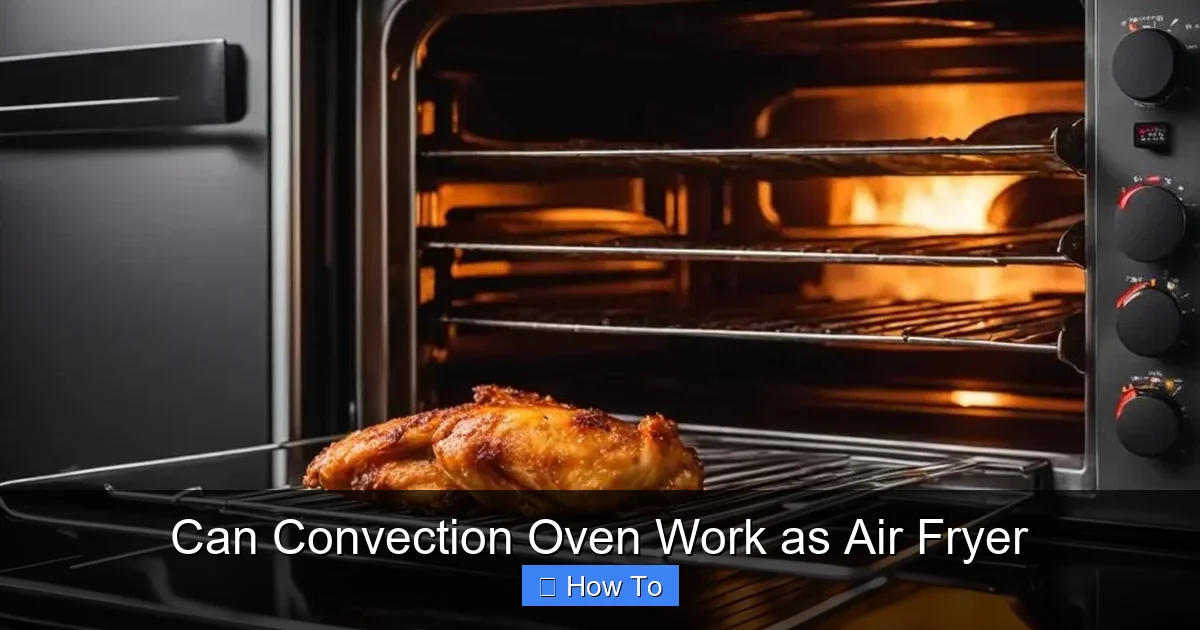
A convection oven can work as an air fryer by using its fan to circulate hot air, giving you crispy, fried‑like texture with little oil. This guide shows you how to adjust temperature, time, and rack placement to get the best results.
If you own a convection oven, you might wonder whether it can double as an air fryer. Both appliances move hot air around food to create that coveted crunch without submerging items in oil. The good news is that, with a few adjustments, your convection oven can produce results that are remarkably close to those of a countertop air fryer. This article walks you through the science, the practical tweaks, and the best foods to try.
We’ll start by looking at how each device works, then answer the core question: Can Convection Oven Work as Air Fryer? After that, you’ll get step‑by‑step tips, a list of foods that shine, and a honest look at where a dedicated air fryer still has the edge. By the end, you’ll know exactly how to get crispy, healthier meals using the oven you already have.
Key Takeaways
- Convection ovens and air fryers both rely on forced hot air: The fan moves heat around the food, creating a crispy exterior.
- Temperature and time need tweaking: Lower the oven temperature by about 25°F and check food a few minutes earlier than air‑fryer directions.
- Use a perforated tray or air‑fryer basket: This mimics the basket’s airflow and prevents soggy bottoms.
- Don’t overcrowd the pan: Space allows hot air to reach every surface for even browning.
- Ideal foods include frozen fries, chicken wings, veggies, and fish: These benefit most from the high‑heat, rapid‑air method.
- Limitations exist: Smaller batches, longer preheat, and lack of specialized accessories may make a dedicated air fryer preferable for some tasks.
📑 Table of Contents
Understanding How Convection Ovens Work
A convection oven looks like a regular oven but adds a fan and an exhaust system. The fan blows hot air generated by the heating elements throughout the cavity. This constant movement reduces cool spots and speeds up cooking compared to a conventional oven.
The Fan and Heating Element
The heating element (usually at the top and bottom) raises the air temperature. The fan then pushes that heated air around the food. Because the air is constantly moving, heat transfers to the food surface more efficiently, which helps brown and crisp the exterior.
Airflow Patterns
In a standard convection oven, air flows from the back toward the front and then circulates. Some models have a third heating element near the fan for even more uniform heat. This airflow is the key similarity to an air fryer, which also relies on rapid air movement.
How Air Fryers Achieve Crispiness
Air fryers are essentially small, high‑powered convection ovens with a basket that sits close to the heating element. The design forces hot air to flow rapidly around the food from all directions, creating a convection effect on a much smaller scale.
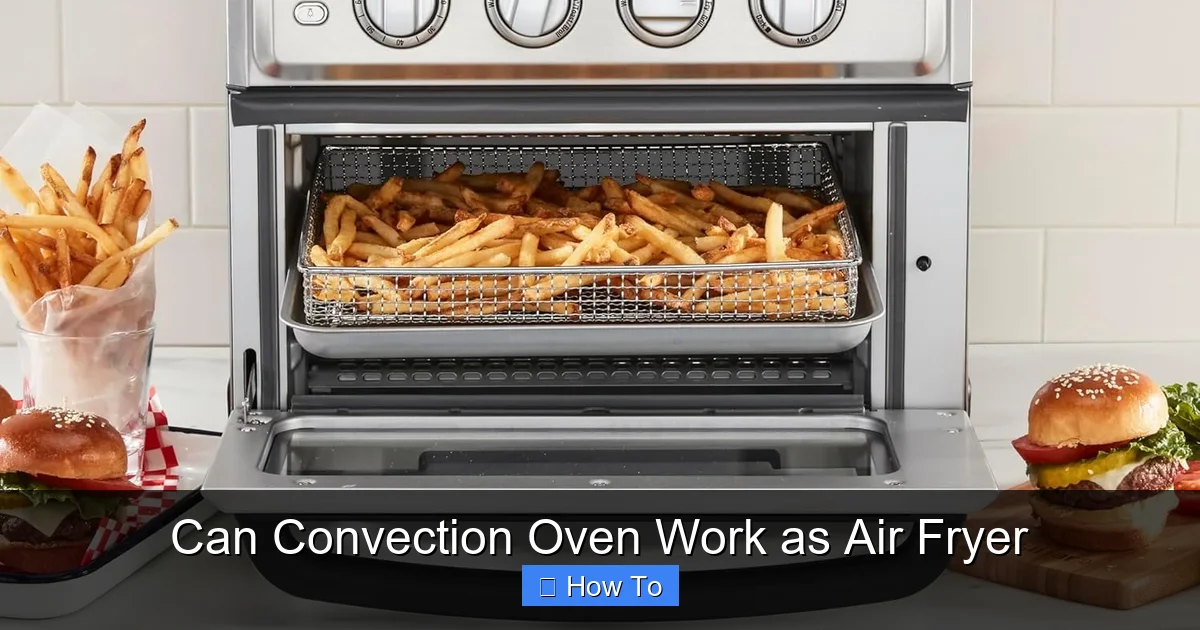
Visual guide about Can Convection Oven Work as Air Fryer
Image source: m.media-amazon.com
Rapid Air Technology
Most air fryers advertise “rapid air technology,” which simply means a fan that spins very fast—often faster than a typical oven fan. This speed, combined with a compact cooking chamber, raises the effective temperature at the food surface.
Basket Design
The perforated basket lets air pass through the food, preventing steam from getting trapped underneath. This design is why you get a uniformly crispy coating on items like fries or chicken wings.
Can Convection Oven Work as Air Fryer
The short answer is yes—your convection oven can mimic an air fryer if you make a few key changes. The main differences lie in temperature, time, and airflow accessibility. Below we break down exactly what to adjust.
Temperature Adjustments
Air fryers usually operate between 350°F and 400°F. Because a convection oven’s fan is often less aggressive, you’ll want to set the temperature about 25°F higher than the air‑fryer recommendation. For example, if a recipe calls for 380°F in an air fryer, set your convection oven to 405°F.
Time Changes
Food cooks slightly faster in an air fryer due to the tighter space and faster fan. Start checking your food 3‑5 minutes earlier than the air‑fryer time suggests. If the food isn’t brown enough, add a minute or two at a time.
Using a Perforated Tray or Rack
To get air circulating underneath the food, place it on a perforated baking tray, a cooling rack, or a dedicated air‑fryer basket that fits inside your oven. This setup mimics the basket’s airflow and prevents the bottom from steaming.
For more detailed conversion steps, see our guide on how to convert convection oven to air fryer.
Practical Tips for Getting Air‑Fryer Results in a Convection Oven
Even with the right temperature and tray, a few habits will improve your outcome. These tips are easy to implement and make a noticeable difference.
Preheat Properly
Always preheat the oven for at least 5‑10 minutes before adding food. A hot start ensures the fan begins moving hot air immediately, which is crucial for that initial crisp.
Avoid Overcrowding
Leave at least an inch of space between pieces. Overcrowding traps steam and leads to soggy spots. If you have a lot to cook, do it in batches.
Flip or Shake Midway
Just like in an air fryer, turning the food halfway through cooking promotes even browning. For smaller items like fries or nuggets, give the tray a gentle shake.
Use a Light Oil Spray
A quick mist of oil helps the surface brown and develop that fried texture. Too much oil will make the food greasy, so a light coating is all you need.
Foods That Work Best
Certain foods respond especially well to the convection‑oven‑as‑air‑fryer method. Below are some tried‑and‑true options, along with quick timing guidelines.
Frozen Fries and Tater Tots
Spread a single layer on a perforated tray, spray lightly with oil, and cook at 425°F for 18‑22 minutes, shaking halfway through. You’ll get a golden, crunchy exterior with a fluffy interior.
Chicken Wings
Toss wings in a bit of oil and your favorite seasoning. Arrange them on a rack, cook at 400°F for 25‑30 minutes, flipping at the 15‑minute mark. Finish with a quick broil for extra crisp if desired.
Vegetables (Broccoli, Cauliflower, Brussels Sprouts)
Cut into uniform pieces, coat with oil, salt, and pepper. Roast at 425°F for 12‑18 minutes, stirring once. The edges will caramelize while the stems stay tender.
Fish Fillets and Shrimp
Lightly brush with oil, season, and place on a rack. Cook at 400°F for 8‑12 minutes for fillets, 5‑7 minutes for shrimp. Watch closely to avoid overcooking.
Homemade Snacks (Chickpeas, Kale Chips)
Toss cooked chickpeas with oil and spices, spread on a tray, and bake at 375°F for 20‑25 minutes, shaking every 5 minutes. For kale, tear leaves, oil lightly, and bake at 300°F for 8‑10 minutes until crisp.
Limitations and When to Stick with a Dedicated Air Fryer
While a convection oven can do a lot, there are scenarios where a purpose‑built air fryer still shines. Knowing these limits helps you decide which tool to reach for.
Capacity and Batch Size
Air fryers usually have a compact basket that holds 1‑2 quarts, perfect for small meals or snacks. A convection oven can handle larger trays, but if you’re cooking for one or two people, preheating a big oven just for a handful of fries wastes energy and time.
Speed of Preheat
Many air fryers reach cooking temperature in under 3 minutes. A convection oven often needs 5‑10 minutes to preheat, which adds to overall wait time, especially for quick snacks.
Specialized Accessories
Some air fryers come with rotisserie spits, grill grates, or dehydrating trays that are harder to replicate in a standard oven. If you frequently use those features, a dedicated unit may be more convenient.
Energy Efficiency
For small batches, the air fryer’s smaller cavity means less heated air, translating to lower energy use. If you’re mindful of electricity bills, the air fryer wins for single‑serving snacks.
To understand the core differences between the two appliances, check out our article on what is the difference air fryer vs convection oven.
Conclusion
So, Can Convection Oven Work as Air Fryer? Absolutely—by adjusting temperature, shortening cook time, and ensuring good airflow with a perforated tray or rack, you can achieve crispy, satisfying results that rival a countertop air fryer. The method works especially well for frozen foods, chicken wings, vegetables, and quick snacks.
However, keep in mind the trade‑offs: preheat time, batch size, and lack of specialized accessories may make a dedicated air fryer the better choice for certain tasks or for those who value speed and energy efficiency above all.
Experiment with the tips above, find the settings that suit your oven model, and enjoy healthier, crunchy meals without buying another gadget. Happy cooking!
Frequently Asked Questions
Do I need to buy special accessories to use my convection oven as an air fryer?
No, you don’t have to buy anything new. A simple perforated baking tray, a cooling rack, or even a metal mesh basket that fits inside your oven will work fine. Just make sure the food isn’t sitting directly on a solid sheet so air can flow underneath.
What temperature should I set my convection oven for air‑fryer recipes?
A good rule is to increase the air‑fryer temperature by about 25°F. If the recipe says 380°F for the air fryer, set your convection oven to 405°F. Always keep an eye on the food the first few times you try a new setting.
How long should I cook food in a convection oven compared to an air fryer?
Start checking the food 3‑5 minutes earlier than the air‑fryer time suggests. If it isn’t browned enough, add a minute or two at a time. The exact time depends on the food’s size, thickness, and how crowded the tray is.
Can I cook battered foods like onion rings in a convection oven using the air‑fryer method?
Yes, but you’ll get the best results with a light spray of oil and by placing the rings on a rack so the batter doesn’t sit in any pooled moisture. Flip them halfway through for even crispness.
Is it safe to use aluminum foil or parchment paper in the convection oven when trying to air‑fry?
You can use parchment paper as long as it’s perforated or you cut holes to let air pass. Avoid covering the entire tray with foil, as it blocks airflow. If you need foil for easy cleanup, make sure it’s slotted or use a perforated foil sheet.
Will using my convection oven as an air fryer affect its lifespan?
Using the fan and heating elements as intended won’t harm the oven. Just keep the interior clean, avoid excessive oil buildup, and follow the manufacturer’s care instructions. Regular use for air‑frying style cooking is perfectly fine.