How to Convert Convection Oven to Air Fryer
Learning how to convert convection oven to air fryer settings is a game-changer for home cooks. By using high-speed air circulation and the right accessories, you can achieve crispy results without buying a new appliance. This guide covers everything from temperature adjustments to the best tools for success.
Have you ever looked at your delicious, crispy recipe for chicken wings or french fries and thought, “I wish I had an air fryer for this”? You are not alone. Air fryers have taken the culinary world by storm. They promise quick meals and incredibly crunchy textures with very little oil. But here is a little secret: you might already have everything you need right in your kitchen. Many modern ovens actually come with a built-in feature that makes this possible.
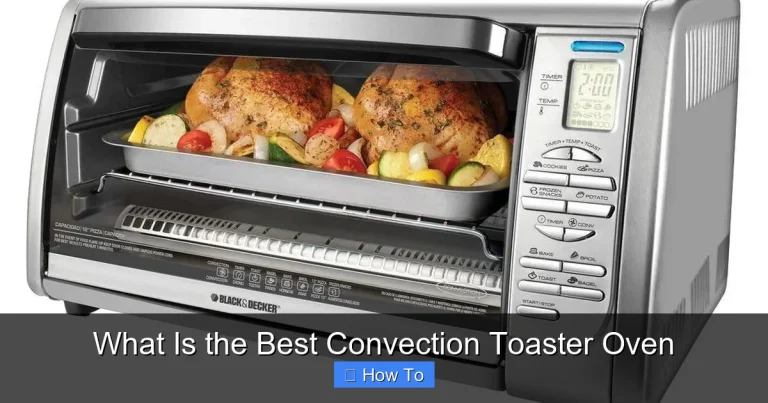
If you own a convection oven, you are already halfway there. A convection oven uses a fan to circulate hot air around the food, which is the exact mechanism an air fryer uses. While they aren’t identical, they are very close cousins. Knowing is air fryer similar to convection oven will help you realize that your appliance is much more powerful than you think. In this guide, we are going to walk through exactly how to master this technique.
Converting your oven doesn’t require a degree in food science. It just requires a few simple tweaks to your cooking habits and perhaps one or two new kitchen gadgets. Whether you want to make healthier snacks or just want to speed up your dinner routine, this guide will show you the way. Let’s dive into the world of high-speed air cooking!
Key Takeaways
- Convection is Key: A convection oven is the foundation for air frying because it uses a fan to move hot air.
- Use the Right Gear: Using an air fry basket or rack helps air circulate under your food for maximum crispiness.
- Adjust Temperatures: You usually need to lower the temperature when converting recipes to mimic an air fryer.
- Reduce Cooking Time: Food cooks faster in a convection environment, so check it early to avoid burning.
- Don’t Overcrowd: To get that “fried” texture, ensure food has space for air to flow around every side.
📑 Table of Contents
Understanding the Science: Convection vs. Air Frying
Before we jump into the “how-to,” it is important to understand what is actually happening inside your oven. To truly master the art of conversion, you need to know the “why” behind the “how.”
What is Convection?
A standard conventional oven works by heating the air inside the cavity. This hot air rises and moves around the food via natural convection. This process is relatively slow. The heat hits the food, but it doesn’t “attack” it with much force. This is great for slow-roasting a turkey, but it isn’t great for making crispy potatoes.
What is Air Frying?
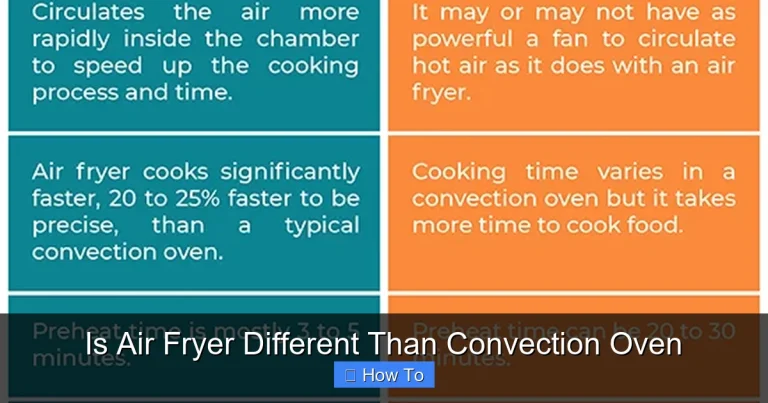
An air fryer is essentially a high-powered, compact convection oven. It uses a much stronger fan to blow hot air rapidly around the food. This high-speed movement strips away moisture from the surface of the food very quickly. This is what creates that golden, crunchy crust we all love without needing to submerge the food in a vat of oil.
The Connection
When you use a convection setting on your large oven, you are using that fan. The main difference is the volume of air and the speed of the fan. Because a full-sized oven has more space, the air isn’t as “concentrated” as it is in a small air fryer basket. This is why we need specific strategies to bridge the gap.
Essential Tools for Successful Conversion
If you simply place food on a flat baking sheet in a convection oven, you won’t get that true air-fryer effect. Why? Because the air can only hit the bottom of the food. The bottom stays soggy, and the top gets crispy. To fix this, you need to allow air to flow underneath the food.
Visual guide about How to Convert Convection Oven to Air Fryer
Image source: kodama-tec.com
The Air Fryer Basket
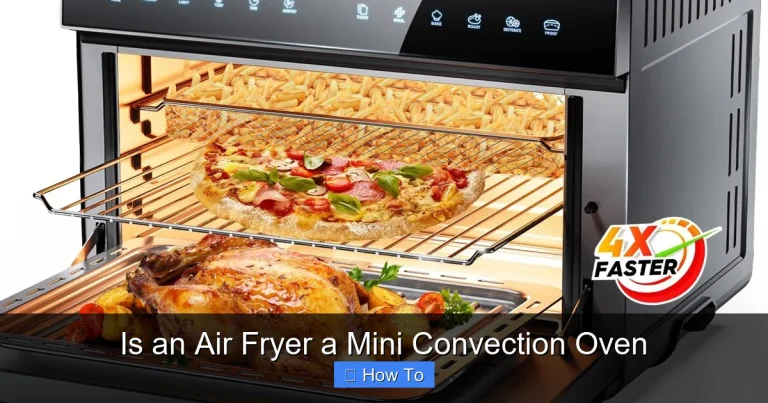
The most effective way to convert your oven is to use an air fryer basket in oven. These are mesh or perforated metal baskets that sit on your oven rack. They allow the hot air to circulate around all sides of your food, including the bottom. This mimics the environment of a dedicated air fryer perfectly.
Using an Oven Rack
If you don’t have a mesh basket, you can use a wire air fryer rack in oven. This elevates your food slightly. It is a great middle-ground solution for items like chicken thighs or thick vegetables. It prevents the “soggy bottom” syndrome that happens on flat pans.
Parchment Paper: A Word of Caution
Many people like to use parchment paper to prevent sticking. While useful, be careful! If you use parchment paper in a convection oven, make sure it is weighted down by food. If the high-speed fan catches a loose piece of parchment, it can fly into the heating elements and cause a fire. For the best air-frying results, try to use perforated parchment paper designed for air fryers.
How to Adjust Your Cooking Settings
You cannot simply take a recipe from a standard oven and expect it to work in convection mode without changes. If you follow the instructions exactly, you might end up with burnt edges and a raw center. Here is how you should handle the conversion.
Visual guide about How to Convert Convection Oven to Air Fryer
Image source: ilovepdf.com
The Temperature Rule
In almost every case, when you switch from a conventional oven to a convection (or “air fry”) setting, you should lower the temperature. A good rule of thumb is to reduce the temperature by 25°F (about 15°C). Because the fan is moving heat more efficiently, the food will reach the target temperature much faster.
Managing the Time
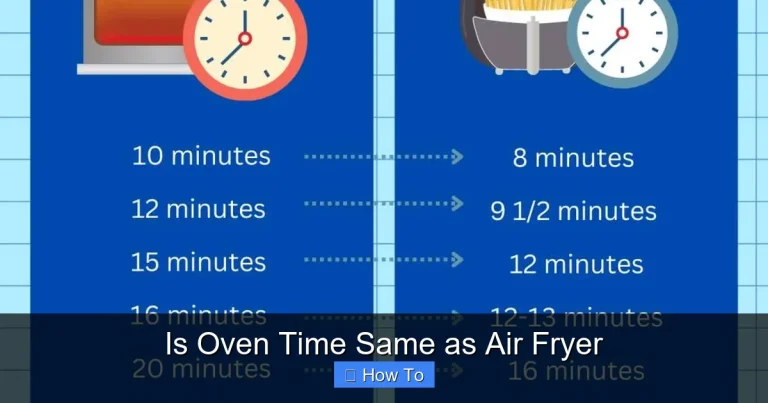
This is where many beginners make mistakes. Because the air is moving faster, the cooking time will be shorter. You should never follow the original recipe time blindly. Instead, start checking your food about 25% to 30% earlier than the recipe suggests. If a recipe says 20 minutes, start checking it at the 14-minute mark.
Pro Tip: The “Preheat” Factor
Always preheat your oven with your rack or basket inside if possible. This ensures that as soon as the food goes in, it is hit by a blast of intense, moving heat. This “thermal shock” is what helps create that instant crust on fried foods.
Step-by-Step Guide to Converting Your Recipes
Let’s put this into practice. Whether you are making wings, fries, or even frozen snacks, follow these steps to ensure success.
Visual guide about How to Convert Convection Oven to Air Fryer
Image source: siteimages.simplified.com
Step 1: Choose Your Food Wisely
Not everything is meant for air frying. While you can “air fry” almost anything, the best results come from foods that benefit from high-speed air. Think frozen foods, meats with a bit of fat, or vegetables that can be tossed in a tiny bit of oil.
Step 2: Prep the Food
If you are making something from scratch, like oven roasted potatoes in air fryer style, make sure they are dry before seasoning. Moisture is the enemy of crispiness. Pat your potatoes or chicken dry with a paper towel before adding oil and spices.
Step 3: Arrange the Food
Do not crowd the basket! This is the most important rule. If you pile fries on top of each other, they will steam instead of fry. They will end up limp and greasy. Instead, spread them out in a single layer or a very light layer. If you have a lot of food, cook it in batches.
Step 4: Monitor and Flip
Even with a convection fan, it is a good idea to flip your food halfway through the cooking process. This ensures even browning on all sides. Since you are already checking the food frequently due to the shorter cooking times, this is easy to do.
Common Mistakes to Avoid
Even with the best intentions, things can go wrong. Here are the most common pitfalls when trying to convert your oven.
- Too Much Oil: One of the benefits of air frying is using less oil. However, if you use too much, the food will just sit in a pool of grease on your basket, defeating the purpose. A light spray is all you need.
- Ignoring the Temperature Drop: If you keep the temperature at the standard oven setting, you will likely burn the outside of your food before the inside is cooked. Always drop the temp!
- Using the Wrong Pan: Avoid using deep, heavy ceramic dishes. These hold heat too long and don’t allow air to circulate underneath, which negates the convection benefit. Stick to metal baskets or perforated trays.
- Overloading the Oven: It is tempting to cook a giant feast at once, but if you block the airflow, your “air fryer” becomes just a regular, slow oven.
Conclusion
Converting your convection oven to an air fryer is one of the smartest ways to upgrade your cooking game without spending extra money. By understanding that convection is simply high-speed air movement, you can use the right tools—like a mesh basket—and the right settings—lower temps and shorter times—to achieve incredible results. The key is to treat your oven like a high-powered wind tunnel rather than a static heated box.
Next time you crave something crunchy, don’t reach for the takeout menu. Grab your convection setting, prep your food with minimal oil, and let the moving air do the magic. Happy cooking!
Frequently Asked Questions
Will my food be as crispy as a real air fryer?
It will be very close! Because a standard oven is much larger, the air isn’t quite as concentrated as it is in a small air fryer. However, by using a mesh basket and not overcrowding the food, you can get nearly identical results.
Do I need to use oil when converting my oven?
Yes, a very small amount of oil is actually helpful. While air fryers use air to crisp food, a light coating of oil helps conduct heat to the surface of the food more effectively, ensuring that golden-brown finish.
Can I use parchment paper in my convection oven?
Yes, but you must be careful. Always make sure the parchment paper is weighted down by food so it doesn’t fly into the heating elements. It is also best to use parchment specifically designed for air frying with holes in it.
Should I use a higher temperature for convection?
No, you should actually do the opposite. Because convection and air frying move heat much more efficiently, you should lower the temperature by about 25°F to prevent the food from burning on the outside before it is cooked on the inside.
How can I tell if my food is done in convection mode?
The best way is to use a meat thermometer for proteins or to visually inspect the food. Since convection cooks faster, you should start checking your food much earlier than the original recipe suggests to avoid overcooking.
Can I air fry frozen foods in a convection oven?
Absolutely! Frozen foods are actually perfect for this method. Just follow the same rules: lower the temperature slightly, check the food earlier than the box suggests, and ensure the food is spread out in a single layer.