How to Bake Oatmeal Cookies in Oven Toaster

Baking oatmeal cookies in an oven toaster is a quick, energy‑saving way to enjoy fresh‑baked treats without heating up a full‑size oven. This guide walks you through ingredient selection, dough preparation, toaster‑oven settings, and troubleshooting so you get perfectly chewy cookies every batch.
If you’ve ever craved a warm, chewy oatmeal cookie but didn’t want to fire up a large oven, your trusty oven toaster is the perfect solution. These compact appliances heat up quickly, use less electricity, and are ideal for small batches—making them perfect for a quick snack or a dessert for two. In this guide, you’ll learn exactly how to bake oatmeal cookies in an oven toaster, from ingredient selection to storage tips, so you can enjoy fresh‑baked goodness whenever the mood strikes.
The process is surprisingly similar to baking in a conventional oven, but there are a few nuances to keep in mind. Because toaster ovens have smaller interiors and often feature convection‑style airflow, you’ll need to adjust temperature and timing slightly. We’ll walk through each step, highlight common pitfalls, and offer creative variations so you can customize your cookies to suit any taste.
Whether you’re a seasoned baker looking to save energy or a beginner eager to try your first batch, this article provides clear, friendly instructions that feel like a chat over coffee. Let’s dive into the world of toaster‑oven oatmeal cookies and discover how simple it can be to achieve bakery‑quality results right on your countertop.
Key Takeaways
- Choose the right oats: Rolled oats give the classic chewy texture, while quick‑oats create a softer cookie.
- Preheat properly: Set your toaster oven to 325 °F (163 °C) and allow 5‑7 minutes for even heat before baking.
- Space cookies wisely: Leave at least 2 inches between dough mounds to prevent spreading and ensure uniform browning.
- Watch the bake time: Oatmeal cookies usually need 10‑12 minutes; look for golden edges and a set center.
- Cool on a rack: Transfer cookies to a wire rack after 2 minutes on the pan to avoid soggy bottoms.
- Store for freshness: Keep cookies in an airtight container with a slice of bread to retain chewiness for up to 5 days.
- Revive leftovers: Warm stale cookies in the toaster oven at 300 °F for 2‑3 minutes to restore softness.
📑 Table of Contents
Why Use an Oven Toaster for Oatmeal Cookies?
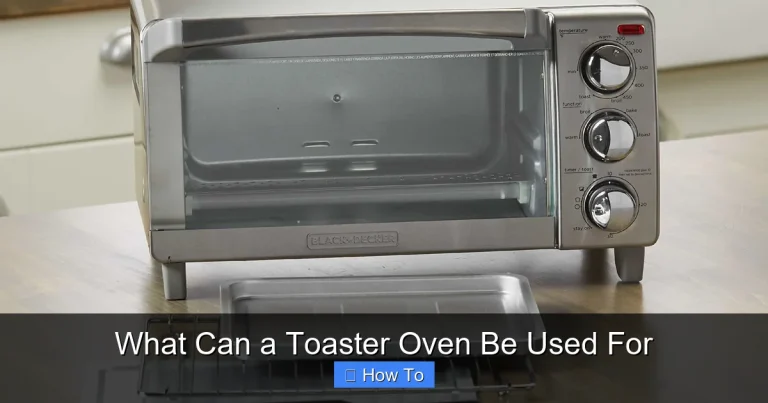
Oven toasters aren’t just for reheating pizza or making toast; they’re surprisingly capable mini‑ovens that excel at baking small treats. One of the biggest advantages is speed—most toaster ovens reach baking temperature in under five minutes, whereas a full‑size oven can take ten to fifteen minutes just to preheat. This means you can go from mixing dough to pulling out warm cookies in less than half an hour.
Another benefit is energy efficiency. A typical toaster oven uses about 0.5‑0.9 kWh per hour, compared to 2‑3 kWh for a conventional oven. If you’re baking just a dozen cookies, the toaster oven saves both electricity and money. Plus, the compact size keeps your kitchen cooler, which is a welcome perk during hot summer months.
Finally, toaster ovens often provide more even heat distribution for small batches thanks to built‑in convection fans or strategic heating elements. This reduces the risk of hot spots that can cause uneven browning. If you’re curious about other treats you can make in your oven toaster, check out our guide on what to bake in an oven toaster for more inspiration.
Benefits of Small‑Batch Baking
Baking a small batch means you can experiment without committing to a large quantity of ingredients. Want to try a new spice blend or add a handful of dried cranberries? You can do it in a single tray and see how the flavors develop. Small batches also reduce waste—if a batch doesn’t turn out as expected, you haven’t used up a whole bag of flour or a pound of butter.
Additionally, small batches allow for better control over texture. Because the cookies are spaced farther apart on a limited surface, they spread less and retain a thicker, chewier center. This is especially helpful for oatmeal cookies, which can become overly flat if the dough is too warm or the baking surface is crowded.
Energy Efficiency and Speed
Modern toaster ovens often feature adjustable racks, timers, and temperature controls that mimic those of larger ovens. By using the convection setting (if available), you can cut baking time by up to 20 %. The quick preheat also means you spend less time waiting and more time enjoying your treats.
For those who are mindful of their carbon footprint, choosing a toaster oven for occasional baking is a simple way to reduce household energy consumption. Pair this with sourcing local, organic ingredients, and you have an eco‑friendly snack routine that doesn’t sacrifice flavor.
Essential Ingredients for Perfect Oatmeal Cookies
The foundation of any great oatmeal cookie lies in the quality and balance of its ingredients. While the recipe can be adapted to suit dietary preferences, certain components are non‑negotiable for achieving that classic chewy texture and rich flavor.

Visual guide about How to Bake Oatmeal Cookies in Oven Toaster
Image source: feelgoodfoodie.net
Choosing the Right Oats
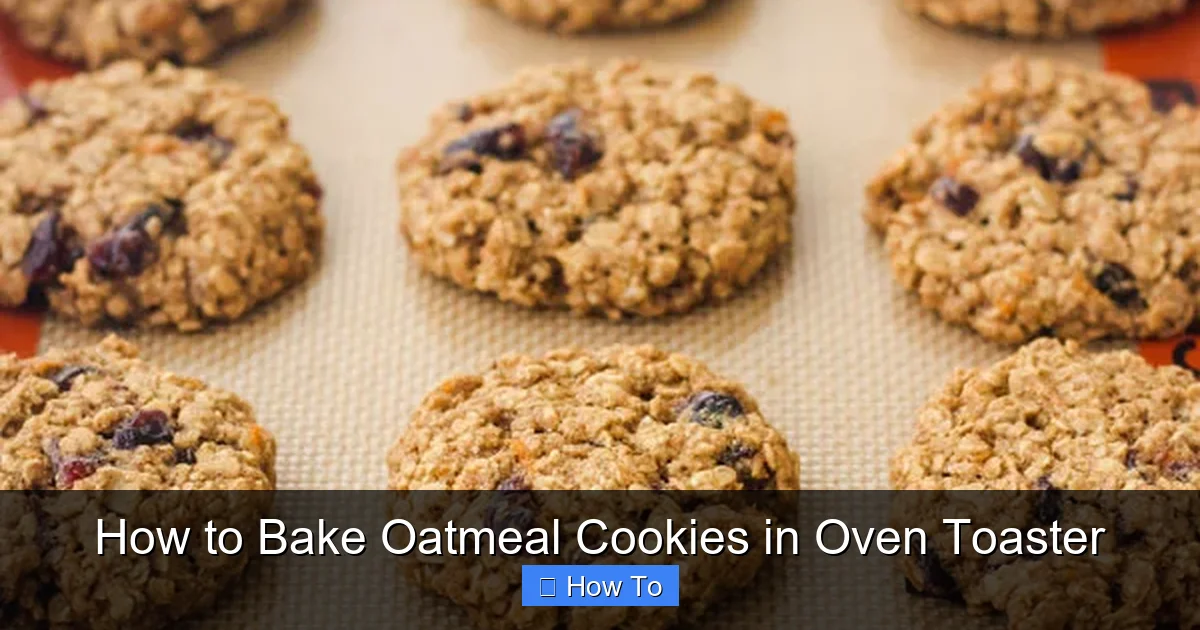
Rolled oats (also called old‑fashioned oats) are the gold standard for oatmeal cookies. They absorb moisture evenly, providing a pleasant chew without turning mushy. Quick‑oats can be used if you prefer a softer, more cake‑like crumb, but they tend to break down faster during baking, which may result in a less distinct oat texture.
Steel‑cut oats are generally not recommended for cookies because they remain too firm and can create a gritty mouthfeel. If you only have steel‑cut oats on hand, consider pulsing them briefly in a food processor to break them down to a size closer to rolled oats.
Sweeteners and Flavor Boosters
Traditional recipes call for a mix of granulated sugar and brown sugar. The granulated sugar contributes to crisp edges, while the brown sugar—thanks to its molasses content—adds moisture, depth, and that signature chewy center. For a healthier twist, you can substitute part of the sugar with coconut sugar or maple syrup, though you may need to adjust the liquid ingredients slightly.
Vanilla extract is a must‑have for rounding out the flavor. A teaspoon of pure vanilla enhances the buttery notes and complements the oats. If you enjoy warm spices, consider adding ground cinnamon, nutmeg, or even a pinch of cardamom. A half‑teaspoon of cinnamon per batch is a safe starting point.
Add‑Ins and Variations
The beauty of oatmeal cookies is their versatility. Classic add‑ins include raisins, chopped nuts (walnuts or pecans work well), and chocolate chips. For a tropical twist, try shredded coconut and dried pineapple. If you prefer a savory‑sweet balance, a sprinkle of sea salt on top just before baking can elevate the flavor profile.
When adding wet ingredients like mashed banana or applesauce, reduce the butter or oil by a tablespoon to maintain the proper dough consistency. Always taste the raw dough (if it contains no raw eggs) to ensure the sweetness and spice levels are to your liking before portioning.
Step‑by‑Step Guide: Preparing the Dough
Good cookie dough starts with proper measuring and mixing techniques. Even small deviations can affect spread, texture, and bake time, so follow these steps closely for consistent results.
Visual guide about How to Bake Oatmeal Cookies in Oven Toaster
Image source: toasterovenlove.com
Mixing Dry Ingredients
In a medium bowl, whisk together the flour, baking soda, baking powder (if using), salt, and your chosen spices. Whisking ensures that the leavening agents are evenly distributed, which prevents pockets of bitterness or uneven rising. Set this bowl aside while you work on the wet ingredients.
If you’re using whole‑wheat flour or a gluten‑free blend, consider sifting it once to aerate the mixture and avoid clumps. This step is especially important in a toaster oven, where the smaller baking surface can amplify any unevenness in the dough.
Creaming Butter and Sugars
In a large mixing bowl, combine softened butter (or margarine) with the granulated and brown sugars. Using a hand mixer on medium speed, beat the mixture for about 2‑3 minutes until it becomes light, fluffy, and pale in color. This creaming process incorporates air, which helps the cookies rise slightly and contributes to a tender crumb.
Make sure the butter is at room temperature—soft enough to leave an indentation when pressed, but not melted. If the butter is too warm, the cookies may spread excessively; if it’s too cold, the sugars won’t incorporate fully, leading to a grainy texture.
Combining Wet and Dry
Add the eggs (or egg substitute) and vanilla extract to the creamed butter‑sugar mixture, beating just until incorporated. Then, gradually add the dry ingredient mixture, mixing on low speed until you see no streaks of flour. Overmixing at this stage can develop gluten, resulting in tougher cookies.
Fold in your oats and any add‑ins (raisins, nuts, chocolate chips) using a spatula or wooden spoon. This gentle folding helps maintain the airiness created during creaming while evenly distributing the mix‑ins throughout the dough.
If the dough feels too soft or sticky, chill it for 20‑30 minutes in the refrigerator. Chilled dough holds its shape better during baking, reducing spread and giving you thicker cookies.
Baking Oatmeal Cookies in the Oven Toaster
Now that your dough is ready, it’s time to bake. The toaster oven’s compact size means you’ll likely be baking one tray at a time, but the results can be just as satisfying as a full‑oven batch.
Visual guide about How to Bake Oatmeal Cookies in Oven Toaster
Image source: toasterovenlove.com
Preheating the Toaster Oven
Set your toaster oven to 325 °F (163 °C). If your model has a convection fan, you can lower the temperature by 25 °F (about 15 °C) and reduce baking time slightly. Allow the oven to preheat for at least 5‑7 minutes; many toaster ovens have an indicator light or beep to signal when the target temperature is reached.
Place an oven‑safe thermometer inside the oven during preheat to verify accuracy, especially if you notice your cookies consistently baking too fast or too slow. Small variations in temperature can have a big impact on texture.
Preparing the Baking Tray
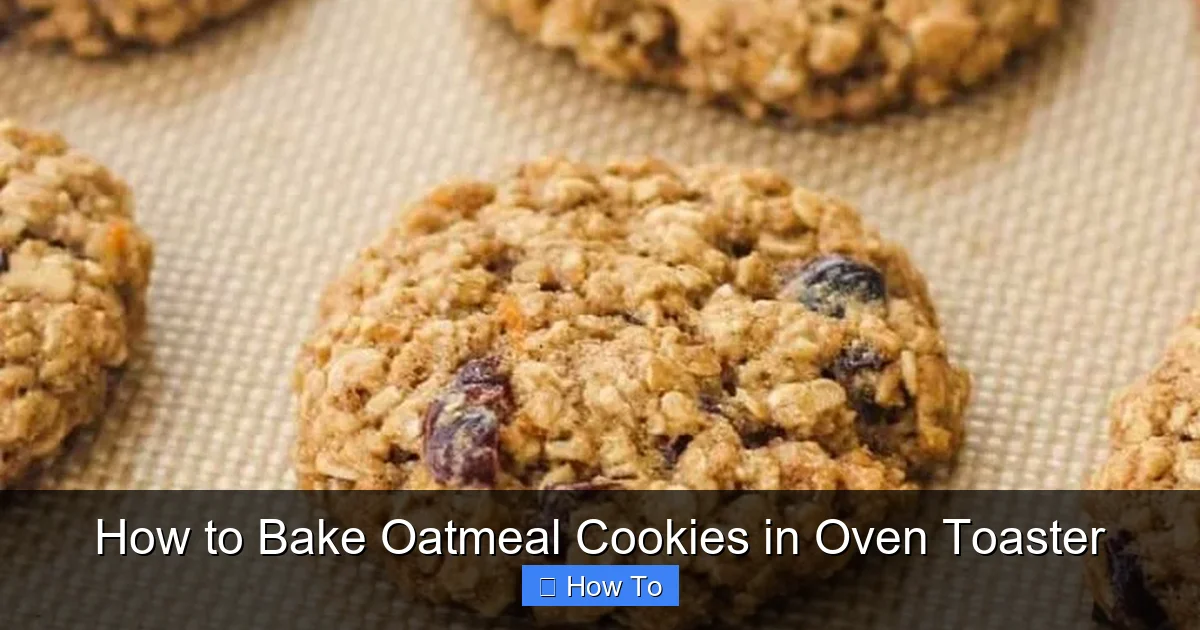
Line a small baking tray or cookie sheet with parchment paper or a silicone baking mat. This prevents sticking and makes cleanup easier. If you prefer a crispier bottom, you can lightly grease the parchment with a touch of butter or oil, but this is usually unnecessary for oatmeal cookies.
Make sure the tray fits comfortably inside your toaster oven with at least an inch of clearance on all sides. Proper airflow is essential for even baking; a tray that’s too large can block the convection fan and create hot spots.
Portioning and Spacing
Using a cookie scoop or two tablespoons, drop rounded mounds of dough onto the prepared tray. Aim for portions about 1.5 inches in diameter. Leave at least 2 inches between each mound to allow for spreading. If you’re making larger cookies, increase the spacing accordingly.
For uniformly shaped cookies, you can gently roll the dough between your palms before placing it on the tray. This step is optional but helps achieve a professional look, especially if you’re gifting the cookies.
Baking Time and Temperature
Slide the tray into the middle rack of the toaster oven. Set the timer for 10 minutes. After the first 8 minutes, begin checking for doneness through the oven window—avoid opening the door too often, as this releases heat and can extend bake time.
The cookies are ready when the edges are golden brown and the centers look set but still slightly soft. They will continue to firm up as they cool on the tray. If you prefer a crisper cookie, bake for an additional 1‑2 minutes, watching closely to prevent over‑browning.
If you’re using the convection setting, start checking at 7 minutes, as the circulating air speeds up the baking process.
Checking for Doneness
A reliable test is to lightly press the center of a cookie with a fingertip. It should spring back slightly without leaving a deep indent. Another method is to insert a toothpick near the edge; it should come out with a few moist crumbs but not wet batter.
Remember that residual heat will continue to cook the cookies for a minute or two after they’re removed from the oven. Transferring them to a wire rack shortly after baking helps halt this process and prevents the bottoms from becoming soggy.
Cooling, Storing, and Serving Tips
The work doesn’t end when the timer dings. Proper cooling and storage are key to maintaining that desirable chewy texture and fresh flavor.
Proper Cooling on a Wire Rack
Once the cookies are out of the oven, let them sit on the baking tray for 2 minutes. This brief rest allows them to firm up enough to move without breaking. Then, using a spatula, transfer each cookie to a wire cooling rack. Cooling on a rack promotes air circulation underneath, preventing steam from getting trapped and making the bottoms soggy.
Allow the cookies to cool completely—about 15‑20 minutes—before stacking them in a container. Warm cookies release moisture, which can make stored cookies limp if sealed too soon.
Storing for Freshness
Place the cooled cookies in an airtight container or a resealable plastic bag. To keep them extra chewy, add a slice of fresh bread or a damp paper towel (placed in a separate compartment) to the container; the bread will release moisture that the cookies absorb, staying soft for up to 5 days.
If you prefer a crispier texture, store the cookies without any added moisture source and consume them within 3 days. For longer storage, freeze the cookies in a single layer on a tray, then transfer them to a freezer‑safe bag. They’ll keep for up to 3 months; thaw at room temperature or warm briefly in the toaster oven before serving.
Reheating in the Toaster Oven
To revive day‑old cookies, preheat the toaster oven to 300 °F (150 °C) and place the cookies on a tray for 2‑3 minutes. This short burst of heat restores the soft, freshly‑baked feel without over‑drying them. Avoid microwaving, as it can make the cookies rubbery.
Troubleshooting Common Issues
Even with a solid recipe, occasional hiccups happen. Below are common problems and how to fix them.
Cookies Too Flat or Spread
If your cookies spread out into thin, crisp discs, the dough may have been too warm or the butter too soft. Chill the dough for at least 20 minutes before baking, and ensure your butter is softened, not melted. Also, check that you’re not over‑greasing the parchment—excess fat can encourage spreading.
Cookies Too Dry or Crumbly
A dry, crumbly texture usually indicates too much flour or not enough fat/liquid. Measure your flour using the spoon‑and‑level method (spoon flour into the measuring cup, then level off) to avoid packing too much. If the dough feels dry while mixing, add a teaspoon of milk or water at a time until it comes together smoothly.
Uneven Browning
Uneven color can result from hot spots in the toaster oven or overcrowding the tray. Rotate the tray halfway through baking to promote even exposure. Make sure there’s adequate space between cookies and that the tray isn’t touching the oven walls, which can block airflow.
Creative Variations and Add‑Ins
Once you’ve mastered the basic oatmeal cookie, feel free to experiment with flavors and textures. Here are a few ideas to inspire your next batch.
Chocolate Chip Oatmeal Cookies
Fold in ½‑¾ cup of semi‑sweet chocolate chips along with the oats. For a deeper flavor, use dark chocolate chips or add a teaspoon of espresso powder to the dry ingredients. The chocolate melts into pockets of gooey goodness that contrast beautifully with the chewy oat base.
Fruit and Nut Oatmeal Cookies
Combine ½ cup chopped dried cranberries or cherries with ¼ cup toasted walnuts or pecans. Add a pinch of orange zest to brighten the fruit flavors. This variation makes a festive treat perfect for holidays or gifting.
Savory Oatmeal Cookie Twists
For an unconventional snack, reduce the sugar to 2 tablespoons and add ½ cup grated Parmesan cheese, ¼ cup finely chopped fresh herbs (like rosemary or thyme), and a pinch of black pepper. These savory oatmeal bites pair well with soups or salads and showcase the versatility of oats beyond sweet desserts.
Conclusion
Baking oatmeal cookies in an oven toaster is a simple, efficient, and rewarding process that yields delicious results without the energy drain of a full‑size oven. By selecting quality oats, balancing sweeteners, and following the steps for dough preparation, toaster‑oven preheating, and proper cooling, you can achieve consistently chewy, flavorful cookies every time.
Remember to keep an eye on bake time, use proper spacing, and store your cookies with a slice of bread to maintain that perfect texture. With the troubleshooting tips and creative variations provided, you’ll have the confidence to adapt the recipe to your taste preferences and dietary needs.
So the next time a cookie craving strikes, reach for your toaster oven, whip up a batch of oatmeal dough, and enjoy warm, homemade treats in minutes. Happy baking!
Frequently Asked Questions
Can I bake oatmeal cookies in a toaster oven without parchment paper?
Yes, you can lightly grease the baking tray with butter or oil, but parchment paper or a silicone mat prevents sticking and makes cleanup easier. If you skip parchment, watch the cookies closely to avoid burning on the bottom.
What temperature should I set my toaster oven for oatmeal cookies?
A temperature of 325 °F (163 °C) works well for most toaster ovens. If your model has a convection fan, you can lower the temperature to 300 °F (150 °C) and reduce baking time by a minute or two.
How do I know when my oatmeal cookies are done baking?
Look for golden‑brown edges and a set center that still looks slightly soft. A gentle press in the middle should spring back without leaving a deep indent. The cookies will firm up as they cool.
Can I freeze oatmeal cookie dough for later use?
Absolutely. Scoop the dough onto a tray, freeze until solid, then transfer the frozen balls to a zip‑top bag. Bake from frozen, adding an extra 1‑2 minutes to the bake time.
Are oatmeal cookies healthier than regular chocolate chip cookies?
Oatmeal cookies often contain more fiber and less refined sugar, especially if you use rolled oats and reduce the sugar amount. Adding nuts, seeds, or dried fruit boosts nutrients, making them a somewhat healthier option while still being a treat.