How to Bake in Oven Toaster Without Temperature
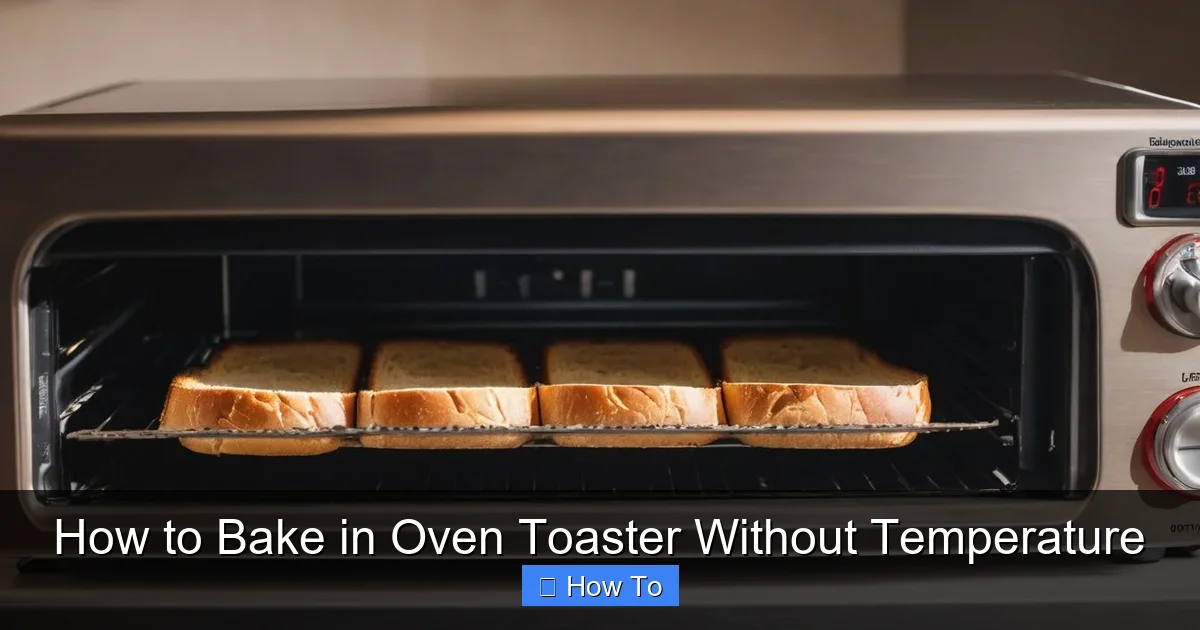
When your toaster oven lacks a temperature control, you can still bake successfully by relying on visual cues, precise timing, and a few clever tricks. This article shows you how to adjust for different foods, keep your appliance safe, and achieve consistent results every time.
When your toaster oven does not have a temperature knob, it can feel like you are cooking in the dark. However, you can still achieve consistent results by learning to read the oven’s behavior and using simple timing strategies. This guide will show you how to bake a variety of foods without relying on a temperature setting.
You will discover how to use visual cues, how to adjust cooking times, and how to keep your appliance safe. By the end, you will feel confident enough to try new recipes and enjoy perfectly cooked meals.
Key Takeaways
- Understand the heating elements: Knowing how the top and bottom coils work helps you predict cooking behavior.
- Watch for visual cues: Color changes, bubbling, and browning are reliable indicators of doneness.
- Use precise timing: Set a timer and avoid opening the door too often to maintain heat.
- Rotate the pan: Halfway through cooking, turn the pan for even results.
- Keep the oven clean: Residual grease can cause hot spots and affect taste.
- Test with a simple recipe: A slice of toast or a cookie can help you calibrate your technique.
📑 Table of Contents
Understanding Your Toaster Oven
How the Heating Elements Work
Most toaster ovens have two heating elements: one on the top and one on the bottom. The top element often gets hotter, which is why the surface of your food may brown faster. Knowing this helps you anticipate where the heat will concentrate.
The elements cycle on and off to maintain a set temperature, but without a dial they may run at a fixed power. This means the oven will stay at a constant output until you turn it off. Recognizing this pattern allows you to plan your cooking time more accurately.
Identifying Hot Spots
Every oven has areas that are warmer than others. To find these spots, you can perform a simple test: place a piece of bread on the rack and bake it for a few minutes. The bread will toast unevenly, revealing where the heat is strongest.
Once you know the hot spots, you can position your dishes to cook more evenly. For example, if the back of the oven is hotter, rotate your pan halfway through the cooking process.
Testing the Oven’s Heat
To get a feel for the oven, you can place a small oven-safe dish with a few drops of water on the rack. Turn the oven on for a minute and observe how quickly the water evaporates. This simple test gives you an idea of the heat intensity and helps you plan cooking times.
You can also use an inexpensive oven thermometer to measure the internal temperature. Although the oven lacks a control dial, the thermometer will tell you the actual heat level, making it easier to adjust cooking times for different recipes.
Make a note of how long it takes for the water to evaporate and the temperature reading. This information will help you estimate cooking times for future recipes and adjust for different foods.
Using Visual Cues and Timing
Watching for Color Changes
The most reliable indicator that your food is done is its appearance. Look for a golden‑brown crust on bread, a bubbling cheese on a casserole, or a firm texture on a piece of meat. These signs tell you that the internal temperature has reached a safe level.
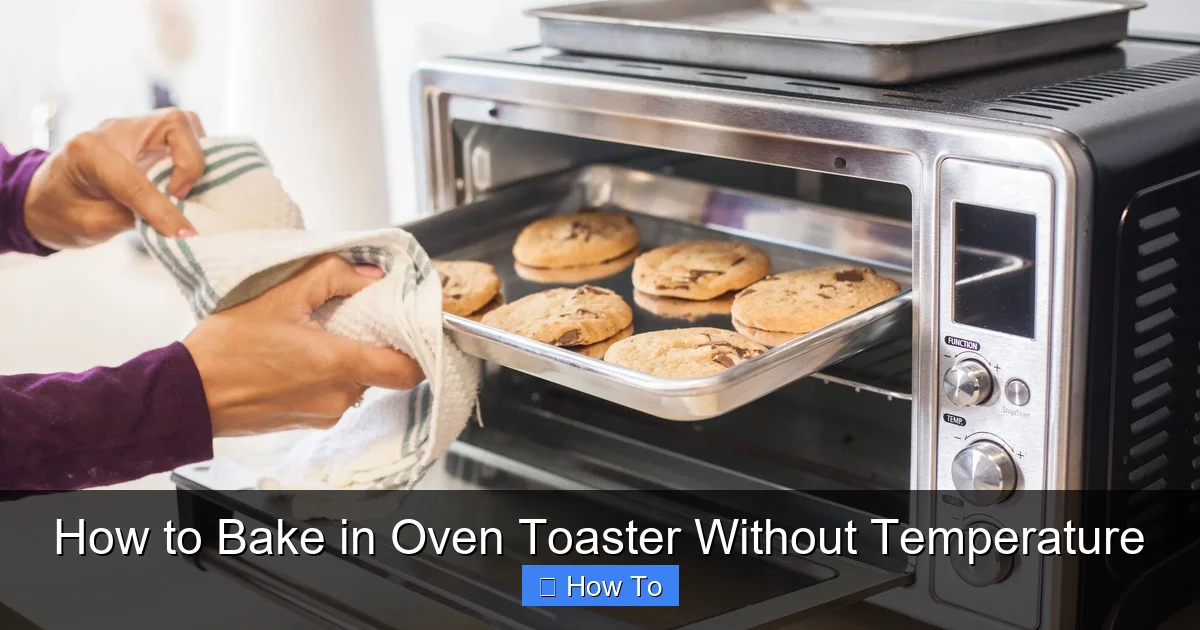
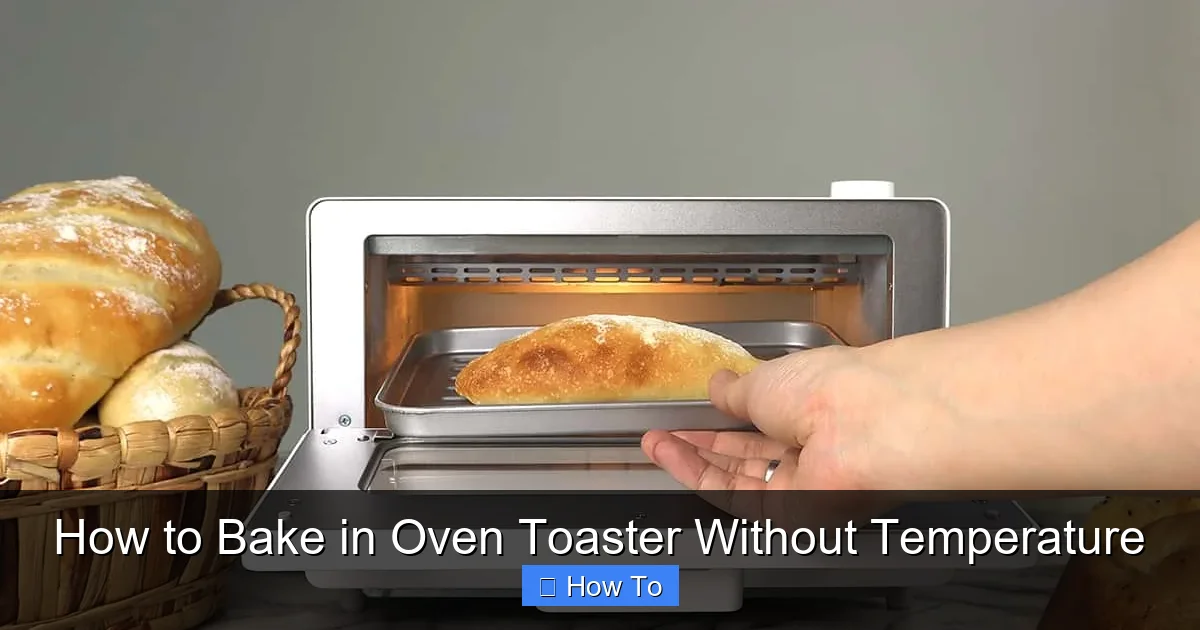
Visual guide about How to Bake in Oven Toaster Without Temperature
Image source: recipes.net
If you are unsure, you can use a food thermometer to check the internal temperature. This tool works even when the oven lacks a temperature control, giving you a precise reading.
Setting a Reliable Timer
Because you cannot set a specific temperature, you must rely on time. Start with the recommended cooking time from a similar recipe, then adjust based on what you see. It is better to check a minute early than to let the food overcook.
Use a kitchen timer and avoid opening the oven door too often. Each time you open the door, heat escapes, which can extend the cooking time and cause uneven results.
Using a Food Thermometer
A food thermometer is a valuable tool when you cannot rely on a temperature dial. Insert the probe into the thickest part of the food and wait for the reading. For most meats, aim for an internal temperature of 165°F (74°C) to ensure safety.
You can also use a digital thermometer with a probe that stays in the food while it cooks. This allows you to monitor the temperature without opening the door, helping you achieve perfect doneness every time.
To ensure accuracy, place the thermometer in a pot of boiling water and verify it reads 212°F (100°C) at sea level. If it is off, you can adjust your target temperatures accordingly.
Adapting Recipes for Different Foods
Baking Bread and Pastries
Bread needs a consistent heat source to rise properly. In a toaster oven without a temperature control, you can create a steamy environment by placing a shallow pan of water on the rack below the bread. The water will evaporate, providing the moisture that helps the crust develop.
For more ideas, see our guide on what to bake in oven toaster.
For pastries, aim for a light golden color. If the tops begin to brown too quickly, cover them loosely with foil for the remainder of the baking time. This prevents burning while allowing the inside to finish cooking.
Cooking Proteins
Proteins such as chicken breast, fish fillets, or pork chops require careful timing to stay moist. A good rule of thumb is to bake for about 20 minutes per pound, but always check for an internal temperature of 165°F (74°C) for poultry.
To learn how to bake chicken breast in oven without drying out, read our guide.
For a delicious crust, you can brush the surface with oil or a simple marinade before baking. This adds flavor and helps the exterior brown without drying out the interior.
Roasting Vegetables
Vegetables like potatoes, carrots, and broccoli benefit from high heat that caramelizes their natural sugars. Toss them with olive oil, salt, and pepper, then spread them in a single layer on a baking sheet.
If you want to try roasting potatoes, check out how to roast potatoes in toaster oven.
Because the oven may have hot spots, stir the vegetables halfway through the cooking time. This ensures even browning and prevents any piece from burning.
Baking Cookies and Cakes
Cookies and cakes need a gentle heat to rise evenly. Spread cookie dough on a parchment-lined tray and bake until the edges are lightly golden. For cakes, a toothpick inserted into the center should come out clean, indicating they are done.
You can also experiment with different flavors by adding chocolate chips, nuts, or dried fruit. Just be sure to keep an eye on the baking time, as these additions can affect how quickly the treat cooks.
When baking cakes, avoid opening the door too early, as this can cause the cake to collapse. Wait until the edges are set and the center springs back when lightly touched.
Cooking Fish
Fish fillets cook quickly and can dry out if left too long. Season the fillet with lemon, herbs, and a drizzle of oil, then bake for about 10 minutes. The flesh should appear opaque and flake easily with a fork.
For a crispy exterior, you can coat the fillet in breadcrumbs or a light batter. This adds texture and helps retain moisture while the fish cooks through.
For even cooking, pat the fillets dry before seasoning. This helps the crust form better and prevents steaming, resulting in a flakier texture.
Safety and Maintenance Tips
Cleaning the Oven
Residual food particles can cause smoke and affect the taste of your dishes. After each use, allow the oven to cool completely, then wipe the interior with a damp cloth. Pay special attention to the crumb tray, which catches crumbs and grease.
Visual guide about How to Bake in Oven Toaster Without Temperature
Image source: howdykitchen.com
A clean oven also reduces the risk of fire. Remove any buildup of grease or charred bits before they become a hazard.
Avoiding Burns
When the oven is in use, the exterior can become hot. Use oven mitts or a thick towel to handle the door and racks. Never touch the heating elements directly, as they can cause severe burns.
Keep children and pets away from the appliance while it is operating. The sudden release of heat when the door is opened can startle anyone nearby.
Storing Your Toaster Oven
When not in use, keep the toaster oven in a dry place with the door slightly ajar. This prevents moisture buildup and keeps the interior fresh. Avoid stacking items on top, as they can block ventilation.
Before storing, make sure the oven is completely cool and free of crumbs. A clean oven will not attract pests and will be ready for your next cooking session.
Periodically check the power cord for any signs of wear or damage. A frayed cord can be a safety hazard and should be replaced before using the appliance again.
Experimenting and Troubleshooting
Common Issues and Fixes
If your food comes out dry, it may have been overcooked. Try reducing the time by a few minutes next time and check for doneness earlier. Conversely, if the food is undercooked, extend the time in small increments.
Uneven browning often results from hot spots. Rotating the pan or rearranging the food can solve this problem. You can also move the rack to a different position to change the distance from the heating elements.
Creating Your Own Recipes
Once you feel comfortable, experiment with your own combinations. Start with a base of protein, add vegetables, and season with herbs and spices. Keep notes on the timing and results so you can refine each attempt.
Remember that practice makes perfect. The more you use your toaster oven, the better you will become at predicting how long each dish needs.
Adjusting for Altitude
At higher elevations, water evaporates faster, which can affect baking times. You may need to increase the cooking time slightly or add a splash of liquid to keep the food moist. Experiment with small changes and note the results.
Humidity also plays a role; on a rainy day, foods may take longer to bake. Adjust your expectations and use visual cues to determine when the food is ready.
If your toaster oven has a convection fan, you can use it to improve air circulation. This may reduce cooking time slightly, so keep an eye on the food and adjust as needed.
Final Thoughts
Baking in a toaster oven without a temperature setting may seem challenging, but with attention to visual cues, careful timing, and proper maintenance, you can produce delicious meals. Start with simple recipes, observe the changes, and gradually build confidence.
Enjoy the process, and don’t be afraid to try new foods. Your toaster oven can become a versatile tool in your kitchen, ready to deliver tasty results every time.
With practice, you will develop a sense of how long each food takes and when it reaches the perfect texture. Keep a notebook of your observations, and over time you will become a confident toaster oven chef.
Remember, the goal is to become comfortable with your appliance’s behavior. Over time, you will learn to trust your senses and create meals that delight your family and friends.
Frequently Asked Questions
Can I bake in a toaster oven without a temperature setting?
Yes, you can bake successfully by using visual cues and timing. Start with a known recipe and adjust the time based on how the food looks and feels.
How can I tell when my food is done?
Look for color changes, such as a golden crust, and check the internal temperature with a thermometer. The texture should be firm but still moist for many foods.
What is the best way to preheat a toaster oven without a dial?
Turn the oven on and let it run for a few minutes until it feels warm inside. You can also place a small oven-safe dish of water to create steam.
Can I use regular oven recipes in a toaster oven?
Yes, but you may need to reduce the cooking time because the smaller space heats up faster. Keep an eye on the food and be ready to adjust.
How do I prevent hot spots?
Rotate the pan halfway through cooking and use a rack that allows air to circulates. Testing with a slice of bread can help you identify uneven heat areas.
Is it safe to open the door while baking?
It is best to avoid opening the door often, as heat escapes and can cause uneven cooking. When you do open it, be careful of the hot steam and use oven mitts.