Is the Air Fryer a Convection Oven
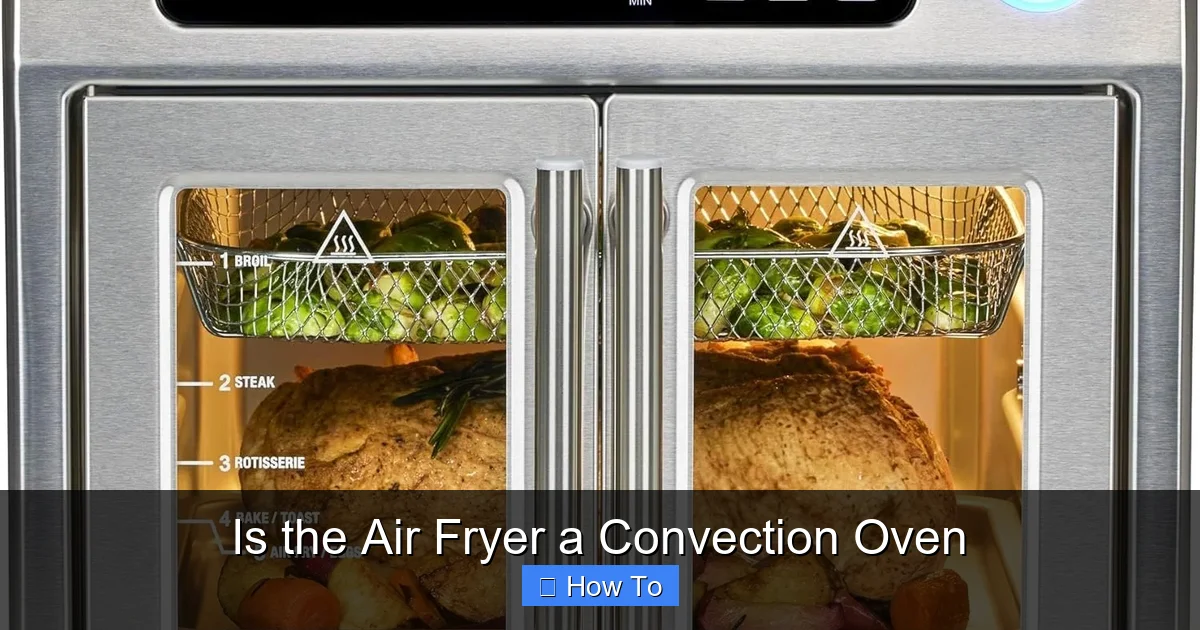
When you wonder Is the Air Fryer a Convection Oven, the answer isn’t a simple yes or no. Air fryers use rapid hot‑air circulation to cook food with little or no oil, while convection ovens circulate heat using a fan for broader, more even cooking. Understanding the core differences helps you choose the right tool for snacks, meals, and everything in between.
When kitchen enthusiasts ask, “Is the Air Fryer a Convection Oven?” they are really searching for clarity about two popular cooking tools that share a core concept—forced‑air heating—but serve different needs. This article breaks down the technology, compares performance, and helps you decide which appliance fits your cooking style. By the end, you’ll know exactly how these devices differ and when one can truly substitute for the other.
Key Takeaways
- Air fryers are small, oil‑saving devices. They heat a basket with circulating air, perfect for quick, crisp results.
- Convection ovens are larger and versatile. They use a fan to distribute heat evenly, ideal for roasting, baking, and browning.
- Both rely on forced‑air technology. The main distinction lies in size, power, and intended cooking style.
- Energy use varies. Air fryers typically consume less electricity for small portions, while convection ovens use more for larger loads.
- Recipe adaptation is possible. Many air fryer recipes can be modified for a convection oven, and vice versa.
- Maintenance differs slightly. Air fryers need regular basket cleaning; convection ovens require fan‑and‑door upkeep.
- Cost and space considerations matter. Air fryers fit on a countertop; convection ovens need dedicated kitchen space and a higher budget.
📑 Table of Contents
What Is an Air Fryer?
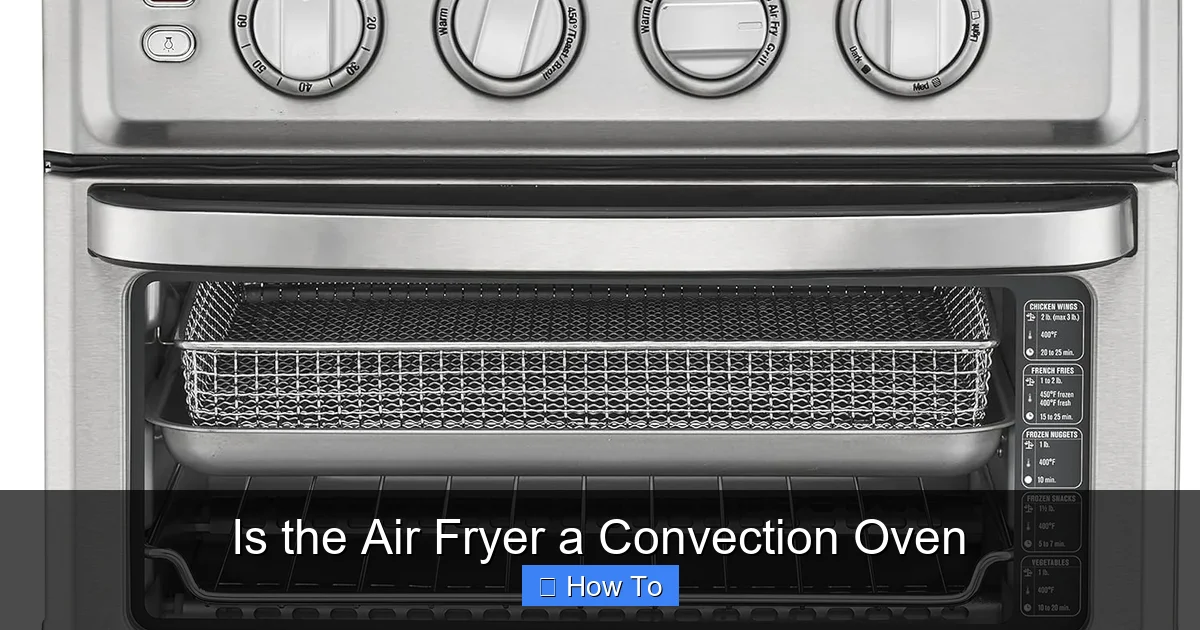
At its heart, an air fryer is a compact kitchen appliance designed to cook food using hot air circulation. The device heats a small space, often a metal basket, and a powerful fan blows the hot air over the food. This rapid airflow creates a crispy exterior while cooking the interior quickly, all with minimal added oil. Most air fryers range from 2‑to‑5 quarts in capacity, making them perfect for single‑serve meals or small family portions.
Core Technology
The core technology behind an air fryer mimics convection principles but on a miniature scale. Instead of a full‑size oven cavity, an air fryer encloses the food in a sealed basket. The heating element sits at the top or bottom, and the fan circulates the heated air in a tight loop. This design reduces cooking time dramatically—often by 30‑50 % compared to conventional ovens—and yields a texture that many compare to deep‑fried food.
Common Features
Modern air fryers often include digital controls, temperature presets, and even smart‑phone connectivity. Many models allow you to set temperatures from 180 °F to 400 °F in 5‑degree increments, giving precise control over crispness. Some units also include a dehydrate setting, which removes moisture from fruits and vegetables for healthy snacks.
What Is a Convection Oven?
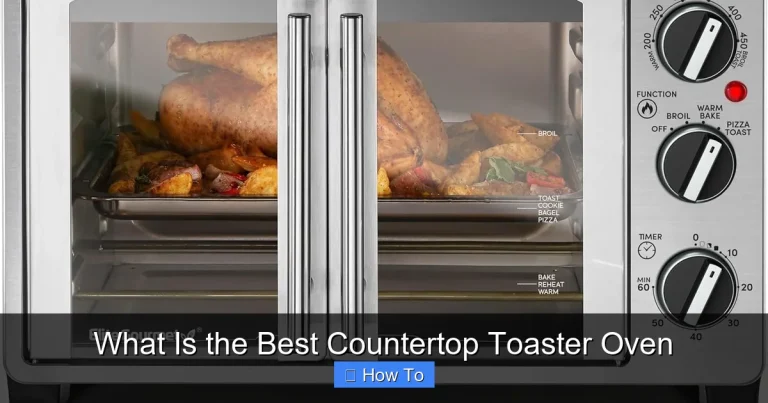
A convection oven, on the other hand, is a full‑size appliance that adds a fan and exhaust system to traditional electric or gas ovens. The fan forces hot air to move evenly throughout the cooking chamber, eliminating hot spots and ensuring uniform browning. Convection ovens are typically found in home kitchens, apartments, and commercial settings where larger batches need consistent heat.
Visual guide about Is the Air Fryer a Convection Oven
Image source: m.media-amazon.com
How Convection Works
In a convection oven, the heating element warms the air, and the fan circulates that air continuously. This forced‑air movement reduces cooking time by roughly 25 % compared to conventional ovens. Because the heat is distributed more evenly, foods like roasts, casseroles, and baked goods often come out golden and evenly cooked.
Typical Settings
Most convection ovens include a “Convection” setting, but many also allow you to disable the fan for traditional baking. Temperature adjustments are similar to standard ovens, ranging from 150 °F to 500 °F. Some models feature a “Quick Preheat” function that uses the fan to reach target temperature faster than a conventional oven.
Direct Comparison: Air Fryer vs. Convection Oven
When you ask, “Is the Air Fryer a Convection Oven?” you are really comparing two appliances that share the same basic heating principle but differ in scale, power, and application. Below is a side‑by‑side look at the key factors.

Visual guide about Is the Air Fryer a Convection Oven
Image source: storables.com
Heating Mechanisms
Both devices rely on a heating element and a fan to circulate hot air. However, an air fryer’s fan is optimized for a small, enclosed space, delivering high-velocity air directly onto the food. A convection oven’s fan is larger and moves air more gently across a spacious cavity. This means the air fryer creates a more intense, focused heat zone, while the convection oven provides a broader, gentler flow.
Cooking Speed and Energy Use
Speed is where the air fryer shines. Because the heated air is constantly hitting the food, cooking times can be as short as 8‑15 minutes for items like chicken wings or fries. Convection ovens, while faster than conventional ovens, still need 20‑45 minutes for similar results. Energy consumption also varies. An air fryer typically draws 1.5‑2.0 kW, whereas a convection oven can draw 2.0‑2.5 kW. For small meals, the air fryer is more efficient; for larger batches, the convection oven spreads the energy over more food.
For a deeper dive, see our guide on what is difference air fryer vs convection oven. This article breaks down the technical specs and real‑world performance in even greater detail.
When to Choose One Over the Other
Deciding between an air fryer and a convection oven often comes down to space, budget, and cooking goals. Below are scenarios that help you make the right choice.
Visual guide about Is the Air Fryer a Convection Oven
Image source: m.media-amazon.com
Space Constraints
If your countertop is limited, an air fryer’s small footprint is a clear winner. Most units sit on a 10‑inch‑wide surface and can be tucked away easily. A convection oven, however, requires a dedicated spot that can accommodate a 30‑inch‑wide appliance, plus clearance for ventilation.
Desired Cooking Results
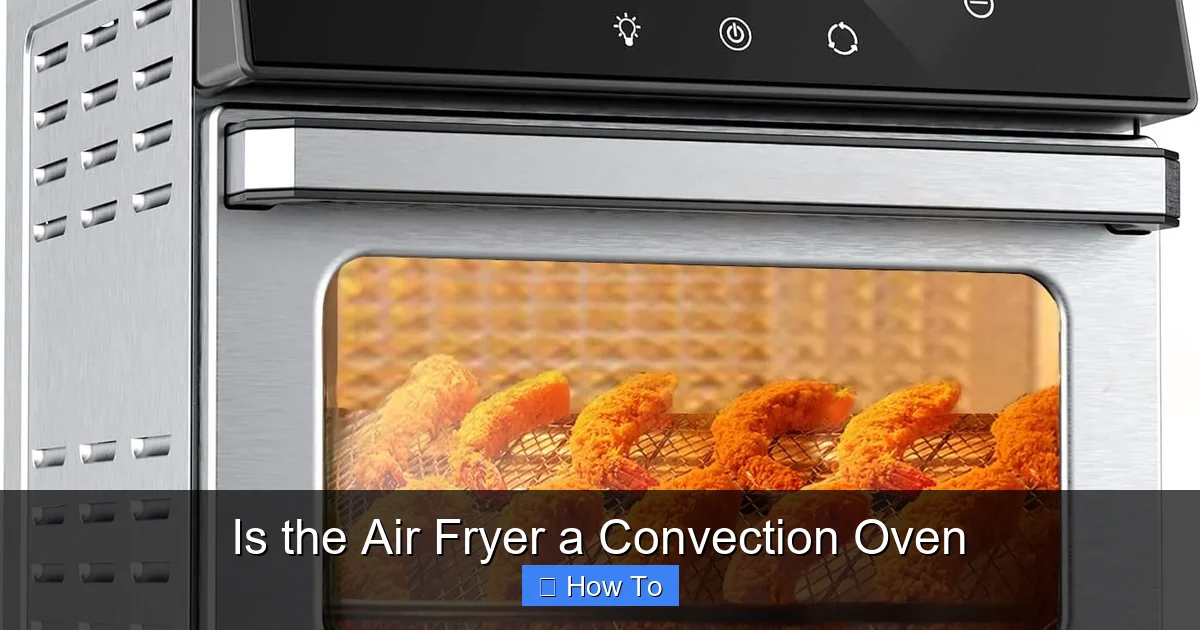
Air fryers excel at producing a crisp, “fried” texture with minimal oil. They are ideal for snacks, small roasts, and reheating leftovers. Convection ovens shine when you need to roast a whole chicken, bake several trays of cookies, or brown a casserole. Their larger capacity and even heat distribution make them the go‑to for bigger meals.
Practical Tips for Using Both
Even if you own both appliances, a little know‑how can maximize results and extend the life of each device.
Recipe Adaptation
Many air fryer recipes can be adapted for a convection oven by adjusting cooking time and temperature. For example, a recipe that calls for 375 °F in an air fryer for 12 minutes might work at 350 °F in a convection oven for 20 minutes. The key is to monitor visual cues—golden brown is usually a good sign.
Maintenance and Cleaning
Air fryers require regular basket removal and hand washing. The removable non‑stick coating should never go in the dishwasher. Convection ovens need periodic fan cleaning and door gasket checks. A simple mixture of baking soda and water can loosen stubborn crumbs in either appliance.
Verdict: Is the Air Fryer a Convection Oven?
After reviewing the technology, performance metrics, and real‑world use cases, the answer to “Is the Air Fryer a Convection Oven?” is nuanced. An air fryer is essentially a miniature convection appliance designed for speed and oil reduction. It shares the forced‑air principle but operates on a smaller scale with distinct cooking characteristics.
Final Thoughts
If you primarily cook small portions, want a quick crisp finish, and have limited counter space, an air fryer is the better fit. If you frequently roast large meats, bake multiple trays, or need a versatile cooking platform, a convection oven is the superior choice. Some households even keep both, using the air fryer for snacks and the convection oven for meals.
Recommendations
For most readers, the ideal setup is to own an air fryer for everyday convenience and a convection oven for larger, more complex dishes. When space is at a premium, consider a combo unit that merges both technologies—many modern “air fryer ovens” now offer dual functionality. For a deeper dive, check out is air fryer and oven the same to see how hybrid models compare.
Ultimately, understanding the similarities and differences between these appliances empowers you to make cooking faster, healthier, and more enjoyable. Whether you stick with one or embrace both, you’ll have the tools to tackle any recipe with confidence.
Frequently Asked Questions
Is an air fryer the same as a convection oven?
No. An air fryer is a small, countertop device that uses forced air to cook food quickly with little oil. A convection oven is a larger appliance that also uses a fan but can handle bigger loads and a wider range of cooking methods.
Can I replace a convection oven with an air fryer?
Only for small portions. An air fryer cannot bake a full‑size cake or roast a whole turkey, so it’s not a full replacement for a convection oven’s capacity and versatility.
Do air fryers use less electricity than convection ovens?
Generally yes. Air fryers typically draw 1.5‑2.0 kW, while convection ovens use 2.0‑2.5 kW, making the air fryer more energy‑efficient for single‑serve meals.
Is cooking time shorter in an air fryer compared to a convection oven?
Yes, cooking times are often 30‑50 % shorter in an air fryer because the hot air is focused directly on the food, whereas a convection oven distributes heat more evenly over a larger space.
Can I bake with an air fryer?
Limited options exist. Some air fryers have a baking tray accessory, but most are designed for quick, crispy results rather than traditional baking.
Do I need to oil food when using an air fryer?
Much less oil is needed—often 1‑2 tablespoons or less—to achieve a crisp texture. Some recipes even work without any added oil.