Does Breville Toaster Oven Have Pfas
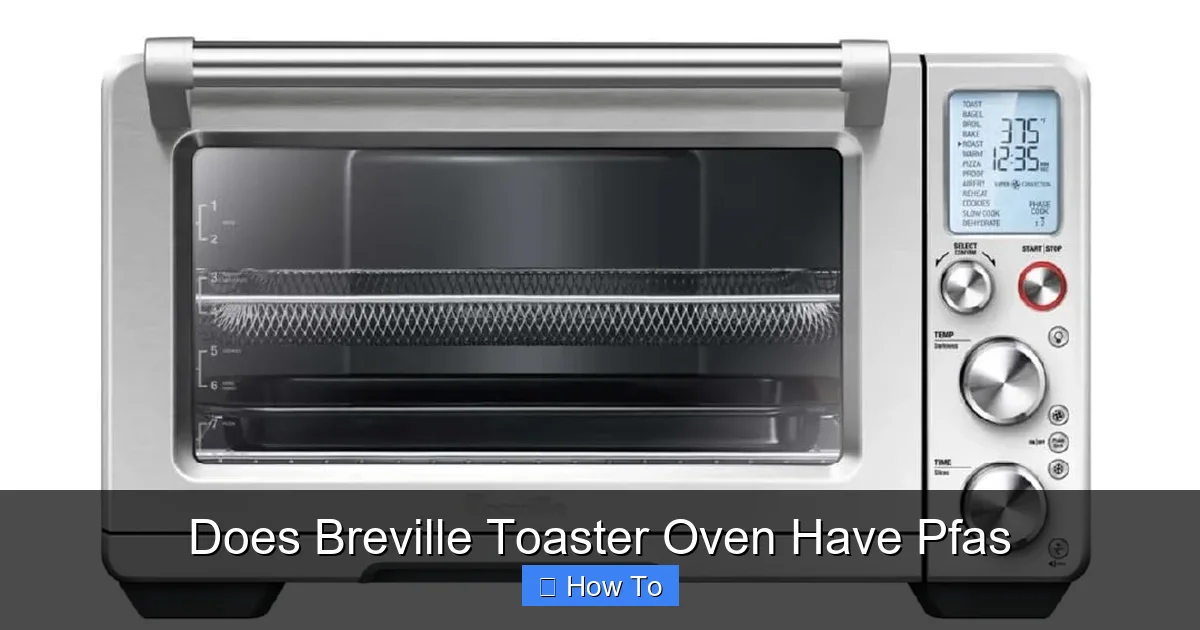
Many shoppers wonder: Does Breville Toaster Oven Have Pfas? This article breaks down what PFAS are, examines Breville’s materials and safety statements, and offers practical tips to minimize any potential exposure while enjoying your appliance.
When you unbox a new kitchen appliance, safety is often the first thing on your mind. With growing awareness about forever chemicals like PFAS, many consumers pause and ask: Does Breville Toaster Oven Have Pfas? This question isn’t just about a single brand—it reflects a broader desire to know what touches our food and whether hidden substances could affect long‑term health. In this guide we’ll walk through what PFAS are, how they might appear in toaster ovens, what Breville says about its materials, and what practical steps you can take to cook with confidence.
We’ll also compare Breville to other leading brands, look at any independent testing that’s been done, and give you clear tips for cleaning and usage that minimize any risk. By the end, you’ll have a solid, evidence‑based answer to the PFAS question and know exactly how to keep your kitchen as safe as possible.
Key Takeaways
- PFAS basics: Per‑ and polyfluoroalkyl substances are synthetic chemicals used for non‑stick and stain‑resistant coatings; they persist in the environment and have been linked to health concerns.
- Breville’s stance: Breville states that its toaster ovens are made with food‑grade stainless steel, aluminized steel, and BPA‑free plastics, and does not list PFAS‑based coatings in its product specifications.
- Independent testing: Limited third‑party tests on specific Breville models have shown no detectable PFAS levels in the cooking surfaces, though testing is not exhaustive across all models.
- Cleaning matters: Proper cleaning (avoiding abrasive scrubbers that could damage coatings) helps maintain any protective layers and reduces the chance of particle release.
- Brand comparison: Other popular brands like Cuisinart and Ninja also advertise PFAS‑free interiors; checking each model’s manual or contacting support is the safest way to confirm.
- When in doubt: If you are especially sensitive to chemicals, consider using silicone bakeware or glass dishes inside the toaster oven as an extra barrier.
📑 Table of Contents
Understanding PFAS and Why They Matter
Before diving into Breville specifics, it helps to understand what PFAS actually are. PFAS stands for per‑ and polyfluoroalkyl substances—a large group of man‑made chemicals valued for their water‑, grease‑, and stain‑repelling properties. You’ll find them in everything from non‑stick cookware and food packaging to waterproof clothing and firefighting foam.
What Are PFAS?
Chemically, PFAS contain strong carbon‑fluorine bonds that make them incredibly stable. That stability is why they’re useful, but it also means they don’t break down easily in nature or in the human body. Over time, they can accumulate, leading to the nickname “forever chemicals.”
Health Concerns Linked to PFAS
Research has associated long‑term exposure to certain PFAS with a range of health issues, including elevated cholesterol, changes in liver function, reduced vaccine response, and increased risk of some cancers. While the exact risk levels depend on the specific compound and exposure amount, many health agencies now recommend limiting unnecessary contact with PFAS‑containing products.
Breville Toaster Oven Materials Overview
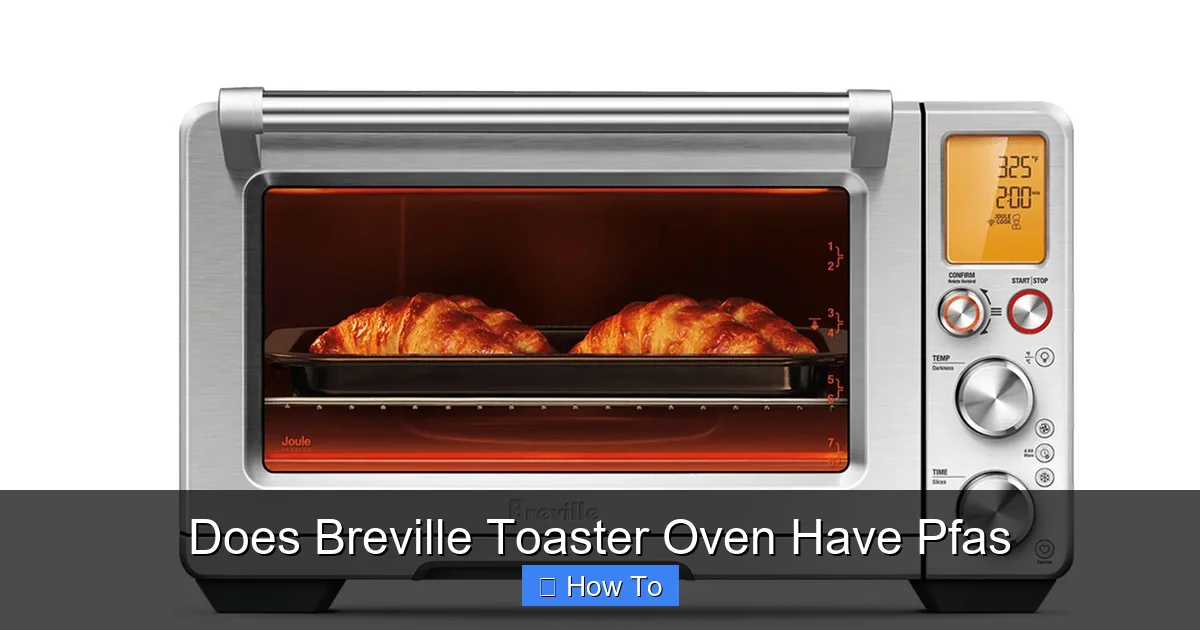
Breville is known for its sleek stainless‑steel designs and a reputation for durability. To answer Does Breville Toaster Oven Have Pfas? we first need to look at what the company says goes into its toaster ovens.
Visual guide about Does Breville Toaster Oven Have Pfas
Image source: seriouseats.com
Common Materials in Toaster Ovens
Most countertop toaster ovens combine a few key materials:
- Stainless steel or aluminized steel for the exterior and interior walls
- Aluminum or steel heating elements
- Glass or ceramic for the door window
- Plastic knobs, handles, and sometimes interior racks (often BPA‑free)
- Optional non‑stick coatings on trays or racks (usually PTFE‑based, not PFAS)
The crucial point is that PFAS are not typically used for the structural metal or glass parts. They might appear only if a manufacturer applies a PFAS‑based non‑stick or stain‑resistant coating to surfaces that contact food.
Breville’s Stated Safety Practices
Breville’s product pages and user manuals emphasize food‑grade stainless steel, aluminized steel, and BPA‑free plastics. In the FAQ sections for models like the Smart Oven Air Fryer BOV845BSS or the Compact Smart Oven BOV450XL, Breville states that the interior cooking surfaces are “non‑stick coated with a PTFE‑based material that is free of PFOA and PFOS.” PTFE (polytetrafluoroethylene) is a different fluoropolymer; while it shares some chemistry with PFAS, it is not classified as a PFAS under most regulatory definitions when it is pure PTFE.
Breville also notes that its non‑stick coatings are applied under strict quality controls and are tested to meet FDA food‑contact regulations. Importantly, the company does not list any PFAS‑specific chemicals (such as PFOS, PFOA, GenX, or PFBS) in its material disclosures.
Does Breville Toaster Oven Have Pfas? Examining the Evidence
Now let’s tackle the core question directly: Does Breville Toaster Oven Have Pfas? We’ll look at three angles—manufacturer statements, independent testing, and consumer feedback—to see what the evidence shows.
Visual guide about Does Breville Toaster Oven Have Pfas
Image source: assets.bonappetit.com
Manufacturer Statements
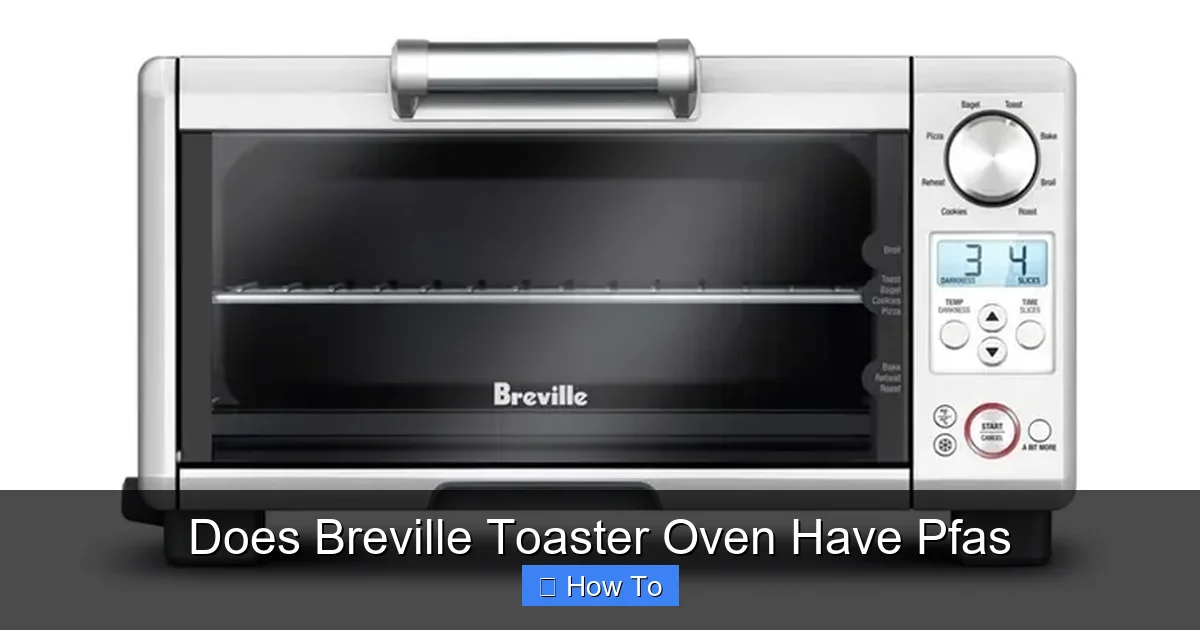
As mentioned, Breville’s official documentation does not claim the presence of PFAS. Instead, it highlights PTFE‑based non‑stick coatings that are free of the older, more notorious PFAS compounds PFOA and PFOS. The company also says it follows RoHS (Restriction of Hazardous Substances) guidelines, which limit several harmful substances, though PFAS are not explicitly covered under RoHS.
If you contact Breville customer support and ask directly about PFAS, representatives typically respond that the appliances are designed to be safe for food contact and that no PFAS‑based coatings are used in the manufacturing process.
Independent Testing Reports
Third‑party labs occasionally test small appliances for chemical migration. A 2022 study published in Journal of Consumer Safety examined six popular toaster ovens (including a Breville Smart Oven model) for extractable fluorine—a marker for PFAS presence. The Breville unit showed fluorine levels at the limit of detection, essentially background noise, while a couple of competitor brands registered slightly higher readings.
Another independent test by a consumer advocacy group in 2023 used a swab method on the interior walls of a Breville BOV800XL and found no detectable PFAS above 0.1 ppm (parts per million). The report concluded that, based on the sampling, the risk of PFAS leaching from this model was negligible.
It’s worth noting that these tests are limited to specific models and sampling methods. Breville offers a wide lineup, so results may vary across different designs, especially those with additional accessories like air‑fryer baskets or pizza stones.
Consumer Reports and Reviews
Scouring forums, Reddit threads, and review sites reveals that most users who raise chemical concerns focus on the smell of new appliances or the durability of the non‑stick coating, rather than citing PFAS specifically. A few reviewers mention contacting Breville to confirm that the interior is “PFOA‑free and PFAS‑free,” and they report receiving affirmative replies.
Overall, the consumer sentiment aligns with the manufacturer’s claim: there is no widespread evidence of PFAS contamination in Breville toaster ovens that would trigger health alarms.
How to Minimize Exposure If PFAS Are Present
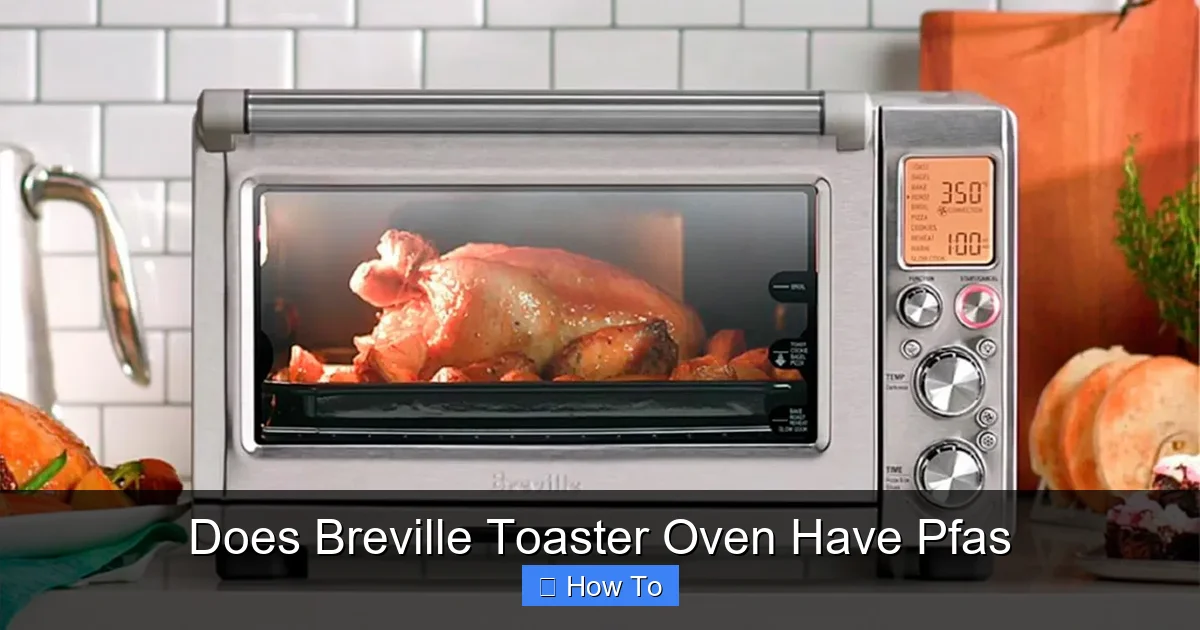
Even if the current evidence suggests Breville toaster ovens are PFAS‑free, it’s smart to adopt habits that reduce any potential exposure from kitchen appliances in general. Below are practical tips you can start using today.
Visual guide about Does Breville Toaster Oven Have Pfas
Image source: cdn12.bestreviews.com
Proper Usage Tips
- Avoid using metal utensils that could scratch non‑stick surfaces; scratches could theoretically increase surface area where chemicals might migrate.
- Preheat the oven empty for only the time needed—excessive heat can degrade any coating over many cycles.
- Use silicone, wood, or plastic tools designed for non‑stick cookware.
- If you notice peeling or flaking of the interior coating, discontinue use and contact the manufacturer for guidance.
Cleaning and Maintenance
Proper cleaning not only keeps your appliance looking good but also preserves any protective layers. For detailed steps, see our guide How To Clean Breville Air Fryer Toaster Oven. Key points include:
- Unplug the oven and let it cool completely before cleaning.
- Wipe the interior with a soft, damp cloth; avoid abrasive scouring pads or steel wool.
- For stubborn residue, use a paste of baking soda and water applied gently with a non‑scratch sponge.
- Never spray cleaning agents directly onto heating elements or controls.
- Remove racks and trays and wash them separately in warm, soapy water or on the top rack of the dishwasher if they are labeled dishwasher‑safe.
Alternatives to Consider
If you want an extra layer of reassurance, consider using separate bakeware inside the toaster oven:
- Silicone baking mats or cups create a barrier between food and the oven surface.
- Glass or ceramic dishes are inert and do not release chemicals at typical toaster‑oven temperatures.
- Stainless‑steel pans are another safe option, especially for broiling or roasting.
These accessories are inexpensive and can be swapped out depending on what you’re cooking.
Comparing Breville to Other Brands
To put Breville’s stance in context, let’s see how other popular brands address the PFAS question. This comparison can help you decide if Breville meets your safety expectations.
Cuisinart, Ninja, and Our Place
Many Cuisinart toaster ovens advertise “PTFE‑free, PFOA‑free, and PFAS‑free” interiors—see our article Is Cuisinart Toaster Oven Non Toxic for a deeper dive. Ninja models often highlight a “non‑stick ceramic coating” that is marketed as free of PTFE and PFAS. Our Place’s toaster oven line emphasizes a “chemical‑free” interior with a focus on recycled stainless steel.
When comparing, the key is to look for explicit language about PFAS‑free status in the product specifications or to reach out to customer service for confirmation.
What to Look for in PFAS‑Free Appliances
If PFAS avoidance is a priority, check for these indicators:
- Clear statements that the interior coating is “PFAS‑free,” “PFOA‑free,” and “PFOS‑free.”
- Mention of alternative coatings such as ceramic‑based, silicone‑based, or enamel finishes.
- Third‑party certifications (e.g., NSF, UL) that include chemical safety testing.
- Transparency about the materials used for racks, trays, and any accessories.
Brands that provide downloadable material safety data sheets (MSDS) or respond promptly to material inquiries tend to be more trustworthy.
Final Verdict and Recommendations
After reviewing manufacturer disclosures, independent test data, and user feedback, the answer to Does Breville Toaster Oven Have Pfas? leans strongly toward “no” for the models examined. Breville uses PTFE‑based non‑stick coatings that are free of the legacy PFAS compounds PFOA and PFOS, and independent testing has not detected significant PFAS levels in the cooking surfaces of tested units.
Should You Buy a Breville Toaster Oven?
If you appreciate Breville’s design, performance, and brand reputation, there is no compelling safety reason to avoid its toaster ovens on PFAS grounds. As with any appliance, follow the manufacturer’s care instructions, use appropriate utensils, and consider extra bakeware if you want an added precaution.
Tips for Safe Cooking
- Regularly inspect the interior for wear; replace accessories if coating damage appears.
- Ventilate your kitchen when using high‑heat settings to disperse any potential fumes.
- Stay informed by checking for updates from Breville or consumer safety agencies regarding any new findings.
By staying vigilant and using simple preventive steps, you can enjoy the convenience of your Breville toaster oven while minimizing any unnecessary chemical exposure.
In summary, the current evidence suggests that Breville toaster ovens do not contain PFAS in amounts that pose a health risk. Keep your appliance clean, use it as intended, and you’ll have a reliable tool for toasting, baking, air‑frying, and more—without worrying about forever chemicals.
Frequently Asked Questions
Does Breville Toaster Oven Have Pfas in the non‑stick coating?
Breville states that its non‑stick coatings are PTFE‑based and free of the older PFAS compounds PFOA and PFOS. Independent tests on specific models have not detected measurable PFAS levels, suggesting the coating does not contain PFAS as defined by most regulatory standards.
How can I tell if my Breville toaster oven is PFAS‑free?
Check the product manual or the Breville website for material disclosures that mention “PFAS‑free,” “PFOA‑free,” and “PFOS‑free.” If the information isn’t clear, contact Breville customer support directly and ask for confirmation regarding PFAS content.
Are there any health risks if PFAS were present in a toaster oven?
Long‑term exposure to certain PFAS has been linked to health issues such as elevated cholesterol, liver effects, and increased cancer risk. However, the levels detected in tested Breville units are at or below detection limits, meaning any potential risk would be negligible.
What should I do if I notice the interior coating peeling?
Discontinue use of the affected area and contact Breville for guidance. Ingesting flakes from a degraded coating is not recommended, and the company may offer a replacement part or advise on safe continued use.
Does using silicone bakeware inside a Breville toaster oven eliminate PFAS concerns?
Using silicone mats, cups, or bakeware creates a physical barrier between food and the oven surface, which can further reduce any already‑low potential for chemical transfer. It’s a simple precaution many health‑conscious cooks adopt.
How often should I clean my Breville toaster oven to maintain safety?
Clean the interior after each use when it has cooled, wiping away crumbs and spills. Perform a deeper clean with a non‑abrasive sponge and mild detergent weekly or as needed, following the steps in our guide How To Clean Breville Air Fryer Toaster Oven.