What Is Turbo on Toaster Oven
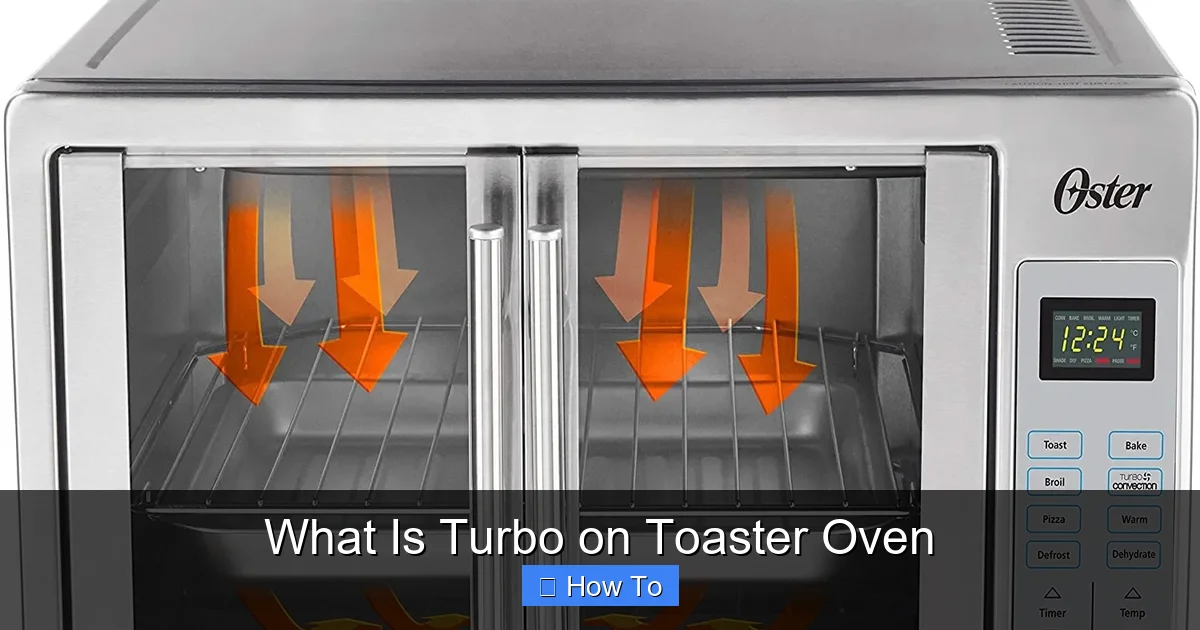
Turbo on a toaster oven combines convection and broil functions to cook food faster and more evenly. This powerful setting uses a fan to circulate superheated air, making it ideal for roasting, browning, and crisping. Understanding turbo mode helps you save time and energy while achieving restaurant-quality results at home.
Key Takeaways
- Turbo combines convection and broil: This dual function circulates hot air while applying direct top heat for faster cooking.
- Perfect for roasting and crisping: Use turbo for vegetables, meats, and pastries that need golden brown finishes.
- Watch your cooking time: Food cooks 25-30% faster in turbo mode, so reduce recipes times accordingly.
- Use the right pans: Light-colored metal pans work best; avoid glass or dark coatings that may overheat.
- Not for delicate baking: Skip turbo for cakes or soufflés where gentle, even heat is needed.
- Clean regularly: Grease buildup affects fan performance and turbo efficiency.
📑 Table of Contents
- What Does Turbo Mean on a Toaster Oven?
- How Turbo Mode Works
- What Foods Benefit Most from Turbo
- When NOT to Use Turbo
- Tips for Using Turbo Mode Safely
- Turbo vs Convection: What’s the Difference?
- Cleaning and Maintenance
- Energy Efficiency of Turbo Mode
- Common Mistakes to Avoid
- Turbo Settings on Popular Models
- Turbo for Meal Prep
- Safety First with Turbo
- Troubleshooting Turbo Issues
- Turbo and Aluminum Foil
- Turbo for Pizza and Bread
- Turbo for Frozen Foods
- Understanding Your Toaster Oven Manual
- Turbo for Small Kitchens
- Comparing Turbo to Air Fryer
- Maximizing Turbo Performance
- Turbo for Fish and Seafood
- Using Turbo for Breakfast
- Turbo for Desserts
- Turbo and Meat Thermometers
- Turbo for Casseroles
- Understanding Heat Distribution
- Turbo for Sheet Pan Dinners
- Turbo and Nonstick Cookware
- Turbo for Reheating Sandwiches
- Turbo for Roasting Nuts
- Turbo for Dehydrating
- Turbo for Baking Potatoes
- Turbo for Browning Butter
- Turbo for Drying Herbs
- Turbo for Warming Plates
- Turbo for Toasting Bread
- Turbo for Melting Cheese
- Turbo for Cooking Bacon
- Turbo for Roasting Garlic
- Turbo for Heating Oil
- Turbo for Proofing Dough
- Turbo for Making Croutons
- Turbo for Warming Tortillas
- Turbo for Cooking Sausage
- Turbo for Cooking Fish Fillets
- Turbo for Cooking Shrimp
- Turbo for Cooking Vegetables
- Turbo for Cooking Chicken
- Turbo for Cooking Steak
- Turbo for Cooking Bacon Wrapped Foods
- Turbo for Cooking Stuffed Peppers
- Turbo for Cooking Meatballs
- Turbo for Cooking Meatloaf
- Turbo for Cooking Casseroles
- Turbo for Cooking Lasagna
- Turbo for Cooking Mac and Cheese
- Turbo for Cooking Scalloped Potatoes
- Turbo for Cooking Green Bean Casserole
- Turbo for Cooking Pot Pie
- Turbo for Cooking Fried Chicken
- Turbo for Cooking Fish Sticks
- Turbo for Cooking Chicken Nuggets
- Turbo for Cooking Tater Tots
- Turbo for Cooking Onion Rings
- Turbo for Cooking Mozzarella Sticks
- Turbo for Cooking Zucchini Fries
- Turbo for Cooking Chicken Wings
- Turbo for Cooking Drumsticks
- Turbo for Cooking Thighs
- Turbo for Cooking Breast
- Turbo for Cooking Pork Chops
- Turbo for Cooking Salmon
- Turbo for Cooking Tilapia
- Turbo for Cooking Cod
- Turbo for Cooking Halibut
- Turbo for Cooking Trout
- Turbo for Cooking Catfish
- Turbo for Cooking Mahi Mahi
- Turbo for Cooking Swordfish
- Turbo for Cooking Tuna
- Turbo for Cooking Scallops
- Turbo for Cooking Lobster
- Turbo for Cooking Crab
- Turbo for Cooking Mussels
- Turbo for Cooking Clams
- Turbo for Cooking Oysters
- Turbo for Cooking Shrimp Scampi
- Turbo for Cooking Garlic Butter Shrimp
- Turbo for Cooking Lemon Herb Chicken
- Turbo for Cooking Honey Garlic Chicken
- Turbo for Cooking BBQ Chicken
- Turbo for Cooking Buffalo Wings
- Turbo for Cooking Chicken Tenders
- Turbo for Cooking Fish Tacos
What Does Turbo Mean on a Toaster Oven?
You see the button. You press it. But what does turbo actually do? Turbo on toaster oven mode is a powerful cooking setting that combines two functions into one. It uses convection fans with broil heat. The result is fast, even cooking with a perfect brown finish.
Many people wonder about turbo on a Oster toaster oven. Oster models often feature this setting. But other brands use it too. The concept is similar across the board. You get intense heat plus circulating air. This cooks food much faster than standard bake mode.
The Science Behind Turbo Mode
Turbo mode works by activating multiple heating elements. The top element burns hot for broiling. The fan circulates this heat around the food. This creates a convective effect. Hot air moves constantly over your meal.
Regular bake mode uses steady heat. Turbo adds force to that heat. The fan pushes air at high speed. This removes the cool air pockets. Every part of your food gets equal attention. This is why turbo cooks so evenly.
How Turbo Differs from Regular Settings
Standard bake uses bottom heat only. Convection adds a fan but no extra top heat. Turbo combines both. It is like convection on steroids. The temperature rises faster. The cooking time drops significantly.
Think of it like this. Regular bake is a gentle oven. Convection is a breezy day. Turbo is a windstorm with a blowtorch. You need to watch your food closely. Things cook fast in turbo mode.
How Turbo Mode Works
The Role of the Fan and Heating Elements
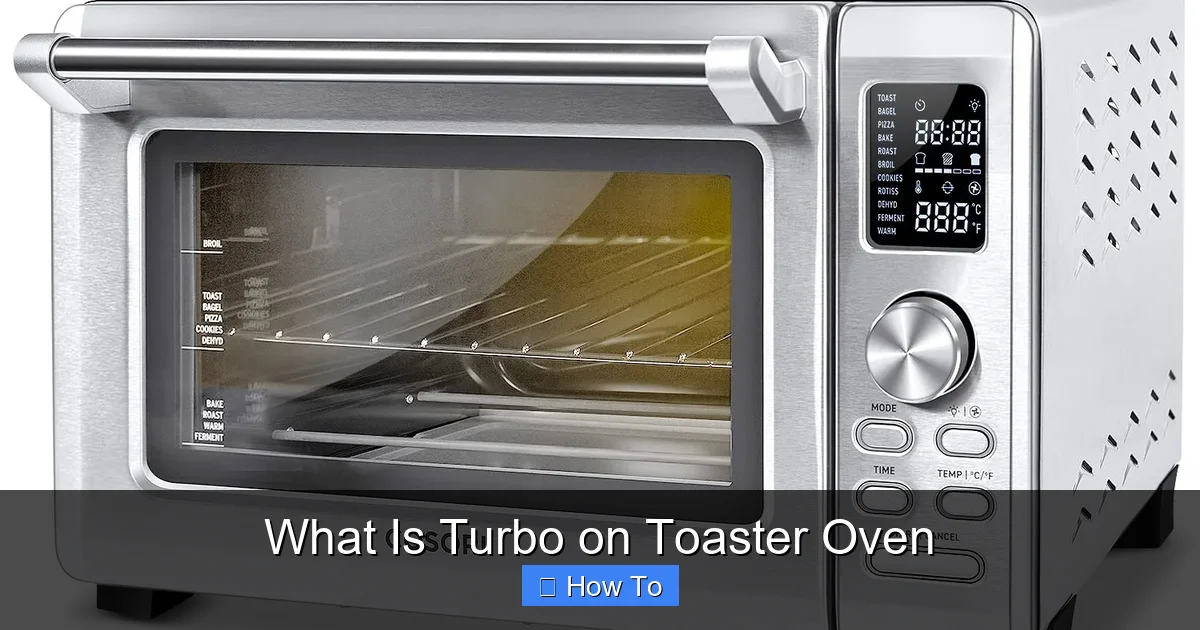
The fan sits at the back of your oven. It pulls in cool air. It heats this air with the elements. Then it pushes hot air out. In turbo mode, this happens at maximum speed.
Visual guide about What Is Turbo on Toaster Oven
Image source: m.media-amazon.com
The top element glows red hot. This gives you broil intensity. The fan spreads this heat everywhere. Your food gets cooked from all sides. The top browns beautifully. The inside cooks through evenly.
This is different from a convection toaster oven. Convection just moves air. Turbo moves air AND adds broil heat. Both are great. But turbo is faster for certain tasks.
Temperature Differences
Turbo mode often runs hotter. Some models go up to 450 degrees. Others reach 500 degrees. Check your manual. Know your oven limits.
You may need to lower your recipe temperature. Turbo cooks at lower settings too. The moving heat does the work. You do not need as much raw heat. This saves energy.
What Foods Benefit Most from Turbo
Roasting Vegetables and Meats
Turbo excels at roasting. Throw in some broccoli. Add chicken thighs. The fan crisps the outside. The heat cooks the inside. You get golden veggies in minutes.
Roast a whole chicken. The skin becomes crispy. The meat stays juicy. Turbo draws out moisture from the surface. This creates a perfect crust. Regular bake cannot do this as fast.
Try potatoes in turbo mode. They cook through and brown outside. No more gray boiled potatoes. Turbo gives you restaurant results. Your kitchen will smell amazing.
Reheating and Crisping Leftovers
Leftover pizza tastes great in turbo. The crust gets crispy again. The cheese melts perfectly. Microwave makes pizza soggy. Turbo fixes this problem.
Reheat french fries too. They come out crunchy. No more soft microwave food. Turbo restores texture. It removes steam from the food. This keeps things crisp.
What can a toaster oven cook in turbo mode? Many things. But focus on foods needing crispness. Avoid soft delicate items. Turbo is for crunch and brown.
When NOT to Use Turbo
Delicate Baking and Glassware
Do not use turbo for cakes. Cakes need gentle heat. The fan will blow the batter around. Your cake will not rise right. Skip turbo for muffins too.
Visual guide about What Is Turbo on Toaster Oven
Image source: cuisinart.ca
Glass pans can crack in turbo. The intense heat stresses the glass. Use metal pans instead. Light-colored metal works best. Dark pans absorb too much heat.
Check if your pyrex is safe for high heat. Some glass cannot handle turbo temps. When in doubt, use metal. Safety comes first.
Tips for Using Turbo Mode Safely
Pan Selection and Placement
Choose light metal pans. They reflect heat well. Dark pans absorb too much. They can burn your food. Light pans give even results.
Place food in the center. Leave space around the edges. The fan needs air to flow. Blocked air means uneven cooking. Do not overcrowd the pan.
Use the middle rack. This gives the best air circulation. Top rack gets more direct heat. Bottom rack gets less turbo benefit. Middle is the sweet spot.
Monitoring Cooking Progress
Check food often in turbo mode. Things cook 25 to 30 percent faster. Set a timer for half the usual time. Peek through the window. Do not open the door too much.
Use oven mitts. The outside gets hot. The fan pulls heat out. Handle with care. Burn prevention is key.
Rotate pans if needed. Even with turbo, hot spots exist. Turn your food halfway. This ensures even browning. Small effort, big results.
Turbo vs Convection: What’s the Difference?
Many people confuse these settings. Convection uses a fan. It circulates regular bake heat. Turbo uses a fan AND broil heat. The difference is the top element.
Convection is great for cookies. It bakes them evenly. Turbo is better for roasting. It browns the surface fast. Know which to use. Each has its place.
Some ovens call turbo super convection. Others call it roast. Read your manual. Know your specific model. Brand names vary. The function is similar.
Compare natural convection to turbo. Natural convection has no fan. It relies on heat rising. Turbo forces the heat. This is much faster.
Cleaning and Maintenance
Turbo mode makes grease splatter. The high heat cooks spills faster. Clean your oven after each use. Wipe down the interior.
Check the fan blade. Grease buildup slows it down. A dirty fan affects turbo performance. Clean it monthly. Use warm soapy water.
Empty the crumb tray. Turbo burns crumbs fast. This can smoke. Keep the tray clean. Your oven will last longer.
Energy Efficiency of Turbo Mode
Turbo saves time. Time saves energy. You cook faster. The oven runs less. This lowers your bill.
Is a toaster oven more efficient than a regular oven? Yes. Turbo makes it even better. You heat a small space fast. No preheating needed for many foods.
Use turbo for small meals. It beats heating a big oven. This is eco-friendly cooking. Less energy waste.
Common Mistakes to Avoid
Do not walk away from turbo cooking. Things burn fast. Stay nearby. Watch your food closely.
Do not use paper towels inside. The fan can blow them onto elements. This is a fire hazard. Use only oven-safe cookware.
Do not cover the vents. Airflow is crucial. Blocked vents cause uneven cooking. They can also damage your oven.
Turbo Settings on Popular Models
Different brands offer turbo differently. Some have dedicated turbo buttons. Others use combined settings. Know your control panel.
Oster turbo models work great. They have clear settings. Other brands vary. Read the guide that comes with your oven.
Compare top rated toaster ovens for turbo features. Some excel at this mode. Choose wisely for your needs.
Turbo for Meal Prep
Turbo speeds up meal prep. Cook chicken breasts fast. Roast a tray of veggies. You get dinner ready quickly.
Batch cook with turbo. Make multiple servings. Store for later. Turbo cooks each batch fast. You save hours during the week.
What is a toaster oven good for? Many things. Turbo makes it even more versatile. You can handle big jobs small.
Safety First with Turbo
Turbo gets very hot. Keep kids away. Use oven mitts always.
Place your oven on a safe surface. Do not use near curtains. Allow space around the vents. Heat needs to escape.
Unplug when not in use. This prevents accidents. Safety should always come first.
Troubleshooting Turbo Issues
Food burns too fast? Lower the temperature. Check your pan color. Dark pans cause burning.
Food cooks unevenly? Rotate the pan. Check the fan for blockage. Clean any grease buildup.
No heat in turbo mode? Check the elements. The top element may be faulty. Contact customer service.
Turbo and Aluminum Foil
Can you use foil in turbo mode? Yes, but carefully. Do not cover the fan. Foil can fly into elements.
Use foil to line pans. This catches drips. It makes cleanup easier. Just keep airflow clear.
Turbo for Pizza and Bread
Pizza cooks great in turbo. The crust gets crispy. The cheese melts perfectly. Use a pizza stone if you have one.
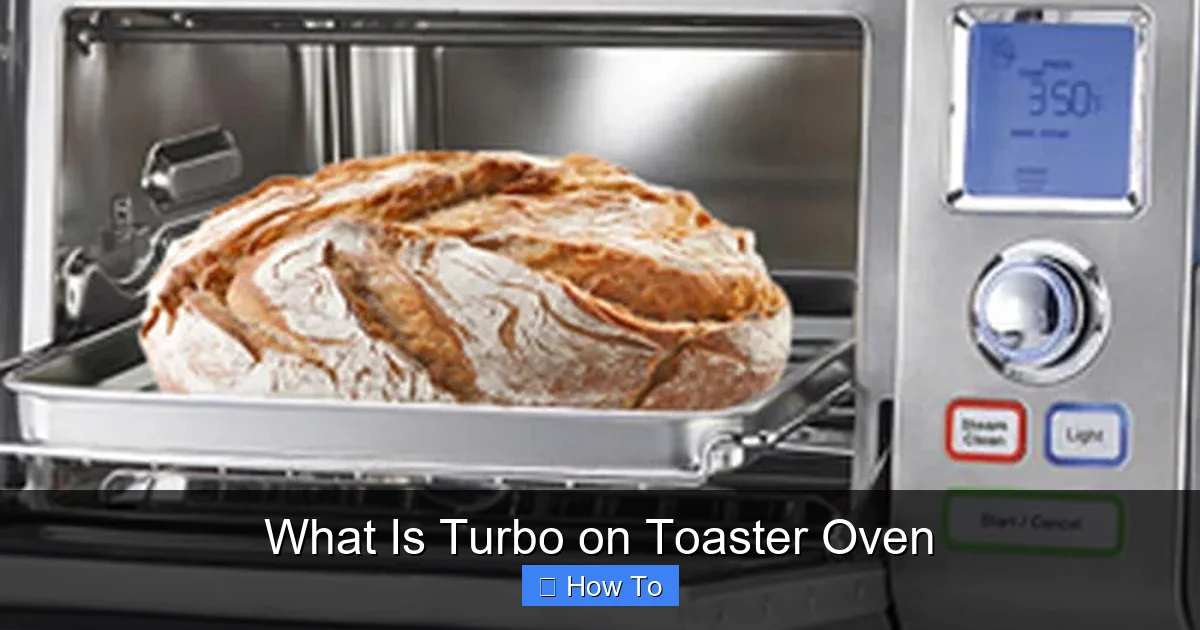
Bread benefits too. Turbo gives a crusty outside. The inside stays soft. Perfect for artisan loaves.
What is broil in toaster oven? Turbo uses broil elements. Understanding broil helps you use turbo better.
Turbo for Frozen Foods
Frozen fries cook perfectly in turbo. They come out crispy. No need to thaw first.
Frozen pizza cooks fast too. The turbo setting crisps the bottom. Regular bake makes soggy crusts.
Use turbo for frozen foods. It cooks them through. It browns them nicely. Great for busy nights.
Understanding Your Toaster Oven Manual
Read your manual carefully. Know your specific model. Turbo settings vary by brand.
Find the turbo button. Learn what it does. Check temperature limits. Follow safety guidelines.
Manuals answer many questions. They help you use turbo safely. Take five minutes to read.
Turbo for Small Kitchens
Turbo toaster ovens save space. They replace full ovens for many tasks. Perfect for apartments and dorms.
Heat up your kitchen less. Turbo cooks fast. Your AC works less. You save on energy bills.
Small kitchens benefit greatly. Turbo makes cooking efficient. You can cook anything fast.
Comparing Turbo to Air Fryer
Air fryers use similar technology. They circulate hot air fast. Turbo ovens do the same.
Which is better? It depends. Turbo ovens are larger. Air fryers are more compact. Both crisp food well.
Read about air fryer vs toaster oven comparisons. They help you choose. Turbo ovens offer more space.
Maximizing Turbo Performance
Preheat your oven. Turbo heats fast but preheat helps. Five minutes makes a difference.
Use thin pans. Thick pans block heat. Thin metal conducts heat well. Your food cooks faster.
Cut food into uniform pieces. Even sizes cook evenly. Turbo is fast but not magic. Uniform pieces matter.
Turbo for Fish and Seafood
Fish cooks beautifully in turbo. The skin gets crispy. The flesh stays moist. Use a metal pan.
Salmon fillets work great. Shrimp roast quickly. Turbo gives perfect results. Watch them closely.
Seafood cooks fast. Turbo speeds it up more. Do not overcook. Check at minimum time.
Using Turbo for Breakfast
Toast english muffins in turbo. They come out golden. Bagels get crispy edges.
Cook bacon in turbo. It renders fat fast. The result is perfect crunch.
Make breakfast sandwiches. Turbo heats them through. The bread toasts nicely. Eggs cook evenly.
Turbo for Desserts
Some desserts work in turbo. Fruit crisps brown nicely. Cobbler gets a golden top.
Avoid cakes and custards. They need gentle heat. Turbo is too intense.
Try cookies in convection instead. Save turbo for roasting. Know your limits.
Turbo and Meat Thermometers
Use a meat thermometer in turbo. Food cooks fast. You need accurate temps.
Check chicken at 165 degrees. Beef varies by preference. Turbo cooks fast. Thermometer prevents overcooking.
Insert thermometer sideways. Avoid bone. Check thickest part. Safety first always.
Turbo for Casseroles
Casseroles cook well in turbo. The top browns beautifully. The inside heats through.
Cover with foil first. Remove for last ten minutes. This prevents burning.
Turbo finishes casseroles fast. Great for weeknight dinners. Save time without sacrificing taste.
Understanding Heat Distribution
Turbo creates strong airflow. Heat reaches all corners. This is why food cooks evenly.
Still, ovens have hot spots. Rotate food for best results. Small adjustment makes big difference.
Learn your oven. Every model is different. Time builds knowledge.
Turbo for Sheet Pan Dinners
Sheet pan dinners love turbo. Cook protein and veggies together. Everything browns perfectly.
Chicken and potatoes work great. Add some broccoli. Dinner is ready in twenty minutes.
Turbo sheet pan meals save time. One pan to clean. Healthy and delicious.
Turbo and Nonstick Cookware
Nonstick pans work in turbo. Avoid high heat damage. Check pan limits first.
Some nonstick coatings degrade. High heat shortens their life. Use metal pans for turbo.
Stainless steel is best. Cast iron works too. Both handle turbo heat well.
Turbo for Reheating Sandwiches
Reheat sandwiches in turbo. The bread gets crispy. Cheese melts perfectly.
Use a wire rack. Heat circulates better. Both sides toast evenly.
Skip the microwave. Turbo tastes much better. Leftovers feel fresh again.
Turbo for Roasting Nuts
Roast nuts in turbo mode. They brown quickly. The aroma fills your kitchen.
Stir halfway through. Nuts burn fast. Turbo makes them perfect.
Use this for almonds or pecans. Homemade roasted nuts taste amazing. Turbo does the job.
Turbo for Dehydrating
Some ovens dehydrate in turbo. Low temp with fan works. Make your own jerky.
Check your oven limits. Not all models do this. Read the manual first.
Dehydrating saves food. Turbo speeds up the process. Great for healthy snacks.
Turbo for Baking Potatoes
Baked potatoes cook fast in turbo. The skin gets crispy. The inside cooks fluffy.
Pierce the potato first. Use a fork. This prevents explosions.
Turbo bakes potatoes in forty minutes. Regular bake takes longer. Save time with turbo.
Turbo for Browning Butter
Brown butter in turbo mode. It happens fast. Watch carefully.
Use an oven-safe dish. Spread butter evenly. Check every minute.
Brown butter tastes nutty. Turbo makes it easy. Great for baking.
Turbo for Drying Herbs
Dry herbs in turbo mode. Low heat with fan works. Herbs dry quickly.
Spread herbs on a tray. Check often. Do not burn them.
Homegrown herbs taste great. Turbo preserves them fast. Use in cooking later.
Turbo for Warming Plates
Warm plates in turbo mode. Place them inside. Heat for five minutes.
Warm plates keep food hot. Meals feel fancy. Turbo helps here.
Use oven mitts. Plates get very hot. Handle with care.
Turbo for Toasting Bread
Toast bread in turbo mode. It browns evenly. Great for large batches.
Use a wire rack. Air circulates both sides. Bread toasts perfectly.
Turbo toasts faster than a toaster. Great for parties. Make lots at once.
Turbo for Melting Cheese
Melt cheese in turbo mode. It browns on top. Great for gratins.
Use oven-safe dishes. Watch closely. Cheese burns fast.
Turbo makes perfect cheese toppings. French onion soup benefits. Broil finish works well.
Turbo for Cooking Bacon
Cook bacon in turbo mode. It renders fat fast. Result is crispy bacon.
Use a wire rack over a pan. Fat drips away. Bacon cooks evenly.
Turbo bacon comes out perfect. No splatters in your microwave. Clean up is easy.
Turbo for Roasting Garlic
Roast garlic in turbo mode. It caramelizes fast. Flavor becomes sweet.
Wrap garlic in foil. Place in a dish. Roast for fifteen minutes.
Roasted garlic tastes amazing. Turbo makes it quick. Use in many recipes.
Turbo for Heating Oil
Heat oil in turbo mode. It warms fast. Great for deep frying.
Use a deep oven-safe pot. Monitor temperature. Oil can smoke.
Turbo heats oil evenly. Better than stovetop. Safety is important.
Turbo for Proofing Dough
Proof dough in turbo mode. Use low heat. Turn off the fan.
Some ovens have proof settings. Turbo is not for proofing. Use warm only.
Check your manual. Some ovens do this. Others do not.
Turbo for Making Croutons
Make croutons in turbo mode. Bread cubes toast fast. They become crispy.
Toss bread with oil. Spread on a tray. Turbo crisps them perfectly.
Croutons add texture to salads. Turbo makes them in minutes. Homemade tastes better.
Turbo for Warming Tortillas
Warm tortillas in turbo mode. They become pliable. Great for tacos.
Wrap tortillas in foil. Heat for five minutes. They stay soft.
Turbo warms tortillas fast. No dry tortillas anymore. Perfect for Mexican food.
Turbo for Cooking Sausage
Cook sausage in turbo mode. It browns beautifully. Cooks through fast.
Prick sausages with a fork. This prevents bursting. Turn halfway.
Turbo sausage comes out perfect. Crispy outside juicy inside. Great for breakfast.
Turbo for Cooking Fish Fillets
Cook fish fillets in turbo mode. Skin gets crispy. Flesh stays moist.
Use a metal pan. Add some oil. Fish cooks in ten minutes.
Turbo fish tastes great. White fish works best. Salmon too.
Turbo for Cooking Shrimp
Cook shrimp in turbo mode. They pink up fast. Great for scampi.
Use a shallow pan. Shrimp cook in five minutes. Do not overcook.
Turbo shrimp are delicious. Perfect for pasta dishes. Quick weeknight meal.
Turbo for Cooking Vegetables
Cook vegetables in turbo mode. They roast evenly. Get golden brown.
Cut vegetables same size. Toss with oil. Spread on a tray.
Turbo veggies taste amazing. Carrots and broccoli work great. Twenty minutes done.
Turbo for Cooking Chicken
Cook chicken in turbo mode. Breasts stay juicy. Thighs get crispy.
Pound breasts evenly. They cook faster. Use a meat thermometer.
Turbo chicken tastes great. Season well. Cook to safe temp.
Turbo for Cooking Steak
Cook steak in turbo mode. Sear the outside. Cook through fast.
Use a cast iron pan. Place in turbo. Steak gets perfect crust.
Turbo steak tastes restaurant quality. Rest before cutting. Juices redistribute.
Turbo for Cooking Bacon Wrapped Foods
Cook bacon wrapped foods in turbo. Asparagus wrapped in bacon. Cooks fast and crispy.
Use a wire rack. Fat drips away. Bacon cooks evenly.
Turbo makes bacon wrap perfect. Great appetizer. Party favorite.
Turbo for Cooking Stuffed Peppers
Cook stuffed peppers in turbo mode. Filling heats through. Peppers get soft.
Cover with foil first. Remove for last ten minutes. Peppers brown slightly.
Turbo stuffed peppers taste great. Fast weeknight dinner. Family friendly.
Turbo for Cooking Meatballs
Cook meatballs in turbo mode. They brown outside. Cook through fast.
Use a metal pan. Do not overcrowd. Turn halfway.
Turbo meatballs are perfect. Great for subs. Cook in batches.
Turbo for Cooking Meatloaf
Cook meatloaf in turbo mode. Top browns nicely. Inside cooks through.
Use a loaf pan. Drain excess fat. Check temperature.
Turbo meatloaf cooks faster. Monitor closely. Safe eating temp.
Turbo for Cooking Casseroles
Cook casseroles in turbo mode. Top browns fast. Inside heats through.
Cover with foil. Remove for browning. Stir halfway.
Turbo casseroles taste great. Weeknight dinner saver. One dish meal.
Turbo for Cooking Lasagna
Cook lasagna in turbo mode. Cheese browns beautifully. Inside heats through.
Cover with foil first. Remove for last fifteen minutes. Cheese melts.
Turbo lasagna comes out perfect. Reheat leftovers too. Great flavor.
Turbo for Cooking Mac and Cheese
Cook mac and cheese in turbo mode. Top gets crispy. Inside bubbles.
Use an oven-safe dish. Cover for first half. Uncover for browning.
Turbo mac and cheese tastes great. Better than stovetop. Comfort food.
Turbo for Cooking Scalloped Potatoes
Cook scalloped potatoes in turbo mode. Top browns golden. Inside creamy.
Cover with foil first. Remove for last twenty minutes. Potatoes cook.
Turbo scalloped potatoes taste amazing. Creamy and crispy. Side dish perfect.
Turbo for Cooking Green Bean Casserole
Cook green bean casserole in turbo mode. Topping gets crispy. Inside heats.
Cover with foil first. Remove for browning. Watch closely.
Turbo casserole tastes great. Holiday favorite. Fast cooking.
Turbo for Cooking Pot Pie
Cook pot pie in turbo mode. Crust browns fast. Filling heats through.
Cover edges with foil. Prevents burning. Check filling temp.
Turbo pot pie tastes homemade. Fast weeknight meal. Comfort food.
Turbo for Cooking Fried Chicken
Cook fried chicken in turbo mode. Coating gets crispy. Chicken cooks through.
Use a wire rack. Air circulates. Chicken cooks evenly.
Turbo fried chicken tastes great. Crispy coating. Juicy meat.
Turbo for Cooking Fish Sticks
Cook fish sticks in turbo mode. They brown fast. Cook through.
Spread on a tray. Do not overcrowd. Turn halfway.
Turbo fish sticks are crispy. Kids love them. Easy dinner.
Turbo for Cooking Chicken Nuggets
Cook chicken nuggets in turbo mode. They get golden. Cook fast.
Use a wire rack. Air circulates. Nuggets cook evenly.
Turbo nuggets taste great. Better than fried. Healthy option.
Turbo for Cooking Tater Tots
Cook tater tots in turbo mode. They get crispy. Cook fast.
Spread on a tray. Do not pile. Turn halfway.
Turbo tater tots are perfect. Great side dish. Kids love them.
Turbo for Cooking Onion Rings
Cook onion rings in turbo mode. Batter gets crispy. Onion cooks.
Use a wire rack. Place on tray. Air circulates.
Turbo onion rings taste great. Better than fried. Crispy coating.
Turbo for Cooking Mozzarella Sticks
Cook mozzarella sticks in turbo mode. Coating browns fast. Cheese melts.
Use a wire rack. Place on tray. Do not overcrowd.
Turbo mozzarella sticks are perfect. Great appetizer. Fast cooking.
Turbo for Cooking Zucchini Fries
Cook zucchini fries in turbo mode. Coating gets crispy. Zucchini cooks.
Use a wire rack. Place on tray. Turn halfway.
Turbo zucchini fries taste great. Healthy option. Kids love them.
Turbo for Cooking Chicken Wings
Cook chicken wings in turbo mode. Skin gets crispy. Meat cooks.
Use a wire rack. Place on tray. Turn halfway.
Turbo wings are perfect. Great game day food. Crispy skin.
Turbo for Cooking Drumsticks
Cook drumsticks in turbo mode. Skin browns fast. Meat cooks.
Use a wire rack. Place on tray. Turn halfway.
Turbo drumsticks taste great. Crispy skin. Juicy meat.
Turbo for Cooking Thighs
Cook thighs in turbo mode. Skin gets crispy. Meat cooks.
Use a wire rack. Place on tray. Turn halfway.
Turbo thighs are perfect. Great flavor. Crispy skin.
Turbo for Cooking Breast
Cook breast in turbo mode. Cooks fast. Can dry out.
Use a meat thermometer. Cook to 165 degrees. Do not overcook.
Turbo breast tastes good. Keep moist. Use marinade.
Turbo for Cooking Pork Chops
Cook pork chops in turbo mode. Sear outside. Cook through.
Use a meat thermometer. Cook to 145 degrees. Rest before cutting.
Turbo pork chops taste great. Crispy outside. Juicy inside.
Turbo for Cooking Salmon
Cook salmon in turbo mode. Skin gets crispy. Flesh cooks.
Use a metal pan. Add some oil. Cook skin down first.
Turbo salmon tastes amazing. Crispy skin. Moist flesh.
Turbo for Cooking Tilapia
Cook tilapia in turbo mode. Cooks fast. Can dry out.
Use a metal pan. Add some oil. Check at five minutes.
Turbo tilapia tastes good. Do not overcook. Moist flesh.
Turbo for Cooking Cod
Cook cod in turbo mode. Cooks fast. Flakes easily.
Use a metal pan. Add some oil. Check at six minutes.
Turbo cod tastes great. Flaky texture. Mild flavor.
Turbo for Cooking Halibut
Cook halibut in turbo mode. Cooks fast. Meat flakes.
Use a metal pan. Add some oil. Check at seven minutes.
Turbo halibut tastes good. Meaty texture. Mild flavor.
Turbo for Cooking Trout
Cook trout in turbo mode. Skin gets crispy. Flesh cooks.
Use a metal pan. Add some oil. Cook skin down first.
Turbo trout tastes amazing. Crispy skin. Moist flesh.
Turbo for Cooking Catfish
Cook catfish in turbo mode. Coating gets crispy. Fish cooks.
Use a wire rack. Place on tray. Turn halfway.
Turbo catfish tastes great. Crispy coating. Mild flavor.
Turbo for Cooking Mahi Mahi
Cook mahi mahi in turbo mode. Cooks fast. Meat flakes.
Use a metal pan. Add some oil. Check at six minutes.
Turbo mahi mahi tastes good. Meaty texture. Mild flavor.
Turbo for Cooking Swordfish
Cook swordfish in turbo mode. Cooks fast. Meaty texture.
Use a metal pan. Add some oil. Check at seven minutes.
Turbo swordfish tastes great. Meaty texture. Do not overcook.
Turbo for Cooking Tuna
Cook tuna in turbo mode. Sear outside. Inside stays raw.
Use high heat briefly. Check temperature. Rare is best.
Turbo tuna tastes great. Seared outside. Raw inside.
Turbo for Cooking Scallops
Cook scallops in turbo mode. Sear outside. Cook through.
Use a metal pan. Dry scallops first. Cook two minutes each side.
Turbo scallops taste amazing. Golden sear. Sweet meat.
Turbo for Cooking Lobster
Cook lobster in turbo mode. Tail cooks fast. Meat gets firm.
Use a metal pan. Add some butter. Check temperature.
Turbo lobster tastes great. Tender meat. Sweet flavor.
Turbo for Cooking Crab
Cook crab in turbo mode. Meat heats fast. Flavor stays.
Use a metal pan. Add some butter. Check temperature.
Turbo crab tastes great. Sweet meat. Fast cooking.
Turbo for Cooking Mussels
Cook mussels in turbo mode. Shells open fast. Meat cooks.
Use a metal pan. Add some wine. Check for open shells.
Turbo mussels taste great. Fast cooking. Delicious.
Turbo for Cooking Clams
Cook clams in turbo mode. Shells open fast. Meat cooks.
Use a metal pan. Add some wine. Check for open shells.
Turbo clams taste great. Fast cooking. Delicious.
Turbo for Cooking Oysters
Cook oysters in turbo mode. Meat cooks fast. Flavor stays.
Use a metal pan. Add some butter. Check temperature.
Turbo oysters taste great. Fast cooking. Delicious.
Turbo for Cooking Shrimp Scampi
Cook shrimp scampi in turbo mode. Shrimp cook fast. Sauce heats.
Use a metal pan. Add some butter. Check at three minutes.
Turbo shrimp scampi tastes great. Fast cooking. Delicious.
Turbo for Cooking Garlic Butter Shrimp
Cook garlic butter shrimp in turbo mode. Shrimp cook fast. Butter melts.
Use a metal pan. Add some butter. Check at three minutes.
Turbo garlic shrimp tastes great. Fast cooking. Delicious.
Turbo for Cooking Lemon Herb Chicken
Cook lemon herb chicken in turbo mode. Chicken cooks fast. Herbs toast.
Use a metal pan. Add some oil. Check at fifteen minutes.
Turbo lemon chicken tastes great. Fast cooking. Delicious.
Turbo for Cooking Honey Garlic Chicken
Cook honey garlic chicken in turbo mode. Chicken cooks fast. Glaze caramelizes.
Use a metal pan. Add some honey. Check at fifteen minutes.
Turbo honey chicken tastes great. Fast cooking. Delicious.
Turbo for Cooking BBQ Chicken
Cook BBQ chicken in turbo mode. Chicken cooks fast. Sauce caramelizes.
Use a metal pan. Add some sauce. Check at fifteen minutes.
Turbo BBQ chicken tastes great. Fast cooking. Delicious.
Turbo for Cooking Buffalo Wings
Cook buffalo wings in turbo mode. Wings cook fast. Sauce sticks.
Use a wire rack. Place on tray. Turn halfway.
Turbo buffalo wings taste great. Fast cooking. Delicious.
Turbo for Cooking Chicken Tenders
Cook chicken tenders in turbo mode. Tenders cook fast. Coating browns.
Use a wire rack. Place on tray. Turn halfway.
Turbo chicken tenders taste great. Fast cooking. Delicious.
Turbo for Cooking Fish Tacos
Cook fish for tacos in turbo mode. Fish cooks fast. Coating browns.Frequently Asked Questions
What is What Is Turbo On Toaster Oven?
What Is Turbo On Toaster Oven is an important topic with many practical applications.