What Can You Put in Toaster Oven
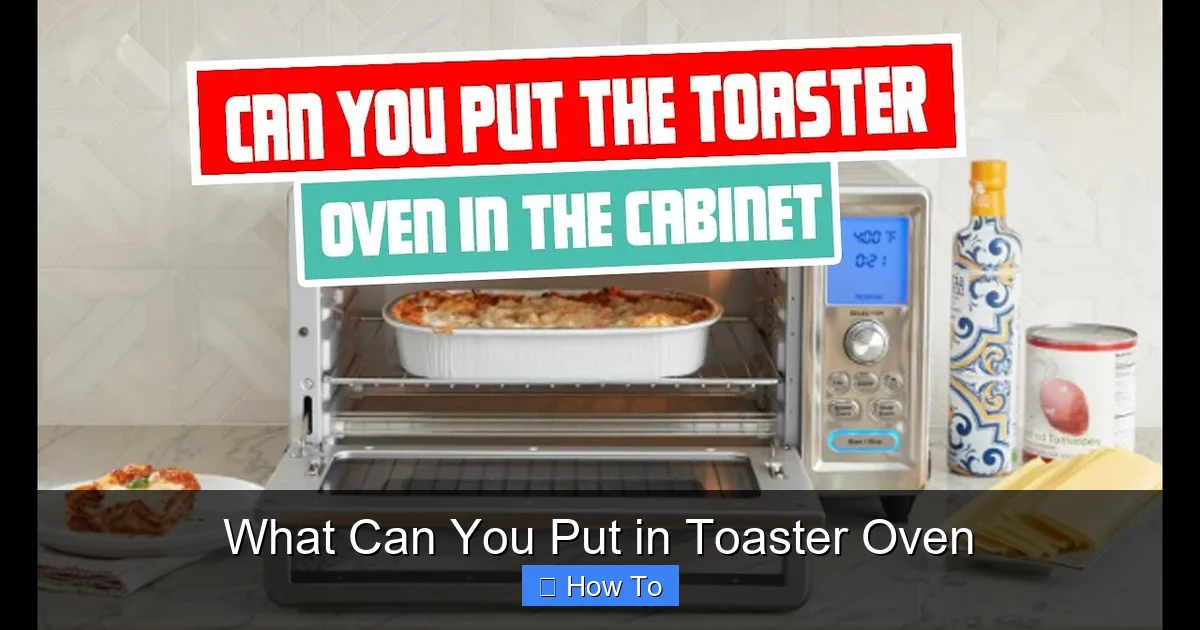
A toaster oven is surprisingly versatile — you can cook everything from toast and pizza to roasted veggies and baked goods. The key is knowing which materials and containers are safe, including glass, metal, and parchment paper, while avoiding plastic, wax paper, and styrofoam.
A toaster oven sits on your counter, waiting for you to unlock its full potential. But what can you actually put in it? The answer might surprise you.
Most people use their toaster oven for basic tasks like toasting bread or reheating pizza. But this compact kitchen appliance can do so much more. You can bake cookies, roast vegetables, cook chicken, and even make cheesecake. The trick is knowing what goes inside safely.
Whether you’re a college student with limited kitchen space or a busy parent looking for quick meals, understanding your toaster oven’s capabilities saves time, money, and prevents kitchen disasters. Let’s dive into everything you can safely put in your toaster oven.
Key Takeaways
- Safe Materials: Glass, metal, ceramic, parchment paper, and aluminum foil are generally safe to use in toaster ovens.
- Avoid These: Plastic, styrofoam, wax paper, and regular paper towels can melt or catch fire.
- Perfect For: Reheating leftovers, baking small batches, roasting vegetables, and toasting bread.
- Size Matters: Choose containers that fit with at least 1 inch of space around them for proper air circulation.
- Temperature Limits: Always check the maximum temperature rating of your containers and cookware.
📑 Table of Contents
Safe Containers And Cookware
Not all dishes belong in a toaster oven. The wrong container can crack, melt, or even start a fire. Here’s what works.
Glass Dishes
Glass containers are generally safe in toaster ovens, but there’s a catch. You need heat-resistant glass like Pyrex or borosilicate glass. Regular glass can shatter from the intense heat. Always check the bottom of the dish for an oven-safe symbol before using it.
Glass dishes work great for baking casseroles, roasting vegetables, or reheating leftovers. They heat evenly and let you watch your food cook. Just avoid placing cold glass directly into a hot oven, as the sudden temperature change can cause cracking.
If you’re unsure about your glassware, check out our guide on can you put glassware in a toaster oven for detailed safety tips.
Metal Pans And Foil
Metal pans are excellent for toaster ovens. You can use aluminum baking sheets, steel muffin tins, or small cake pans. The metal reflects heat, creating a crispier result on your food.
Aluminum foil works too, but with precautions. Never cover the entire rack or block airflow. Use foil to line pans or wrap foods like potatoes and vegetables. Avoid letting foil touch the heating elements, as this can cause sparks.
For more details on foil usage, see our article on can u put aluminum foil in toaster oven.
Ceramic And Stoneware
Ceramic dishes add a rustic touch to your cooking. They retain heat well and work perfectly for baking small casseroles or serving food directly at the table. Make sure your ceramic dish is labeled oven-safe and doesn’t have decorative edges that might melt.
Parchment Paper
Parchment paper is a game-changer for toaster oven cooking. It prevents sticking and makes cleanup a breeze. Use it to line baking sheets when making cookies, roasting vegetables, or baking fish.
Most parchment paper is safe up to 425°F, which covers most toaster oven recipes. Just make sure it doesn’t hang over the edges where it could catch fire. For more information, read our post on can u put parchment paper in toaster oven.
Silicone Molds And Mats
Silicone is flexible, heat-resistant, and incredibly versatile. You can use silicone muffin cups, baking mats, or molds for mini cakes and eggs. Silicone handles temperatures up to 500°F easily, making it perfect for toaster ovens.
The best part? Food pops right off silicone surfaces without sticking. This makes it ideal for baking brownies, roasting garlic, or making individual quiches.
Foods You Can Cook
Now for the fun part — what to actually cook. Your toaster oven handles a wide variety of foods with impressive results.
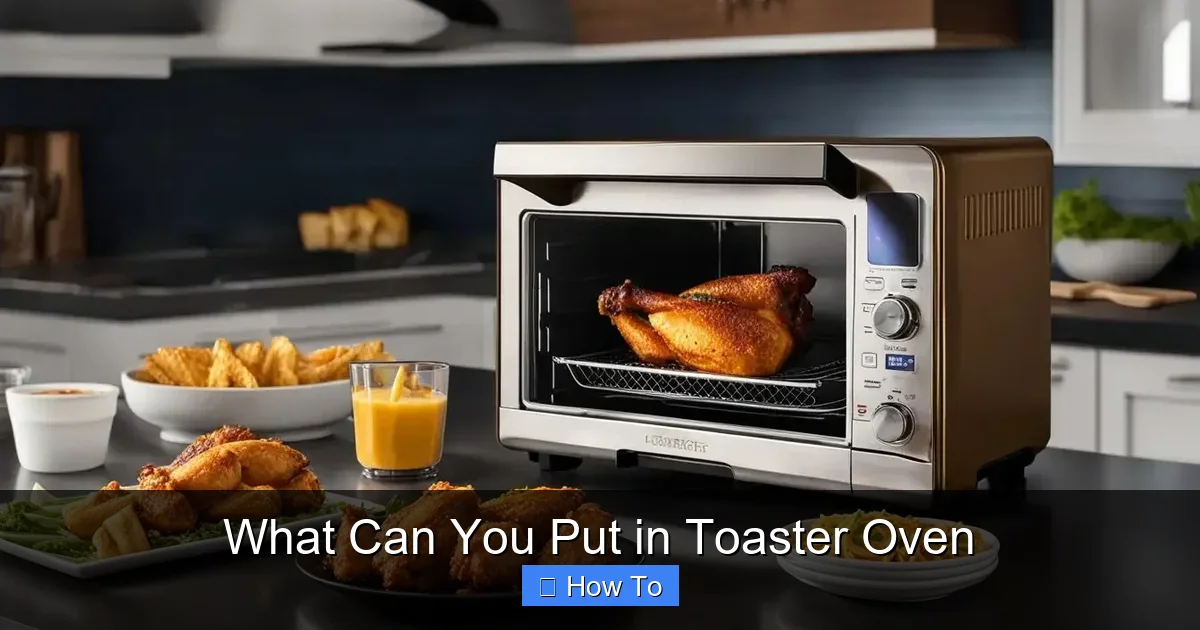
Visual guide about What Can You Put in Toaster Oven
Image source: airfryeraid.com
Baked Goods
Don’t let the small size fool you. Toaster ovens excel at baking. You can make cookies, muffins, small cakes, and even cinnamon rolls. The concentrated heat creates a perfectly browned top while keeping the inside moist.
For cake lovers, a toaster oven can make single-serving cakes or mini cheesecakes. Use small ramekins or silicone molds and adjust cooking time accordingly. Check out our guide on can you make cake in toaster oven for recipe ideas.
Roasted Vegetables
Roasting vegetables in a toaster oven is a snap. Toss broccoli, Brussels sprouts, or sweet potatoes with olive oil and seasoning. Spread them on a metal pan and roast at 400°F for 15-20 minutes.
The compact space concentrates heat, giving you beautifully caramelized veggies faster than a full-size oven. Plus, cleanup is minimal with just one pan to wash.
Proteins
You can cook chicken, fish, steak, and even turkey breast in a toaster oven. The key is choosing thinner cuts or smaller portions. Chicken breasts, fish fillets, and beef steaks all work well.
For chicken, pound it to an even thickness for consistent cooking. Use a meat thermometer to ensure it reaches 165°F internal temperature. Smaller birds like Cornish hens fit perfectly for a solo meal.
If you’re interested in cooking meat, our article on can you cook chicken in the toaster oven has helpful tips.
Reheating Leftovers
This is the toaster oven’s superpower. Unlike microwaves that make food soggy, toaster ovens restore crispiness to pizza, fries, and breaded items. Reheat leftovers at 350°F for 5-10 minutes until warmed through.
Pizza slices come out with a crispy crust and melted cheese. Fried foods regain their crunch. Even tortillas for tacos warm perfectly without turning brittle.
What To Avoid
Knowing what not to put in your toaster oven is just as important as knowing what to use. Some materials pose serious safety risks.

Visual guide about What Can You Put in Toaster Oven
Image source: i.pinimg.com
Plastic Containers
Never put plastic containers, lids, or wraps in a toaster oven. Plastic melts at low temperatures, releasing harmful chemicals and creating a sticky mess. This includes takeout containers, plastic wrap, and zip-lock bags.
Styrofoam
Styrofoam cups and containers are a definite no. They can ignite at toaster oven temperatures and release toxic fumes. Always transfer food to a safe dish before reheating.
Wax Paper
Wax paper has a wax coating that melts under heat. It can smoke, catch fire, or contaminate your food. Use parchment paper instead for lining pans.
Regular Paper Products
Paper towels, newspaper, and paper bags can burn in a toaster oven. While some paper towels are safe for short-term use at low temperatures, it’s best to avoid them entirely. The risk of fire isn’t worth it.
Cold Glass
Never place cold glass directly into a hot toaster oven. The thermal shock can cause it to shatter explosively. Let glass dishes come to room temperature first, or place them in a cold oven and let everything heat up together.
Practical Tips For Safe Cooking
Follow these tips to get the best results and keep your toaster oven lasting for years.
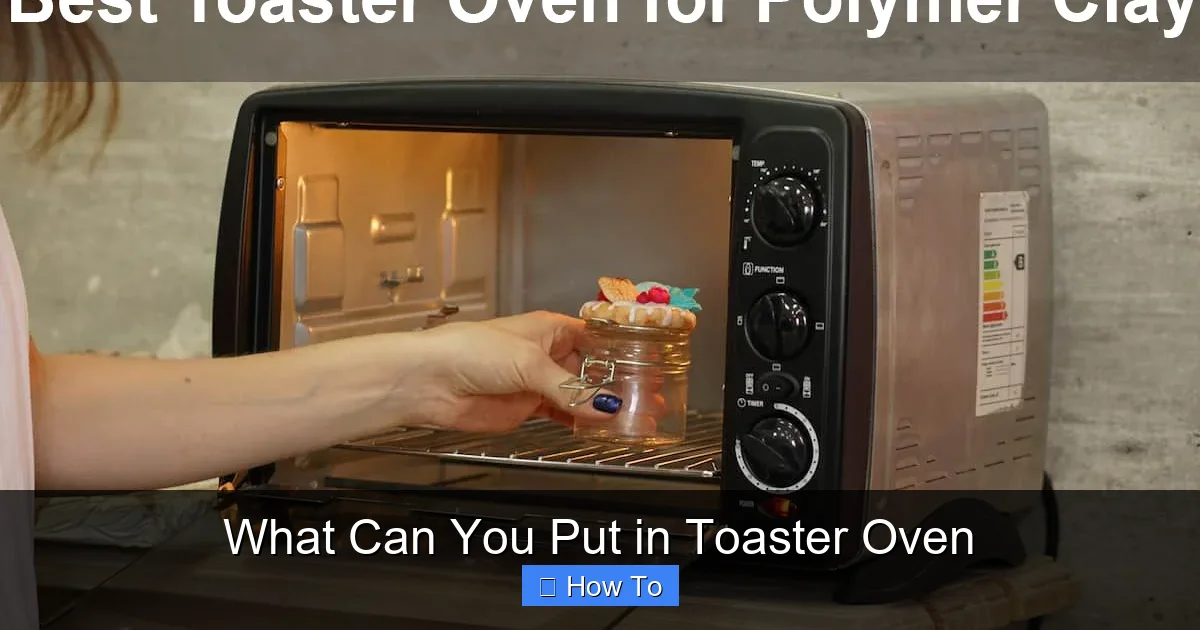
Visual guide about What Can You Put in Toaster Oven
Image source: acadiahouseprovisions.com
Check Your Manual
Every toaster oven model has specific guidelines. Read your manual to understand temperature limits, recommended containers, and safety precautions. The manufacturer knows your appliance best.
Preheat Properly
Preheating ensures even cooking. Most toaster ovens need only 5-10 minutes to preheat. Use the temperature setting appropriate for your recipe and wait for the preheat signal before adding food.
Watch Your Food
Toaster ovens cook faster than conventional ovens. Check food frequently, especially during the first few uses. Set a timer to prevent burning. You can always cook longer, but you can’t undo burnt food.
Leave Space For Airflow
Don’t overcrowd the oven. Leave at least one inch of space around containers and food. Proper airflow ensures even cooking and prevents hot spots that could cause burning.
Clean Regularly
Food crumbs and grease buildup create fire hazards. Clean your toaster oven after each use. Remove the crumb tray, wipe interior surfaces, and wash racks and pans regularly.
Creative Uses For Your Toaster Oven
Beyond basic cooking, your toaster oven offers creative possibilities that might surprise you.
Dehydrating Fruits
Make healthy snacks by dehydrating apple slices, banana chips, or jerky. Set your toaster oven to the lowest temperature, around 170°F, and leave the door slightly open for moisture escape. Check every hour until fruits are dry and leathery.
Toasting Nuts And Seeds
Toast almonds, sesame seeds, or coconut flakes for enhanced flavor. Spread them on a parchment-lined tray and toast at 325°F for 5-8 minutes, stirring halfway through. The small space prevents burning and gives even browning.
Melting Chocolate
Melt chocolate for dipping or baking using a toaster oven. Place chocolate in a heat-safe bowl and warm at 200°F for 2-3 minutes, stirring every 30 seconds. The gentle heat prevents scorching.
Proofing Dough
Use your toaster oven to rise bread dough or pizza dough. Place the dough in a greased bowl, cover with a damp towel, and set the oven to its lowest setting for 1-2 minutes to warm it up. Turn off the heat and place the dough inside with the door closed. The warm environment speeds up rising.
Caramelizing Onions
Slow-cook onions to golden perfection at 300°F for 45 minutes. Stir occasionally and add a splash of olive oil. The concentrated heat creates deeply caramelized onions perfect for burgers, pizzas, or dipping.
Conclusion
Your toaster oven is a powerhouse waiting to be unleashed. From safe containers like glass, metal, ceramic, and silicone to delicious foods like baked goods, roasted vegetables, and proteins, the possibilities are endless.
Remember the golden rules: avoid plastic, styrofoam, wax paper, and cold glass. Always check container labels for oven safety. Preheat properly, leave space for airflow, and watch your food closely.
With these guidelines, you’ll cook with confidence and creativity. Your toaster oven will become your go-to appliance for quick meals, perfect snacks, and impressive baked goods. Experiment safely, enjoy the process, and discover just how versatile this compact kitchen tool truly is.
Frequently Asked Questions
Can you put aluminum foil in a toaster oven?
Yes, aluminum foil is safe in toaster ovens when used properly. Use small pieces to line pans or wrap food, but never cover the entire rack or let foil touch the heating elements. Blocking airflow can cause overheating and fire risks.
Can you put glass in a toaster oven?
Heat-resistant glass like Pyrex is safe in toaster ovens. Regular glass can shatter from thermal shock. Always check for oven-safe labels and avoid placing cold glass directly into a hot oven to prevent cracking.
Can you put parchment paper in a toaster oven?
Yes, parchment paper is safe and useful in toaster ovens. It prevents sticking and makes cleanup easy. Most parchment paper handles temperatures up to 425°F. Just ensure it doesn’t hang over pan edges where it could touch heating elements.
Can you put plastic in a toaster oven?
No, never put plastic in a toaster oven. Plastic melts at low temperatures, releases harmful chemicals, and can start fires. Always transfer food from plastic containers to oven-safe dishes before cooking or reheating.
Can you put paper in a toaster oven?
Regular paper products like paper towels, newspaper, and paper bags are fire hazards in toaster ovens. Parchment paper is the exception since it’s designed for high heat. Never use wax paper or regular paper liners.
Can you put a plate in a toaster oven?
Only oven-safe plates belong in toaster ovens. Ceramic, glass, and metal plates work well if labeled oven-safe. Avoid plates with plastic trim, metallic paint, or regular glass that can crack under heat.