Is Oven Toaster Good for Health
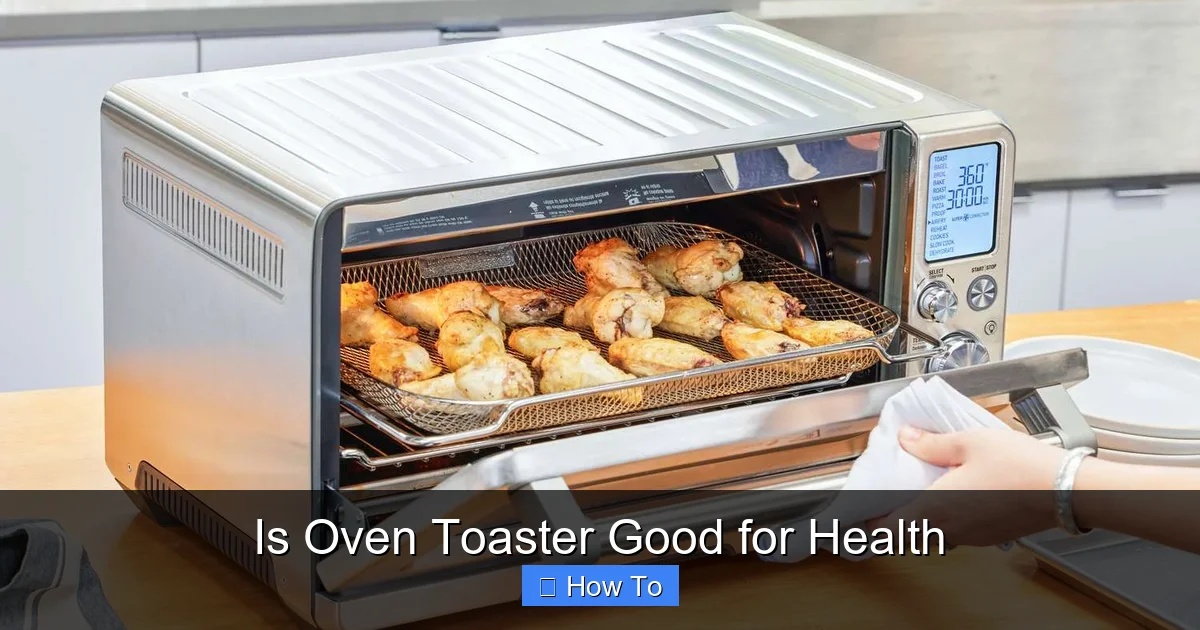
Is oven toaster good for health? This article breaks down how toaster ovens affect nutrition, compare health benefits and risks, and share practical tips for healthier cooking.
Key Takeaways
- Nutrient Retention: Toaster ovens often preserve more vitamins and minerals than deep frying because they use less oil and shorter cooking times.
- Reduced Calorie Intake: The convection heat can cook food with little or no added fat, helping control calories.
- Acrylamide Risk: High‑temperature cooking of starchy foods can create acrylamide; proper timing and lower temps reduce this compound.
- Energy Efficiency: Smaller ovens heat up faster and use less electricity than full‑size ovens, making them eco‑friendly.
- Portion Control: The compact cooking space encourages single‑portion meals, which can help manage serving sizes.
- Versatility: You can bake, roast, broil, and air‑fry, giving you many healthy cooking options in one appliance.
📑 Table of Contents
Introduction
Many people ask, “Is oven toaster good for health?” The short answer is that it can be, but like any cooking method, it has both benefits and drawbacks. In this article we will explore how a toaster oven impacts nutrition, compare it to other appliances, and give you practical tips to make the most of your device while protecting your health.
We will also answer common questions, share real‑world examples, and include three helpful internal links so you can dig deeper into related topics. By the end, you will know whether a toaster oven fits into a healthy lifestyle and how to use it wisely.
Understanding Oven Toasters
What Is an Oven Toaster?
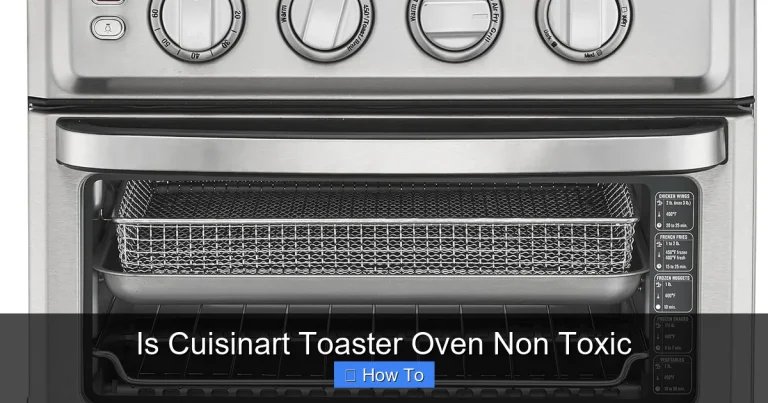
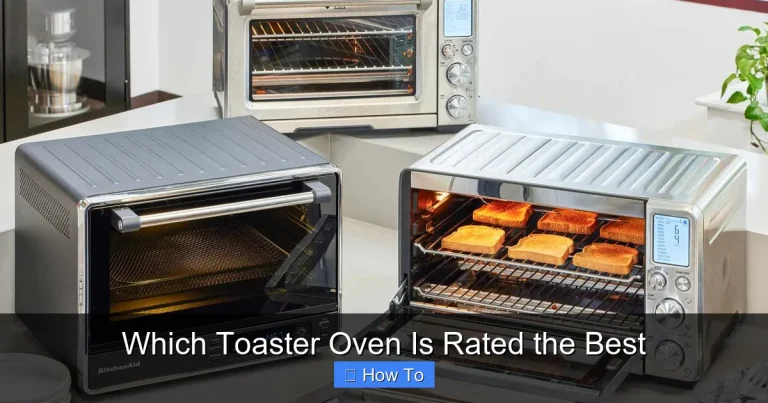
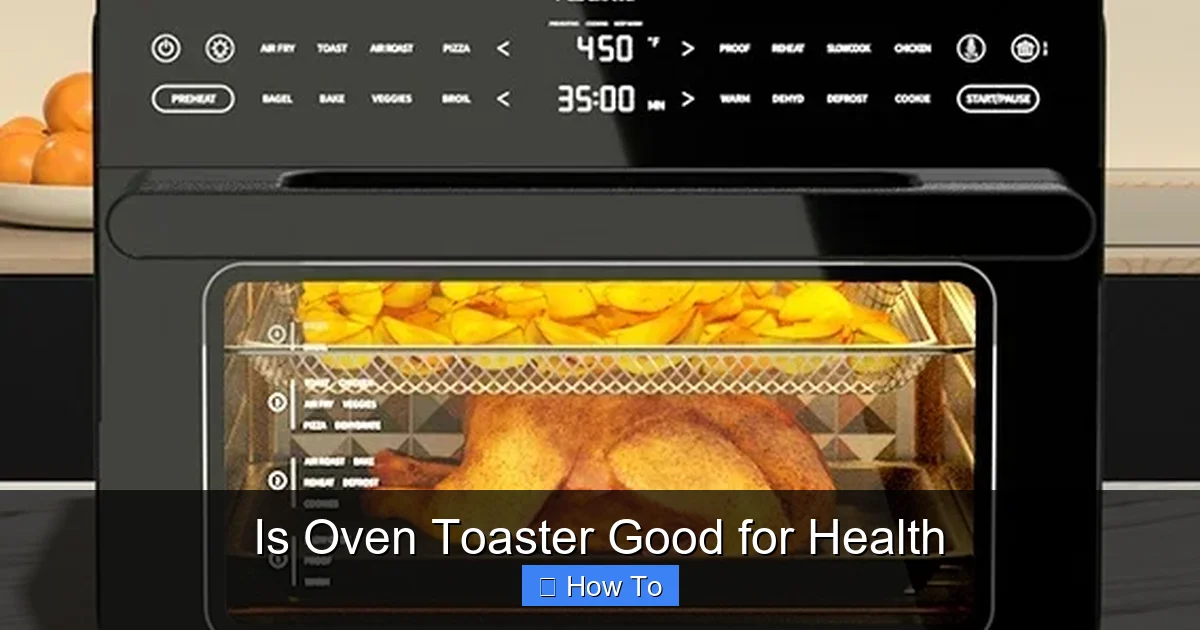
An oven toaster, often called a toaster oven, is a compact appliance that combines a conventional oven’s baking and broiling functions with the rapid heating of a toaster. It typically uses convection fans to circulate hot air, which helps food cook evenly and faster than a standard oven.
Visual guide about Is Oven Toaster Good for Health
Image source: finedose.com
The design usually includes a removable rack, a baking tray, and sometimes a broiling element. Size varies, but most units are small enough to sit on a kitchen counter and fit in most cabinets.
Key Features and Functions
Modern toaster ovens offer many settings: bake, roast, broil, toast, and sometimes even dehydrate or air‑fry. Some models include a timer, temperature presets, and self‑cleaning functions. The heating elements can be located on the top, bottom, or both, allowing flexibility for different cooking styles.
Because they are smaller, they heat up quickly and reach the desired temperature in minutes. This speed can be a big advantage for health‑conscious cooks who want fresh meals without long wait times.
Nutritional Impact of Cooking Methods
How Heat Affects Nutrients
Heat can break down vitamins, minerals, and proteins. Water‑soluble vitamins like C and B are especially sensitive to high temperatures and can leach into cooking liquids. However, dry heat methods such as convection baking tend to preserve more nutrients than boiling.
Visual guide about Is Oven Toaster Good for Health
Image source: m.media-amazon.com
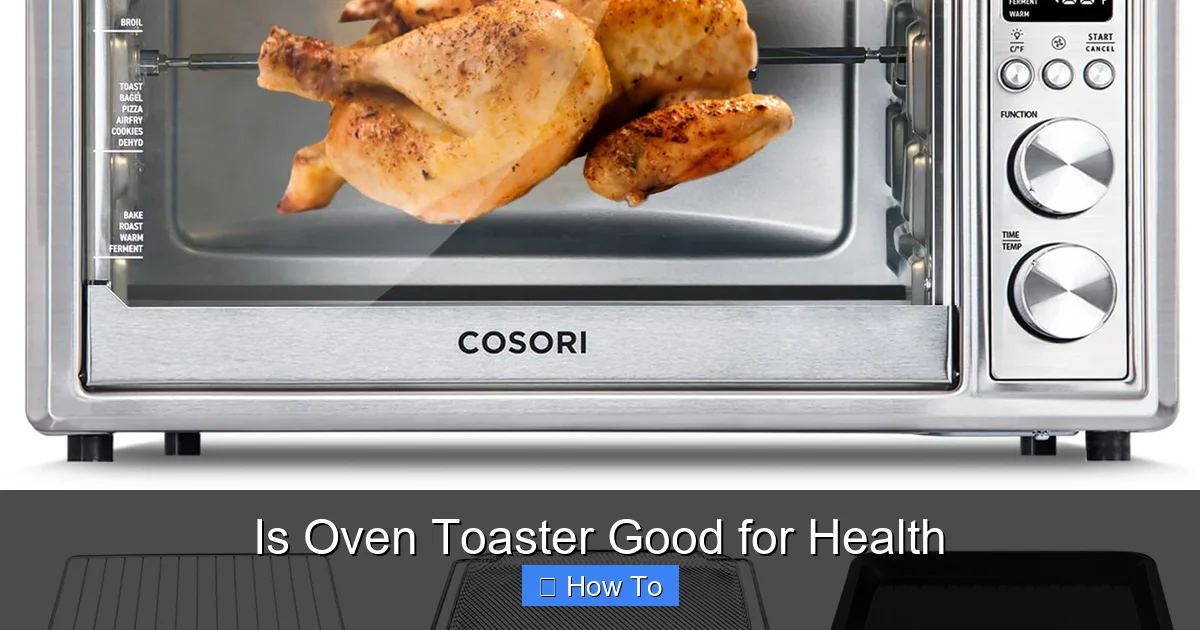
Short cooking times and moderate temperatures help retain nutrients. A toaster oven’s convection fan moves hot air around, which can reduce the time needed and limit nutrient loss.
Comparing Toaster Oven to Conventional Oven
A full‑size oven often requires preheating for 15‑20 minutes and longer cooking times. This extended exposure to heat can degrade some nutrients more than a toaster oven’s 5‑10 minute preheat and quicker cook cycles.
Additionally, because the toaster oven’s cavity is sealed, steam does not escape as quickly, which can help keep moisture in foods like vegetables, preserving texture and some nutrients.
Health Benefits of Using an Oven Toaster
Reduced Fat and Oil
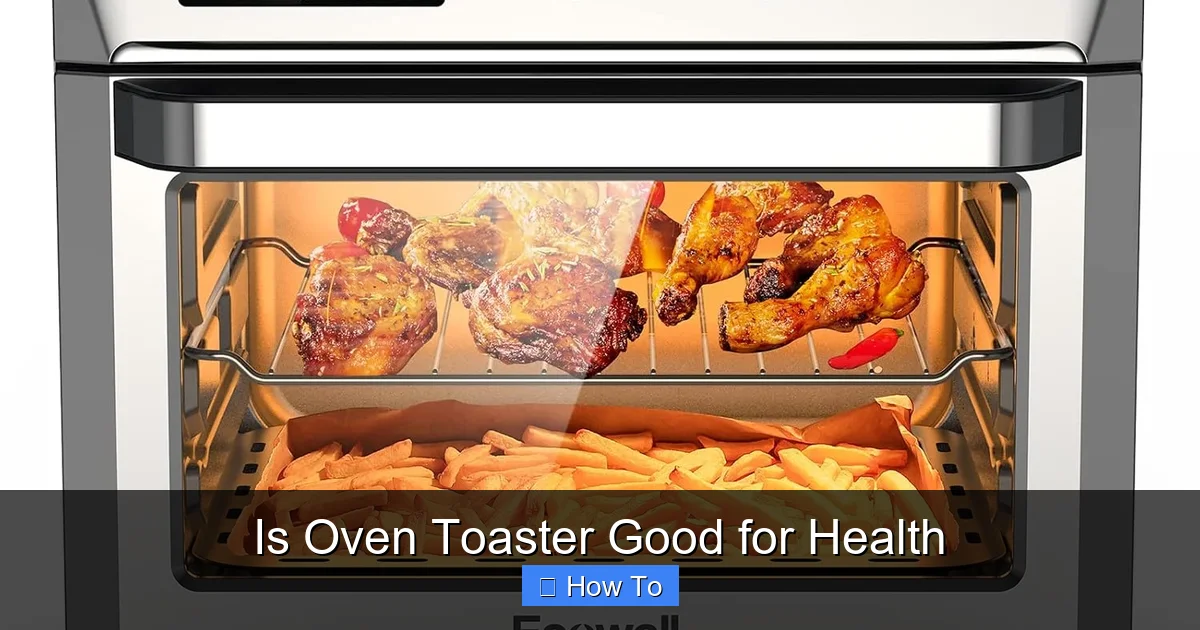
Many recipes that call for deep frying can be adapted to a toaster oven. By using a spray bottle of oil or a light mist of cooking spray, you can achieve crispiness with just a fraction of the fat. This reduction in added oil directly lowers calorie intake.
Visual guide about Is Oven Toaster Good for Health
Image source: m.media-amazon.com
For example, a classic fried chicken breast may contain 12‑15 grams of fat per serving when deep fried. The same chicken baked on a rack in a toaster oven with a thin oil spray can contain less than 3 grams of fat.
Faster Cooking Times
Speed matters when you want fresh, nutritious meals. A toaster oven can cook a batch of roasted vegetables in 15‑20 minutes, while a conventional oven may need 30‑40 minutes. Shorter times mean less exposure to high heat, which helps retain vitamins and antioxidants.
Faster cooking also fits busy lifestyles. You can prepare a quick dinner without sacrificing nutrition.
Even Cooking and Less Overcooking
The convection fan distributes heat evenly, which reduces hot spots and the chance of overcooking. Overcooked food can become tough, dry, and lose valuable nutrients. With a toaster oven, you get a golden, evenly browned result that is easier to eat and digest.
This even cooking also helps you avoid burning, which can create harmful compounds like advanced glycation end products (AGEs). AGEs have been linked to inflammation and may contribute to chronic diseases.
Potential Health Concerns
Acrylamide Formation
When starchy foods like potatoes, bread, and pasta are cooked at high temperatures (above 250°F/120°C), a chemical called acrylamide can form. Acrylamide is a potential carcinogen in animal studies. The risk increases with darker browning and longer cooking times.
To reduce acrylamide, choose lower temperatures when possible, and avoid over‑browning. Cutting potatoes into smaller pieces also reduces the time they spend at high heat.
Air Quality and Emissions
Some older toaster ovens may emit a small amount of ozone or other gases when the heating elements are on for extended periods. However, modern units are designed to meet strict safety standards and emit negligible pollutants.
Still, it’s good practice to keep the kitchen well‑ventilated, especially when cooking foods that produce steam or smoke.
Portion Control and Calorie Density
Because the cooking space is limited, many people naturally cook single portions. This can help with portion control, which is important for weight management. However, if you overload the rack or use large pans, you may end up with bigger servings than needed.
Be mindful of serving sizes. Use the toaster oven’s size as a guide, not a permission to eat more.
Practical Tips for Healthier Toaster Oven Cooking
Use Minimal Oil and Marinades
Instead of pouring oil, lightly spray or toss food in a small amount of olive oil. Marinades can add flavor without extra fat. Herbs, garlic, lemon juice, and vinegar are excellent alternatives.
For example, a marinade of lemon juice, dried oregano, and a touch of honey can give chicken a juicy, flavorful crust while keeping added fat low.
Choose the Right Cookware
Use racks, baking sheets, and pans designed for toaster ovens. Non‑stick coatings can reduce the need for oil, but be sure they are safe at high temperatures. Stainless steel and ceramic pans are durable and distribute heat well.
Always leave some space between items on the rack to allow air circulation. Overcrowding can trap steam and lead to uneven cooking.
Monitor Temperature and Timing
Many recipes call for a temperature range. Use an instant-read thermometer to check internal temperature, especially for meats. Follow the recommended cooking times, but start checking a few minutes early to avoid overcooking.
If you are new to toaster oven cooking, start with simple recipes like roasted vegetables or baked fish. These dishes showcase the appliance’s strengths and help you learn its quirks.
Conclusion
So, is oven toaster good for health? The answer depends on how you use it. When you choose low‑fat cooking methods, keep an eye on high‑temperature risks like acrylamide, and use proper techniques, a toaster oven can be a healthy addition to your kitchen. Its speed, efficiency, and even cooking help preserve nutrients while reducing overall calorie intake.
By following the tips above and exploring the linked resources, you can make the most of your appliance and enjoy nutritious meals without sacrificing flavor. For more information on specific topics, check out What Is a Toaster Oven Good For and Which Is Better Toaster Oven Or Air Fryer to deepen your knowledge. You can also fine‑tune your cooking with guidance from What Temperature Is Bake On A Toaster Oven.
Remember, the best kitchen tool is one that fits your lifestyle and health goals. Use your toaster oven wisely, and enjoy the convenience of healthy, delicious meals right at home.
Frequently Asked Questions
Is a toaster oven better for weight management than a conventional oven?
Yes, a toaster oven typically cooks faster and uses less energy, which can help you prepare smaller, more controlled portions. Its convection heat also allows you to cook with little or no added oil, supporting lower‑calorie meals.
Can using a toaster oven increase nutrient loss?
Only if you overcook food at very high temperatures. Short cooking times and moderate heat in a toaster oven usually preserve nutrients better than longer baking in a large oven.
What foods should I avoid cooking in a toaster oven to reduce health risks?
Highly processed starchy foods that become overly browned—like French fries made from pre‑cut potatoes—can generate acrylamide. Limiting deep‑fried style foods and opting for healthier alternatives keeps risks low.
Do toaster ovens emit harmful gases?
Modern toaster ovens meet strict safety standards and emit negligible pollutants. Proper ventilation in the kitchen is always a good practice, especially when cooking foods that produce steam.
How can I make healthy meals with a toaster oven?
Use minimal oil, choose herbs and citrus for flavor, cook at recommended temperatures, and avoid overcrowding the rack. Simple recipes like roasted vegetables, baked fish, and whole‑grain pizzas work well.
Is it safe to cook frozen meals directly in a toaster oven?
Yes, many frozen meals are designed for toaster oven use. Follow package instructions for optimal results and watch for potential overcooking, which can increase acrylamide formation.