Is Calphalon Cookware Oven Proof
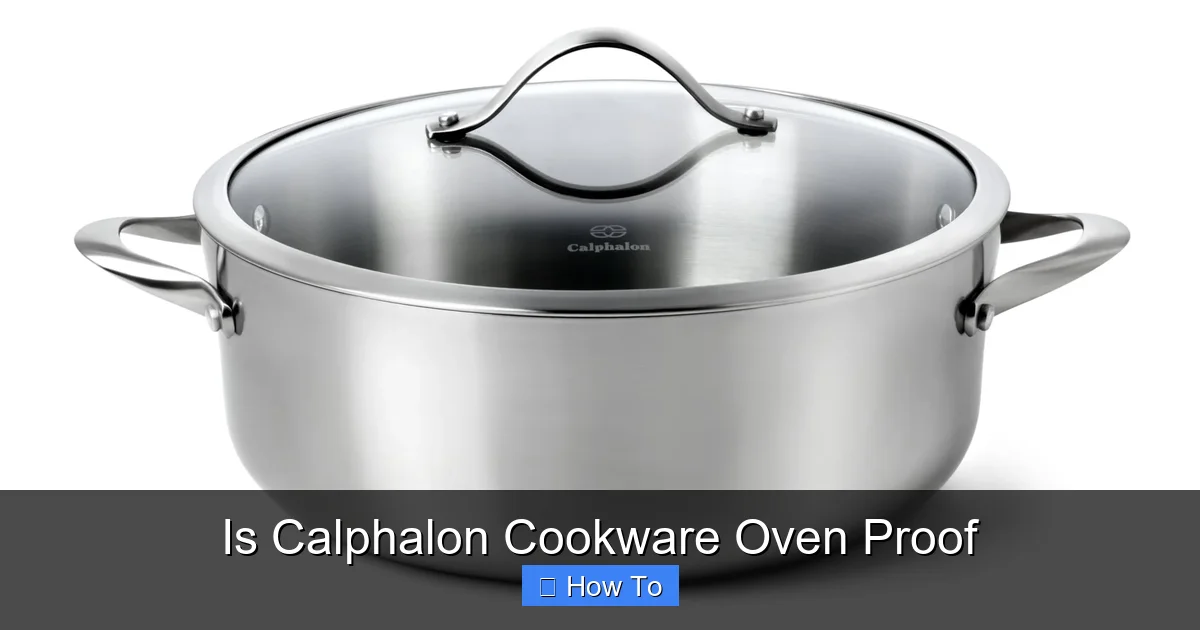
Calphalon cookware is often oven safe, but it depends on the specific product and its materials. Many Calphalon lines can withstand high oven temperatures, but you should always check for the oven safe symbol. This guide will help you understand how to use your Calphalon in the oven safely and avoid common mistakes.
Have you ever been in the middle of cooking a delicious casserole and wondered if you can just pop your Calphalon pan into the oven? You’re not alone. Many home cooks face this dilemma because oven safety isn’t always straightforward. Calphalon is a well-known brand for its quality cookware, but when it comes to oven use, there are some key things you need to know to avoid any mishaps. In this guide, we’ll dive deep into whether Calphalon cookware is oven proof, so you can cook with confidence and peace of mind.
Calphalon has been a trusted name in kitchens for decades, offering a range of pots, pans, and other cookware that promise durability and performance. But oven safety can vary based on the materials used in each product. Whether you’re roasting vegetables, baking a cake, or braising meat, understanding how your Calphalon behaves in the oven is essential. Let’s explore the details together, and by the end, you’ll have all the information you need to use your Calphalon cookware safely in any recipe.
Key Takeaways
- Most Calphalon cookware is oven safe up to 400-500°F. However, non-stick varieties may have lower limits, so always check the label.
- Look for the oven safe symbol on the bottom of your cookware. This symbol indicates the maximum temperature it can handle.
- Hard-anodized aluminum and stainless steel Calphalon are typically oven safe. These materials are durable and heat-resistant.
- Avoid thermal shock by preheating your oven properly. Sudden temperature changes can damage your cookware.
- Handle Calphalon with care in the oven. Use oven mitts and avoid stacking items to prevent scratches.
- Non-stick Calphalon may require special attention. Check the manufacturer’s guidelines for specific temperature limits.
- When in doubt, contact Calphalon customer support. They can provide details on your particular model.
📑 Table of Contents
What Makes Cookware Oven Safe?
Before we focus on Calphalon, it’s helpful to understand what makes any cookware oven safe in the first place. Oven safety isn’t just about the material; it also involves the construction, handles, and coatings. Generally, cookware that can withstand high temperatures without warping, melting, or releasing harmful substances is considered oven safe. Most metal-based cookware, like stainless steel or hard-anodized aluminum, is designed to handle oven temperatures, but non-stick coatings can be more sensitive.
Key Factors to Consider
When evaluating oven safety, look for a few key indicators. First, check for an oven safe symbol on the bottom of your cookware—this is often a small icon with a flame or the words “oven safe.” Second, consider the temperature limits; most cookware is safe up to 400-500°F, but non-stick items might cap at lower temperatures. Third, think about the handles: if they’re made of plastic or silicone, they might not be oven safe unless specified. For more detailed steps on how to tell if cookware is oven safe, you can check out our comprehensive guide here, which breaks down the signs to look for.
Is Calphalon Cookware Oven Proof? The Details
Now, let’s get to the heart of the matter: is Calphalon cookware oven proof? The short answer is yes, for most products, but with some caveats. Calphalon offers several lines of cookware, each with different materials and features. We’ll break down the most popular ones to give you a clear picture.
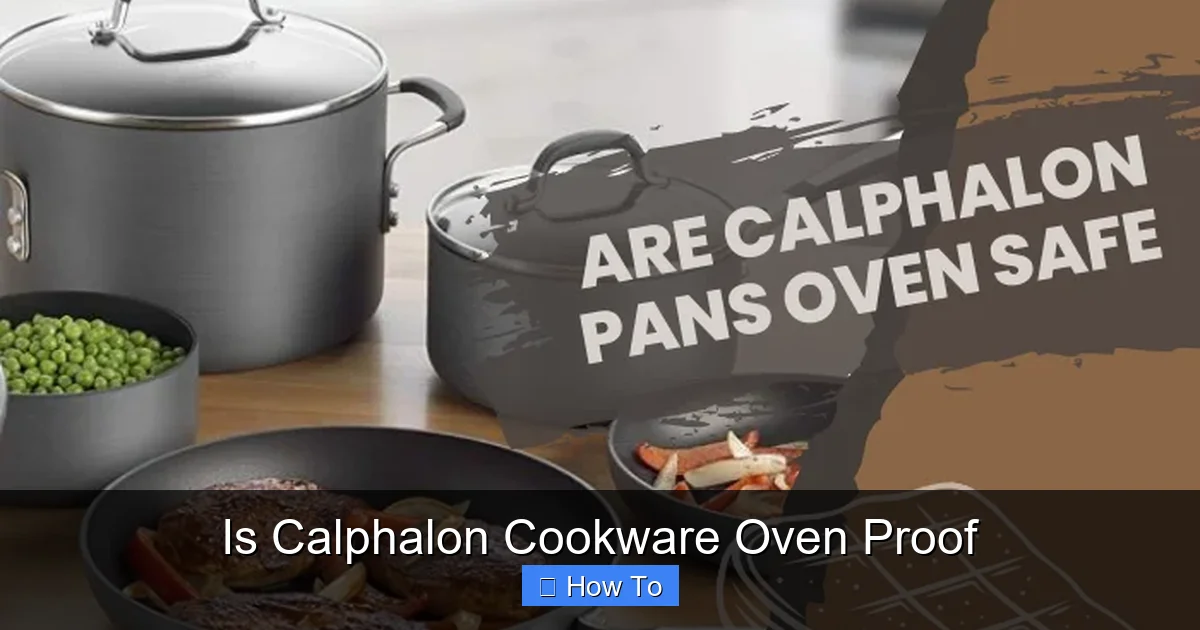
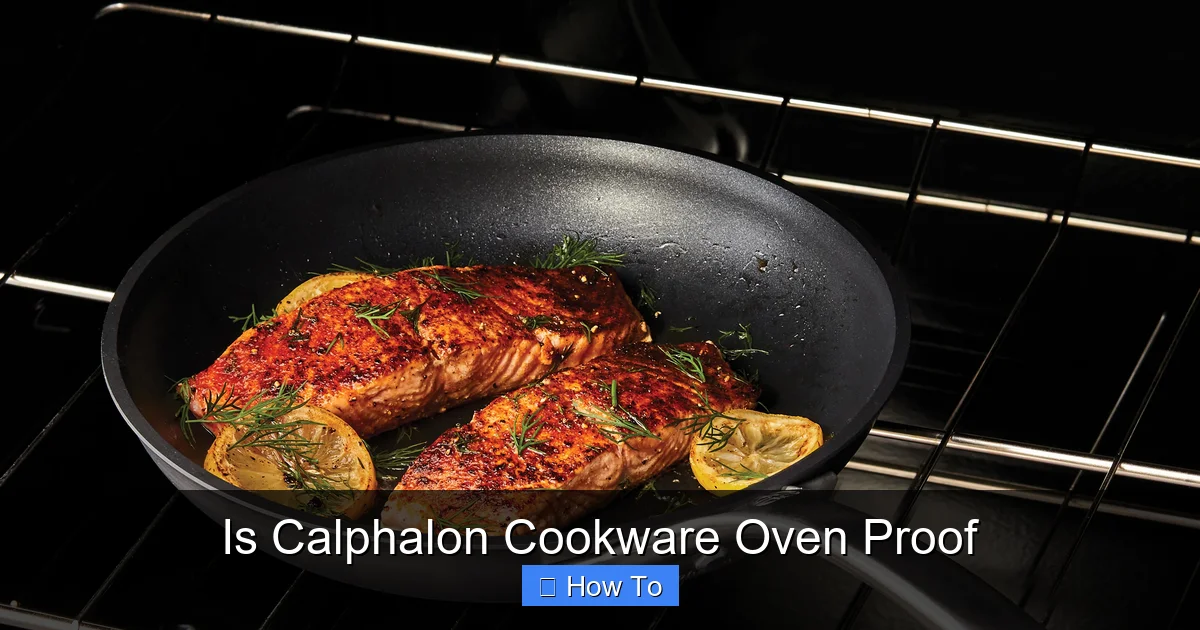
Visual guide about Is Calphalon Cookware Oven Proof
Image source: hiroasiankitchen.com
Hard-Anodized Aluminum Calphalon
This is one of Calphalon’s most common materials, known for its durability and even heat distribution. Hard-anodized aluminum is typically oven safe up to 400-500°F, making it great for a variety of oven dishes. For example, you can use a Calphalon hard-anodized skillet to sear meat on the stove and then finish it in the oven for a perfect roast. Just remember to avoid sudden temperature changes, like placing a hot pan in cold water, as this can cause warping.
Stainless Steel Calphalon
Stainless steel is another popular choice for Calphalon cookware, and it’s highly oven safe. In fact, stainless steel can often handle temperatures up to 500°F or higher, depending on the specific model. This makes it ideal for baking or broiling. A Calphalon stainless steel Dutch oven, for instance, is perfect for making stews or baking bread. The key is to ensure that any lids or handles are also oven safe—most are, but always double-check.
Non-Stick Calphalon
Here’s where you need to be more cautious. Calphalon’s non-stick cookware is convenient for easy cleaning, but the coatings can degrade at high temperatures. Generally, non-stick Calphalon is oven safe up to 400°F, but some newer lines might have higher limits. Always refer to the manufacturer’s instructions. If you’re curious about how non-stick cookware behaves in the oven, you might find our article on Farberware non-stick cookware oven safety helpful for comparison.
Other Calphalon Lines
Calphalon also offers lines like the Classic, Contemporary, and Elite series. Most of these are oven safe, but the temperature limits can vary. For instance, the Elite line might feature titanium-reinforced non-stick, which could withstand slightly higher temperatures. The best practice is to look for the oven safe symbol on each piece or visit the Calphalon website for product-specific details.
How to Identify Oven Safe Calphalon Products
Knowing how to check your Calphalon cookware for oven safety is a valuable skill. It can save you from damaged pans or even kitchen accidents. Here’s a step-by-step approach to ensure your Calphalon is oven ready.
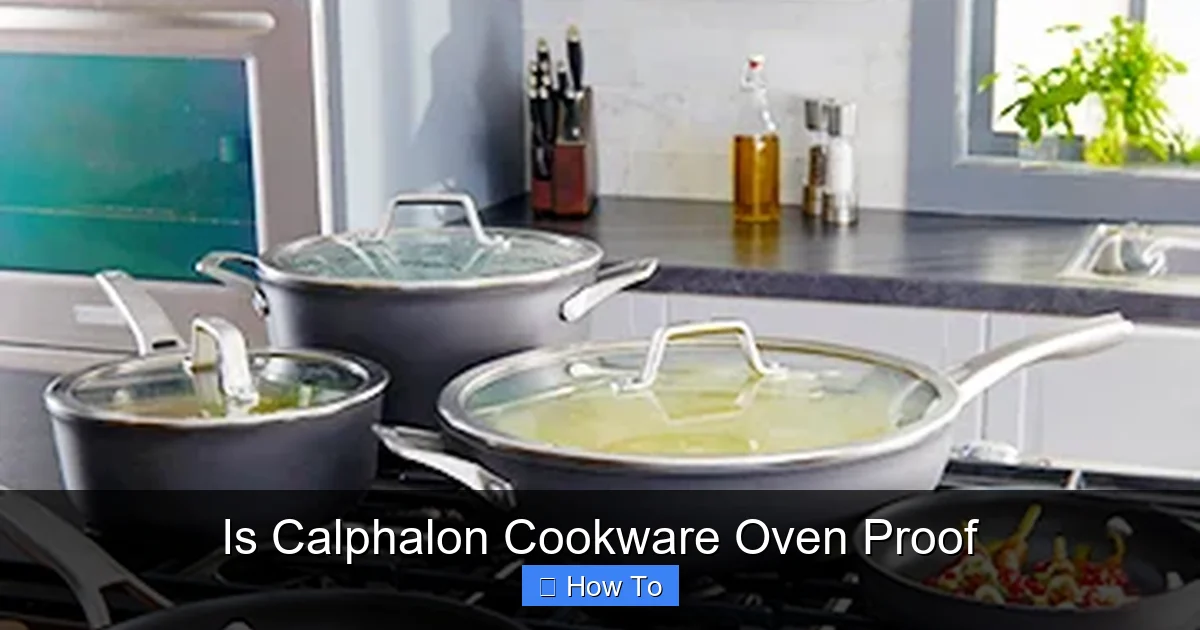
Visual guide about Is Calphalon Cookware Oven Proof
Image source: newellbrands.imgix.net
Check for Symbols and Labels
Start by inspecting the bottom of your cookware. Calphalon usually stamps an oven safe symbol, which might look like a small oven or include the words “oven safe.” If you see a number, that often indicates the maximum temperature in Fahrenheit. For example, “400” means it’s safe up to 400°F. If no symbol is present, it’s best to assume it’s not oven safe unless you have documentation.
Consult the Manufacturer’s Resources
Calphalon provides detailed information on their website. You can enter your product model number to find specific guidelines. Additionally, the user manual that came with your cookware is a goldmine of information. If you’ve lost it, don’t worry—many manuals are available online. For a broader perspective, learning how to tell if cookware is oven safe in general can be useful, and we have a guide here that covers universal tips.
Know the Material Clues
As a rule of thumb, metals like stainless steel and hard-anodized aluminum are oven safe, while non-stick coatings require more caution. If your Calphalon has plastic handles, check if they’re heat-resistant. Some models have silicone grips that are oven safe up to 400°F, but others might not be. When in doubt, remove the handles before putting the pan in the oven if they’re detachable.
Tips for Safe Oven Use with Calphalon
Once you’ve confirmed your Calphalon is oven safe, there are some best practices to follow to extend its life and ensure safe cooking. These tips will help you get the most out of your cookware while minimizing risks.
Visual guide about Is Calphalon Cookware Oven Proof
Image source: m.media-amazon.com
Preheat Properly
Always preheat your oven to the desired temperature before adding your Calphalon cookware. This helps prevent thermal shock, which can occur when a cold pan is suddenly exposed to high heat. Thermal shock might cause warping or cracking, especially in non-stick items. Think of it like acclimating your cookware to the heat—just as you might warm up before a workout.
Use Oven Mitts and Proper Handling
When placing or removing Calphalon from the oven, use high-quality oven mitts or pot holders. The metal surfaces can get extremely hot, and burns are no joke. Also, avoid stacking cookware in the oven if it’s not necessary, as this can lead to scratches or damage to the non-stick coating. If you need to stack, place a protective layer like parchment paper between items.
Avoid Extreme Temperature Changes
After taking your Calphalon out of the oven, let it cool down gradually before washing. Don’t plunge a hot pan into cold water, as this can cause the material to contract rapidly and potentially warp. Instead, allow it to cool on a trivet or heat-safe surface. This simple step can preserve the integrity of your cookware for years to come.
Clean with Care
Proper cleaning also plays a role in oven safety. Use non-abrasive sponges and mild detergents to avoid scratching the surface. For non-stick Calphalon, avoid metal utensils that could damage the coating. A little maintenance goes a long way in keeping your cookware oven safe and functional.
Common Questions and Misconceptions
There are often myths and confusion surrounding oven safety for cookware. Let’s address some common questions to set the record straight.
Can I Put My Calphalon Non-Stick Pan in the Oven?
Yes, but only if it’s rated for oven use and within the temperature limit. Most Calphalon non-stick pans are safe up to 400°F, but always verify the specific model. Exceeding the temperature can cause the coating to release fumes or degrade, so caution is key.
What If My Calphalon Doesn’t Have an Oven Safe Symbol?
If you can’t find a symbol, it’s best to avoid putting it in the oven until you confirm its safety. Contact Calphalon customer support with your product details for guidance. They can often provide information based on the model number. Remember, it’s better to be safe than sorry when it comes to oven use.
Are All Calphalon Products Oven Safe?
Not necessarily. While most are, some specialty items like certain lids or accessories might not be. Always check each piece individually. For example, a Calphalon pot might be oven safe, but its lid could have a different rating. When purchasing new cookware, ask about oven safety upfront to avoid surprises.
In conclusion, Calphalon cookware is generally oven proof, but it requires a bit of knowledge to use it safely. By checking for symbols, understanding the materials, and following practical tips, you can confidently bake, roast, or broil with your Calphalon set. Remember, a little attention to detail can make all the difference in the kitchen. So go ahead and enjoy that recipe you’ve been planning—your Calphalon is likely ready for the job, as long as you take the right precautions.
Frequently Asked Questions
What temperature is Calphalon cookware oven safe?
Most Calphalon cookware is oven safe up to 400-500°F, but non-stick varieties may have lower limits, such as 400°F. Always check the specific product guidelines for exact temperatures.
How can I tell if my Calphalon is oven proof?
Look for an oven safe symbol on the bottom of the cookware, such as a flame icon or temperature rating. You can also consult the user manual or Calphalon’s website for model-specific information.
Are Calphalon non-stick pans oven safe?
Yes, many Calphalon non-stick pans are oven safe up to 400°F, but it’s essential to verify the temperature limit for your particular model to avoid damaging the coating.
Can I put a Calphalon pan with a plastic handle in the oven?
It depends on the handle material. Some plastic handles are heat-resistant and oven safe, but others are not. Check the manufacturer’s instructions or look for a heat-resistant rating before oven use.
What should I do if my Calphalon cookware gets damaged in the oven?
If your Calphalon warps or the coating peels, stop using it immediately. Contact Calphalon customer support for advice on repairs or replacements. Avoid further oven use until the issue is resolved.
Is it safe to use Calphalon cookware in a convection oven?
Yes, Calphalon cookware is generally safe in convection ovens, as the principles of oven safety are similar. Just ensure the temperature stays within the recommended limits for your specific product.