How to Bake Salmon Fillet in Toaster Oven

Learn how to bake salmon fillet in a toaster oven with simple steps that deliver moist, flaky results every time. This concise guide covers seasoning, temperature, timing, and tips to ensure perfect texture.
When you’re looking for a quick, healthy dinner, learning how to bake salmon fillet in toaster oven can be a game changer. This method uses less energy than a full‑size oven and delivers a perfectly cooked piece of fish in under twenty minutes. Whether you’re a seasoned cook or trying salmon for the first time, the toaster oven offers a convenient way to achieve a moist, flaky result without taking over your entire kitchen.
In this guide we’ll walk you through every step, from selecting the right fillet to plating the final dish. You’ll discover simple seasoning ideas, the ideal temperature, and a few pro tips that help you avoid overcooking. By the end you’ll feel confident baking salmon in your toaster oven whenever the craving strikes.
Key Takeaways
- Preheat to 400°F: Ensures a crispy exterior and even cooking.
- Season simply: Salt, pepper, lemon juice, and herbs enhance flavor without overpowering.
- Use a baking sheet or foil: Prevents sticking and makes cleanup easy.
- Bake for 12‑15 minutes: Adjust time based on thickness for perfect doneness.
- Check with a fork: Flaky texture indicates it’s done.
- Rest before serving: Allows juices to redistribute for a moist bite.
📑 Table of Contents
- Choosing the Perfect Salmon Fillet
- Preparing Your Toaster Oven
- Seasoning and Flavor Enhancements
- The Baking Process: Temperature and Timing
- Testing Doneness and Serving
- Tips, Variations, and Common Mistakes
- Serving Suggestions
- Storing and Reheating
- Flavor Variations
- Wine Pairing
- Cooking for One
- Meal Prep Tips
- Additional Tips
- Food Safety
- Nutrition Overview
- Conclusion
Choosing the Perfect Salmon Fillet
Start with a fresh, high‑quality fillet. Look for a bright pink or orange color, clear eyes (if you buy whole), and a firm texture that springs back when pressed. Wild‑caught salmon often has a richer flavor, but farmed works well too. The thickness of the fillet matters; a 1‑inch thick piece will bake evenly, while thinner cuts may need a slightly shorter time.
Fresh vs. Frozen
If you can’t get to the market daily, frozen salmon is a perfectly acceptable alternative. Choose vacuum‑packed fillets that are frozen at sea, as this locks in freshness. Thaw the salmon in the refrigerator overnight, or place it in a sealed bag and submerge it in cold water for a quick defrost. Always pat the surface dry before seasoning to ensure the spices adhere properly.
Skin‑on vs. Skin‑less
You can bake salmon with or without the skin. The skin adds a layer of protection that keeps the flesh from drying out, and it becomes crisp in the toaster oven. If you prefer a cleaner plate, remove the skin before cooking, but be sure to pat the fillet dry to promote browning. A sharp knife makes skin removal easier; start at the tail end and slide the blade between the skin and flesh.
Preparing Your Toaster Oven
Preheating is essential for consistent results. Set your toaster oven to 400°F (204°C) and allow it to reach temperature for at least five minutes. This ensures the heat is evenly distributed, which is crucial for cooking fish uniformly.

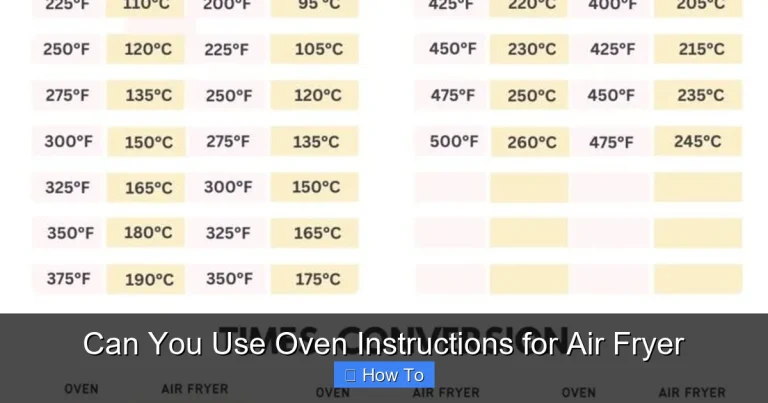
Visual guide about How to Bake Salmon Fillet in Toaster Oven
Image source: image.slidesharecdn.com
Line a small baking sheet or a piece of aluminum foil with a light spray of oil or a pat of butter. This prevents sticking and makes cleanup easier. If you’re using foil, create a shallow tray by crimping the edges so the salmon sits in a little “boat” that catches any juices. For extra crispiness, you can place a wire rack on the baking sheet and set the salmon on the rack, allowing hot air to circulate around the fillet.
Convection Setting
Many toaster ovens come with a convection fan. Turning it on can reduce cooking time by about 20 % and promote a more even brown. If you use convection, keep an eye on the timer; the salmon may be done a minute or two earlier than the recipe suggests.
For a detailed guide on cooking salmon in a toaster oven, check out our article on how to make salmon in the toaster oven. This resource expands on the basics and offers additional flavor combinations.
Seasoning and Flavor Enhancements
Salmon’s mild flavor pairs well with a variety of seasonings. A simple combination of salt, freshly ground black pepper, and a squeeze of lemon juice highlights the natural richness. For an extra twist, try adding minced garlic, chopped fresh dill, or a drizzle of olive oil.
Herb and Spice Blends
Here are a few easy blends that work beautifully with salmon:
- Lemon‑Herb: lemon zest, chopped parsley, thyme, and a pinch of salt.
- Garlic‑Dill: minced garlic, fresh dill, and a splash of white wine.
- Smoky Paprika: smoked paprika, brown sugar, and a touch of cayenne.
Feel free to mix and match; the key is to keep the total amount of seasoning moderate so the fish remains the star.
Marinating Options
If you have a few extra minutes, you can marinate the fillet for 10‑15 minutes in a mixture of soy sauce, honey, and grated ginger. This adds a sweet‑savory note that complements the fish beautifully. Just be sure not to over‑marinate, as the acid in citrus can start to “cook” the surface.
The Baking Process: Temperature and Timing
Place the seasoned salmon fillet on the prepared baking sheet, skin‑side down if you left the skin on. Slide it into the preheated toaster oven and bake for 12‑15 minutes, depending on thickness. A general rule is about 4‑6 minutes per half‑inch of thickness.
During the last few minutes, you can broil the fillet for a minute or two to develop a caramelized crust. Keep a close eye on it, as the broiler can quickly turn the salmon from golden to burnt.
If you prefer cooking with the skin on, see our tutorial on how to bake salmon with skin in the oven. It provides specific guidance for achieving a crispy skin while keeping the interior moist.
Adjusting for Thickness
For a ½‑inch fillet, aim for 8‑10 minutes. A 1‑inch fillet may need 14‑16 minutes. If you have a very thick cut, consider searing the skin side in a hot pan for two minutes before transferring to the oven, which helps render the fat and crisp the skin.
Testing Doneness and Serving
To check if the salmon is done, insert a fork into the thickest part and gently twist. The flesh should flake easily and appear opaque throughout. If any translucent areas remain, return the fillet to the oven for another minute or two.
Another reliable method is to use an instant‑read thermometer. Insert the probe into the center; 125°F (52°C) yields a medium‑texture fillet, while 145°F (63°C) will be well‑done. Keep in mind that the temperature will rise a few degrees after you remove the salmon from the oven.
Once cooked, let the salmon rest for a couple of minutes. This allows the juices to redistribute, resulting in a moist bite. Serve with a wedge of lemon, a sprinkle of fresh herbs, or a side of roasted vegetables.
Accompaniments and Presentation
Salmon pairs nicely with a variety of sides. Consider steamed asparagus, buttered rice, or a crisp green salad. For a more elegant presentation, place the fillet on a bed of quinoa and drizzle with a lemon‑olive oil vinaigrette. Garnish with microgreens or a few capers for a pop of color and flavor.
Tips, Variations, and Common Mistakes
Use a thermometer: An internal temperature of 125°F (52°C) is ideal for medium‑doneness, but you can adjust to your preference.
Avoid over‑cooking: Salmon continues to cook after you remove it from the oven, so pull it out just before it looks fully done.
Experiment with glazes: A brush of maple syrup, teriyaki, or a spicy sriracha glaze can add exciting flavors.
Cleanup tip: Lining the baking sheet with foil and spraying it with oil makes post‑meal cleanup a breeze.
To learn about optimal baking temperatures, read our post about how long to bake salmon at 350 in the oven. It compares different heat levels and helps you choose the best setting for your taste.
Serving Suggestions
Salmon’s delicate flavor pairs well with a variety of sides. For a light meal, serve the fillet on a bed of mixed greens with a lemon‑olive oil dressing. For something heartier, place it atop creamy polenta or mashed potatoes, and add a drizzle of the same sauce used during baking. Roasted asparagus, sautéed spinach, or a simple quinoa pilaf also complement the fish beautifully.
Storing and Reheating
If you have leftovers, store them in an airtight container in the refrigerator for up to three days. To reheat, place the salmon on a baking sheet and warm it in the toaster oven at 300°F for about five minutes, or until it reaches an internal temperature of 145°F. Avoid microwaving, as it can make the fish rubbery.
Flavor Variations
Beyond the classic lemon‑herb combo, you can experiment with global flavors. Try a Mediterranean twist by adding sun‑dried tomatoes, olives, and a sprinkle of feta before baking. For an Asian‑inspired version, coat the fillet with a mixture of miso paste and maple syrup. A spicy option includes a rub of chili powder, cumin, and a touch of cocoa powder for depth.
Wine Pairing
A crisp, acidic white wine such as Sauvignon Blanc or a light Pinot Grigio complements the delicate flavor of the salmon without overwhelming it. If you prefer red, choose a light‑bodied Pinot Noir that has enough acidity to cut through the fish’s richness. Serve the wine slightly chilled, around 45‑50°F, to keep the palate refreshed between bites.
Cooking for One
When preparing a single serving, use a small toaster‑oven‑safe dish or a piece of foil shaped into a shallow bowl. A 4‑ounce fillet will cook in about 10‑12 minutes at 400°F. If you’re using a larger fillet, simply extend the time by a couple of minutes, but keep the temperature constant to avoid uneven cooking.
Meal Prep Tips
To save time during the week, you can season several fillets in advance and store them in separate containers in the fridge. When you’re ready to cook, simply transfer a fillet to the baking sheet and follow the same steps. This method allows you to enjoy a healthy, protein‑rich meal in under fifteen minutes, even on busy days.
Additional Tips
For the best texture, aim to bake the salmon just until the center is barely opaque; it will continue to cook slightly after removal. If you notice the edges browning too quickly, loosely tent the fillet with foil to prevent burning. A light spray of cooking oil on the baking surface helps achieve a golden crust without sticking. Finally, always use a clean cutting board and utensils when handling raw fish to maintain food safety.
With these strategies, you can consistently produce a moist, flavorful salmon dish that feels both gourmet and effortless. Enjoy your cooking adventure.
Food Safety
Always store salmon in the refrigerator at 40°F (4°C) or below if you plan to cook it within two days. For longer storage, freeze the fillet in airtight packaging. When handling raw fish, use separate cutting boards and wash your hands thoroughly to prevent cross‑contamination.
Nutrition Overview
Salmon is rich in omega‑3 fatty acids, high‑quality protein, and vitamins B12 and D. A typical 6‑ounce serving provides about 350 calories, making it a nutritious choice for a balanced diet. The cooking method described here retains most of these nutrients, especially when you avoid prolonged boiling or deep‑frying.
Conclusion
By following these simple guidelines, you’ll be able to bake salmon fillet in a toaster oven with confidence, achieving a tender, flavorful result every time. Whether you’re preparing a quick weeknight meal or impressing guests, this technique offers a foolproof path to perfectly cooked salmon. Enjoy your culinary creation!
Frequently Asked Questions
What temperature should I set my toaster oven to bake salmon?
Set your toaster oven to 400°F (204°C). This temperature ensures a nicely cooked exterior and evenly done interior.
How long does it take to bake a salmon fillet in a toaster oven?
Typically bake for 12‑15 minutes, or about 4‑6 minutes per half‑inch of thickness. Adjust slightly for thinner or thicker cuts.
Can I use frozen salmon in a toaster oven?
Yes, thaw the salmon first in the refrigerator or in a sealed bag in cold water, then pat dry before seasoning and baking.
Should I remove the skin before baking?
You can bake with or without the skin. The skin helps keep the flesh moist and becomes crisp, but remove it if you prefer a cleaner plate.
How can I tell when the salmon is done?
The flesh should flake easily with a fork and appear opaque throughout. An internal temperature of 125°F (52°C) gives a medium‑texture fillet.
Can I use a toaster oven to bake salmon with skin?
Absolutely. Place the fillet skin‑side down on a lightly oiled baking sheet and follow the same time and temperature guidelines; the skin will crisp up nicely.