Can You Use Toaster Oven Like Regular Oven
Can you use a toaster oven like a regular oven? Yes, with a few simple adjustments. Learn the key differences in heat distribution, size, and cooking time to cook your favorite meals perfectly without a full-sized oven.
Can you use toaster oven like regular oven? Many home cooks ask this when they want to save energy, time, or kitchen space. A toaster oven sits on your counter, heats up in minutes, and handles everything from toast to cookies. However, it doesn’t behave exactly like your full-sized wall oven. Understanding how it heats food helps you adapt recipes and get great results. In this post, we’ll explore the practical differences and help you decide when a toaster oven is the right tool for the job. If you’re curious about the fundamental similarities and differences, you might ask, is a toaster oven like a regular oven? Our other article dives deeper into that comparison.
The most immediate difference is size. A regular oven offers a large cavity for a turkey or multiple baking sheets, while a toaster oven is compact, designed for small batches or single servings. This size gap changes how heat moves around your food. Because the cavity is smaller, a toaster oven preheats much faster—about five minutes versus fifteen to twenty for a regular oven. That speed is perfect for weeknight dinners or quick snacks, but the heat is more concentrated. If you’re used to a regular oven, you might notice food cooks faster on the top or bottom, depending on where the elements sit. Because of these differences, many people find themselves reaching for the toaster oven more often than they expected.
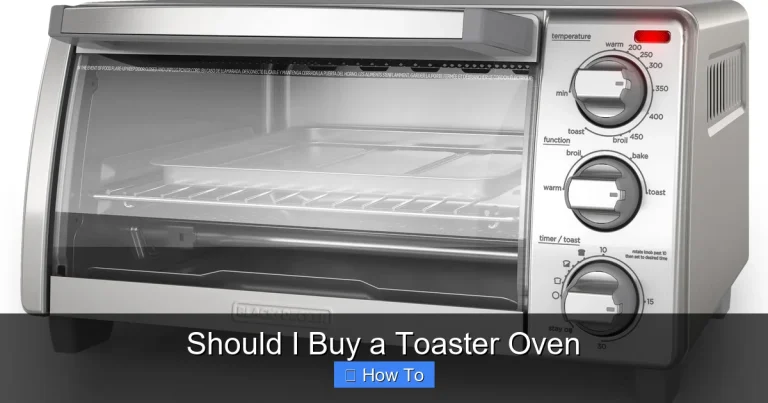
Temperature control is a key factor. Most toaster ovens have a simple dial or digital screen, but they often run hotter than the setting suggests. The heating elements are closer to the food, and there’s less air space to distribute heat evenly. This can lead to hot spots, where one area browns more quickly than the rest. Learning to manage these spots, perhaps by rotating your tray halfway through cooking, makes a significant difference. An oven thermometer helps you verify the true temperature inside your toaster oven. Many users are surprised to find that a setting of 350°F might actually read 375°F or higher. Understanding these temperature quirks will make you a more confident cook, whether you’re using a toaster oven like regular oven for the first time or the hundredth time.
Key Takeaways
- Preheat faster: Toaster ovens reach cooking temperature in minutes, saving time and energy compared to regular ovens.
- Smaller capacity: The compact size means you can’t cook large roasts or multiple dishes at once, but it’s perfect for single servings.
- Shorter cooking times: Because of concentrated heat, reduce recipe times by about 20% and check food frequently to avoid overcooking.
- Hot spots exist: Heat often concentrates near the elements, so rotating trays midway ensures even browning and cooking.
- Right bakeware matters: Shallow, light-colored pans promote better airflow and more consistent results than deep or dark pans.
- Convection helps: If your toaster oven has a convection setting, it circulates air more like a regular oven, improving overall cooking performance.
- Check temperature settings: Many toaster ovens run hotter than the dial indicates, so an oven thermometer can help you verify actual heat.
📑 Table of Contents
Size and Capacity
The most obvious difference is physical size. A standard full-sized oven fits a 12-pound turkey, multiple cookie sheets, or a large casserole. A toaster oven is compact, typically holding a 9-inch pizza, a small chicken, or a few slices of bread. This size difference affects what you can cook and how. Because the cavity is smaller, a toaster oven heats up much faster—about five minutes versus fifteen to twenty for a regular oven. That speed is perfect for weeknight dinners or quick snacks, but the heat source is more concentrated. Its speed also makes it ideal for quick weeknight dinners when you don’t want to wait for a full oven preheat.
Why Size Matters for Heat Distribution
In a large regular oven, heat circulates more evenly around food. In a toaster oven, elements are close to the top and bottom, and air space is limited. This proximity can cause food nearest the elements to cook faster than the center. If you bake thick meat or a deep casserole, the top might brown while the inside stays undercooked. Understanding this helps you adjust cooking times and food placement.
Best Uses for a Compact Oven
Despite the size limitation, a toaster oven is versatile for the right tasks. It excels at toasting bread, reheating leftovers until crisp, baking small cookie batches, and roasting vegetables for one or two people. It’s also great for melting cheese, toasting bagels, and preparing personal pizzas. For families, you may need multiple batches, but for individuals or couples, it handles most daily cooking needs without heating the whole kitchen.
Temperature and Heat Distribution
Temperature control is where many cooks notice the biggest shift when switching from a regular oven to a toaster oven. Most use a mechanical dial or digital display, but the actual internal temperature can differ from the setting. This happens because heating elements are small and close to the food, creating intense local heat. An oven thermometer helps you verify the true temperature inside your toaster oven. Many are surprised to find that 350°F might actually read 375°F or higher.
Convection vs. Traditional Heat
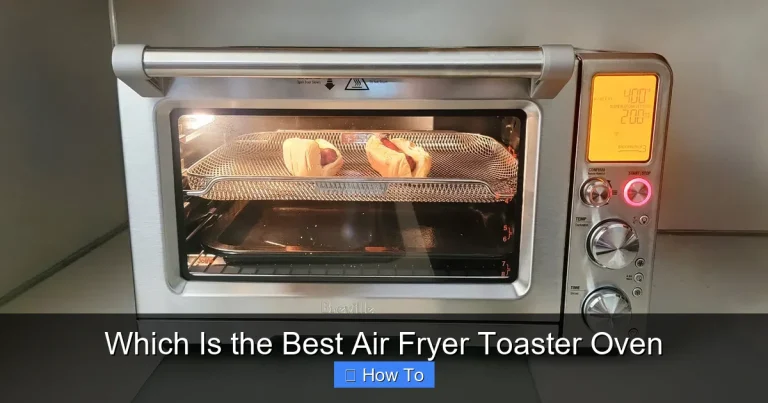
Some toaster ovens have a convection setting, which uses a fan to circulate hot air around the food. This mimics even heating and can improve browning and consistency. If your oven has convection, you can often cook faster and at a lower temperature than the recipe suggests. Without convection, traditional top-and-bottom heating means you’ll need to watch for hot spots and rotate your dish midway. If you don’t have a convection setting, you can mimic its effect by rotating food and using a lower temperature.
Managing Hot Spots
Hot spots are areas inside the oven that get hotter than the average temperature. They’re common in toaster ovens due to small size and element placement. To manage them, place food in the center of the rack and rotate the tray 180 degrees halfway through cooking. If one side browns faster, move the dish to a different rack position. These adjustments help achieve more uniform results.
Cooking Time and Recipe Adjustments
Because a toaster oven heats faster and concentrates heat, recipe times often need adjustment. A good rule is to reduce the original cooking time by about 20 percent. For example, if a recipe calls for 30 minutes in a regular oven, check food at 24 minutes in a toaster oven. Always monitor the last portion of cooking, as concentrated heat can go from perfectly done to overdone quickly. Learning to judge doneness by color, texture, and internal temperature will serve you well.
Reducing Recipe Times
Start by lowering the suggested time and checking for doneness early. Use visual cues like golden-brown color, a toothpick clean for cakes, or meat reaching safe internal temperature. If not ready, continue in 2- to 3-minute intervals. This prevents overcooking and builds confidence. Keeping a notepad of what works for your model helps you build a personal library of adjusted times.
When to Add Extra Time
Sometimes a toaster oven needs extra time, especially for large or dense items, or if it has lower wattage. Thick casseroles, large chicken pieces, or frozen foods may require the full original time plus a few extra minutes. Cover the dish with foil if the top browns too quickly, and cook until the center is fully done. The foil reflects heat to cook the interior without over-browning the exterior. Avoid using too much foil, as covering the entire rack can block airflow and cause uneven cooking.
Best Foods to Cook in a Toaster Oven
Not every dish suits a toaster oven, but many everyday foods shine in this compact appliance. Items that benefit from quick, direct heat work well. Think of foods that don’t need a large cavity or slow cooking. Your toaster oven can replace many stovetop and full-oven tasks if you choose the right recipes. It’s especially good for foods that benefit from a crispy exterior and tender interior.
Baking and Roasting
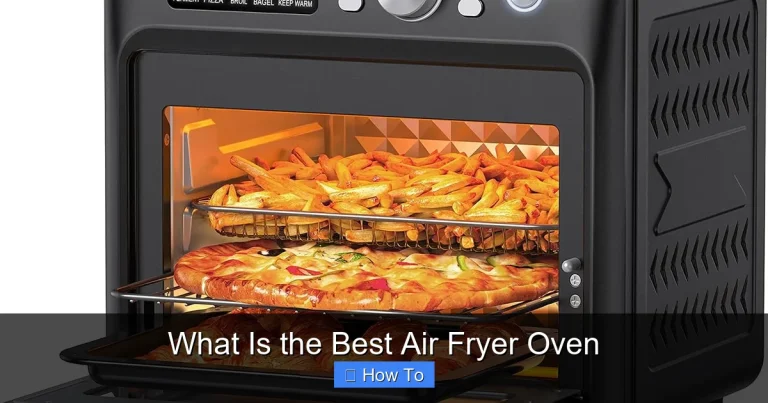
You can bake cookies, muffins, and small cakes with excellent results. Use shallow pans so heat reaches the batter evenly. Dark or deep pans can cause edges to overcook before the center sets. Roasting vegetables is a favorite; toss bite-sized pieces with oil and spices, spread in a single layer, and roast at 400°F for 15 to 20 minutes, shaking the pan halfway. The high, direct heat caramelizes edges nicely. Small roasts or chicken pieces also cook well, especially with a convection setting. The fan gives results closer to a full-sized oven.
Reheating and Toasting
Reheating leftovers in a toaster oven often beats the microwave, which can make soggy crusts. The oven restores crispness to pizza, fried chicken, and baked goods. Set temperature to around 350°F and heat for 5 to 10 minutes, checking frequently. Toasting bread, bagels, and English muffins delivers crunchy, golden results. Just select the toast setting or manually set temperature and timing for your preferred browning. Leftovers often taste better the next day after a quick toast, retaining more texture than microwave reheating.
Safety Tips and Best Practices
Using a toaster oven safely is essential, especially given its compact size and high heat. Place the appliance on a stable, heat-resistant surface away from walls or curtains. Leave at least four inches of space around the vents for airflow. Never leave it unattended while heating or cooking, especially try something new. These habits prevent accidents and keep your kitchen safe. Always use oven mitts when removing hot pans, as the exterior gets very hot.
Choosing the Right Bakeware
The pans you use matter greatly. Shallow, light-colored metal pans promote better heat circulation and even browning. Dark or deep dishes can absorb too much heat, leading to burnt edges and undercooked centers. Glass bakeware is sometimes safe, but check the manufacturer’s guidelines, as not all glass handles the high, direct heat of a toaster oven. Avoid oversized dishes that block elements or restrict airflow, as this can cause uneven cooking or damage the appliance.
Avoiding Common Mistakes
Common mistakes include overcrowding the oven, using oversized foil that blocks elements, and setting temperature too high without a thermometer. Forgetting to preheat can affect cooking times and texture. Always preheat at least five minutes before adding food, and use oven mitts when removing hot pans. Clean the crumb tray regularly to prevent smoke and flare-ups from food debris. A simple habit of checking the crumb tray before each use can prevent many common issues.
When to Use Your Regular Oven Instead
While a toaster oven handles many tasks, there are times when your regular oven is the better choice. Understanding when to switch helps you get the best results and frees up your toaster oven for everyday cooking.
Large Gatherings and Big Roasts
If you’re cooking for a crowd, a regular oven’s larger capacity is essential. A whole turkey, large ham, or multiple casseroles won’t fit in a toaster oven. Cramming a big roast into a small space leads to uneven cooking and safety issues. For holidays or family gatherings, stick with your full-sized oven to ensure even cooking. The consistent heat distribution is also better for dishes needing long, slow cooking.
Recipes Requiring Precise, Even Heat
Some recipes, like soufflés, large cakes, or breads needing a specific rise, benefit from the surround heat of a regular oven. The larger cavity and often more powerful elements provide stable, consistent temperatures. If a recipe needs multiple racks, a regular oven handles it more easily. Save your toaster oven for weeknight meals and snacks, and rely on the regular oven for projects needing extra space and stability. Planning meals around your toaster oven can actually simplify your weekly cooking routine.
So, can you use toaster oven like regular oven? Absolutely, with a few mindful adjustments. The key is understanding the differences in size, heat distribution, and cooking time, then adapting your favorite recipes accordingly. A toaster oven is a fantastic tool for saving energy, cooking quick meals, and achieving crispy, delicious results without heating up your entire kitchen. By following the tips we’ve shared—reducing bake times, managing hot spots, choosing the right pans, and knowing when to switch to your regular oven—you’ll confidently use your toaster oven for a wide variety of dishes. Give it a try tonight, and discover how this compact appliance can simplify your cooking routine.
With practice, you’ll find the toaster oven becomes a trusty companion for everything from breakfast to dessert, proving that you can use toaster oven like regular oven with the right know-how.
Frequently Asked Questions
Can you use a toaster oven to bake a cake?
Yes, you can bake small cakes in a toaster oven, but you must use a shallow pan and monitor the baking time closely. Because toaster ovens heat more intensely, reduce the time by about 20 percent and check for doneness early. If the cake browns too quickly, cover it loosely with foil.
Can you use aluminum foil in a toaster oven?
Yes, you can use aluminum foil in a toaster oven, but only in small amounts and never to completely cover the crumb tray or heating elements. Use foil to line the bottom tray for easy cleanup, or wrap food loosely, ensuring it doesn’t touch the sides. Always check your manufacturer’s guidelines, as some models warn against foil use.
Can you cook a turkey in a toaster oven?
No, a toaster oven is generally too small to cook a whole turkey. Most models max out at a small chicken or a few pounds of meat. For a turkey, your regular oven is the better choice, as it provides the space and even heat needed for safe, thorough cooking.
Can you use a toaster oven without preheating?
It’s possible to cook without preheating, but results may be uneven. Preheating ensures the oven reaches the set temperature before food goes in, which helps with consistent cooking and proper browning. If you’re in a hurry, add a few extra minutes to the cooking time, but expect slightly different texture.
Can you use a toaster oven as a main oven for a family?
For a small family or couple, a toaster oven can handle many daily meals, but it isn’t a full replacement for a regular oven. Large roasts, multiple dishes, or big batch cooking still require a full-sized oven. Use the toaster oven for side dishes, reheating, and small main courses, and keep the regular oven for major meals.
Can you clean a toaster oven in the dishwasher?
No, you should never put a toaster oven in the dishwasher. The heating elements, electrical components, and outer casing are not waterproof. Instead, unplug the appliance, let it cool, and wipe the interior and exterior with a damp cloth. Remove and wash the crumb tray and rack separately by hand.