Can You Put Plates in Toaster Oven
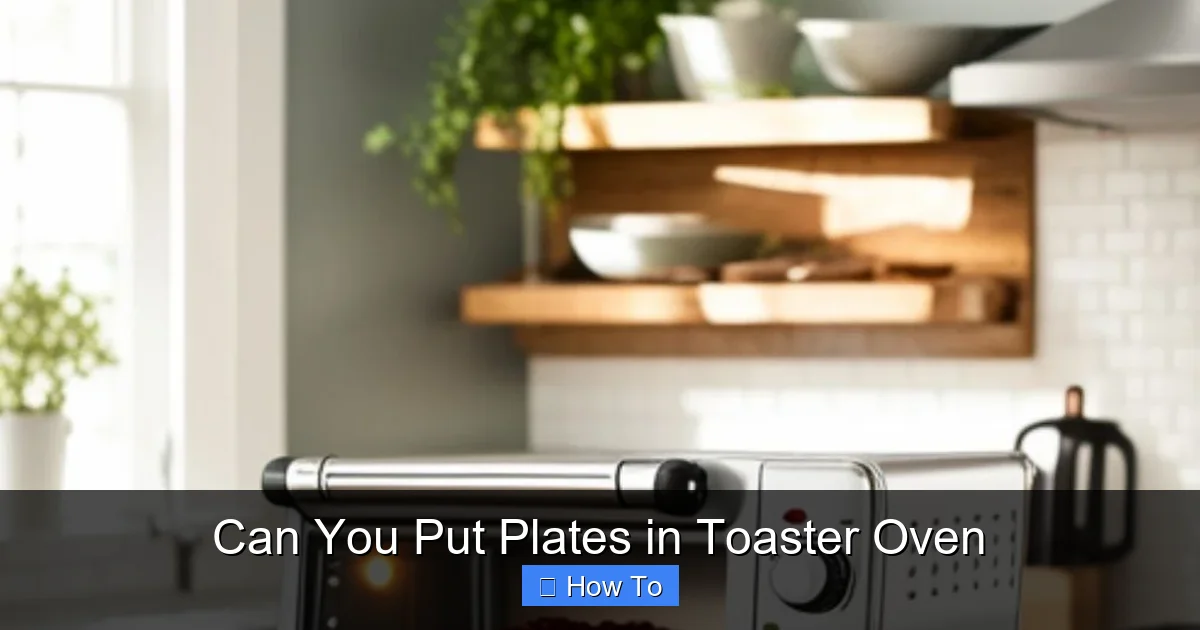
Can you put plates in a toaster oven? It depends on the material. Most standard ceramic, porcelain, and glass plates are not designed for the intense, direct heat of a toaster oven and can crack or shatter. While some oven-safe plates can handle the warmth, plastic, melamine, and decorated plates are highly dangerous to use. To avoid fire hazards or ruined dinnerware, it is best to use specific toaster oven-safe cookware, baking sheets, or parchment paper. Always check for the oven-safe label before you heat anything.
Can You Put Plates in a Toaster Oven?
Have you ever been standing in your kitchen, looking at a plate of leftover pasta, and thought, “I can just pop this whole plate into the toaster oven and warm it up”? It is a tempting thought. It saves time, saves dishes, and feels like a clever kitchen hack. But before you slide that plate into the toaster oven, you should pause for a moment. The truth is, putting plates in a toaster oven is a lot more complicated than it seems. It can be safe for some plates, but it is a major hazard for others.
In this guide, we are going to break down everything you need to know about plates and toaster ovens. We will look at the risks, the different materials, and how you can test your plates at home. We will also share some great safe alternatives that will keep your kitchen safe and your food tasting great. Let’s dive in.
Key Takeaways
- Material matters: Only plates marked as oven-safe or made of specific materials like tempered glass or certain ceramics can survive the heat.
- Avoid thermal shock: Putting a cold plate directly into a hot toaster oven can cause it to crack or explode due to sudden temperature changes.
- Steer clear of plastic and melamine: These materials can melt, release toxic fumes, or catch fire in a toaster oven.
- Check for metallic rims: Plates with gold or silver metallic trim cannot go in the toaster oven as they will spark and cause a fire.
- Use proper alternatives: Opt for toaster oven-safe pans, baking sheets, or heat-resistant parchment paper instead of standard plates.
- Preheat and space out: Always preheat your toaster oven and leave enough room for hot air to circulate around your food or cookware.
📑 Table of Contents
The Short Answer and the Big Risks
Why Plates Seem Like a Good Idea
The appeal of using a plate in a toaster oven is all about convenience. When you are hungry and want a quick meal, transferring food to a baking dish takes extra time and creates more dishes to wash. It feels logical to just use the plate the food is already on. However, toaster ovens are not designed like regular ovens. In a standard kitchen oven, the heating elements are far away, and hot air circulates in a large, open space. In a toaster oven, the heating elements are extremely close to whatever is sitting on the rack. This means the heat is much more intense and direct. Standard dinner plates are simply not built to withstand this kind of concentrated, dry heat.
The Thermal Shock Danger
The biggest enemy of plates in a toaster oven is thermal shock. Thermal shock occurs when a material is subjected to a rapid, extreme change in temperature. Imagine taking a cold plate out of the refrigerator and placing it directly into a preheated toaster oven. The bottom of the plate, which is closest to the heating element, will get hot almost instantly. The top of the plate, where the food sits, will remain cold for a few moments. This uneven heating causes the material to expand at different rates, creating immense stress. If the stress exceeds the strength of the material, the plate will crack or shatter. Even if your plate is at room temperature, the sudden blast of intense heat from the toaster oven can cause the same reaction.
What Materials Are Actually Safe?
To know if a plate is safe, you have to look closely at its material. Some materials, like tempered glass or high-fire stoneware, are designed to handle rapid temperature changes. But the vast majority of everyday dinnerware is not. If you are unsure about what items belong in a toaster oven, it is always best to consult a reliable guide. For example, you can check our comprehensive list of what can you put in toaster oven to see exactly which items are safe and which ones to avoid. This will help you make the best choice for your kitchen safety.
Plate Materials and Toaster Ovens
Visual guide about Can You Put Plates in Toaster Oven
Image source: sarahscoopeats.com
Not all plates are made the same way. The material of your plate plays the biggest role in how it reacts to the heat inside a toaster oven. Let’s take a closer look at the most common types of plates and what happens when they get hot.
Ceramic and Porcelain Plates
Ceramic and porcelain are the most common materials for dinner plates. They are durable, easy to clean, and come in many beautiful designs. However, most standard ceramic and porcelain plates are not oven-safe. These materials are fired at high temperatures during manufacturing, but they are not tempered to handle the rapid, direct heat of a toaster oven. If you put a standard ceramic plate in a toaster oven, the glaze might crack or bubble. Worse yet, if the plate has any tiny invisible cracks or imperfections, the heat will cause them to expand, and the plate will break apart. Only plates specifically labeled as “oven-safe” or “stoneware” can typically handle the heat.
Glass and Crystal Plates
Glass plates can be safe, but only if they are made of tempered glass. Tempered glass, such as Pyrex, is specially treated to be resistant to thermal shock. It can handle the transition from cool to hot much better than standard glass. However, even tempered glass has its limits in a toaster oven because the heat is so close and intense. If you are using glass plates, you should be very cautious. You can learn more about the safety of glass in toaster ovens by reading our detailed guide on can you put glassware in a toaster oven. If you are using Pyrex or similar tempered glassware, you can also read our specific article on can I put Pyrex in the toaster oven to learn the best practices for keeping it safe. Crystal plates, on the other hand, are never safe. The molecular structure of crystal is not designed for dry heat and will likely crack or warp under the high temperatures of a toaster oven.
Plastic and Melamine Plates (A Big No-No)
We cannot stress this enough: you should never, ever put plastic or melamine plates in a toaster oven. These materials have very low melting points. When exposed to the direct heat of a toaster oven, they will quickly melt, warp, and release toxic fumes into your kitchen. Melamine is especially dangerous because it is a durable plastic that looks like ceramic, but when heated, it can release harmful chemicals like formaldehyde. Even if a plastic plate is labeled “microwave-safe,” it is not safe for a toaster oven. Microwaves heat food using radiation that penetrates the material, while toaster ovens use dry, intense heat that will melt plastic almost instantly. Always check the bottom of your plate to ensure it is not made of plastic or melamine before you even consider putting it in the oven.
Metal and Stainless Steel Plates
Plates made of metal, such as stainless steel or aluminum, are generally safe in a toaster oven because metals conduct heat very well and do not crack under thermal stress. In fact, many people use metal pans and trays in their toaster ovens every day. However, you have to be careful with the specific type of metal and any coatings. For example, thin aluminum plates can warp if they get too hot, and some metals can rust or discolor over time. If your metal plate has a non-stick coating, that coating might not be rated for the high, dry heat of a toaster oven and could break down. Always check the manufacturer’s instructions before using metal dinnerware in your toaster oven.
Plates with Metallic Rims
Many elegant dinner plates feature gold or silver metallic rims to add a touch of luxury. You must never put these plates in a toaster oven. The metallic trim is actual metal, and when metal is placed inside a toaster oven, it will react with the heating elements. This reaction will cause sparking, which can easily ignite a fire inside your appliance. Even a small amount of gold or silver paint on the rim can cause a dangerous situation. If you have plates with any kind of metallic decoration, reserve them for cold foods, salads, and desserts only.
How To Test Your Plate at Home
If you are not sure whether a plate is oven-safe, you do not have to guess. You can perform a few simple, safe tests at home to determine if your plate can handle the heat. These tests will give you peace of mind and prevent accidents.
The Ice Cube Test
The ice cube test is a classic and reliable way to check if a plate is oven-safe. Here is how it works: place a single ice cube on the plate, and then put the plate in a cold toaster oven. Next, turn the oven on to a high temperature, such as 350 degrees Fahrenheit. Watch the plate through the oven door. If the ice cube melts quickly and the plate remains intact without any cracks or breaks, the plate is likely oven-safe. If the plate cracks, shatters, or makes a popping sound, turn the oven off immediately. This test works because oven-safe materials can handle rapid local temperature changes, while standard dinnerware cannot.
Visual Inspection and Labels
Always start by looking at the bottom of your plate. Many oven-safe dishes have a symbol of an oven or the words “oven-safe,” “oven proof,” or “heat resistant” stamped directly onto the clay. If you do not see a label, look very closely for any existing damage. If the plate has hairline cracks, chips, or scratches, do not use it in the oven. Heat will exploit these weak points, causing the plate to break. When in doubt, assume the plate is not safe and use an alternative. It is always better to be safe than sorry.
The Hand Touch Test
You can also use your hands to get a feel for the plate’s material. Oven-safe plates are usually made of thicker, denser materials like stoneware or tempered glass. They often feel heavier and cooler to the touch than standard dinnerware. If a plate feels very light, thin, or plastic-like, it is probably not designed to handle high heat. Always use common sense and prioritize safety over convenience when testing your dinnerware.
Safe Alternatives to Plates in a Toaster Oven
Since most standard plates are not safe for a toaster oven, what should you use instead? Fortunately, there are many safe, effective, and delicious alternatives that will help you cook and heat your food perfectly without any risk.
Toaster Oven Safe Pans and Dishes
The best alternative is to use cookware that is specifically designed for toaster ovens. These pans are usually made of durable materials like stainless steel, aluminum, or cast iron. They are built to withstand high, dry heat and will not crack or warp. You can also use small baking dishes made of tempered glass or ceramic, as long as they are clearly labeled oven-safe. Always measure your toaster oven before buying new pans to make sure the handles and dimensions fit comfortably inside with some extra room.
Using Parchment Paper or Foil
If you want to avoid washing dishes, parchment paper is your best friend. It is heat-resistant, non-stick, and makes cleanup incredibly easy. You can line a small baking sheet with parchment paper before placing your food on it. Just make sure you use actual parchment paper, not wax paper. Wax paper will melt and smoke in the toaster oven. If you want to learn more about the differences and safety of paper products in the oven, you can read our guide on can you use wax paper in toaster oven. Aluminum foil is also safe to use, but you should use it sparingly. You can wrap food in foil to keep it moist, or line a small portion of a baking sheet. Just avoid lining the entire bottom of the toaster oven with foil, as it can block airflow and cause the appliance to overheat.
Baking Sheets and Silicone Mats
Small baking sheets are perfect for toaster ovens. They provide a flat, stable surface for roasting vegetables, baking cookies, or heating up pastries. Silicone baking mats are another fantastic option. They are heat-resistant, naturally non-stick, and can handle temperatures up to 450 degrees Fahrenheit. They are perfect for baking individual portions, roasting small amounts of vegetables, or even making quick cookies. Just make sure the baking sheet or mat is small enough to fit comfortably inside your toaster oven with some space around the edges for air to circulate.
What Happens When You Get It Wrong
Putting the wrong plate in a toaster oven can lead to some serious consequences. It is not just about the plate breaking; it can affect your entire kitchen safety and your appliance.
Cracked Plates and Messy Cleanups
When a plate cracks or shatters inside a toaster oven, it creates a huge mess. You will have sharp shards of ceramic or glass all over the inside of your appliance. Cleaning up broken dinnerware from a toaster oven is difficult and dangerous. You have to be very careful not to cut yourself while trying to reach inside the small oven. In some cases, the damage is so bad that you have to replace the toaster oven entirely.
Toaster Oven Damage and Fire Hazards
If a plate melts or sparks inside your toaster oven, it can ruin the appliance. Melted plastic can stick to the heating elements and burn, creating toxic smoke. If a plate with metallic trim sparks, it can damage the electrical components of your toaster oven. In the worst-case scenario, a fire can start inside the toaster oven, putting your entire home at risk. Always put safety first and use the right cookware. If a fire does start, remember to turn off the heat, keep the door closed to starve the fire of oxygen, and only open it when it is completely cool.
Best Practices for Using Your Toaster Oven
To get the most out of your toaster oven and keep it running for years, you should follow a few simple best practices.
Preheating and Temperature Control
Just like a regular oven, toaster ovens need to be preheated. Preheating ensures that the oven reaches the correct temperature before you put your food inside. This helps cook your food evenly and prevents it from sticking. Always use an oven thermometer to check the actual temperature inside your toaster oven, as many models have inaccurate thermostats. This simple tool will help you avoid undercooking or burning your food.
Leaving Enough Space for Airflow
Airflow is crucial in a toaster oven. Hot air needs to circulate around the food to cook it properly. If you overcrowd the toaster oven or use items that block the vents, the appliance can overheat. Always leave some space around your cookware or food to allow the heat to move freely. This also helps prevent your food from burning on one side and staying raw on the other. You can also rotate your food halfway through cooking to ensure even heating.
Regular Cleaning
Finally, keep your toaster oven clean. Crumbs, grease, and food spills can smoke and cause bad odors. Wipe down the inside of your toaster oven after every few uses, and empty the crumb tray regularly. A clean toaster oven heats more efficiently and lasts longer.
Conclusion
In conclusion, while it might be convenient to put a plate in a toaster oven, it is usually not a safe practice. Most standard plates are not designed to handle the intense, direct heat of a toaster oven and can crack, shatter, or cause a fire. If you must use a plate, make sure it is specifically labeled as oven-safe and does not have any metallic trim. For the best results, use toaster oven-safe pans, baking sheets, or parchment paper. By using the right cookware and following safety tips, you can enjoy delicious meals from your toaster oven without any worries.
Frequently Asked Questions
Can you put ceramic plates in a toaster oven?
Only if they are specifically labeled as oven-safe. Standard ceramic plates can crack or shatter under the intense, direct heat of a toaster oven due to thermal shock. Always check the bottom of the plate for an oven-safe symbol before using it.
What happens if you put a plastic plate in a toaster oven?
Plastic plates will quickly melt, warp, and release toxic fumes into your kitchen. Even microwave-safe plastic is not safe for toaster ovens because of the high, dry heat. You should never put any plastic items in a toaster oven.
Is it safe to put a glass plate in a toaster oven?
It depends on the type of glass. Tempered glass plates, like Pyrex, can usually handle the heat if used carefully, but standard glass plates will likely shatter. Always use oven-safe glassware and avoid sudden temperature changes to prevent cracking.
Why do plates crack in a toaster oven?
Plates crack primarily due to thermal shock, which occurs when a material experiences a rapid change in temperature. The intense, direct heat from the toaster oven’s elements causes uneven expansion, creating stress that leads to cracks or shattering.
Can you put plates with gold trim in the toaster oven?
No, you should never put plates with gold or silver metallic trim in a toaster oven. The metal will react with the heating elements, causing sparks that can damage your appliance or start a fire. Keep these plates for cold foods only.
What are the safest alternatives to plates in a toaster oven?
The safest alternatives are small baking sheets, toaster oven-safe metal pans, or dishes lined with heat-resistant parchment paper. These items are designed to withstand high, dry heat and will not crack, melt, or cause a fire.