Can You Dehydrate in a Toaster Oven
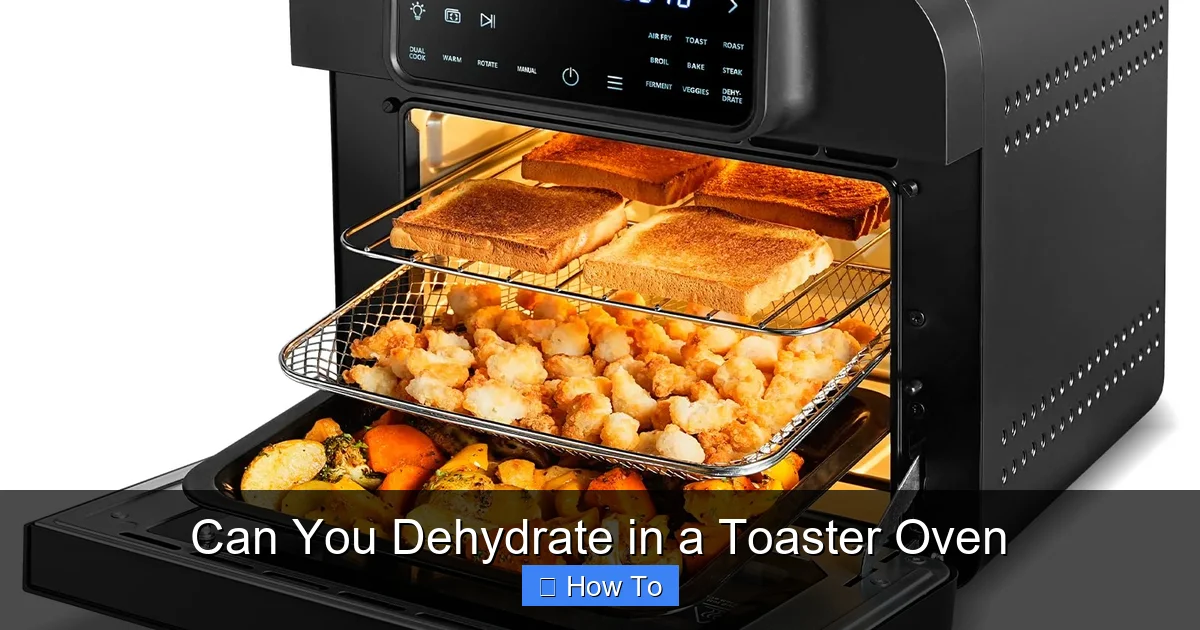
Yes, you can dehydrate in a toaster oven! It’s a budget-friendly way to make fruit chips, jerky, and veggie snacks with minimal equipment. Follow these simple steps for safe, tasty results.
Key Takeaways
- Toaster ovens can reach low temperatures ideal for dehydration. They provide gentle, even heat without a dedicated dehydrator.
- Use the right temperature and airflow. Typically 130‑150°F (55‑65°C) with the door slightly ajar.
- Prep food properly. Slice thin, uniform pieces and pat dry to remove excess moisture.
- Rotate trays for even drying. Move trays every few hours to avoid hot spots.
- Monitor time closely. Dehydration can take 4‑12 hours depending on food and thickness.
- Follow safety practices. Keep the oven clean, never leave it unattended, and use oven mitts.
- Enjoy cost savings. Dehydrating at home reduces waste and grocery bills.
📑 Table of Contents
What Is Dehydration and Why Use a Toaster Oven?
Dehydration removes water from food, which slows spoilage and concentrates flavor. It also creates lightweight snacks perfect for hiking or camping. A toaster oven can act as a makeshift dehydrator because it offers controllable low heat and a small interior space. This method is especially handy if you don’t own a commercial dehydrator or have limited kitchen space.
How a Toaster Oven Works for Dehydration
A toaster oven uses electric heating elements to warm air. By setting a low temperature and leaving the door slightly open, you create a gentle airflow that evaporates moisture. The key is to keep the temperature low enough to avoid cooking the food, yet high enough to move water out of the surface.
How a Toaster Oven Works for Dehydration
Temperature Settings
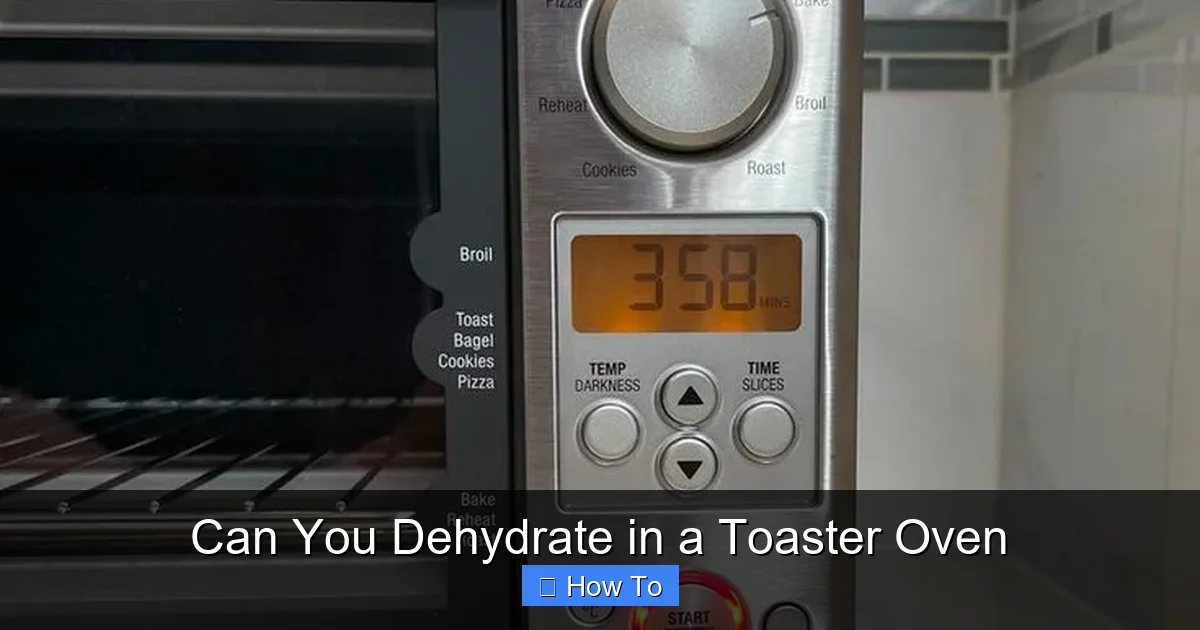
Most toaster ovens have a range from 150°F to 450°F. For dehydration, aim for 130‑150°F. If your model only goes down to 170°F, set it there and keep the door ajar to let excess heat escape.
Visual guide about Can You Dehydrate in a Toaster Oven
Image source: i.pinimg.com
Airflow Management
Good airflow prevents moisture from pooling. Place a small fan inside if you have one, or simply prop the door open a few inches with a heat‑safe object. This mimics the convection found in dedicated dehydrators.
Step‑by‑Step Guide to Dehydrate in a Toaster Oven
Gather Your Supplies
You’ll need a baking sheet or tray, parchment paper, a sharp knife, and a spray bottle of water. Line the tray with parchment to make cleanup easier.
Prepare the Food
Wash fruits, vegetables, or meats thoroughly. Slice them as thinly as possible—about 1/8 inch. Thin slices dry faster and more evenly.
Pre‑Treat (Optional)
For apples or bananas, dip slices in lemon juice or ascorbic acid solution to prevent browning. For meats, marinate first, then pat dry.
Arrange on the Tray
Lay the slices in a single layer, leaving space between each piece. Overcrowding traps steam and slows drying.
Set Temperature and Position
Set the oven to 130‑150°F. Prop the door open 1‑2 inches using a wooden spoon or a heat‑proof handle. Place the tray on the middle rack.
Monitor and Rotate
Check the food after 2‑3 hours. Rotate the tray front‑to‑back and top‑to‑bottom. Continue checking every hour until the pieces are dry but still flexible.
Cool and Store
Allow the dried food to cool completely, then store in airtight containers or zip‑lock bags. Label with the date for best freshness.
Best Foods to Dehydrate in a Toaster Oven
Fruits
Apples, bananas, strawberries, and mangoes work well. Slice uniformly and consider a light coating of lemon juice to keep color.
Vegetables
Bell peppers, carrots, tomatoes, and zucchini are popular choices. Blanch vegetables briefly in boiling water, then shock in ice water before slicing.
Meats and Jerky
Lean cuts like turkey or beef can be turned into jerky. Marinate for flavor, then pat very dry before placing on the tray.
Herbs and Spices
Fresh herbs like basil or cilantro can be dried for later use. Spread them thinly and watch closely, as they can become brittle quickly.
Common Mistakes and How to Avoid Them
Too High Temperature
Cooking instead of dehydrating is the most common error. Keep the heat low; high heat will brown or cook the food rather than dry it.
Insufficient Airflow
If the door is closed tightly, moisture builds up. Always leave a small gap or use a fan to promote airflow.
Overcrowding the Tray
Crowded pieces trap steam, leading to uneven drying. Give each slice room to breathe.
Ignoring Check‑Ins
Leaving the oven unattended can cause over‑drying or burning. Set a timer and check regularly.
Safety Tips and Maintenance
Never Leave Unattended
Even at low temperatures, a toaster oven can become a fire hazard if left alone for too long. Stay in the kitchen or set a reliable alarm.
Use Oven Mitts
The interior and trays become hot. Always wear protective gloves when handling trays or adjusting the door.
Clean Regularly
Remove crumbs and grease after each use. A clean oven ensures even heat distribution and reduces fire risk.
Check the Heating Elements
Inspect the elements for damage before each session. Faulty elements can cause uneven heating or electrical issues.
Conclusion
Can you dehydrate in a toaster oven? Absolutely! With the right temperature, airflow, and a bit of patience, your toaster oven can become a versatile, space‑saving dehydrator. Follow the steps outlined above, avoid common pitfalls, and enjoy healthy, homemade snacks year‑round. Happy drying!
Frequently Asked Questions
Can you dehydrate in a toaster oven without a fan?
Yes, you can. Prop the door slightly open to allow natural airflow. However, a small fan will improve drying speed and consistency.
How long does it take to dehydrate food in a toaster oven?
Typical times range from 4 to 12 hours, depending on food type, slice thickness, and temperature. Check every hour after the initial two hours.
Is it safe to leave a toaster oven on for many hours?
It’s best not to leave it unattended for extended periods. Set a timer and stay nearby to monitor the process.
Do I need special trays for dehydration?
No special trays are required. A standard baking sheet or oven-safe tray works fine, especially if lined with parchment paper.
Can you dehydrate meat in a toaster oven?
Yes, you can make jerky. Use lean cuts, marinate, pat dry, and keep the temperature around 130‑150°F.
What foods should I avoid dehydrating in a toaster oven?
Foods with high fat content, like bacon, may not dry properly and can become rancid. Also, very thick pieces may remain moist inside.