Is Natural Elements Cookware Oven Safe
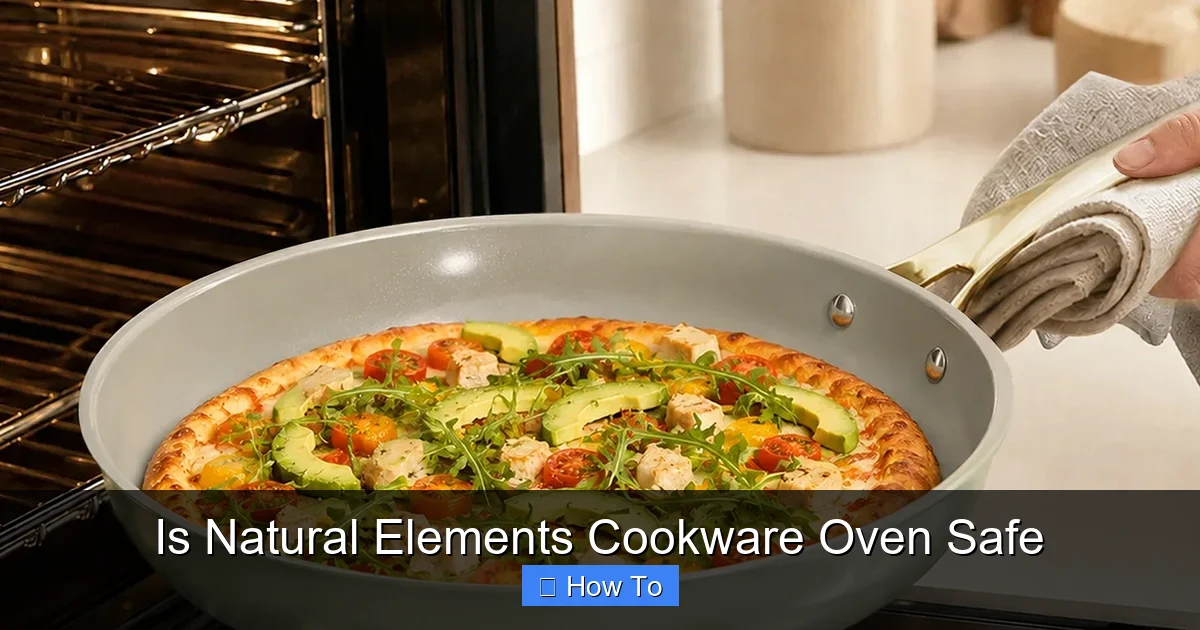
Is Natural Elements cookware oven safe? In most cases, yes, but only up to a set heat limit that depends on the exact pieces you own. Metal bodies usually handle the oven fine. Coated surfaces, plastic knobs, and glass lids are the parts that hold you back. Flip the pan over, read the label, and check the manual before you bake.
You found a pan you like. It looks good on the stove. It heats evenly. So naturally, you want to slide it into the oven to finish a frittata or roast a small chicken. Then a small voice asks the question. Is Natural Elements cookware oven safe?
It is a smart question. A pan that is great on the burner is not always great in the oven. The oven surrounds the whole pan with heat. That includes the handle. That includes the lid. And that changes the rules.
Here is the good news. Most pieces in the Natural Elements cookware family are built for oven use, but within limits. This guide walks you through those limits in plain language. No guesswork. No scorched handles.
Key Takeaways
- Oven safe is not all or nothing: the pan body, the handle, and the lid can each have a different heat limit.
- Check the label first: the underside of most Natural Elements cookware pieces lists a safe temperature range.
- Coated pans need lower heat: nonstick and ceramic coatings usually top out well below bare metal.
- Lids are often the weak link: glass lids and plastic knobs may not be oven safe at all.
- Avoid sudden temperature swings: moving a hot pan to a cold surface is the fastest way to warp or crack it.
- Skip the broiler unless it is approved: broiler heat is far hotter than a normal bake setting.
- When in doubt, ask the brand: a quick support message beats a ruined pan.
📑 Table of Contents
What Oven Safe Really Means
Oven safe is a bit like waterproof. A watch can be water resistant to 30 meters or to 300. Both are waterproof. Both are very different in real life. Cookware works the same way.
It Is About Every Part, Not Just the Pan
The metal body of your pan can often take serious heat. Aluminum and stainless steel do not flinch at 400 degrees. The problem is what is attached to that body.
A coated surface may have a lower ceiling. A plastic knob may soften. A glass lid may crack. So when someone asks if Natural Elements cookware is oven safe, the honest answer is that it depends on which part you mean.
It Is About Time as Well as Heat
Heat limits are not just numbers. Time matters too. A pan rated to 400 degrees may be fine for 20 minutes and unhappy after 90. Long roasts push cookware harder than a quick bake.
It Is About How You Get There
Sudden change is the enemy. A hot pan dropped onto a cold, wet counter can warp. A cold pan slid under a hot broiler can crack a coating. Gentle in, gentle out. That habit saves pans.
Is Natural Elements Cookware Oven Safe? The Short Answer
Let us cut to it. Yes, most Natural Elements cookware can go in the oven. The catch is the temperature. Each line has its own ceiling, and that ceiling is printed somewhere on your pan or in your paperwork.
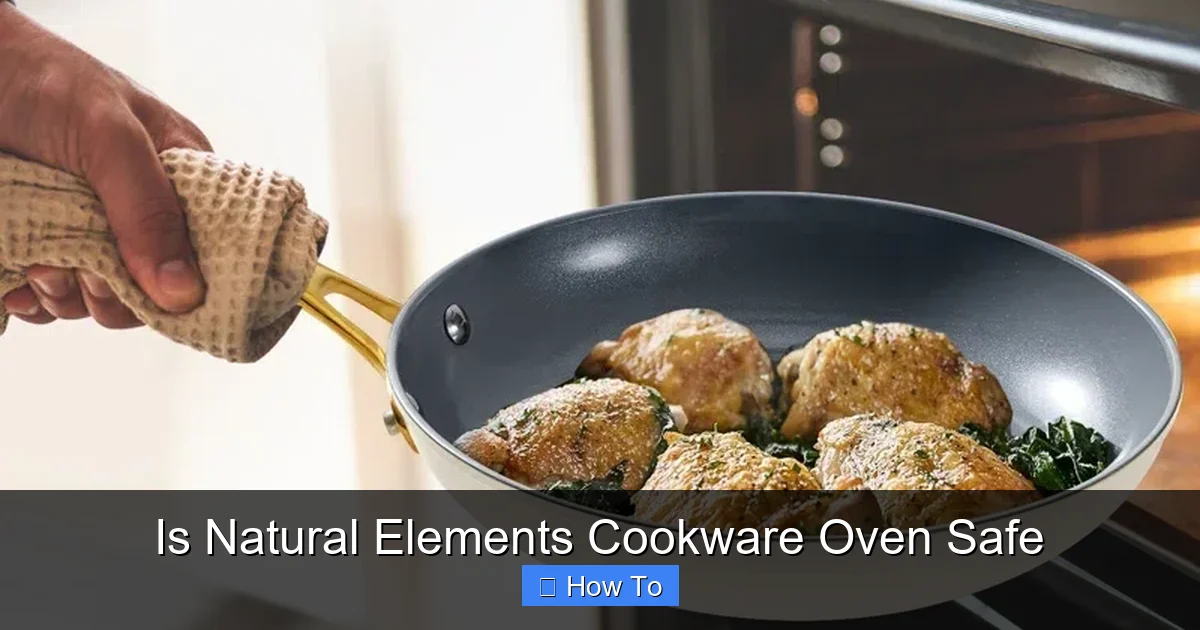
Visual guide about Is Natural Elements Cookware Oven Safe
Image source: ichefpower.com
Why Sets Differ From Each Other
Cookware lines are not built as one single thing. A line might include a bare steel skillet, a coated saute pan, a glass lid, and a small saucepan with a helper handle. Those four items do not share one heat rating.
That is why two people can own Natural Elements cookware and get different answers. One has the metal skillet. One has the coated pan with the plastic knob. Both are right about their own pan.
Where the Real Answer Lives
The truth is on the product. Look for a small stamped or printed note on the base. Look at the sticker on the box. Look in the manual that came in the carton. If you bought it used or lost the box, the brand’s support page is your friend.
One quick tip. Take a photo of the label the day you buy a new pan. Future you will be grateful. That photo lives in your phone forever, even after the box hits the recycling bin.
How to Check Your Cookware in 60 Seconds
You do not need a manual or a degree. You need one minute and a little light. Here is the fast check.
Step One: Flip It Over
Turn the pan upside down. Look for text near the base or around the rim. Many makers stamp a heat range right into the metal. You may see a number like 350, 400, or 450 with a degree symbol.
Step Two: Check the Handle and the Lid
Touch the handle. Does it feel like metal all the way through, or is there a soft, matte grip? Soft grips often mean a lower limit. Now check the lid. If it has a plastic knob, treat that lid as stovetop only unless the label says otherwise.
Step Three: Read the Paperwork
Find the care card in the box. It is usually short. Look for the words oven safe and a number next to them. If the card is gone, search the brand’s site with your exact line name and the word manual.
Step Four: Ask If You Are Still Unsure
Send the brand a short message with a photo of your pan base. It costs you nothing and takes two minutes. Support teams answer this exact question every day.
Temperature Limits and Warning Signs
Numbers only help if you know what they mean in your kitchen. So let us put them in context.
Typical Ranges You Will See
Many coated pans land in the 350 to 400 degree zone. Many plain metal pans go higher, often to 450 or beyond. Some pieces are not rated for the oven at all. Your label wins over any general rule, including this one.
Here is a handy trick. When you are not sure, bake at 350 and add a few minutes. Lower and slower is safer than hot and fast. Most home recipes forgive a small change in heat.
What Damage Looks Like
Coating damage shows up as dull spots, browning, or a surface that stops releasing food. Warping shows up as a pan that rocks on the counter. Handle damage is obvious. A soft or shiny grip means it got too hot.
Warped pans are the sneaky one. They still work on the stove. But they spin, they wobble, and they cook unevenly. That is your cue to retire the pan from oven duty.
What to Do If You Crossed the Line
Do not panic. Let the pan cool all the way. Wash it gently. Then check the cooking surface. If the coating is flaking into food, stop using it for baking. If it only looks a little dull and food still releases fine, you are probably okay going forward at a lower heat.
How to Use Natural Elements Cookware in the Oven Safely
Now for the fun part. Actually using it well. These habits take no extra time and add years to your pan.
Preheat With the Pan Inside, or Not at All
A cold pan going into a cold oven warms up gently. That is the safest path for coated pieces. If you want to preheat the pan, keep the oven at or below your pan’s stated limit.
Use Real Mitts and a Real Surface
Oven handles get brutally hot, even the ones that look friendly. Grab dry mitts. Set the hot pan on a trivet, a wooden board, or a folded towel. Never on bare stone or a cold wet counter.
Give It a Landing Zone
Before you pull the pan out, decide where it is going. Clear the spot first. Fumbling with a hot pan is how drops and burns happen.
Respect the Broiler
Skip the broiler unless your label clearly allows it. Broiler heat is intense and very direct. It can scorch a coating or blow out a glass lid in seconds. This is the single most common way good cookware gets ruined.
Keep Water Away From Hot Metal
Do not pour cold water into a hot pan to speed up cooling. That thermal shock is hard on both metal and coating. Let it rest on the stove instead.
Care and Cleaning After Oven Use
Oven cooking leaves a different kind of mess than stove cooking. Baked-on drips, dry spots, and heat marks. A gentle routine handles all of it.
Cool First, Always
Give the pan at least 15 to 20 minutes. Warm is fine. Hot is not. Washing a hot coated pan is a fast way to shorten its life.
Keep It Soft
Use warm water, mild soap, and a soft sponge. Skip steel wool and harsh powders. For stuck bits, let the pan soak for ten minutes. Soaking does the work so you do not have to scrub.
Store With a Little Air
Dry the pan fully before stacking. If you stack, slip a paper towel or a pan protector between pieces. That small habit prevents scratches on coated surfaces.
Final Thoughts
So, is Natural Elements cookware oven safe? For most pieces, yes. The pan body is usually happy in a normal oven. The parts attached to it are what set the real limit.
Take one minute now. Flip your pan over. Read the number. Snap a photo. That is all it takes to bake with confidence from here on out.
Think of it this way. Your cookware is a tool with a comfort zone. Learn the zone, stay inside it, and you get years of good meals. Cross it by accident once, and you get a wobbly pan and a sad frittata. The label is right there. Let it guide you.
Frequently Asked Questions
Can I put Natural Elements cookware in the oven at 400 degrees?
Maybe, but check your pan first. Many plain metal pieces handle 400 easily, while coated versions often stop lower. The number stamped on the base or listed in the manual is the one that counts.
Are the glass lids oven safe?
Often they are not, especially if the knob is plastic. Treat the lid as stovetop only unless the label clearly says oven safe and gives a temperature. When in doubt, bake without the lid and cover with foil instead.
What happens if I go over the temperature limit?
You may see dull spots, browning, or coating that starts to flake. The handle grip can soften too. If the surface is flaking into food, stop using that piece for baking.
Can I use Natural Elements cookware under the broiler?
Only if your specific piece is clearly rated for it. Broiler heat is very high and very direct. Most coated cookware and glass lids should never go under a broiler.
How do I find the manual if I lost the box?
Search the brand’s website using your exact line name plus the word manual. You can also send support a photo of the pan base. They can usually confirm the limit in one reply.
Does oven use void the warranty?
Normally no, as long as you stay within the stated limits. Damage from going far above the rated heat is usually not covered. Read the warranty card for the exact wording on your set.