Is Black and Decker Toaster Oven Non Toxic
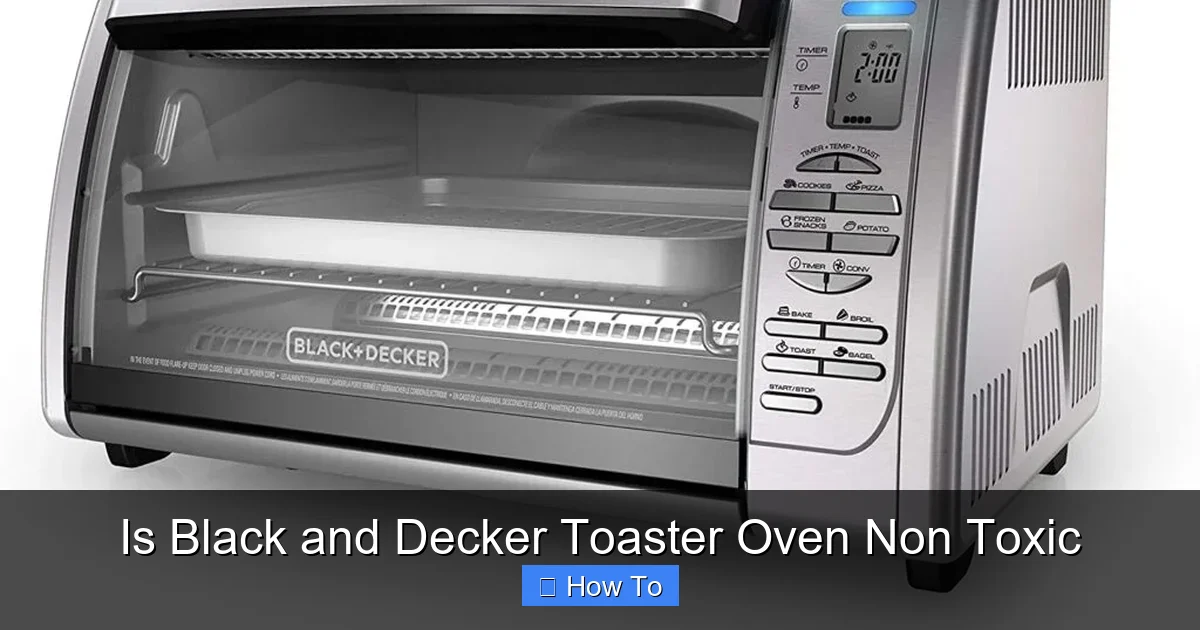
Black & Decker toaster ovens are generally built from stainless steel and glass, but some models feature non‑stick coatings that may contain PFOA or other chemicals. This guide explains which parts could be toxic, how to spot safe models, and tips for using your oven without exposing your family to harmful substances.
Black & Decker has been a household name in kitchen appliances for decades. Their toaster ovens are popular because they are affordable, compact, and can do more than just toast.
But before you buy one, you might wonder: is a Black & Decker toaster oven non‑toxic? The answer depends on the materials used inside and how the oven is built. In this guide we’ll look at the typical components, any chemicals that could be harmful, and how to choose a model that is safer for your family.
Key Takeaways
- Point 1: Most Black & Decker toaster ovens use stainless steel and glass, which are generally safe.
- Point 2: Some models include non‑stick coatings that may contain PFOA or PTFE, which can be toxic when overheated.
- Point 3: Look for models labeled “PFOA‑free” or “ceramic non‑stick” for a safer option.
- Point 4: Check for third‑party certifications like UL or ETL, which indicate safety testing.
- Point 5: Avoid using metal utensils that can scratch the non‑stick surface and release particles.
- Point 6: Regular cleaning and proper temperature control reduce the risk of chemical leaching.
📑 Table of Contents
What Are Black & Decker Toaster Ovens Made Of?
Most Black & Decker toaster ovens combine several materials to create a durable, heat‑resistant appliance. Understanding each part helps you judge whether it could release harmful substances.
Stainless Steel and Glass
The outer shell and the inner cavity are usually made from stainless steel. This metal is generally inert and does not leach chemicals. The door is often glass, which is also non‑reactive. Together they provide a sturdy enclosure that can withstand high temperatures without warping.
Non‑Stick Coatings
Many models feature a non‑stick interior to make cleaning easier. These coatings are typically made from polytetrafluoroethylene (PTFE) or similar fluoropolymers. While PTFE is safe at normal cooking temperatures, it can break down and release toxic fumes when heated above 500°F (260°C). Some older or cheaper coatings may also contain perfluorooctanoic acid (PFOA), a chemical linked to health concerns.
Plastic Components
Handles, knobs, and sometimes the crumb tray are made from plastic. High‑quality plastics like polypropylene are considered food‑safe, but lower‑grade plastics can contain phthalates or bisphenol A (BPA), which may migrate into food under heat. Always check that the plastic parts are labeled BPA‑free.
The heating element is typically made of Nichrome, an alloy of nickel and chromium that can withstand high temperatures without warping. This element is usually encased in a protective sheath to prevent direct contact with food. However, if the sheath is damaged, the element could expose trace metals, which is why it’s important to avoid using metal utensils that might puncture the interior.
Some models include an aluminum heat reflector behind the element to distribute heat evenly. Aluminum is lightweight and conducts heat well, but it can react with acidic foods if the protective coating is compromised. To minimize risk, choose models with an anodized aluminum finish, which creates a harder, non‑reactive surface.
Additionally, the crumb tray, which catches crumbs and debris, is usually constructed from either stainless steel or anodized aluminum. A removable tray simplifies cleaning and reduces the chance of burnt residue building up, which could otherwise produce smoke and unpleasant odors.
Potential Toxins and Health Concerns
Even small amounts of certain chemicals can be problematic over time. Here are the main substances to watch for in a toaster oven.
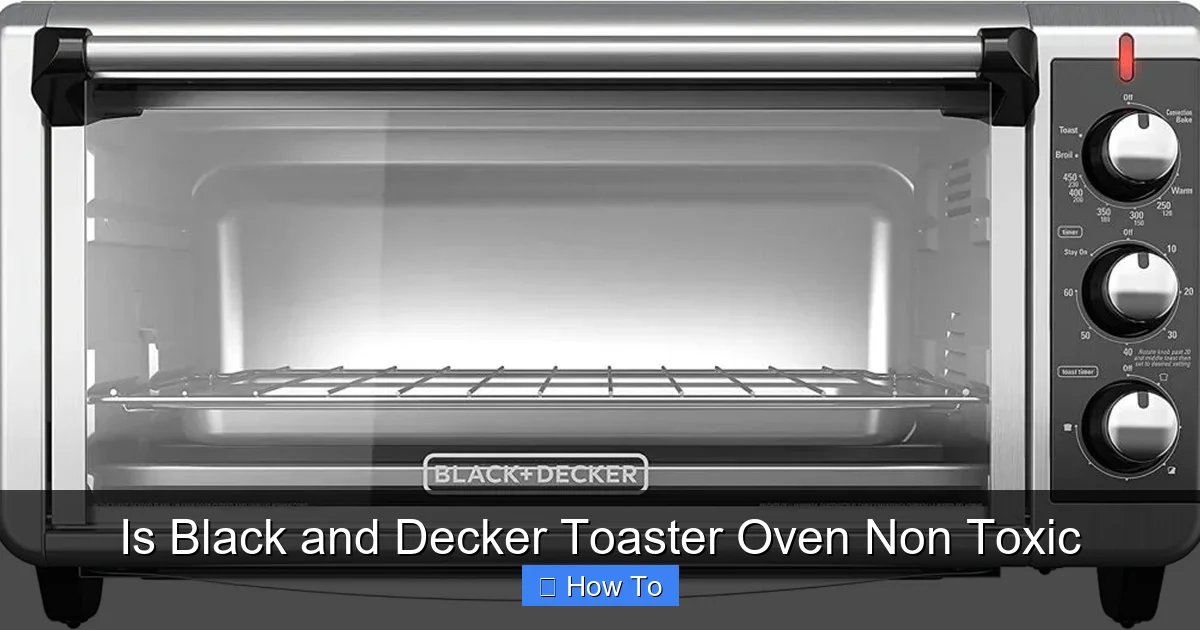
Visual guide about Is Black and Decker Toaster Oven Non Toxic
Image source: sp-ao.shortpixel.ai
PFOA and PTFE
PFOA has been largely phased out in many countries, but some older or imported models might still use it. PTFE itself is not toxic when used as intended, but if the oven is preheated too high or left unattended, the coating can degrade and emit fumes that may cause “polymer fume fever” in sensitive individuals.
The U.S. Food and Drug Administration (FDA) has approved PTFE for food contact, but only when it remains intact. Once the coating begins to crack or peel, it can release particles that may be ingested. In addition, heating non‑stick surfaces above 500°F can cause the polymer to break down and emit fumes that are harmful to birds and may cause temporary flu‑like symptoms in humans.
Lead and Cadmium
Low‑cost heating elements sometimes contain trace amounts of lead or cadmium. These metals can leach into food if the element corrodes. Reputable brands usually comply with RoHS or other limits on hazardous substances, but it’s wise to look for a model that explicitly states it is lead‑free.
To protect consumers, many countries have adopted the Restriction of Hazardous Substances (RoHS) directive, which limits the use of lead, mercury, cadmium, and other metals in electronic products. When shopping, look for a RoHS compliance label, which indicates that the toaster oven meets these safety standards.
Other Volatile Organic Compounds
When plastics are exposed to high heat, they can release volatile organic compounds (VOCs) such as styrene or benzene. Proper ventilation and avoiding temperatures above the plastic’s rated limit reduce this risk.
VOCs can also be released from the insulation materials used in the oven. Fiberglass insulation is common, but some newer models use ceramic fiber, which is less likely to emit fumes. If you are particularly sensitive to odors, consider a toaster oven with a sealed insulation system.
How to Identify a Non‑Toxic Model
You don’t need a chemistry degree to pick a safer toaster oven. A few simple checks can help you avoid hidden toxins.
Look for Certifications
Third‑party certifications like UL, ETL, or NSF indicate that the appliance has been tested for electrical safety and may also verify that it meets certain chemical limits. A model that carries the “California Proposition 65” warning is required to disclose chemicals known to cause cancer or reproductive harm, so it’s a red flag.
In addition to safety certifications, some brands obtain environmental labels such as ENERGY STAR, which indicates that the appliance meets energy efficiency guidelines. While this does not directly relate to toxicity, it often reflects a manufacturer’s commitment to overall product quality.
Read the Label
Manufacturers often list materials on the packaging or in the user manual. If you see “PFOA‑free,” “PTFE‑free,” or “ceramic non‑stick,” those are positive signs. Some newer models use a ceramic‑based coating that does not contain fluoropolymers.
If the packaging does not provide enough information, visit the manufacturer’s website or contact their customer service. They can often provide a detailed list of materials used in a specific model. Being proactive can help you avoid models that contain undisclosed chemicals.
Check the Warranty
A longer warranty can be a clue that the company stands behind the product’s durability and safety. It may also indicate that they use higher‑grade components that are less likely to degrade.
A warranty that covers parts and labor for at least one year is a good sign. It suggests that the company expects the product to perform reliably and may have invested in better materials. Some manufacturers also offer extended warranties for an additional fee, which can provide extra peace of mind.
Safe Usage Practices
Even a non‑toxic toaster oven can become risky if misused. Follow these tips to keep your food safe.
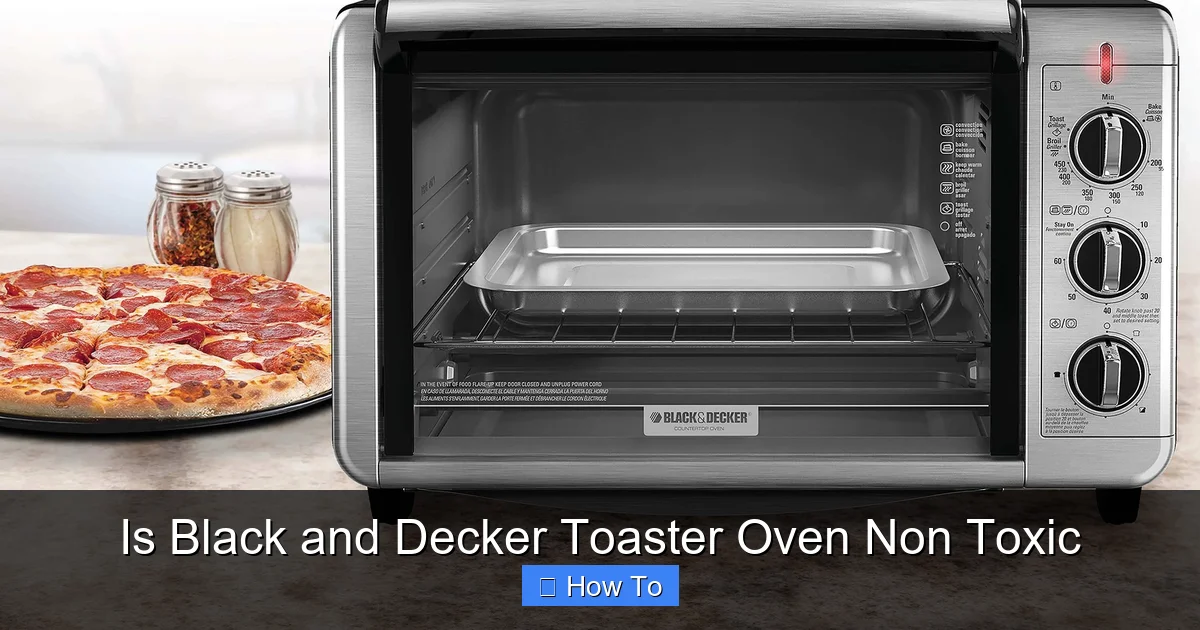
Visual guide about Is Black and Decker Toaster Oven Non Toxic
Image source: cld.accentuate.io
Temperature Control
Stick to the recommended temperature range in the manual. Most toaster ovens are designed for 300‑450°F (150‑230°C). Avoid setting the thermostat to its maximum unless the recipe specifically calls for it, because extreme heat can damage non‑stick coatings.
Using a thermometer to verify the oven’s actual temperature can help you stay within safe limits. Many toaster ovens have a dial that may not be precise, so an oven thermometer is a cheap and effective tool. By ensuring the temperature does not exceed the recommended range, you protect both the food and the appliance.
Cleaning Tips
Residue from burnt food can release smoke and VOCs. Clean the interior after each use with a soft cloth and mild detergent. Avoid abrasive scrubbers that could scratch the non‑stick surface and cause it to flake.
For stubborn residue, soak the interior with a mixture of water and white vinegar for a few minutes, then wipe away the softened grime. Avoid using bleach or abrasive cleaners, as they can damage the non‑stick coating and create toxic fumes.
Avoiding Scratches
Use wooden, silicone, or plastic utensils instead of metal spatulas. Metal can scrape off the coating, creating tiny particles that may be ingested with your food.
If you need to move the oven, lift it by the base rather than the handle to prevent stress on the plastic components. Over time, repeated strain can cause cracks, which might expose internal wiring or allow chemicals to leach.
When not in use, store the toaster oven in a dry place to prevent moisture from reaching the internal components. Moisture can cause corrosion of the heating element over time, potentially releasing metal ions into your food.
Comparing With Other Brands
Black & Decker is not alone in the toaster oven market. Knowing how it stacks up against competitors can help you decide.
Cuisinart
Many people compare Black & Decker with Cuisinart toaster ovens. Cuisinart models often use a similar non‑stick system, but they sometimes include a “titanium‑reinforced” coating that is marketed as more durable. If you are concerned about PFOA, look for a Cuisinart unit labeled PFOA‑free.
Cuisinart also offers a range of sizes and features, such as convection fans and digital controls. While the brand is generally reputable, it’s wise to read user reviews to confirm that the specific model you choose does not have reports of coating flaking.
Our Place
Another brand gaining popularity is Our Place. Their toaster oven emphasizes a “non‑toxic ceramic” interior that avoids PTFE altogether. This can be a good alternative if you want to eliminate fluorinated chemicals entirely.
Our Place markets its toaster oven as part of a broader set of non‑toxic kitchenware, which may appeal to those looking to create a safer cooking environment overall. Their marketing emphasizes transparency, providing detailed information about materials and manufacturing processes.
Non‑Stick Pans
If you need a non‑stick surface for your toaster oven, you might also consider the best non‑stick toaster oven pans. These pans are designed to fit inside the oven and often feature a ceramic or anodized aluminum coating that is free from PFOA.
When using aftermarket pans, ensure they are rated for toaster oven use. Some pans have handles that may not fit inside the oven, and others may have coatings that degrade at high heat. Always follow the pan manufacturer’s instructions to maintain safety.
Final Verdict
In summary, Black & Decker toaster ovens are generally safe when they are built with stainless steel, glass, and high‑quality plastics. The main concern lies in the non‑stick coatings that may contain PTFE or PFOA. By choosing a model that is labeled PFOA‑free or uses a ceramic coating, you can significantly reduce your exposure to harmful chemicals. Additionally, following proper temperature limits and cleaning practices will help maintain the oven’s safety over time. If you remain unsure, comparing with brands like Cuisinart or Our Place can give you a clearer picture of what to expect.
Ultimately, the decision to purchase a Black & Decker toaster oven should be based on your specific needs and tolerance for risk. If you prioritize convenience and are willing to monitor usage closely, a model with a PTFE‑free ceramic coating may be ideal. For those who prefer a completely metal interior, a stainless steel model without any non‑stick surface is the safest bet.
Remember that no appliance is completely risk‑free, but with proper research and careful use, you can enjoy the benefits of a toaster oven while minimizing exposure to harmful substances.
Frequently Asked Questions
Are Black & Decker toaster ovens safe to use?
They are generally safe when built with stainless steel and glass, but models with non‑stick coatings may release harmful fumes if overheated. Choosing a PFOA‑free or ceramic model reduces risk.
Do Black & Decker toaster ovens contain PFOA or PTFE?
Some models use PTFE‑based non‑stick coatings that can contain PFOA, especially older or cheaper versions. Look for labels that say PFOA‑free or PTFE‑free to avoid these chemicals.
How can I tell if my toaster oven is non‑toxic?
Check the user manual or packaging for material disclosures, and look for certifications such as UL, ETL, or RoHS compliance. Models with ceramic or anodized aluminum interiors are typically safer.
What certifications should I look for when buying a toaster oven?
Third‑party safety marks like UL, ETL, or NSF indicate the appliance has been tested for electrical and chemical safety. ENERGY STAR can also signal higher manufacturing standards.
Can I use metal utensils in a Black & Decker toaster oven?
Metal utensils can scratch non‑stick coatings, causing particles to flake off. It’s best to use wooden, silicone, or plastic tools to protect the surface.
How should I clean my toaster oven to avoid toxins?
Clean the interior after each use with a soft cloth and mild detergent, and avoid abrasive scrubbers. For stubborn residue, soak with a vinegar solution instead of harsh chemicals.