What Seasoning to Put on Salmon in the Oven
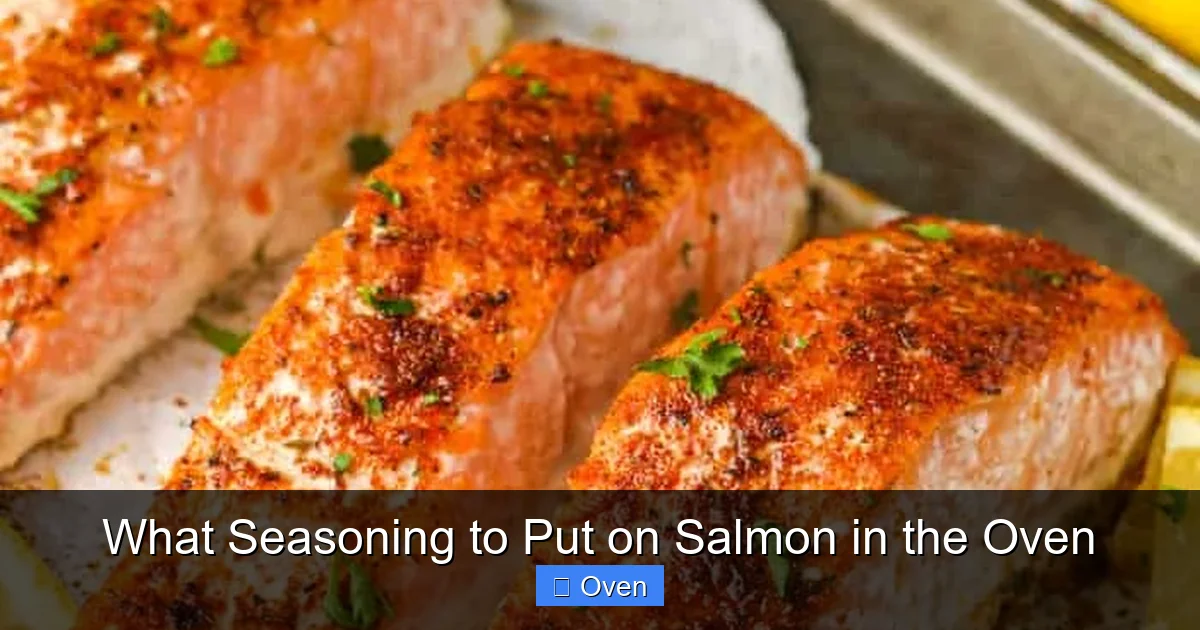
Looking for the ultimate flavor boost for oven‑baked salmon? We’ve gathered the top seasoning blends, from classic lemon‑dill to spicy Asian rubs, plus step‑by‑step tips to lock in moisture and achieve a crispy finish. Follow our simple guide and turn ordinary salmon into a restaurant‑quality dish tonight.
Key Takeaways
- Seasoning matters: The right blend enhances flavor and keeps salmon tender.
- Balance is key: Pair salty, sweet, acidic, and herbal notes for depth.
- Prep matters: Pat dry, oil lightly, and let the seasoning sit for 10‑15 minutes.
- Cooking temperature: 400°F (200°C) gives a flaky interior and a lightly crisp exterior.
- Versatility: Same seasonings work for fillets, steaks, or whole sides.
- Quick swaps: Swap herbs or spices to match your cuisine—Mediterranean, Asian, or smoky BBQ.
- Storage tip: Pre‑mix dry rubs in airtight jars for week‑long convenience.
📑 Table of Contents
- Why the Right Seasoning Transforms Oven‑Baked Salmon
- Essential Basics Before You Sprinkle Anything
- Classic Seasoning Combos That Never Fail
- How to Apply Seasonings for Maximum Flavor
- Pairing Sides and Sauces
- Frequently Made Mistakes—and How to Avoid Them
- Creative Variations for Every Palate
- Conclusion: Your New Go‑To Salmon Seasoning Playbook
Why the Right Seasoning Transforms Oven‑Baked Salmon
Salmon is naturally rich and buttery, but a well‑chosen seasoning can turn it from “good” to “wow.” The fish’s firm flesh holds onto herbs, citrus, and spices, allowing each bite to burst with layered flavor. When you bake salmon in the oven, the dry heat creates a gentle crust while the interior stays moist—provided you season it correctly.
Think of seasoning as the conversation between the heat and the fish. Too little, and the salmon tastes bland; too much, and the delicate flavor is lost. The goal is a harmonious blend that highlights the fish’s natural taste while adding a memorable twist.
Essential Basics Before You Sprinkle Anything
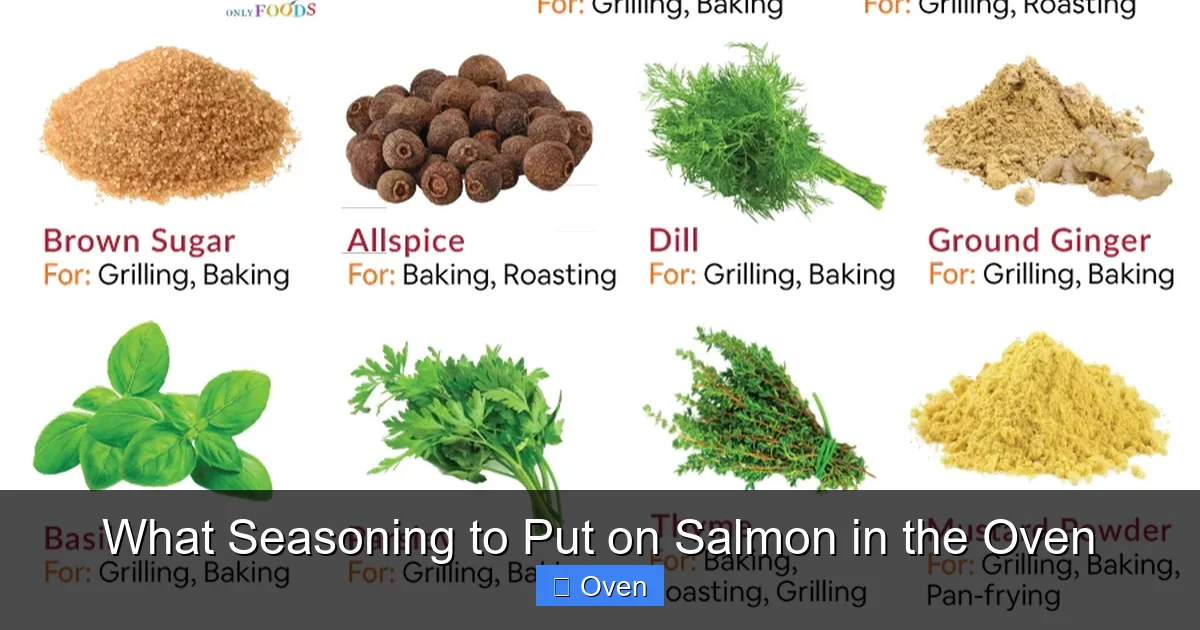
1. Choose the Right Cut
Fillets are thin and cook quickly, while steaks are thicker and stay juicy longer. Adjust cooking time by about 4‑5 minutes per inch of thickness. For beginners, a 1‑inch fillet works best.
Visual guide about What Seasoning to Put on Salmon in the Oven
Image source: onlyfoods.net
2. Pat Dry and Lightly Oil
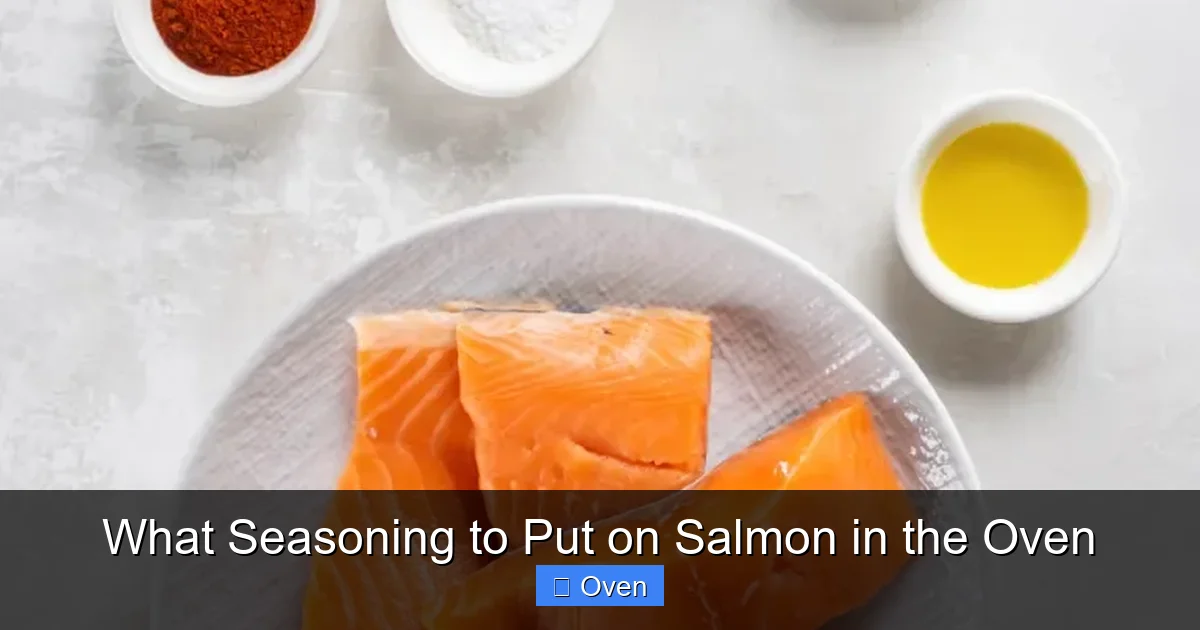
Moisture on the surface creates steam, which can prevent a crisp crust. Use paper towels to pat the salmon dry, then drizzle a teaspoon of olive oil (or melted butter) over each piece. The oil helps the seasoning adhere and promotes browning.
3. Let the Seasoning Marry
After sprinkling your spice blend, let the salmon rest at room temperature for 10‑15 minutes. This short “marinade” lets the flavors penetrate the flesh without the need for a full overnight soak.
Classic Seasoning Combos That Never Fail
Lemon‑Dill Delight
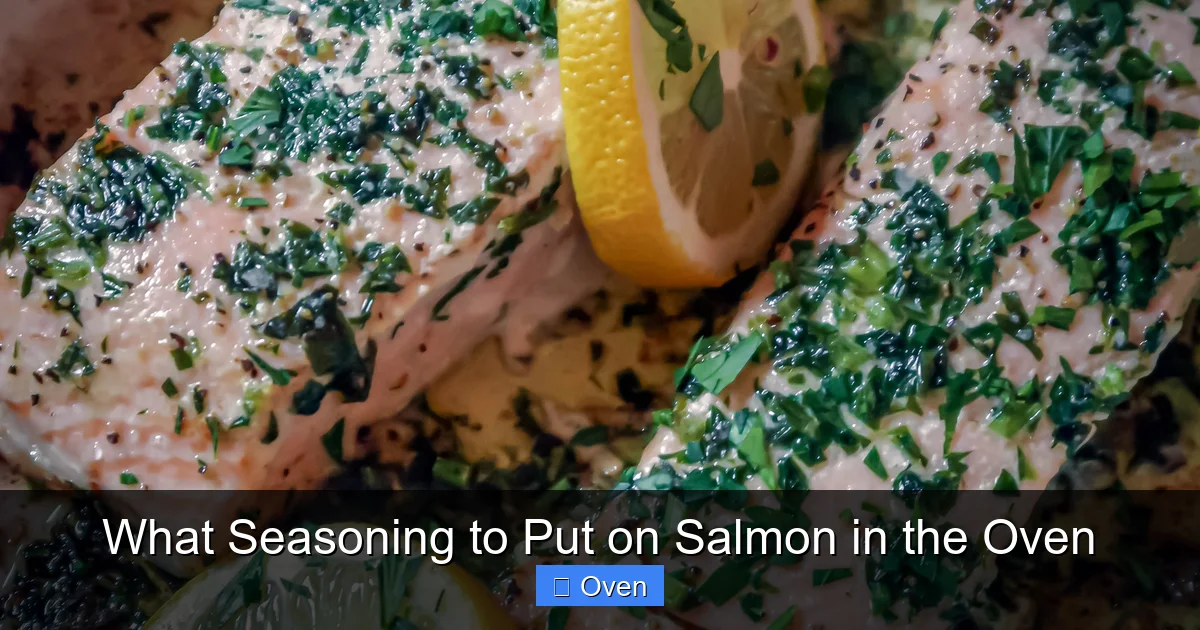
This is the go‑to for many home cooks. The bright acidity of lemon cuts through the richness, while dill adds a fresh, grassy note.
Visual guide about What Seasoning to Put on Salmon in the Oven
Image source: uploads-ssl.webflow.com
- 1 tsp lemon zest
- 1 tbsp fresh dill, chopped (or 1 tsp dried)
- ½ tsp sea salt
- ¼ tsp black pepper
- Optional: ½ tsp garlic powder
Mix, sprinkle, and bake. For extra zing, add a few thin lemon slices on top before cooking.
Garlic‑Butter Herb
Rich, buttery, and aromatic—perfect for a cozy dinner.
- 2 tbsp melted butter
- 1 tsp garlic powder (or 2 minced garlic cloves)
- 1 tsp fresh parsley, chopped
- ½ tsp thyme
- ½ tsp salt
- ¼ tsp smoked paprika for a subtle smoky note
Brush the butter mixture over the salmon, then sprinkle the dried herbs. The butter creates a golden crust while the herbs infuse the flesh.
Spicy Asian Glaze
If you love a little heat, this blend brings soy, ginger, and a touch of honey together for a glossy, umami‑rich finish.
- 2 tbsp soy sauce
- 1 tbsp honey or maple syrup
- ½ tsp ground ginger
- ¼ tsp red pepper flakes
- 1 tsp sesame oil
- Optional: 1 tsp toasted sesame seeds after baking
Whisk the ingredients, brush over the salmon, and bake. The sugars caramelize, giving a beautiful sticky glaze.
Smoky BBQ Rub
Great for a weekend grill vibe without the grill.
- 1 tbsp brown sugar
- 1 tsp smoked paprika
- ½ tsp chili powder
- ½ tsp garlic powder
- ½ tsp onion powder
- ¼ tsp cumin
- ½ tsp salt
Rub the dry mix onto the fish, then bake. The sugar caramelizes, creating a sweet‑smoky crust.
Herb‑Citrus Mediterranean Mix
Inspired by the Mediterranean coast, this blend uses olives, capers, and herbs for a bright, salty profile.
- 1 tsp dried oregano
- 1 tsp dried basil
- 1 tsp lemon zest
- ½ tsp capers, minced (optional)
- ¼ tsp black olives, finely chopped (optional)
- ½ tsp sea salt
- ¼ tsp cracked black pepper
Scatter over the salmon and drizzle a little extra‑virgin olive oil before baking.
How to Apply Seasonings for Maximum Flavor
Step‑by‑Step Application
- Dry the fish: Pat with paper towels.
- Oil lightly: 1 tsp olive oil per fillet.
- Season evenly: Use your fingertips to press the blend onto the surface.
- Rest: 10‑15 minutes at room temperature.
- Arrange on a pan: Use a rimmed baking sheet or a best metal tray for cooking food on in an oven for even heat.
- Bake: 400°F (200°C) for 12‑15 minutes, depending on thickness.
- Finish: Squeeze fresh lemon or drizzle a little extra‑virgin olive oil before serving.
Tips for Even Cooking
- Leave space between pieces—crowding creates steam.
- Flip halfway only if you want both sides crisp; otherwise, keep skin side down for a buttery texture.
- Use an instant‑read thermometer: 145°F (63°C) at the thickest spot signals doneness.
Pairing Sides and Sauces
A well‑seasoned salmon shines with simple accompaniments. Here are a few ideas that keep the meal balanced:
Visual guide about What Seasoning to Put on Salmon in the Oven
Image source: i0.wp.com
- Steamed asparagus: Toss with olive oil, salt, and a squeeze of lemon. (Tip: How Long Should I Put Asparagus In The Air Fryer for a quick alternative.)
- Garlic rice: Cooked in a rice cooker, then stir in butter and minced garlic. (See How To Put Rice In Rice Cooker for basics.)
- Fresh salad: Mixed greens with cucumber, avocado, and a light vinaigrette.
- Simple yogurt sauce: Greek yogurt, dill, lemon juice, and a pinch of salt.
Frequently Made Mistakes—and How to Avoid Them
Over‑cooking
Salmon continues to cook after you remove it from the oven. Pull it out when it’s just under the target temperature; it will finish cooking in its own heat.
Using Too Much Salt
Salt draws moisture out, leading to dry fish. Stick to the recommended ½‑1 tsp per pound of salmon.
Skipping the Oil
Oil is not just for flavor; it creates a barrier that keeps the fish from sticking and helps the seasoning adhere.
Creative Variations for Every Palate
Maple‑Mustard Glaze
Mix 2 tbsp maple syrup, 1 tbsp Dijon mustard, and a pinch of cayenne. Brush on during the last 5 minutes of baking for a sweet‑tangy finish.
Herb‑Crusted Almond
Combine ¼ cup finely chopped almonds, 1 tsp rosemary, and ½ tsp lemon zest. Press onto the salmon after oiling for a crunchy crust.
Middle‑Eastern Za’atar
Sprinkle 1 tbsp za’atar (a blend of thyme, sesame, sumac) and a drizzle of olive oil for an earthy, nutty flavor.
Conclusion: Your New Go‑To Salmon Seasoning Playbook
Seasoning is the secret weapon that turns a simple piece of salmon into a standout meal. Whether you crave the bright zing of lemon‑dill, the sweet heat of a spicy Asian glaze, or the comforting warmth of a smoky BBQ rub, the techniques above give you a reliable roadmap. Remember to pat dry, oil lightly, let the seasoning rest, and bake at 400°F for a perfectly flaky interior and a flavorful crust.
Now that you have a toolbox of blends, feel free to experiment—swap herbs, adjust heat, or combine two mixes for a personal signature. Serve with your favorite sides, and enjoy the compliments that follow. Happy baking!
Frequently Asked Questions
What is the best temperature for oven‑baked salmon?
400°F (200°C) is ideal; it creates a golden crust while keeping the interior moist. Adjust time based on thickness—about 12‑15 minutes for a 1‑inch fillet.
Can I use fresh herbs instead of dried?
Yes! Fresh herbs add brighter flavor. Use three times the amount of fresh herbs compared to dried (e.g., 1 tbsp fresh dill for 1 tsp dried).
How long can I store a homemade seasoning blend?
Store dry mixes in an airtight jar in a cool, dark place. They stay fresh for up to 6 months. Wet rubs with oil should be refrigerated and used within a week.
Do I need to flip the salmon halfway through baking?
Flipping isn’t necessary if you bake skin side down; the skin protects the flesh and stays crispy. Flip only if you want both sides equally browned.
Can I bake salmon on parchment paper?
Absolutely. Parchment prevents sticking and makes cleanup easy. For extra crispness, place the fish on a metal tray after a few minutes.
Is it safe to eat salmon that’s slightly pink in the center?
Yes. Properly cooked salmon is opaque on the outside and slightly pink in the middle, reaching an internal temperature of 145°F (63°C). It remains moist and safe to eat.