Is Crofton Cookware Safe
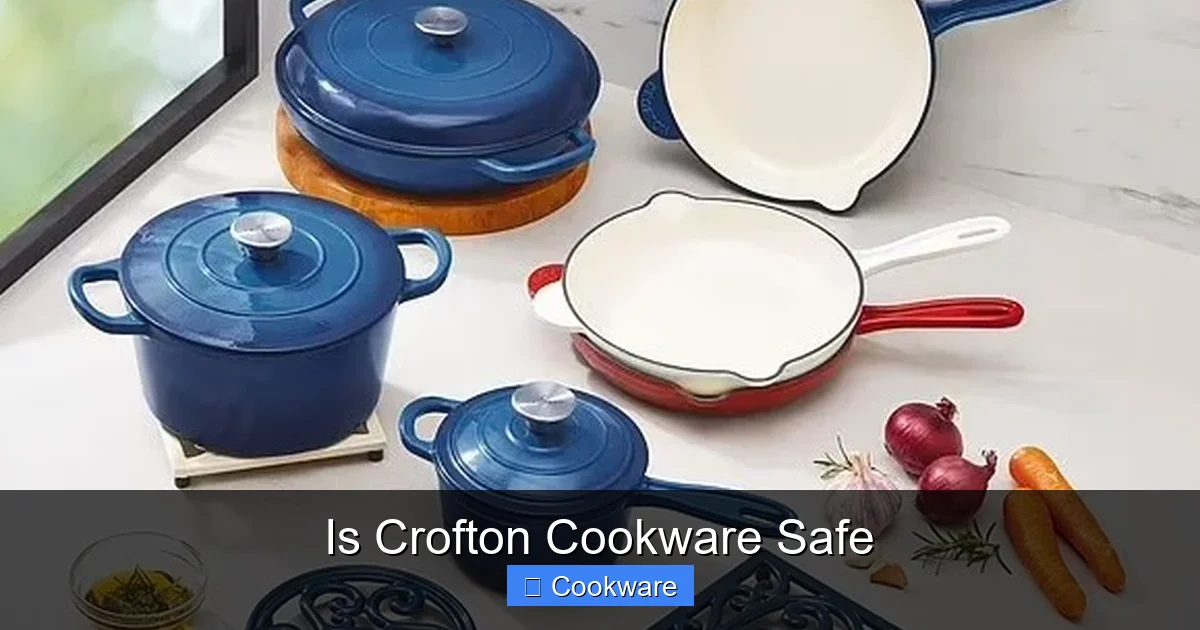
When asking Is Crofton Cookware Safe, the answer depends on the specific line and how you use it. Most Crofton stainless steel and hard‑anodized pieces are free of PFOA and PTFE, making them a low‑risk choice for everyday cooking. Always follow the manufacturer’s care instructions to maintain safety and performance.
When you walk down the cookware aisle, the name Crofton often catches the eye because of its affordable price and attractive designs. But before you add a set to your cart, you probably wonder: Is Crofton Cookware Safe for my family and my cooking habits? This question is common among budget‑conscious shoppers who still want peace of mind about what touches their food. In this guide we’ll break down the materials, coatings, and usage tips that determine the safety of Crofton pots and pans. By the end, you’ll know exactly whether Crofton belongs in your kitchen.
Key Takeaways
- Material matters: Crofton offers stainless steel, hard‑anodized aluminum, and non‑stick lines; each has different safety profiles.
- PFOA‑free non‑stick: Most Crofton non‑stick cookware is marketed as PFOA‑free, reducing concerns about toxic fumes.
- Proper usage prevents issues: Avoid overheating empty pans and use silicone or wood utensils to protect coatings.
- Dishwasher safety varies: Some Crofton sets are labeled dishwasher safe, but hand washing extends lifespan.
- Compare with alternatives: For a hard‑anodized option, see the best hard anodized dishwasher safe cookware set guide.
- Induction compatibility: Many Crofton stainless steel pieces work on induction; check the best stainless steel cookware for induction cooktop for tips.
- Oven safety: Verify maximum oven‑safe temperatures; the Corningware oven safe to what temperature article offers a useful reference.
📑 Table of Contents
Understanding Crofton Cookware Materials
Crofton sells several lines, each built from a different base material. Knowing what your cookware is made of is the first step to answering Is Crofton Cookware Safe.
Stainless Steel Collections
The stainless steel range is often praised for its durability and non‑reactive surface. These pots and pans contain a blend of iron, chromium, and nickel, which creates a surface that does not leach chemicals into food under normal cooking temperatures. Because stainless steel does not rely on a coating, there is no risk of PFOA or PTFE exposure. However, low‑quality stainless steel can develop hot spots, leading to uneven cooking and the temptation to use high heat. To keep your stainless steel Crofton safe, preheat the pan gently and use a little oil or butter to prevent sticking.
Hard‑Anodized Aluminum Lines
Hard‑anodized cookware starts with aluminum that undergoes an electrochemical process to create a thick, hard oxide layer. This layer makes the pan resistant to scratches and reduces the amount of aluminum that can migrate into food. Most Crofton hard‑anodized pieces are also coated with a non‑stick surface, which we’ll discuss next. The anodization itself is considered safe; the aluminum core is sealed away from direct contact with food. If you are looking for a hard‑anodized option that’s also dishwasher safe, you might find the best hard anodized dishwasher safe cookware set helpful for comparison.
Non‑Stick Coatings
Many Crofton lines feature a non‑stick interior that promises easy food release and simple cleanup. The brand typically states that its non‑stick coatings are PFOA‑free, which addresses a major health concern linked to older Teflon formulations. PFOA (perfluorooctanoic acid) has been associated with various health issues, so its absence is a positive sign. Still, non‑stick surfaces can break down if overheated. When a pan exceeds about 500 °F (260 °C), the coating may release fumes that can cause flu‑like symptoms in humans and be harmful to pet birds. To stay safe, never leave an empty non‑stick pan on a hot burner and keep cooking temperatures moderate.
Is Crofton Cookware Safe for Everyday Use?
Now that we’ve looked at the materials, let’s answer the core question: Is Crofton Cookware Safe for daily meals? The short answer is yes, provided you follow a few basic guidelines.
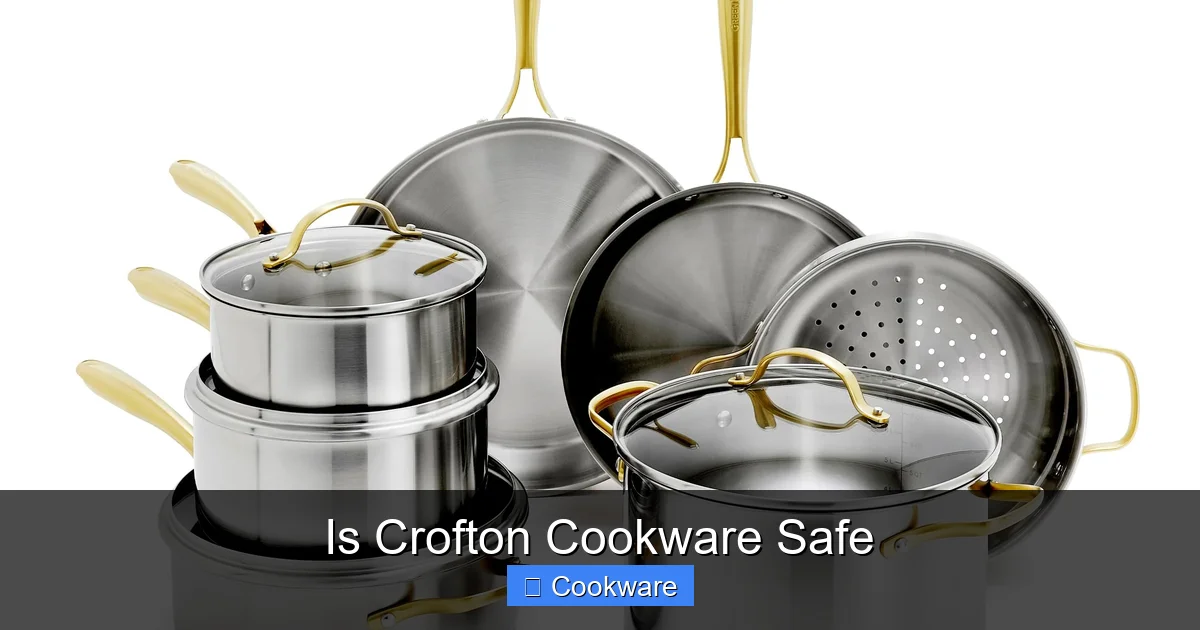
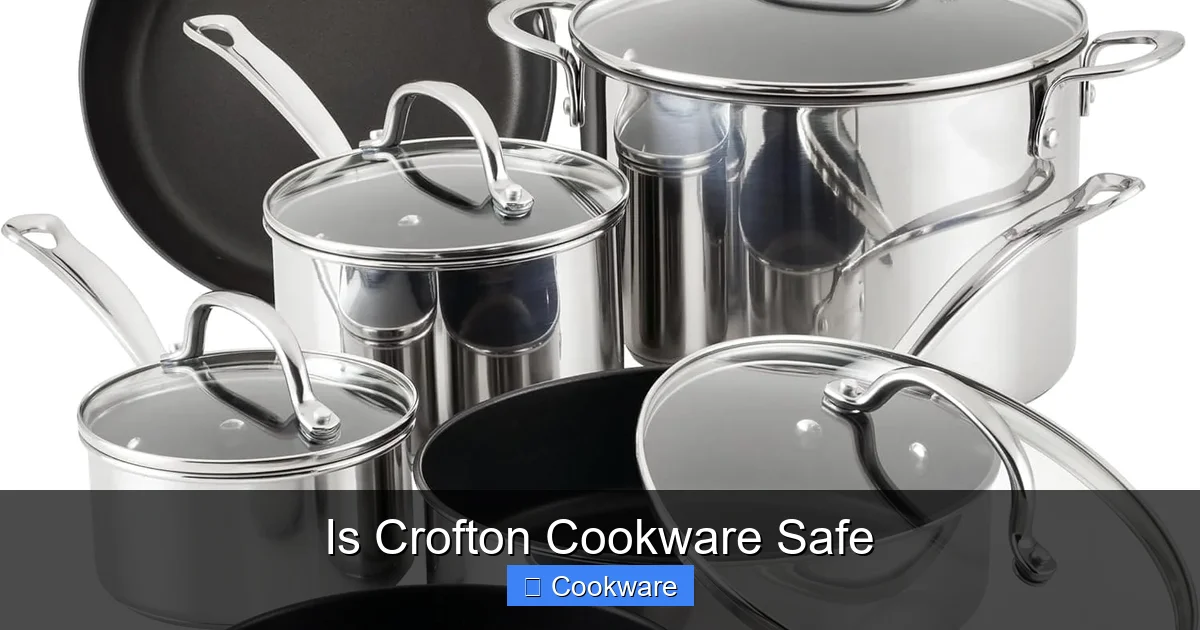
Visual guide about Is Crofton Cookware Safe
Image source: m.media-amazon.com
Temperature Limits
Each Crofton line comes with a recommended maximum temperature. Stainless steel pieces can usually handle oven temperatures up to 500 °F, while hard‑anodized and non‑stick pans often have a lower limit, around 400 °F. Exceeding these limits can warp the metal or degrade the coating. Always check the bottom of the pan or the product manual for the exact rating. If you need a reference for oven‑safe temperatures, the Corningware oven safe to what temperature page offers a useful benchmark for comparing different brands.
Utensil Choice
Using metal utensils on a non‑stick surface can scratch the coating, creating tiny grooves where food particles and bacteria can hide. Over time, these scratches may also cause the non‑stick layer to peel. To preserve the integrity of your Crofton non‑stick pans, opt for silicone, wood, or plastic utensils. For stainless steel and hard‑anodized pans, metal utensils are generally fine, but avoid aggressive scraping that could damage the anodized layer.
Cleaning Practices
Proper cleaning extends the life of your cookware and maintains its safety. While many Crofton sets are labeled dishwasher safe, the harsh detergents and high water pressure can accelerate wear on non‑stick coatings. Hand washing with a soft sponge and mild dish soap is the gentlest method. For stubborn residue, soak the pan in warm, soapy water for 10‑15 minutes before scrubbing. Avoid abrasive cleaners or steel wool, especially on non‑stick surfaces, as they can remove the protective layer and expose the underlying aluminum.
Potential Health Concerns with Non‑Stick Coatings
Even though Crofton markets its non‑stick lines as PFOA‑free, it’s wise to understand what that means and what other risks might exist.
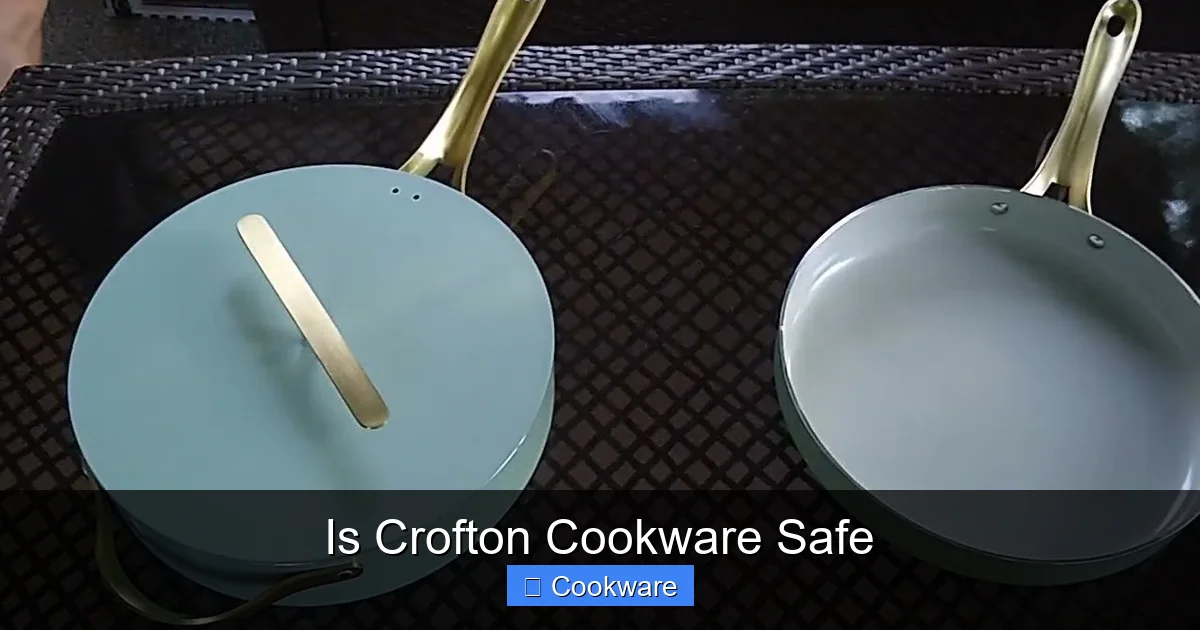
Visual guide about Is Crofton Cookware Safe
Image source: i.ytimg.com
What Does PFOA‑Free Mean?
PFOA was once used in the manufacturing of PTFE (the chemical known as Teflon) to help the coating adhere to the pan. Concerns about PFOA’s persistence in the environment and potential health effects led many manufacturers, including Crofton, to eliminate it from their production process. A PFOA‑free label means that the chemical was not used in the making of the coating, but it does not guarantee that the coating is completely inert. The primary component, PTFE, is stable at normal cooking temperatures but can break down at very high heat.
Safe Cooking Temperatures for Non‑Stick
To keep the PTFE coating intact, avoid preheating an empty pan on high heat and never broil food in a non‑stick pan unless the manufacturer explicitly states it’s broiler‑safe. A good rule of thumb is to keep the stove temperature at medium or lower when using non‑stick cookware. If you notice a strange odor or see the coating bubbling or discoloring, turn off the heat immediately and ventilate the kitchen.
Alternatives If You’re Still Worried
If you prefer to avoid any non‑stick surface altogether, Crofton’s stainless steel and hard‑anodized lines offer excellent performance without a coating. Stainless steel provides a naturally non‑reactive surface that, when properly preheated and oiled, can mimic non‑stick results. Hard‑anodized aluminum gives excellent heat distribution and a naturally stick‑resistant surface, especially when seasoned lightly with oil. For those seeking a dishwasher‑safe hard‑anodized set, the best hard anodized dishwasher safe cookware set article provides a side‑by‑side look at top contenders.
How to Properly Care for Your Crofton Pots and Pans
Maintaining your cookware not only keeps it looking good but also ensures it remains safe to use. Below are practical tips tailored to each Crofton material.
Visual guide about Is Crofton Cookware Safe
Image source: cookwarereviewhub.com
Stainless Steel Care
- Preheat the pan over medium heat for a minute or two before adding oil.
- Allow food to develop a crust before trying to flip it; this reduces sticking.
- Deglaze the pan with a splash of wine or broth to lift browned bits for sauces.
- If you notice white spots (often from minerals in water), wipe them with a vinegar‑soaked cloth.
- Store with a pan protector or a soft cloth between pieces to prevent scratches.
Hard‑Anodized and Non‑Stick Care
- Use low to medium heat; high heat can damage the anodized layer and non‑stick coating.
- Add a small amount of oil or butter before cooking to enhance food release.
- Let the pan cool slightly before washing to avoid thermal shock.
- Hand wash with a soft sponge; avoid scouring pads.
- Stack pans with a paper towel or silicone mat between them to protect the coating.
Seasoning (Optional for Hard‑Anodized)
Some cooks like to season hard‑anodized pans to create a natural non‑stick patina. To do this, wash and dry the pan, then rub a thin layer of high‑smoke‑point oil (like grapeseed or avocado) onto the interior. Heat the pan over low heat for 5‑10 minutes, let it cool, and wipe away excess oil. Repeat a few times to build up a slick surface. This process is optional but can improve food release and add a layer of protection.
Comparing Crofton to Other Popular Brands
Understanding how Crofton stacks up against competitors helps you decide if it’s the right safety choice for your kitchen.
Price vs. Performance
Crofton is positioned as a budget‑friendly brand, often sold at Aldi stores. Its lower price point means you can acquire a full set without breaking the bank. In terms of safety, the materials used are comparable to many mid‑range brands. The main difference lies in the thickness of the base and the quality of the non‑stick coating. Thicker bases provide better heat distribution and reduce hot spots, which can lower the temptation to crank up the heat—a safety benefit.
Warranty and Customer Support
Most Crofton lines come with a limited lifetime warranty that covers manufacturing defects. This warranty indicates the brand’s confidence in the durability of its products. However, the warranty typically does not cover damage from misuse, such as overheating or using metal utensils on non‑stick surfaces. Keeping the cookware within its recommended use parameters ensures you remain covered.
Where Crofton Excels
Crofton shines in offering a variety of styles—from classic stainless steel to modern hard‑anodized designs—at a price that encourages home cooks to experiment. The brand’s commitment to PFOA‑free non‑stick coatings addresses a major consumer concern. Additionally, many Crofton sets are oven safe up to reasonable temperatures, giving you flexibility for stovetop‑to‑oven recipes.
Where Other Brands May Lead
If you prioritize ultra‑thick, professional‑grade construction, brands like All‑Clad or Cuisinart may offer heavier bases that retain heat more evenly. For those who want a ceramic‑based non‑stick option (free of both PTFE and PFOA), brands such as GreenPan or Caraway provide alternatives. When considering induction compatibility, double‑check that the specific Crofton line you choose has a magnetic base; some aluminum‑only pieces will not work on induction cooktops.
Final Verdict: Should You Buy Crofton Cookware?
After exploring the materials, safety features, usage tips, and comparisons, we can now give a clear answer to the question Is Crofton Cookware Safe.
For most home cooks, Crofton provides a safe and affordable option, especially if you choose the stainless steel or hard‑anodized lines and follow the recommended care guidelines. The PFOA‑free non‑stick coating reduces a major health worry, provided you avoid overheating the pan. If you frequently cook at very high temperatures, broil often, or prefer a completely coating‑free surface, you might look toward a thicker stainless steel set or a ceramic‑based non‑stick brand.
Ultimately, safety comes down to how you use and maintain your cookware. By respecting temperature limits, using appropriate utensils, and cleaning gently, your Crofton pots and pans can serve you reliably for years. So go ahead, give that Crofton set a try, and enjoy cooking with confidence.
Frequently Asked Questions
Is Crofton cookware free of PFOA and PTFE?
Most Crofton non‑stick lines are advertised as PFOA‑free, meaning the harmful chemical was not used in the manufacturing process. The coating itself is typically PTFE‑based, which is safe at normal cooking temperatures but can break down if overheated. Always stay within the manufacturer’s temperature limits to keep the coating intact.
Can I put Crofton pans in the dishwasher?
Many Crofton sets are labeled dishwasher safe, but hand washing with a soft sponge and mild detergent will prolong the life of the non‑stick surface and prevent potential wear from harsh detergents. If you do use the dishwasher, place the pans on the top rack and avoid overcrowding.
Are Crofton stainless steel pans safe for induction cooktops?
Only the Crofton stainless steel lines that contain a magnetic base are induction compatible. Check the product description or look for an induction symbol on the bottom of the pan before purchasing. Pure aluminum hard‑anodized pieces will not work on induction unless they have a stainless steel layer bonded to the base.
What is the maximum oven‑safe temperature for Crofton cookware?
Oven‑safe ratings vary by line. Stainless steel Crofton pans often tolerate up to 500 °F, while hard‑anodized and non‑stick versions usually have a lower limit around 400 °F. Refer to the packaging or the product manual for the exact temperature to avoid warping or coating damage.
How do I know if my Crofton non‑stick pan is overheating?
Signs of overheating include a strong, unusual odor, visible discoloration or bubbling of the coating, and smoke rising from the pan. If you notice any of these, turn off the heat immediately, remove the pan from the burner, and ventilate the kitchen. Allow the pan to cool before inspecting it for damage.
Is it safe to use metal utensils on Crofton hard‑anodized pans?
Metal utensils are generally safe on hard‑anodized surfaces because the anodized layer is quite hard. However, aggressive scraping can still wear down the layer over time. For the longest lifespan, consider using silicone, wood, or plastic utensils, especially if the pan also has a non‑stick coating.